Lincolnshire Place - Memory Care & Assisted Living receives many positive remarks for its caregiving culture, amenities, and activity programming alongside a set of operational concerns families should evaluate. Numerous reviewers highlight warm, attentive staff and an experienced nursing/CNA team that provides day‑to‑day support and fosters a family‑like atmosphere. The facility’s director and administration are frequently described as responsive, and infection‑control practices (including COVID protocols) are noted as proactive. The environment is often characterized as intimate, with small resident groups that support socialization and individualized attention.
Care quality is described positively in many accounts: skilled nurses and CNAs, regular monitoring, and staff who take time to engage residents personally. At the same time, several reviews describe variability in clinical follow‑up and medication administration, and there are concerns about timely responses to acute issues (for example, delays in antibiotic initiation for infections). A few reviewers raised serious end‑of‑life coordination concerns, including family communication and hospice coordination; these comments suggest families should confirm care escalation processes, documentation, and hospice integration when considering placement.
Dining and activities are standout features for many families. The community offers a broad array of daily programming tailored to memory care — chair exercises, sing‑alongs, Bible study, games, and seasonal events — as well as specialty amenities such as a movie theater, ice cream parlor, beauty salon, hobby room, and an outdoor gathering area. Meals and snacks are frequently praised for being enjoyable, with special treats and social dining occasions. That said, reviewers describe variable food quality and occasional inconsistency in meal presentation and menu breadth; a prospective resident should sample the menu and ask about regular meal planning and substitutions.
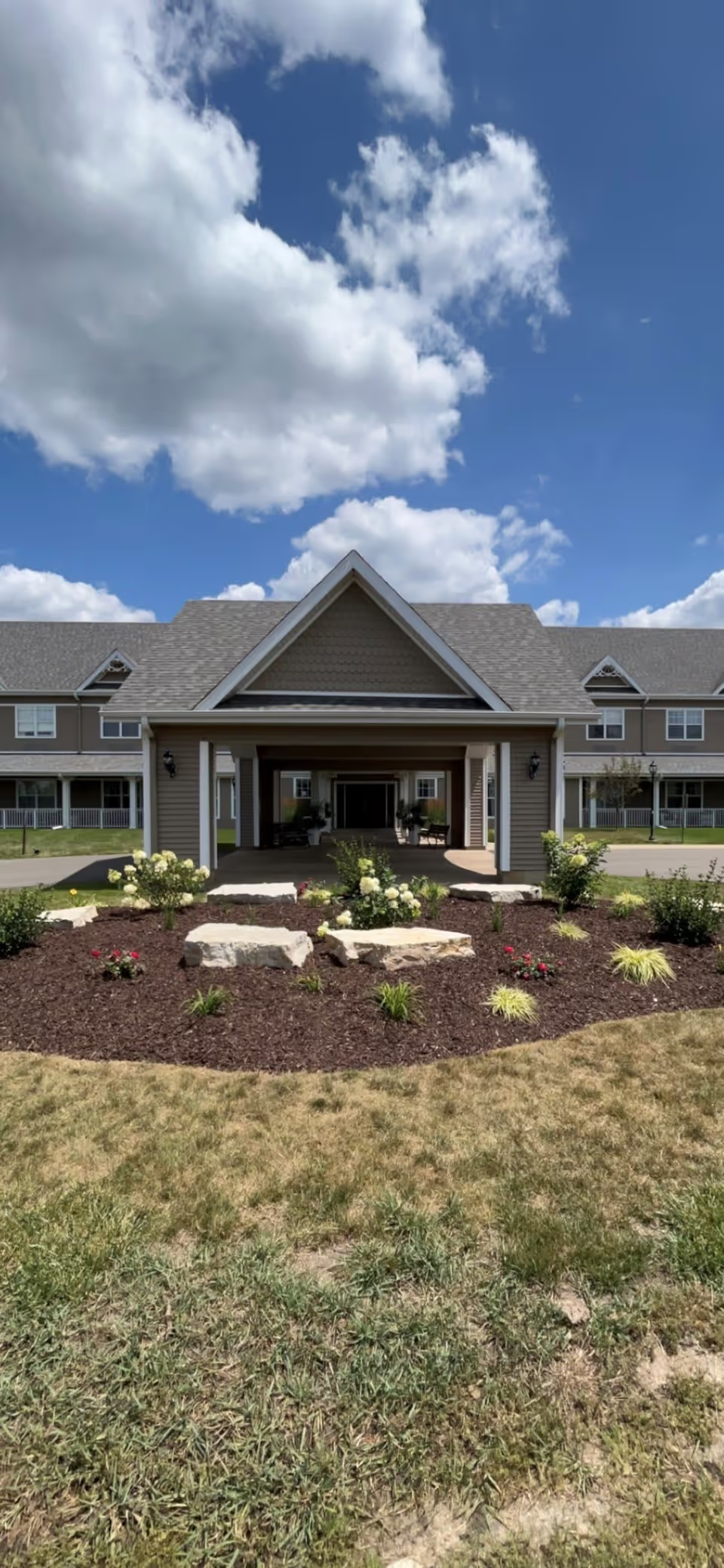
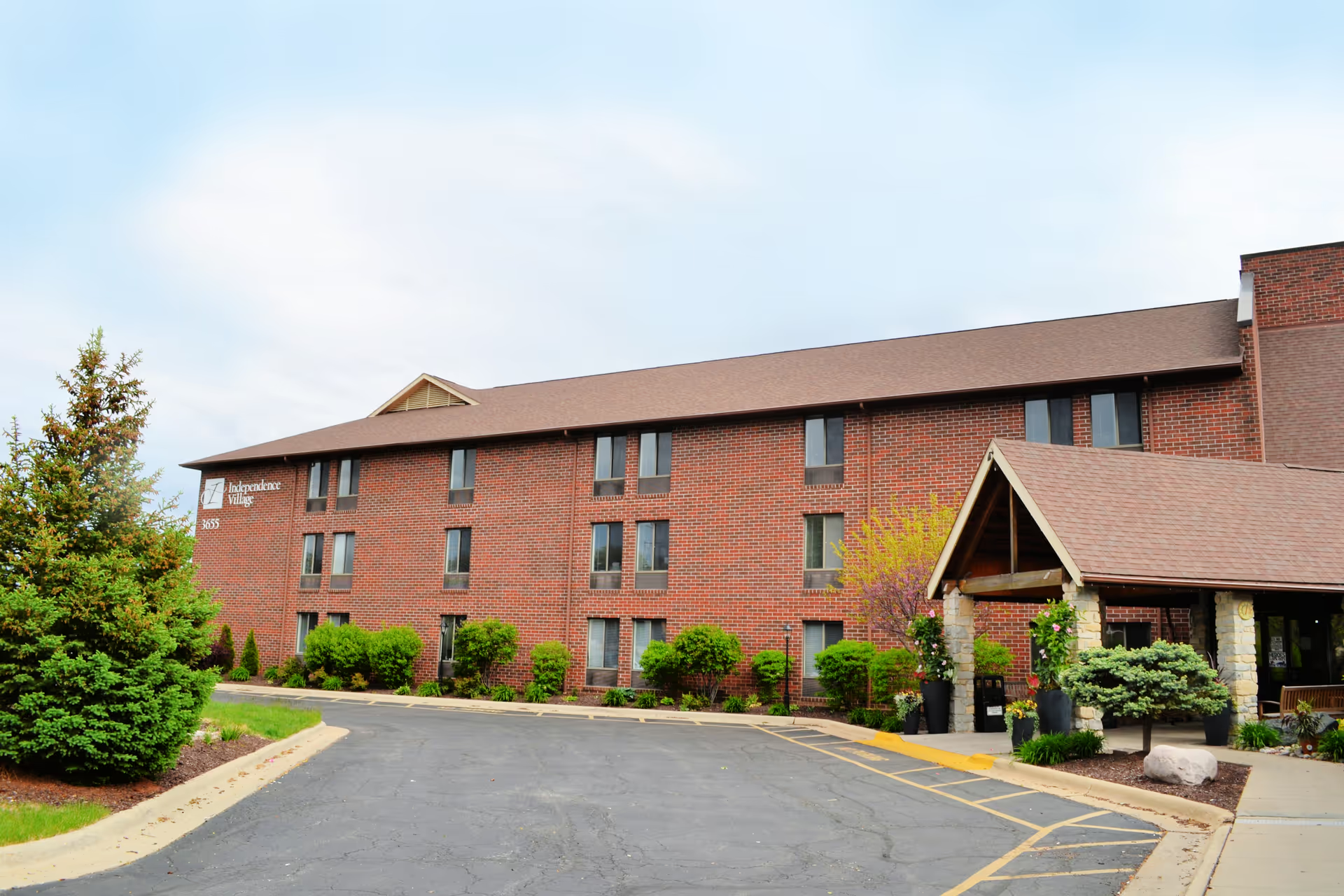
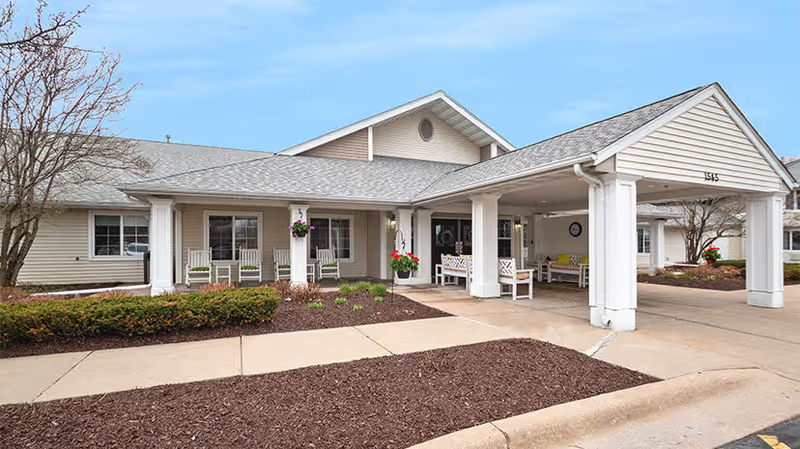
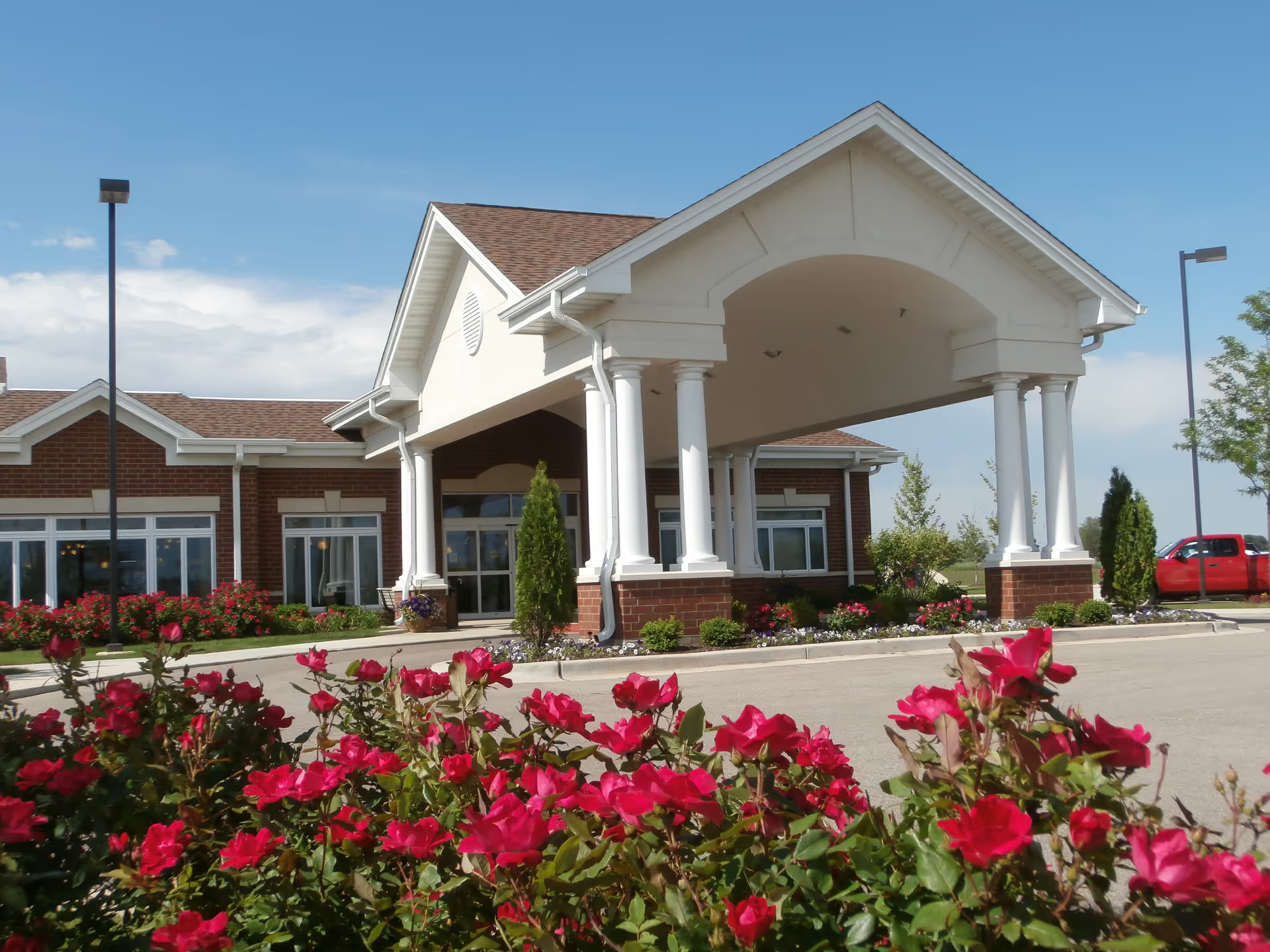
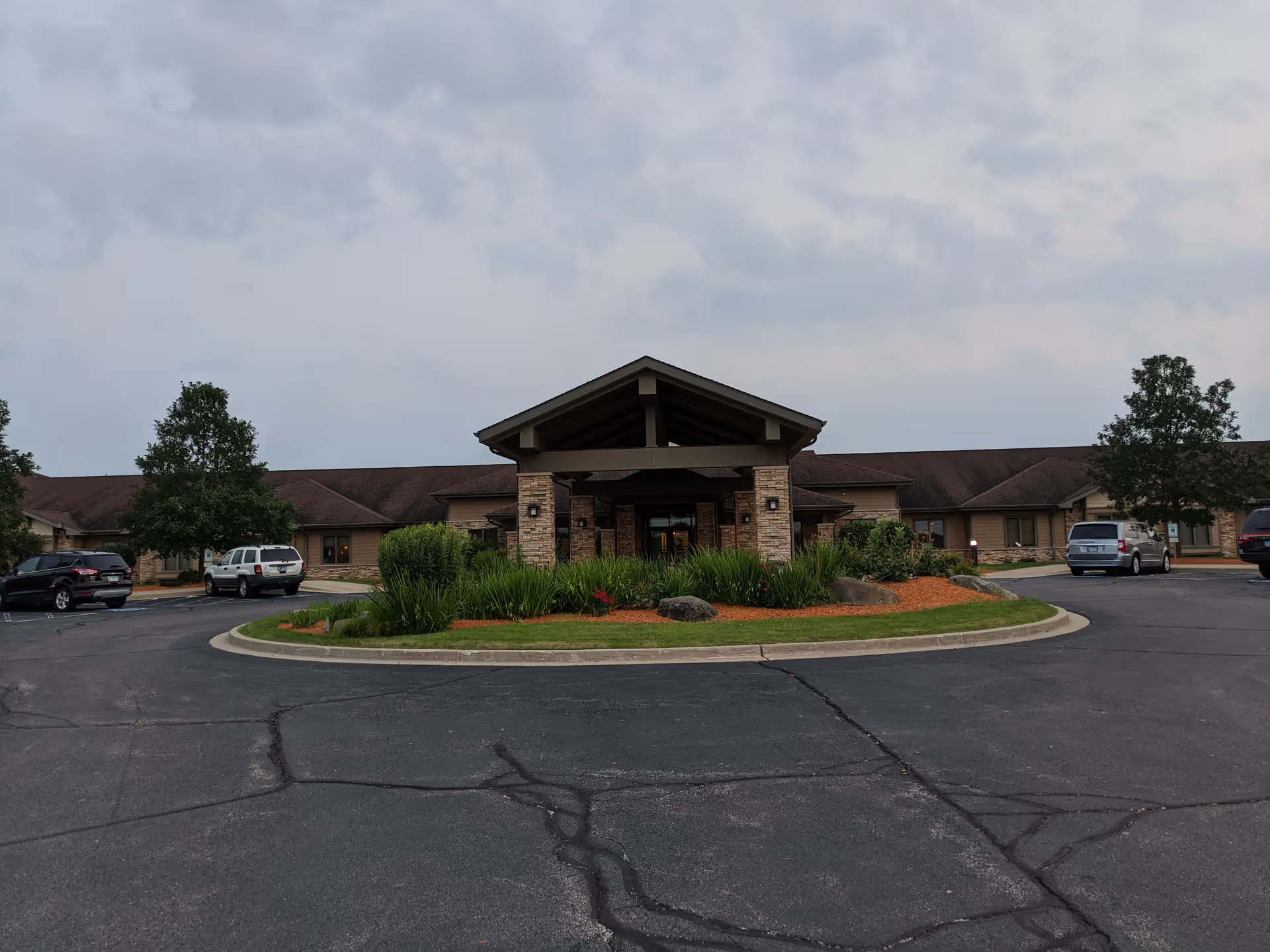
Facility features receive favorable comments for room size, private bathrooms, walk‑in showers, and comfortable communal spaces. Several reviewers praised cleanliness and decor. Contrasting accounts include sanitation and laundry management concerns: reviews cite laundry mix‑ups, missing clothing, and instances where personal items were not tracked reliably. These points indicate potential weaknesses in personal‑property controls and housekeeping consistency; families should clarify laundry procedures, labeling, and lost‑item policies.
Management and cost considerations are a mixed picture. Many families commend directors and staff for hands‑on involvement, compassionate bereavement support, and assistance with family events. Conversely, reviewers note high upfront entry fees, significant monthly rents, and expectations to furnish units, which affect perceived value. Admission flexibility and waiting‑list procedures were also cited as restrictive in some cases. Overall, the pattern is largely positive regarding daily life, social engagement, and staff compassion, with discrete operational areas — medication and clinical follow‑up consistency, personal‑item and laundry controls, communication with families and hospice, and transparent fee/ admission policies — that warrant direct questions during tours and contract review.