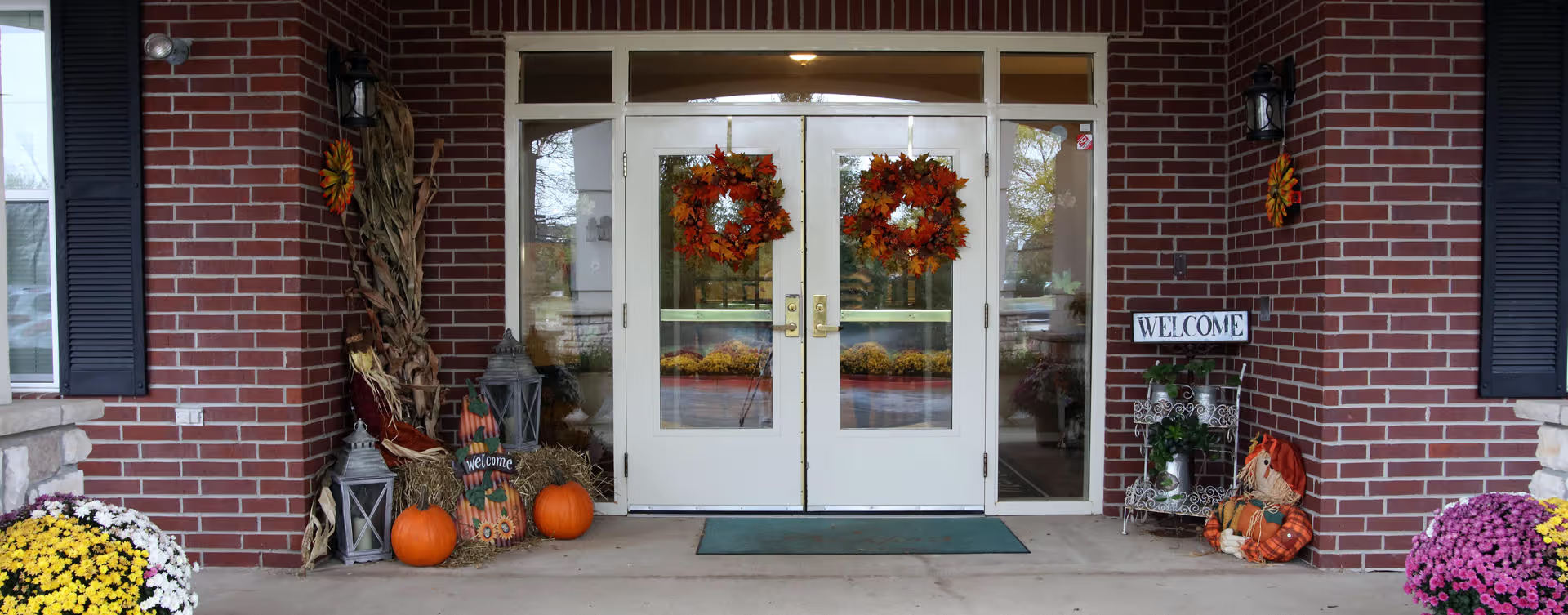
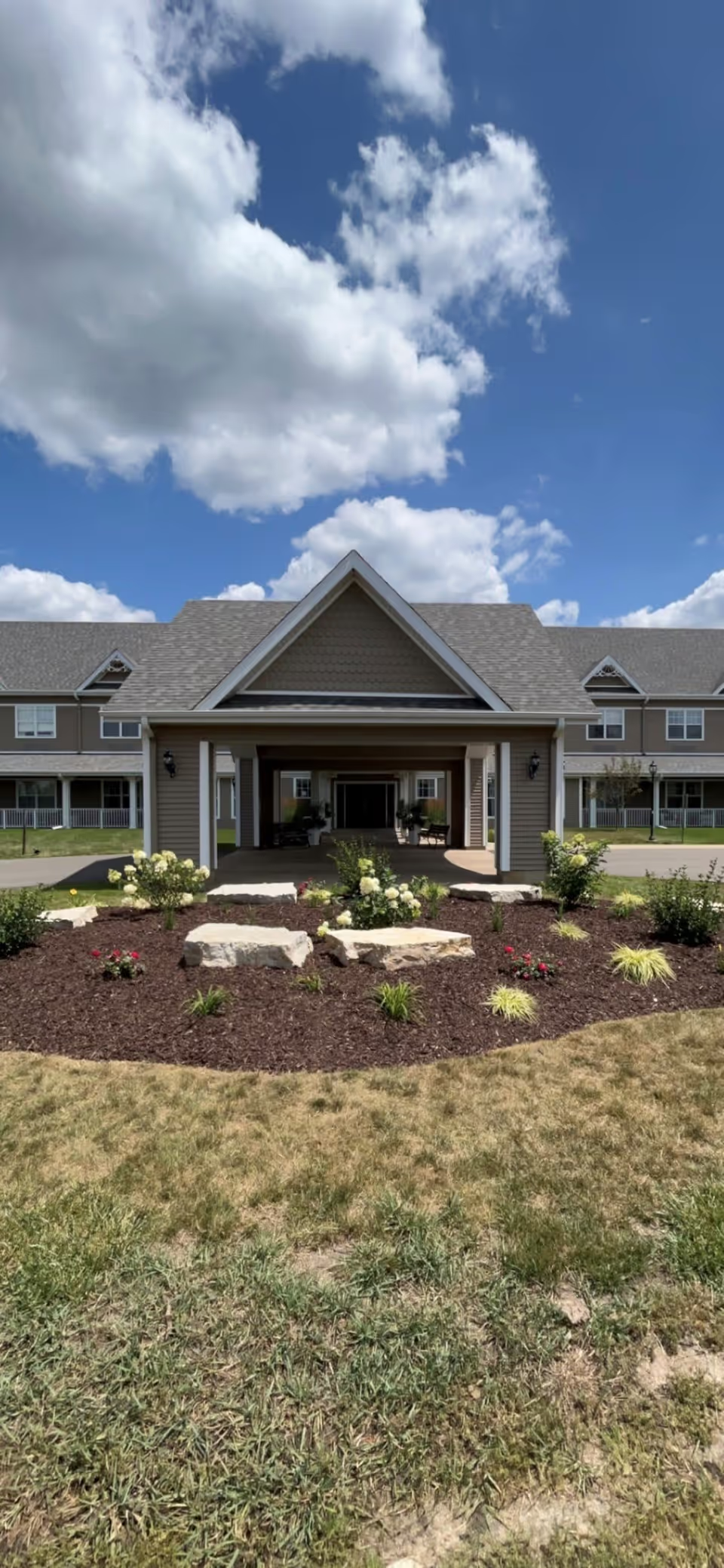
Cherryvale Place presents as a generally clean, modern assisted-living community with a broad range of hospitality-style amenities and a strong emphasis on social programming. Many families describe an inviting, well-kept building, organized communal spaces, a restaurant-style dining room, and multiple on-site amenities such as a salon, gym, pool, therapy room and secured memory-care garden. Admissions and concierge functions are often described as efficient and welcoming, and transportation to medical appointments and rehabilitation services are available. Several accounts highlight staff who are attentive, compassionate, and familiar with residents' names, and nursing teams that competently manage routine medication administration.
At the same time, reviewers convey notable variability in operational consistency. Staffing levels and turnover are recurring themes: some shifts and departments receive high praise, while others—particularly nights and some nursing aides—are described as less reliable. This unevenness affects response times to call lights and requests, and contributes to perceptions of variable professionalism and communication. Families should be aware that these patterns have been associated with delays in attending to resident needs and with gaps in family communication after clinical events.
Dining and clinical oversight show mixed signals. Many residents appreciate the dining format, entree choices, and the ability to accommodate common dietary restrictions; however, other reports describe declining or inconsistent food quality and limited therapeutic-diet options (for example, low-sodium or more structured diabetic menus). Clinical incidents described in some reviews—including falls, blood-sugar events, and hospital transfers—suggest that oversight for residents with higher acuity or complex medical needs can be uneven. Collectively these point to inconsistent clinical monitoring and handoff practices rather than a uniform failure of care.
Activities and social life are strengths for many residents: a full calendar, outings, crafts, and opportunities for social dining and friendships are commonly cited. Participation levels and program leadership vary, however, and some families would like more outdoor options such as continuous walking paths and easier patio access. Facility upkeep is generally seen as a strength, yet there are isolated sanitation and housekeeping concerns that have been raised; these indicate uneven housekeeping practices and occasional lapses in incontinence-care procedures that merit direct inquiry during tours.
Management and policy issues recur in the feedback. Several reviewers link declines in service quality to management turnover or ownership changes; others note slow executive responsiveness to family concerns and contractual or financial rigidity (private-pay emphasis, rate increases, limited Medicaid options). There are also isolated but serious claims about missing personal items and security lapses; these would warrant discussion with administration and review of the community's property and wandering-prevention protocols.
Overall, Cherryvale Place offers many of the amenities and social elements prospective residents and families seek in assisted living, with demonstrable strengths in hospitality, activities, and pockets of strong clinical care. The dominant patterns to investigate further during a visit are staffing consistency (including night coverage), responsiveness to calls, clinical oversight for higher-acuity needs, sanitation/housekeeping consistency, security of resident belongings, and the facility's payment and continuity-of-care policies. Families considering Cherryvale Place should balance the community's social and environmental advantages against these operational variabilities and request specific, up-to-date information about staffing ratios, clinical services, dietary accommodations, and incident resolution processes.