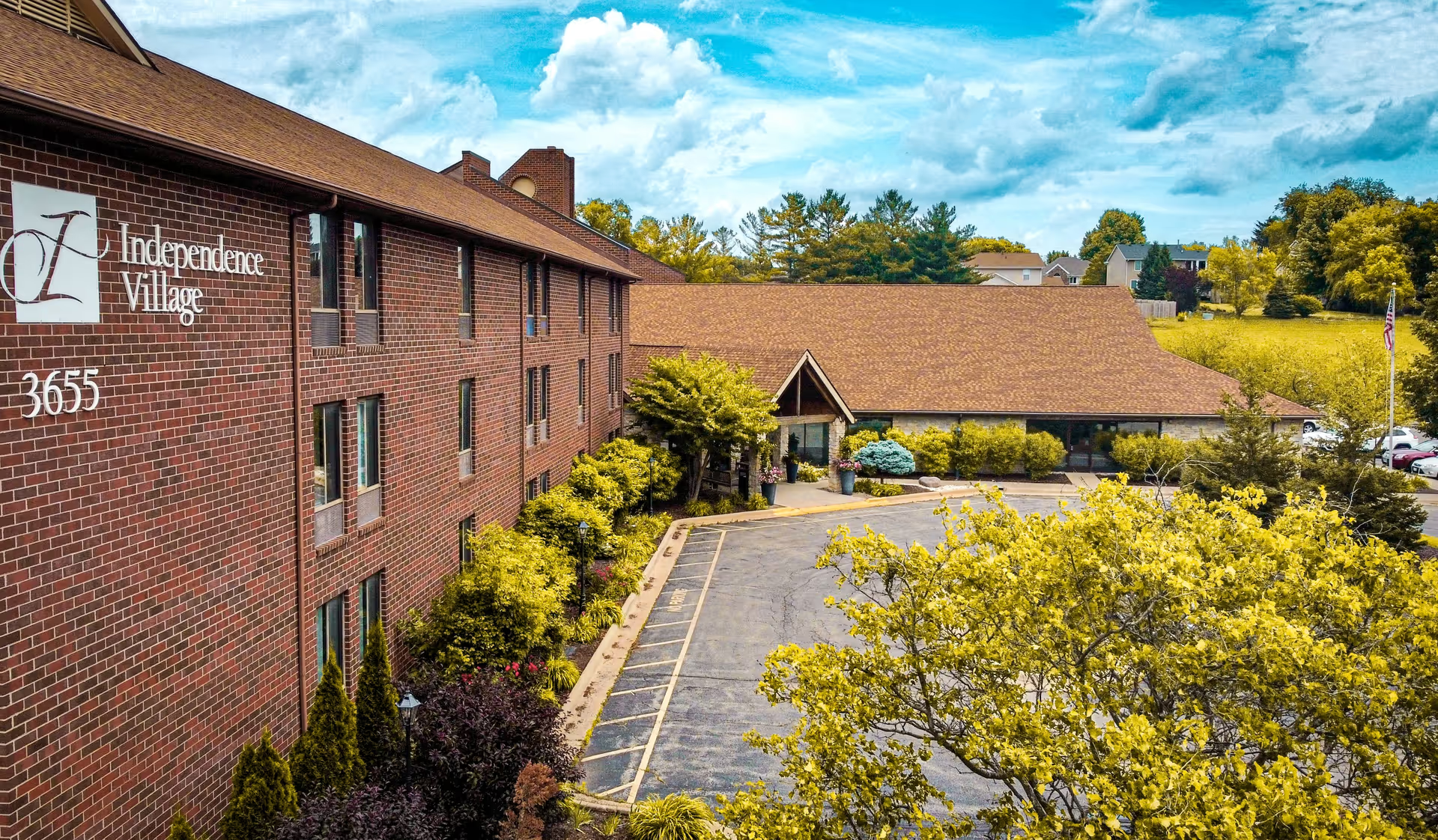
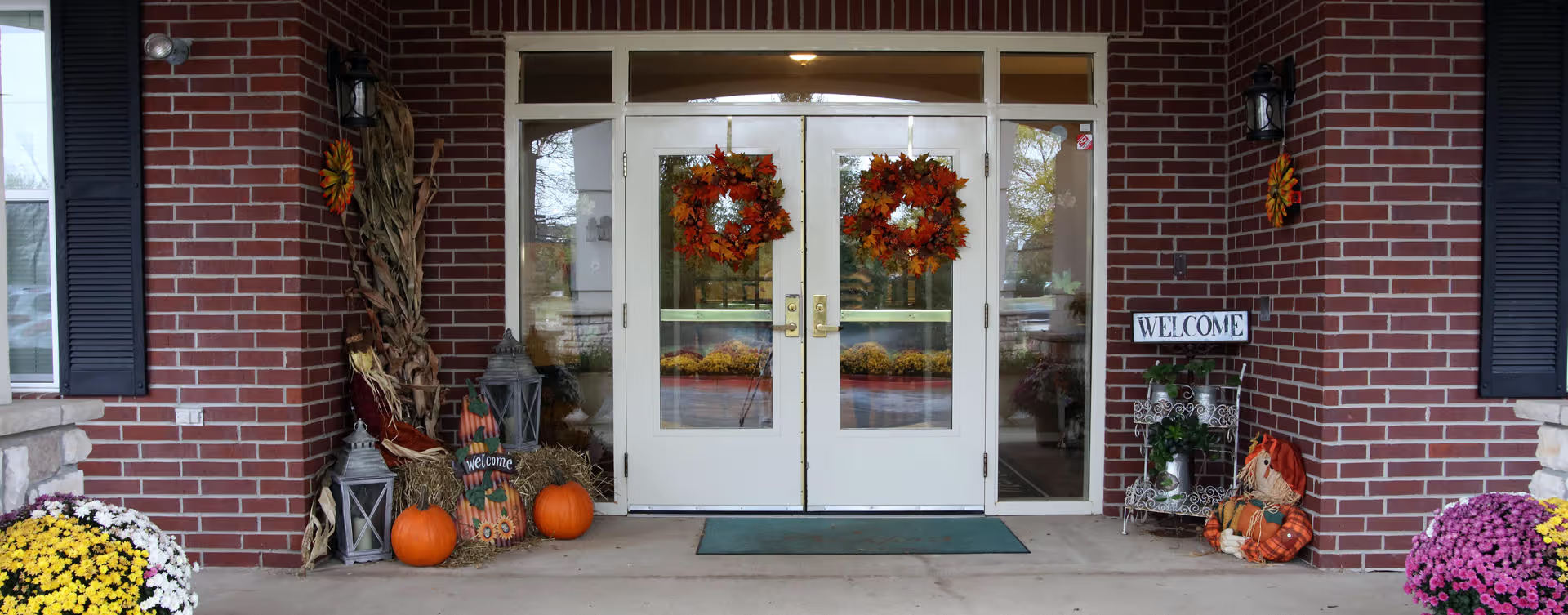
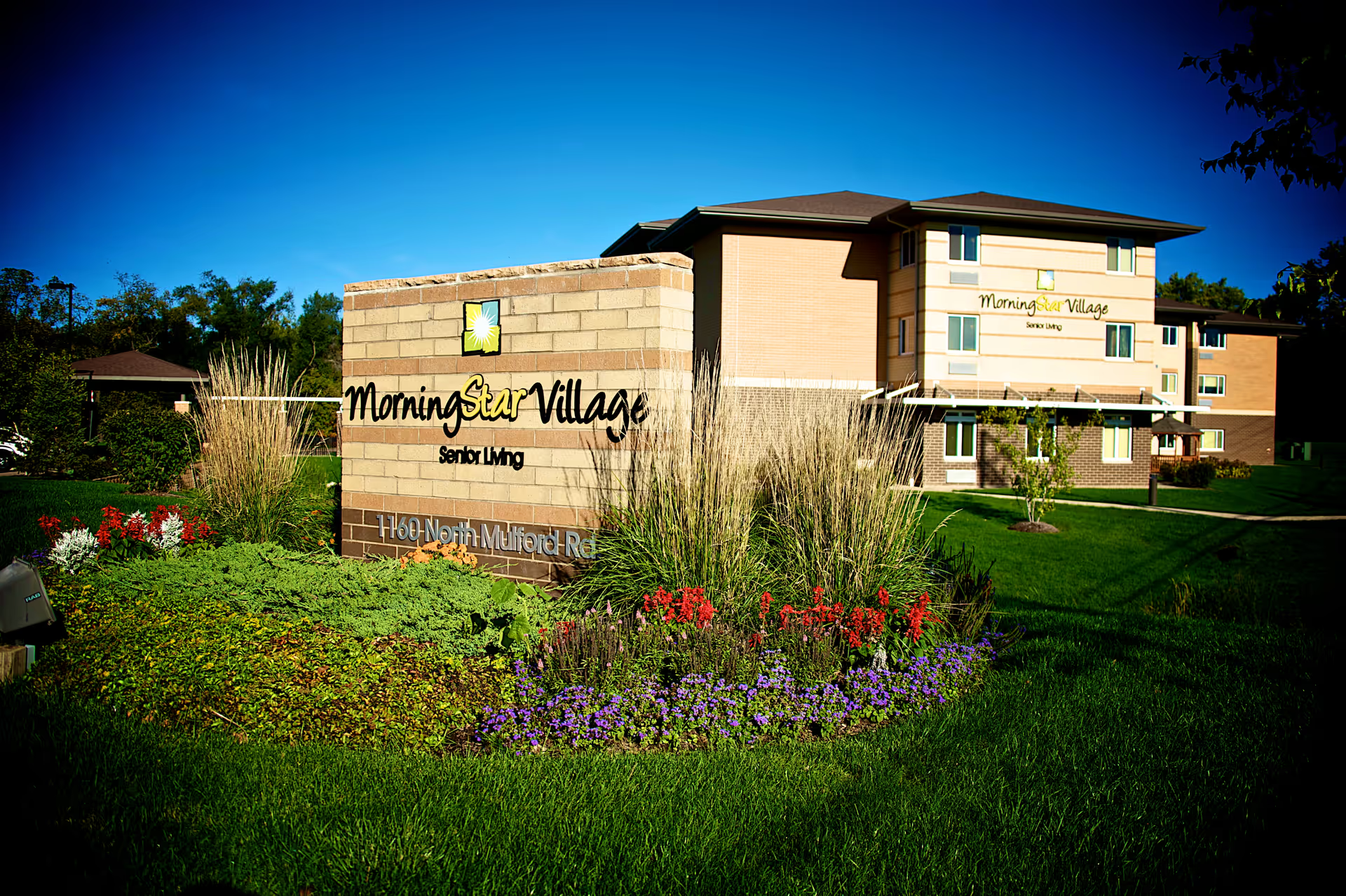
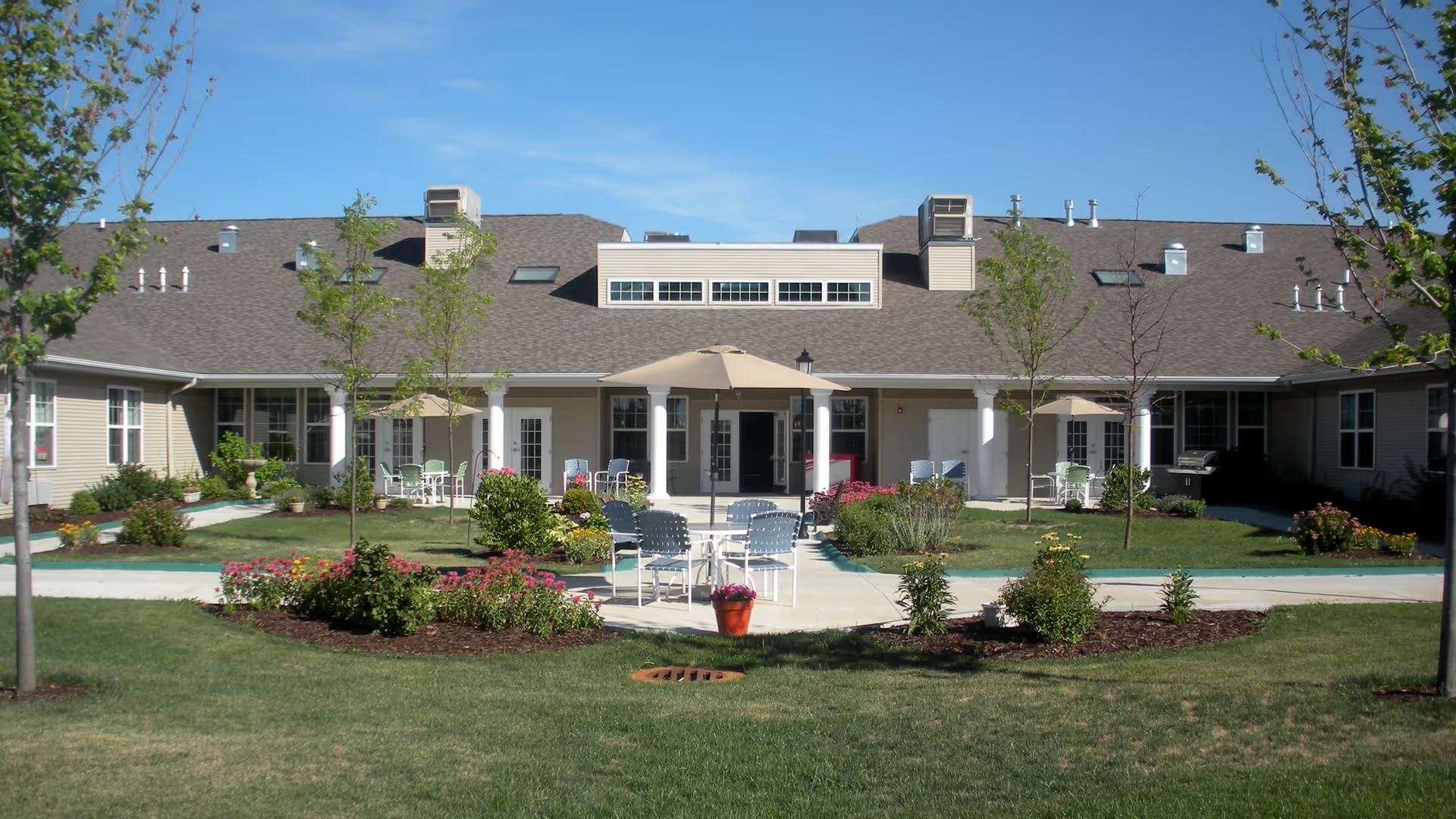
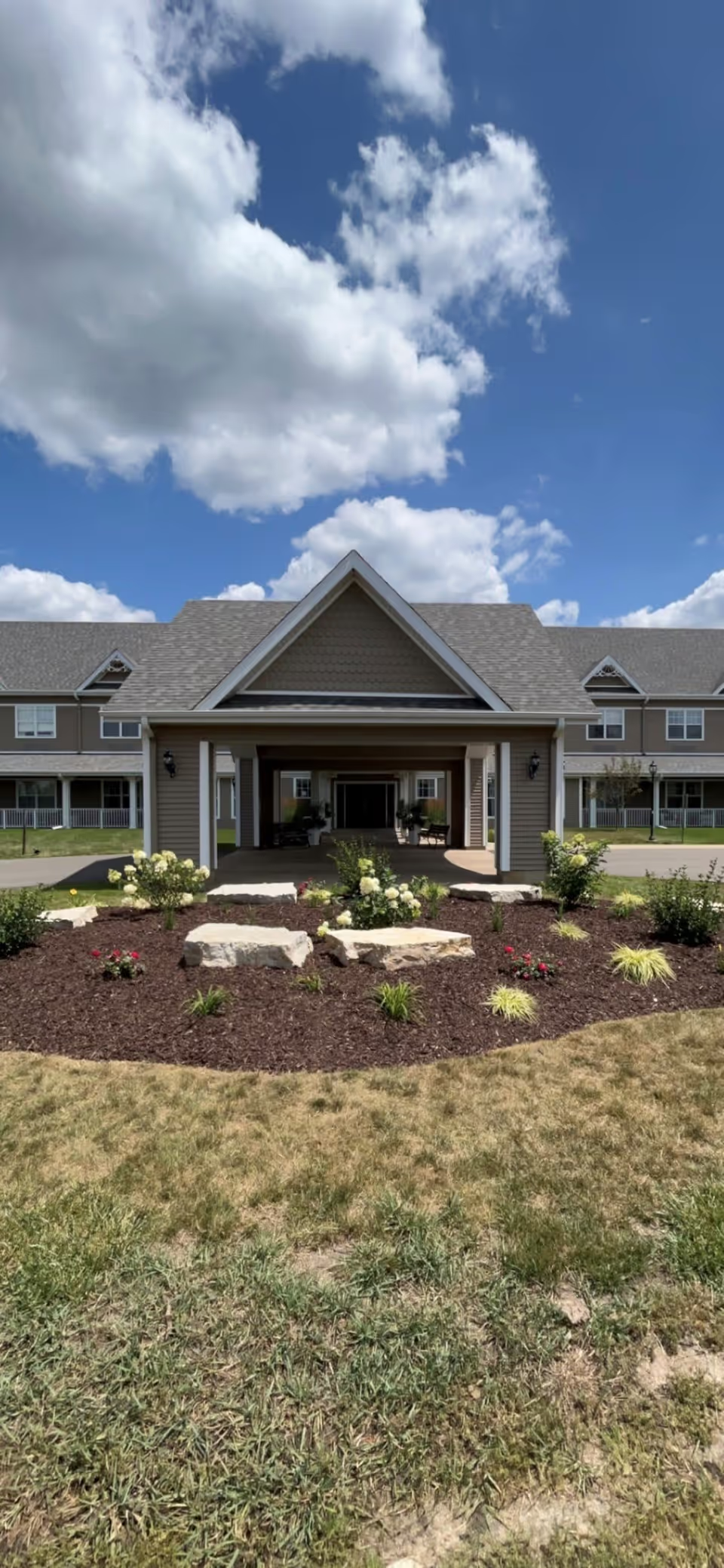
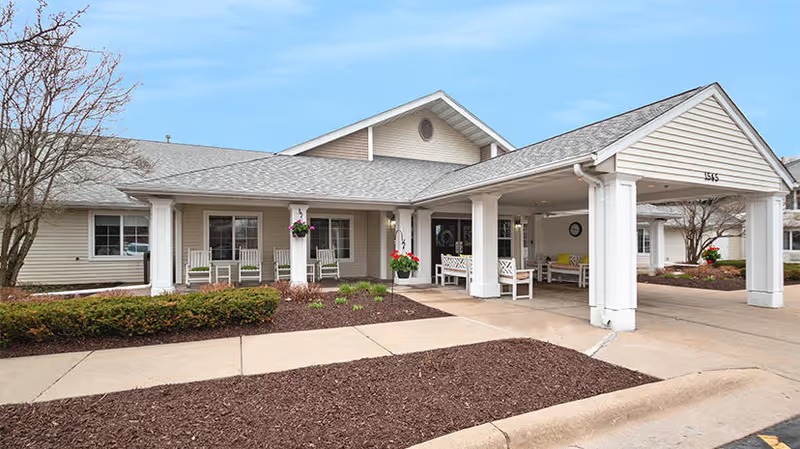
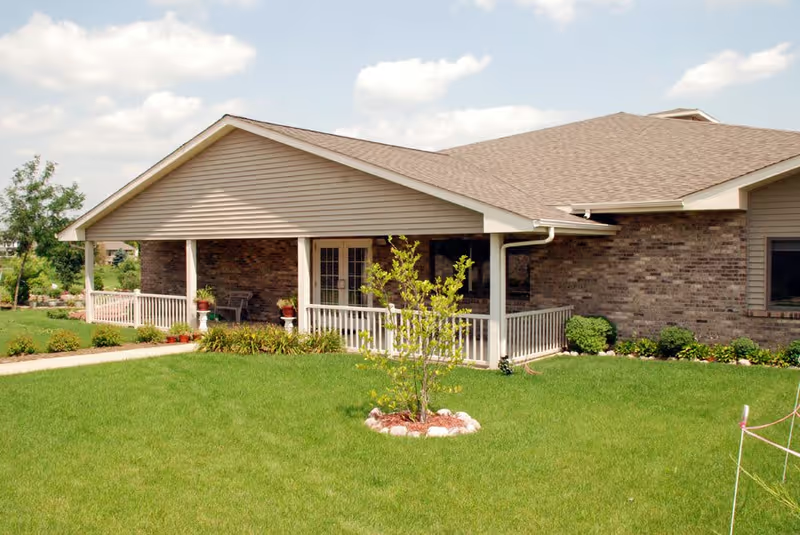
Overall impression Dimensions Living Winnebago is described primarily as a small, home-like community with well-kept grounds and a welcoming atmosphere. Many families highlight the facility’s convenient location, pet-friendly policy, and a general sense of a close-knit, family-style environment. Several comments indicate strong demand, with a waiting list and overall satisfaction with move-in support and initial transitions.
Care and staff A prominent strength is the caregiving team: reviewers frequently note compassionate, attentive staff who communicate personally with families and are knowledgeable and accommodating with schedules and care plans. The facility’s small size appears to support more one-on-one attention for some residents, and staff are generally characterized as respectful and supportive. However, there is a contrasting set of concerns suggesting variability in day-to-day caregiving quality and in staff conduct and communication tone. Prospective families should expect generally warm interactions but also ask about staffing consistency and oversight procedures to understand how the facility manages performance variability.
Dining and activities Dining is commonly cited as a positive feature: reviewers mention a strong menu, healthy options, and an engaged culinary team that interacts with residents. Social activities and resident socials are also noted as fostering friendships and community engagement. At the same time, some families reported limited activity variety or that residents were not always encouraged to participate; this indicates variability in activity programming or in how staff support individual participation. Clarifying the sample activity schedule and how staff encourage participation may help align expectations.
Facilities and cleanliness Many reviewers praise the facility’s cleanliness, landscaping, and home-like common areas. Conversely, there are explicit sanitation and pest-control concerns in some comments and at least one account describing management as slow to respond to those concerns. Those accounts point to an operational risk in housekeeping and pest-control follow-up rather than a universal condition. Prospective visitors should inspect units and common areas, ask about recent housekeeping audits and pest-control records, and inquire how concerns are escalated and tracked.
Management, policy, and notable patterns The community implemented strict infection-control and visitation policies during the pandemic—examples include vaccine documentation, appointment-only visits, and multi-day visitation restrictions—which were effective at keeping case counts low but felt inflexible to some families. Families praise the facility for individualized care planning and fair pricing, but also flagged inconsistent management responsiveness on specific complaints. The combination of strong day-to-day caregiving reports and isolated but serious operational concerns suggests a facility that performs well in many areas but may have episodic weaknesses in housekeeping, complaint follow-up, and consistency across shifts.
Recommendations for prospective families When evaluating this community, consider observing staff–resident interactions, reviewing housekeeping and pest-control logs, asking about staffing continuity and shift supervision, and clarifying visitation and infection-control policies. Request sample menus and activity calendars, and speak with current families if possible to understand how the facility supports resident engagement and how management addresses concerns. These steps will help determine whether the facility’s strengths align with your priorities and whether its processes for handling the noted operational issues meet your expectations.