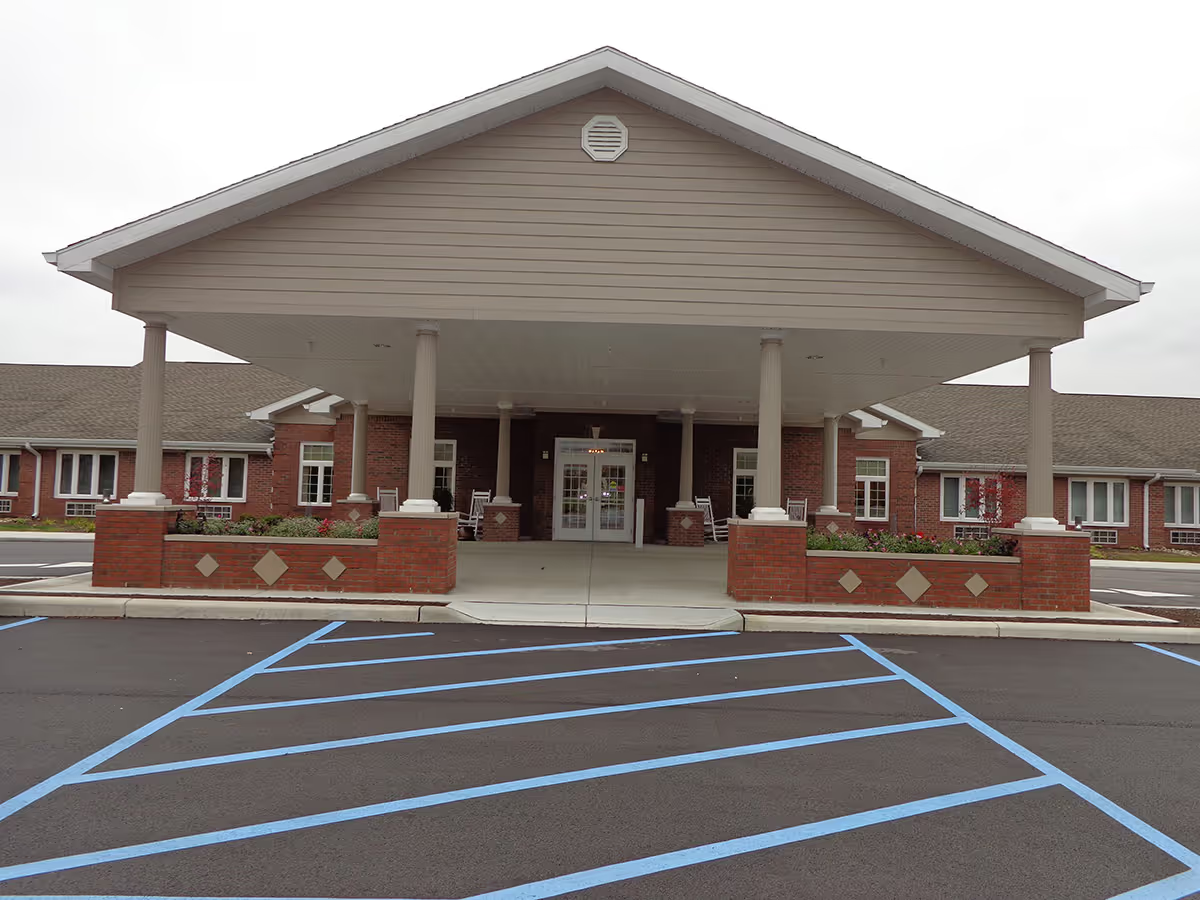
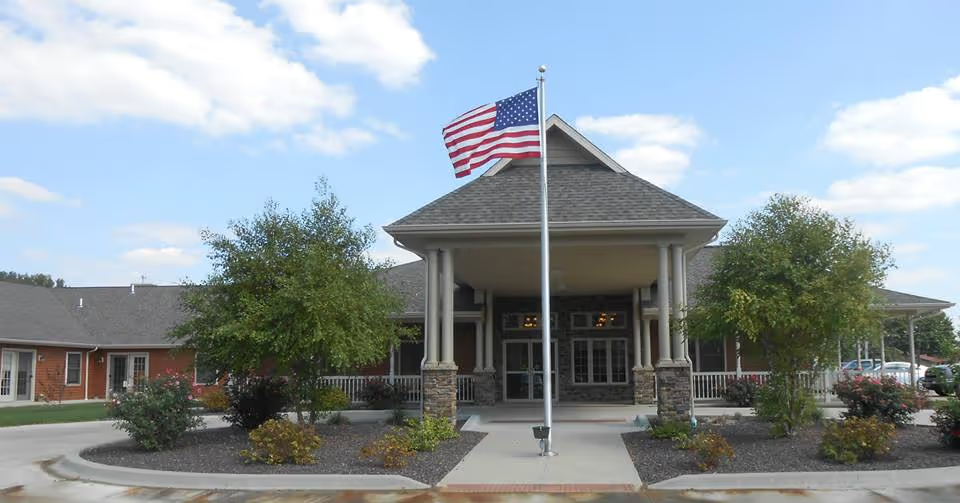
Overall impression: Villas of Holly Brook Marshall is consistently described as a welcoming, home-like assisted living community with a strong emphasis on staff–resident relationships, social engagement, and approachable management. Reviewers frequently highlight the facility’s cleanliness, apartment-style living spaces, accessible design features, and a communal atmosphere that many residents and families find comforting and family-like.
Care quality and staff: Care is commonly characterized as compassionate and personable. Staff are described as attentive with practical supports such as medication assistance, help with bathing, cleaning, and laundry, and frequent safety checks. Several accounts describe staff going above and beyond for individual needs and coordinating medical visits. At the same time, there are recurring concerns about responsiveness to call bells and care requests and reports of limited nursing coverage; these suggest operational staffing constraints that can affect timeliness of care. Importantly, the community may not meet the needs of residents with advanced memory-care requirements, and families are advised to verify clinical scope and staffing before placement.
Dining and food service: Dining is a notable strength for many residents. Meals are praised for being hot, well-seasoned, and prepared with textures suitable for denture wearers; reviewers also noted improved quality after changes in food-service management. The dining areas are arranged to support conversation and wheelchair movement. However, there is evidence of intermittent variability in meal-service quality tied to staffing or management transitions, so consistency can fluctuate during such periods.
Activities and social life: The community offers a range of activities, including morning exercise, crafts, games, outings, and family-involvement events. Many residents find the social atmosphere robust and describe steady opportunities for engagement and outings. Activity quality appears uneven in a minority of comments, indicating programming strength overall but with variability in how engaging or frequent specific activities may be for different residents.
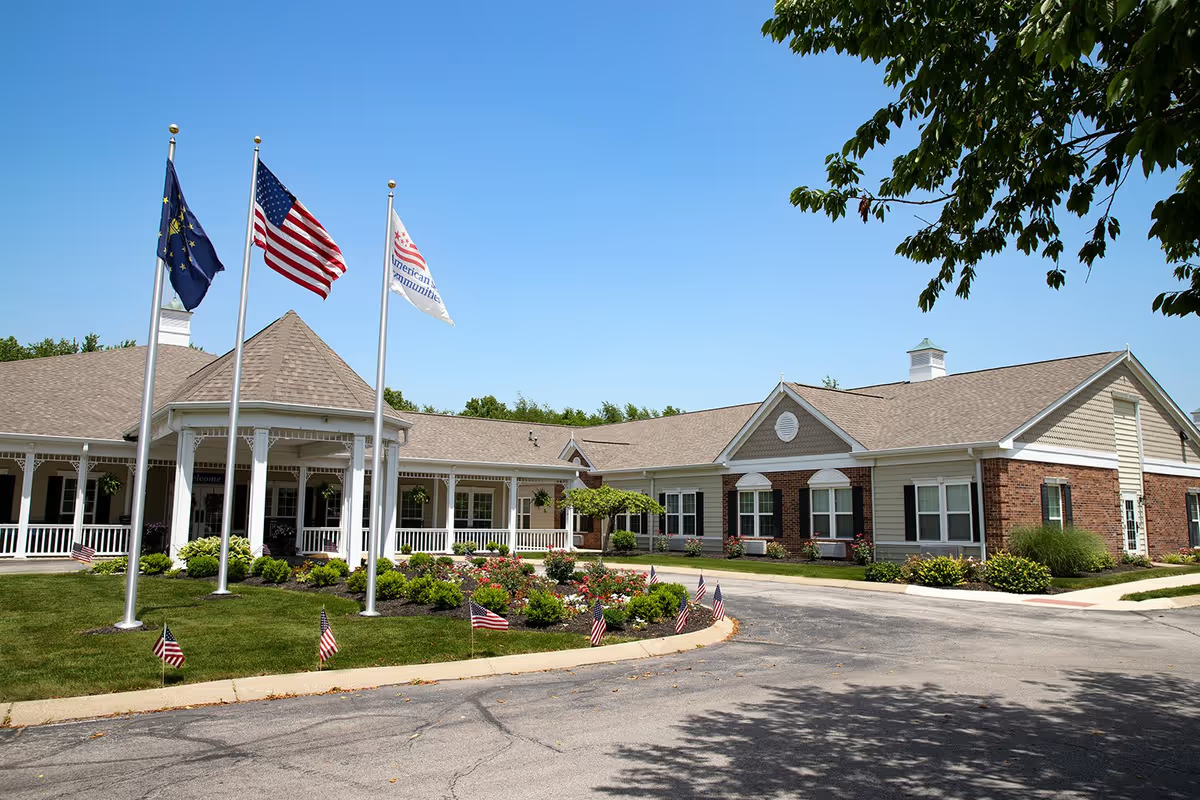
Facilities and accessibility: Physical accommodations are a clear positive: apartment-like units with kitchens and walk-in showers, accessible walkways, and communal spaces that support mobility and socializing. The campus layout, however, is larger in scale, which can require extended walking distances that may be challenging for some residents. The facility’s pet-friendly stance is an additional benefit for those for whom animal companionship is important.
Management and notable patterns: Administrative leadership and front-line management receive favorable mentions for being welcoming and keeping promises; several families cite peace of mind and good communication. At the same time, patterns around staffing levels, nurse availability, and resident-placement assessments surface repeatedly. These operational issues manifest as inconsistent responsiveness and, in a few cases, a mismatch between resident clinical needs and the level of care provided, leading some families to relocate loved ones. Food-service transitions and activity-program variability are other operational areas that occasionally affect resident experience.
Bottom line: Villas of Holly Brook Marshall appears well suited for older adults seeking a clean, social, and affordable assisted living environment with attentive, caring staff and appealing meals. Prospective residents and families should confirm the facility’s capacity for higher-acuity memory-care needs, clarify response protocols for call bells and nursing coverage, and ask about current activity and food-service staffing to ensure the community’s operational status aligns with the prospective resident’s care and mobility requirements.