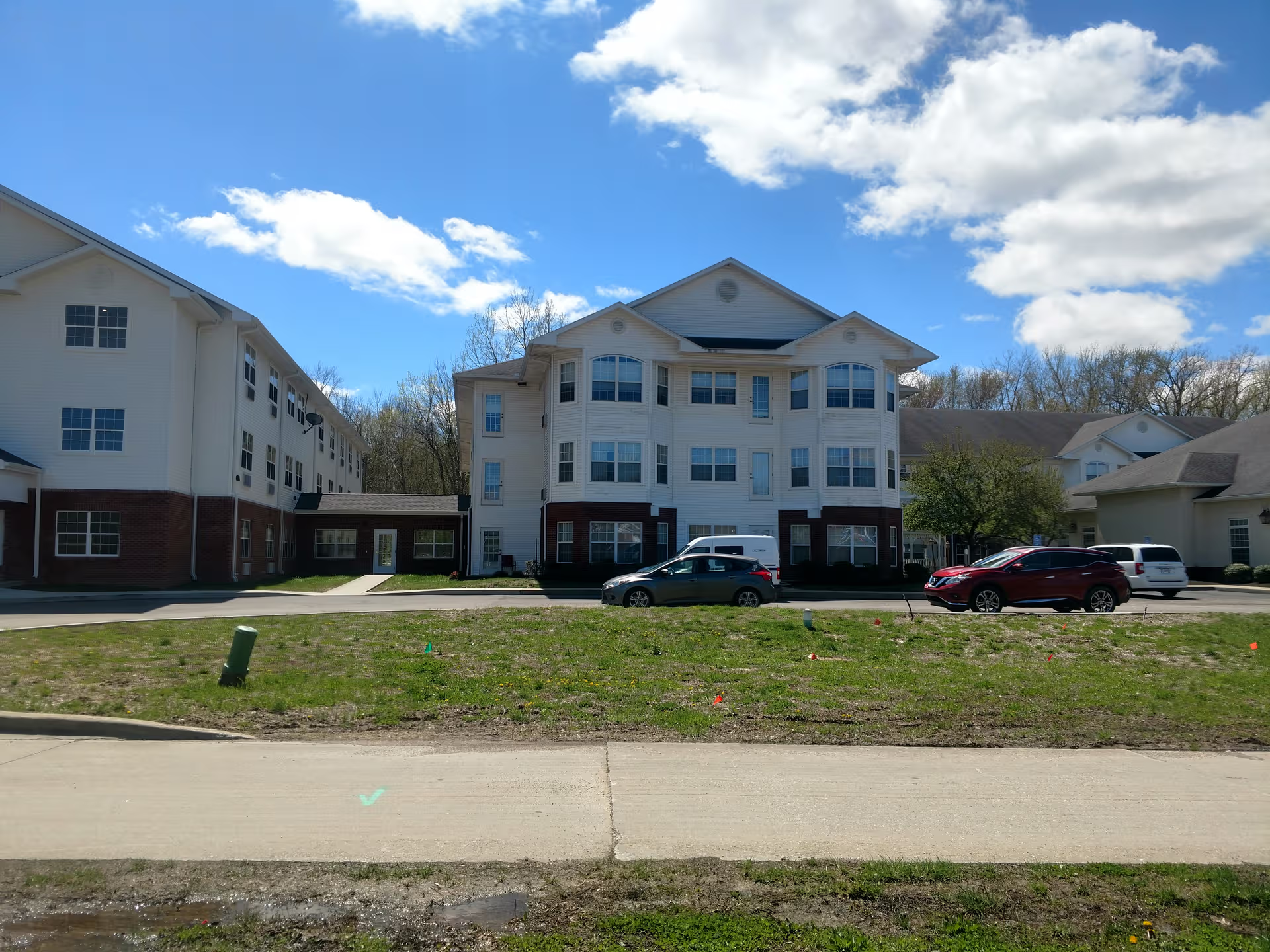
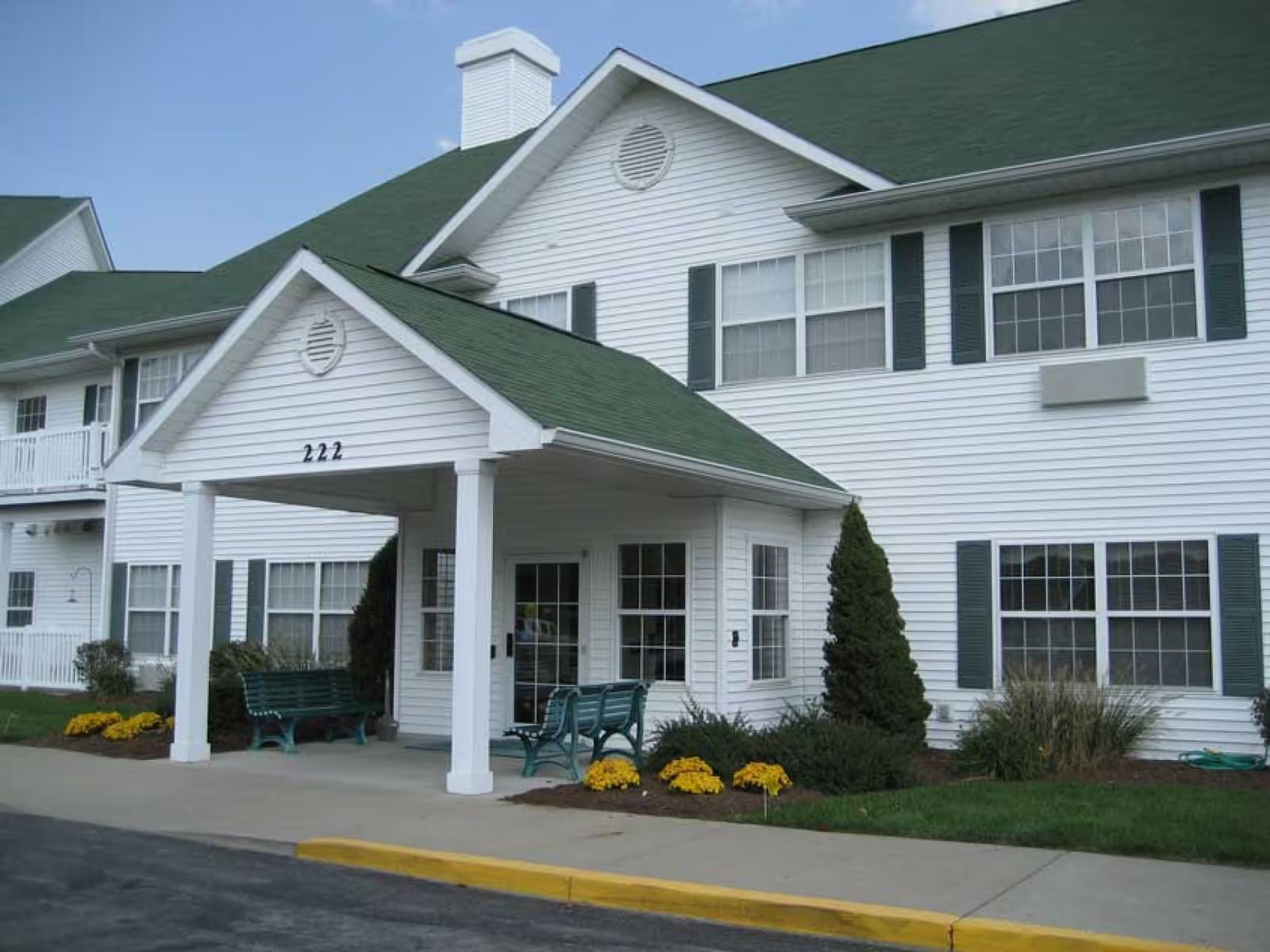
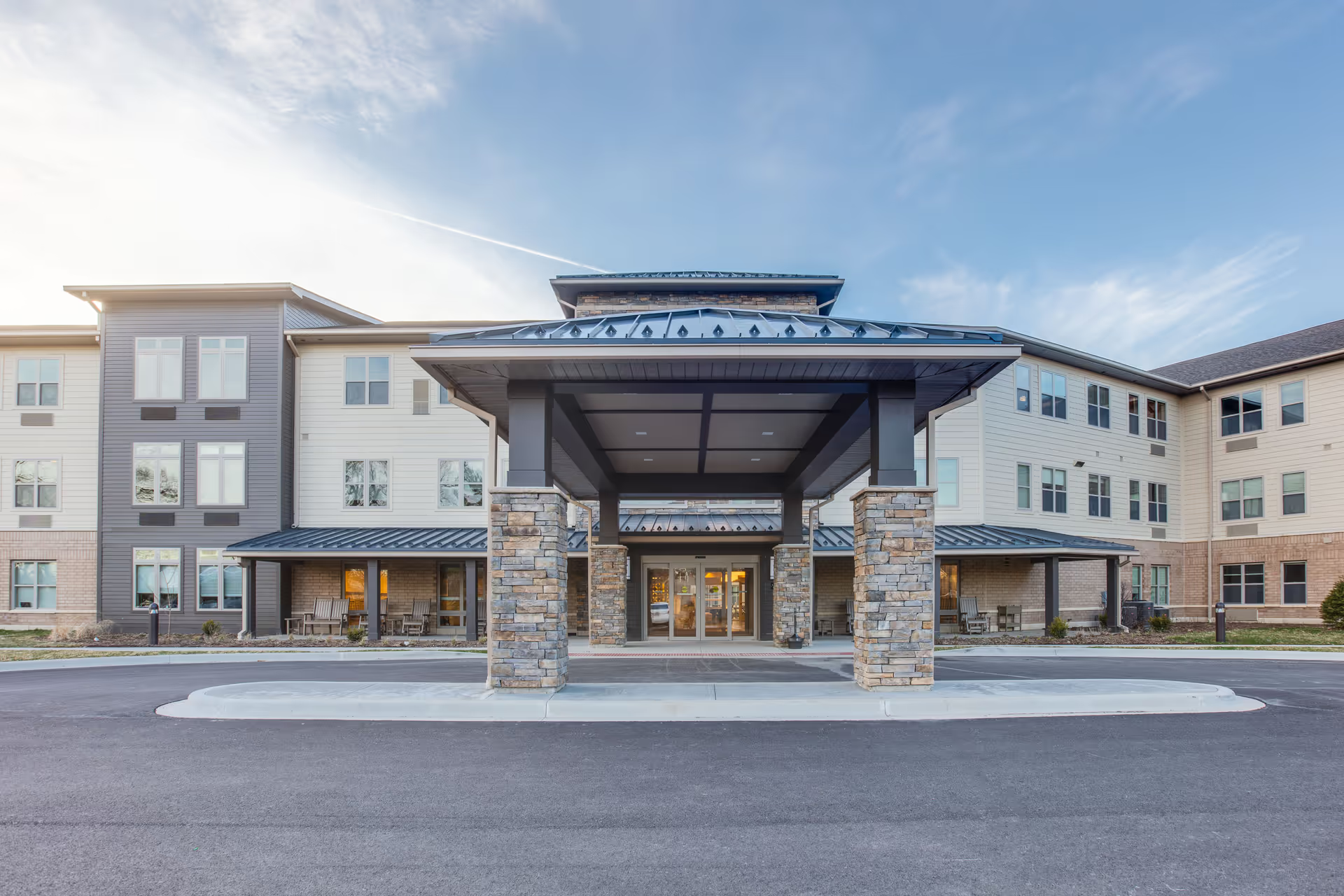
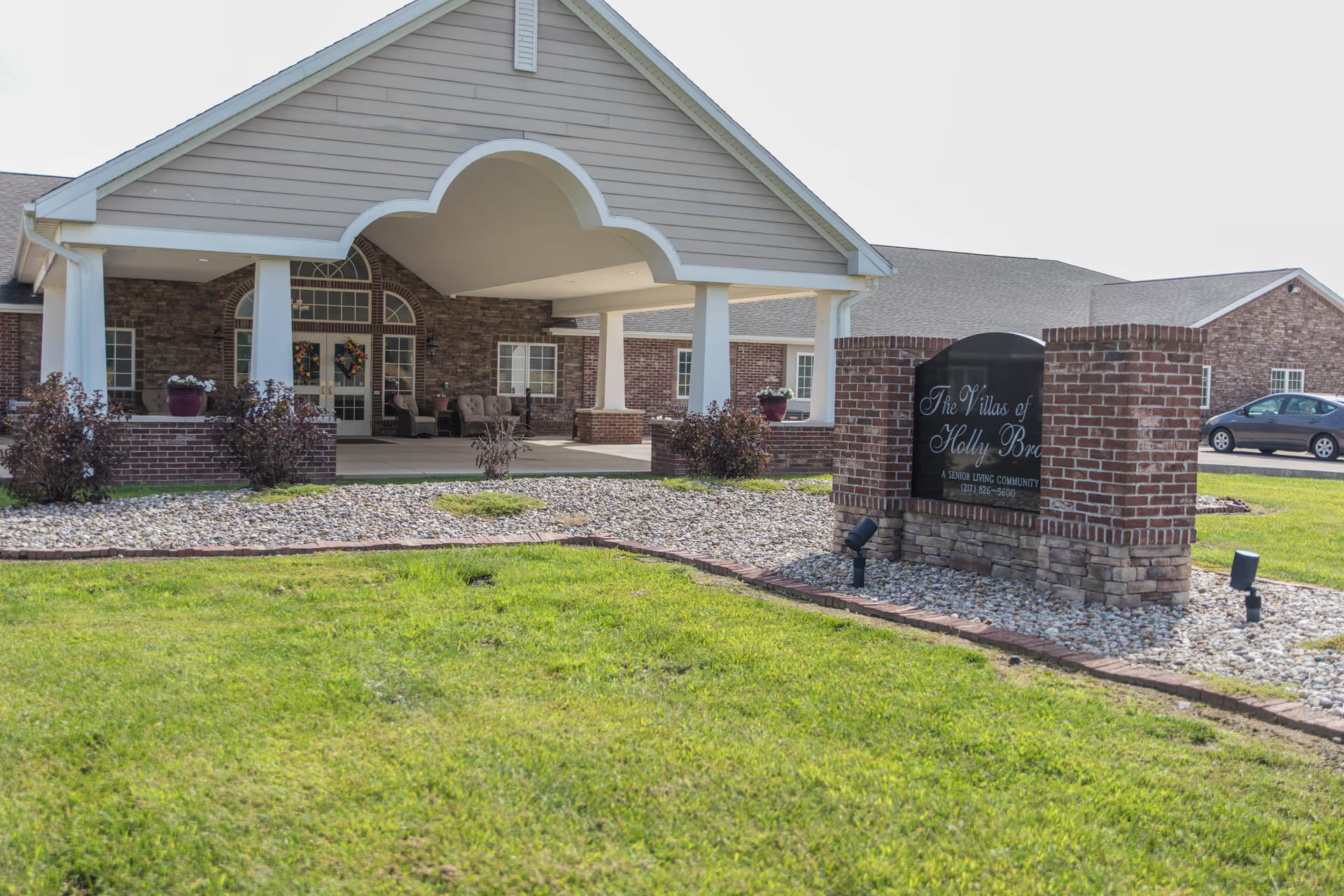
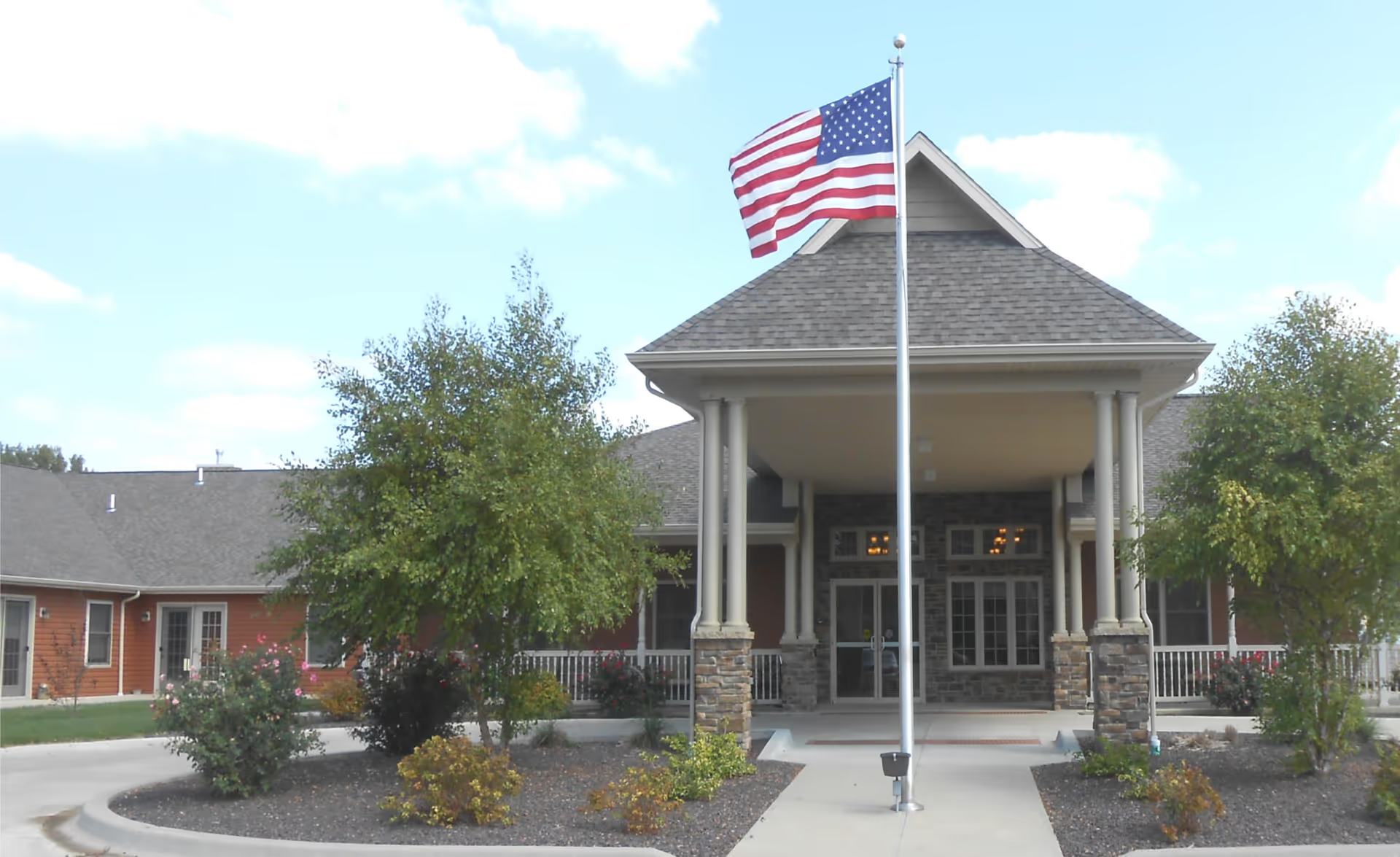
Overall impression: The Commons at Honey Creek is described predominantly as a clean, well-maintained, one-level community with a strong emphasis on person-centered caregiving and an active social program. Families and residents most often highlight the facility’s warm, home-like atmosphere, attentive and affectionate staff, secure memory-care services, and a broad menu of activities. The campus setting (wooded grounds, courtyard, patios) and on-site amenities (dining room, salon, manicure services, theater, ice cream parlor, recreation spaces) contribute to a residential, small-to-mid-sized community feel.
Care and staff: Staffing and direct caregiving are frequent strengths in the reviews. Caregivers are described as compassionate, hands-on, and responsive; many comments note individualized attention, emotional warmth, and assistance with appointments and medical coordination. Memory-care programming is perceived as secure and engaging, with staff keeping residents active and involved. At the same time, a number of families raised concerns about inconsistencies in staff training or conduct in specific support roles; those items suggest variability between individual employees rather than a uniform staffing failure.
Dining and activities: The community offers a broad activity calendar—daily exercise, games, crafts, puzzles, chapel services, and regular outings via van—and many reviewers praised the social engagement these provide. Dining receives mixed but generally positive remarks: portions are described as generous and the dining environment attractive, yet some families noted occasional cold meals and limited lactose-free or other specialized dietary accommodations. Prospective residents may wish to sample a meal and inquire about dietary accommodations and mealtime timing.
Facilities and operations: Physically, the building and grounds are praised for cleanliness, recent updates, and pleasant common areas. Apartments vary in size and layout; bathrooms are frequently described as roomy, while kitchenettes and living areas can be compact. Maintenance responsiveness is reported as timely by many families. However, there are operational concerns to evaluate: reviewers flagged pest-control issues in some units, and several noted the facility’s small kitchen footprints and variability in apartment configuration.
Management and notable patterns: While day-to-day caregiving and programming are commonly cited as strengths, reviews also contain governance and leadership concerns tied to recent ownership changes. There are statements describing influence over powers of attorney and changes to financial arrangements without family consultation; a few families raised serious questions about management transparency and decision-making. There are isolated serious concerns including pest-control reports and issues raised following a resident's death; a small number of reviewers described alleged manipulation of financial arrangements, which families should treat as a high-priority inquiry during a tour. In light of these mixed signals, prospective residents and family members should: tour multiple apartment types, observe a mealtime service, review the community's financial and POA policies, ask about staff training and turnover, request pest-control and incident histories, and speak with current families about recent leadership changes. These steps will help balance the facility’s clear strengths in caregiving and programming against the governance and operational issues some families have experienced.