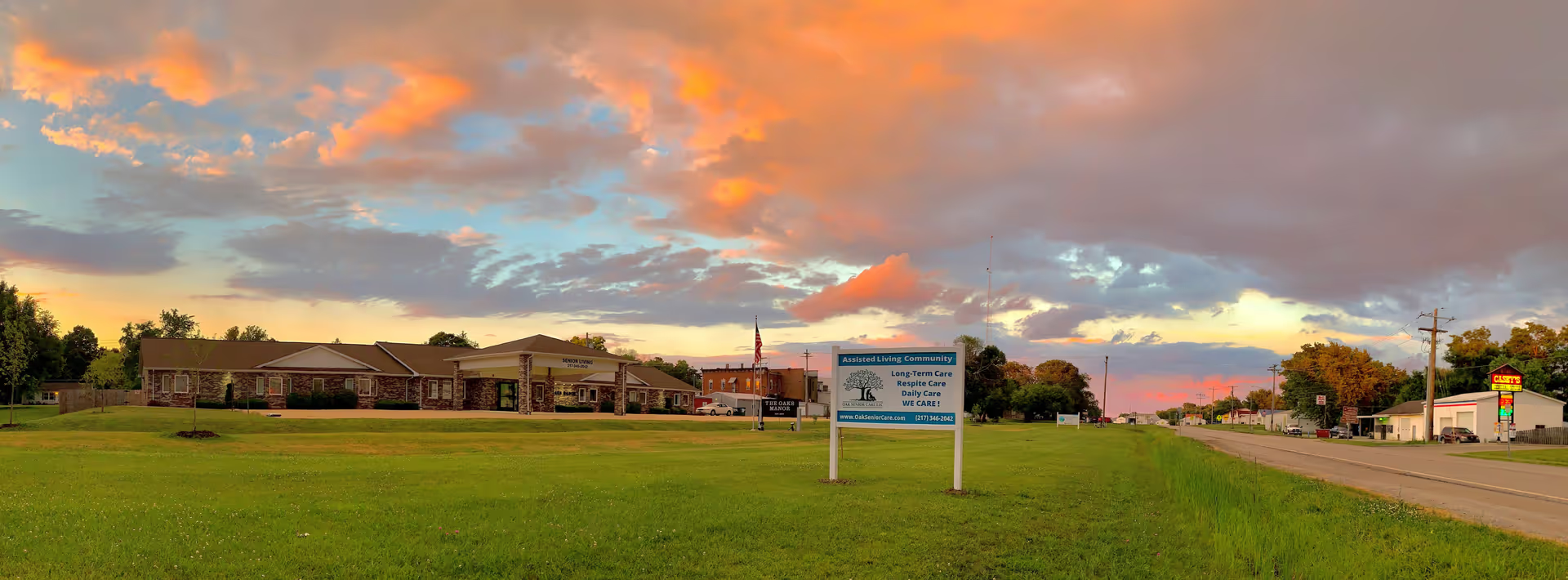
Overall impression: Copper Creek Cottages Memory Care of Mattoon is described as an affordable, well-decorated memory-care community with a generally compassionate caregiving staff and on-site therapy offerings. Families and visitors frequently note clean common areas, in-room amenities such as refrigerators and cable TV, and a director or leadership that is approachable. The community hosts a range of activities and themed social events, and several comments highlight satisfying meals and an active calendar when programming is in place.
Care and staffing: A consistent pattern in the feedback is a contrast between the reported warmth of direct-care staff and operational staffing limitations. Reviewers identify chronic understaffing and limited licensed nursing coverage as recurring concerns. These staffing gaps appear to affect the facility's ability to manage clinical decline in residents with progressing dementia: some families describe the community as better suited for earlier-stage memory care and note that clinical escalations have led to hospital transfers. There is also an operational expectation in some cases that families arrange and pay for private aides to supplement care; prospective families should confirm staffing ratios and the facility's scope of clinical services before admission.
Dining and activities: The dining program receives mixed but generally positive comments on food quality; however, the meal service is described by some as cafeteria-style and not personalized to residents' routines or preferences. Activity offerings are highlighted by several positive examples (bingo, crafts, puzzles, and themed events), yet other accounts describe periods of low engagement or a quieter environment. In short, programming appears available and well-executed at times but may be inconsistent in frequency or resident participation.
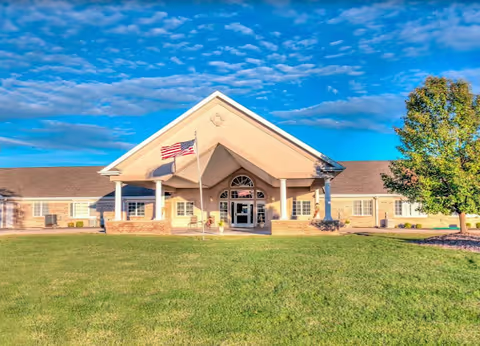
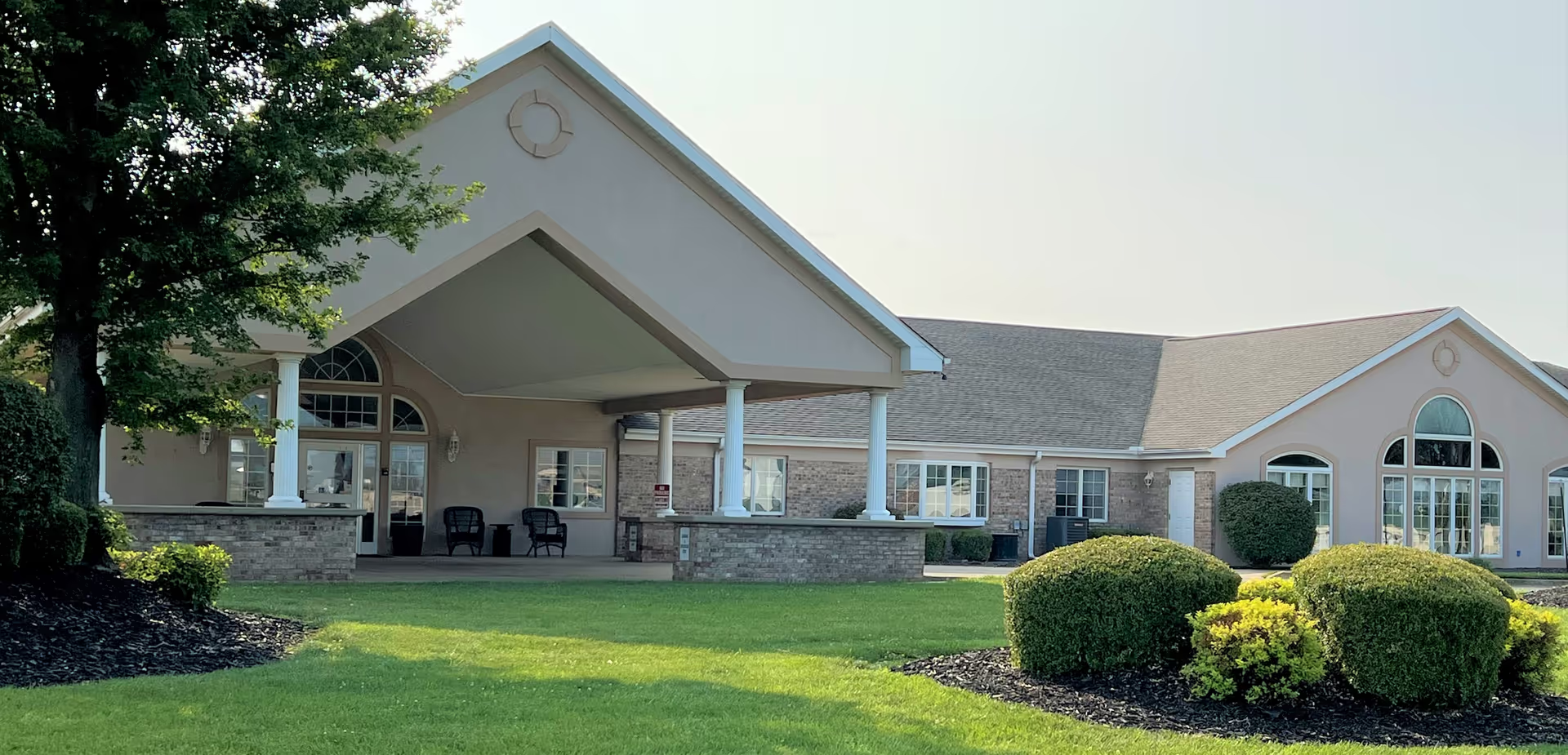
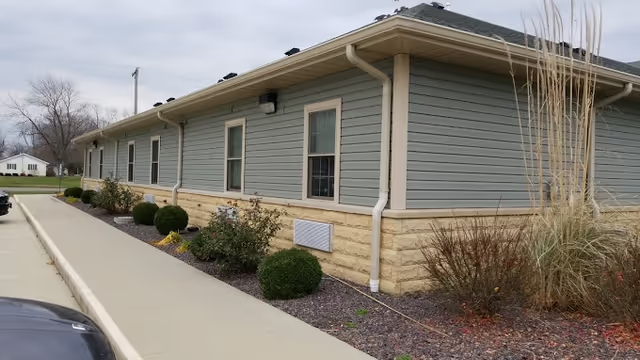
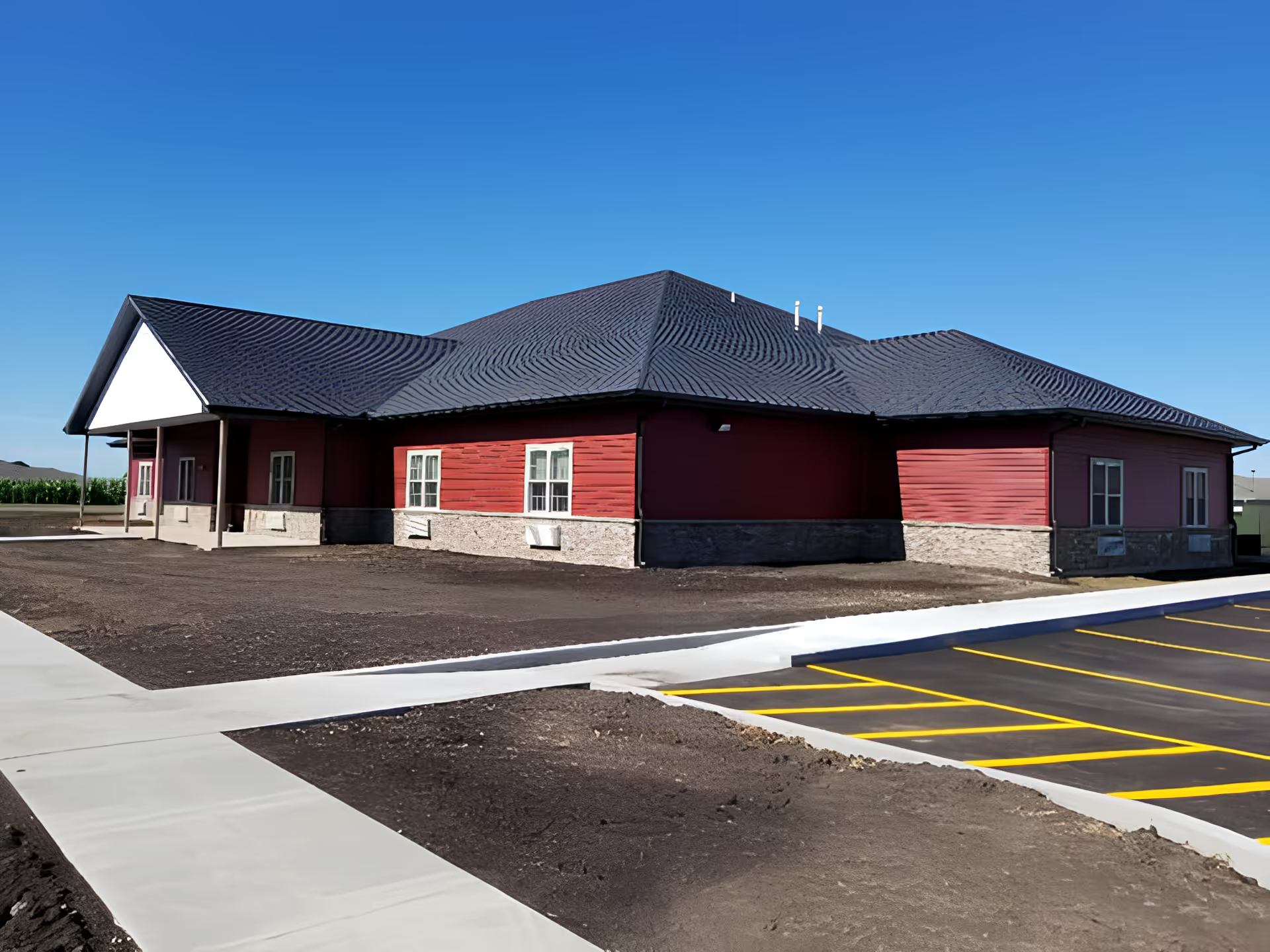
Facilities and management: The physical environment is consistently described as clean and attractively decorated, with amenities that support resident comfort. At the management level, reviewers praise sympathetic front-line staff and accessible leadership, but they also raise concerns about policy changes that are either frequent or poorly communicated. Financial administration and refund handling have been a notable pain point for some families; inquiries into billing practices and the refund process are advisable. Taken together, the pattern suggests a community with strengths in cost, environment, and staff rapport, coupled with operational vulnerabilities in clinical coverage, consistency of programming, and administrative transparency.
Recommendation: Prospective residents and families should consider visiting at different times of day to observe staffing levels and activity engagement, ask for current staffing ratios and nurse availability, clarify the facility's capacity for managing advanced dementia and acute events, and request written policies on supplemental private-aide expectations and billing/refund procedures. These targeted inquiries will help determine whether the community's strengths align with a given resident's clinical and social needs.