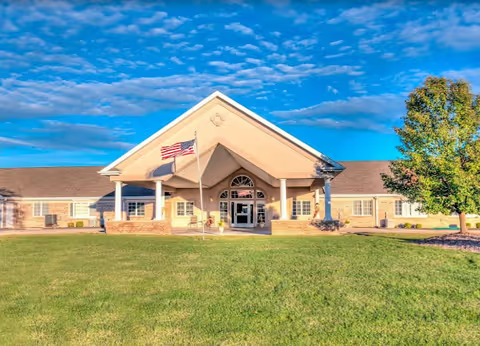
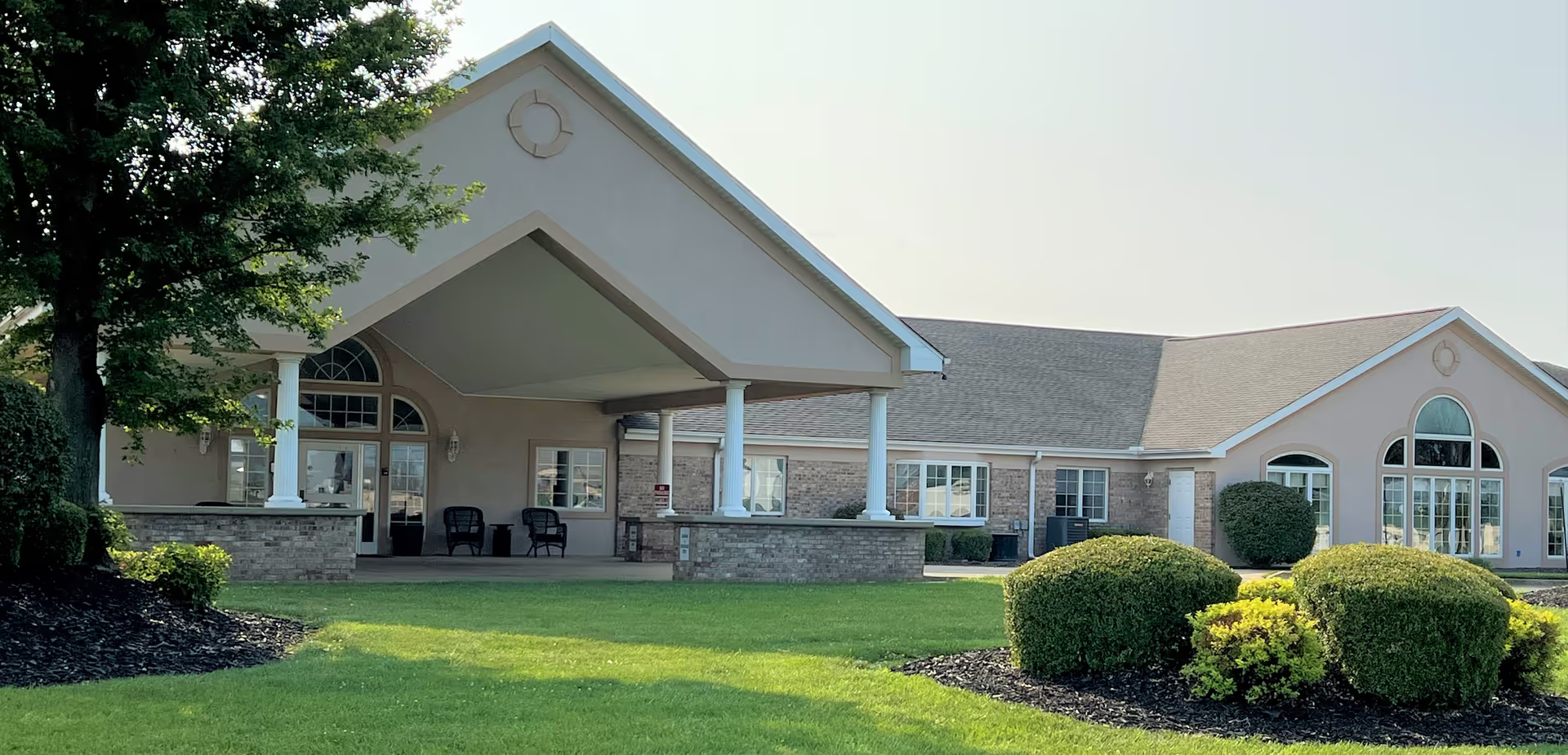
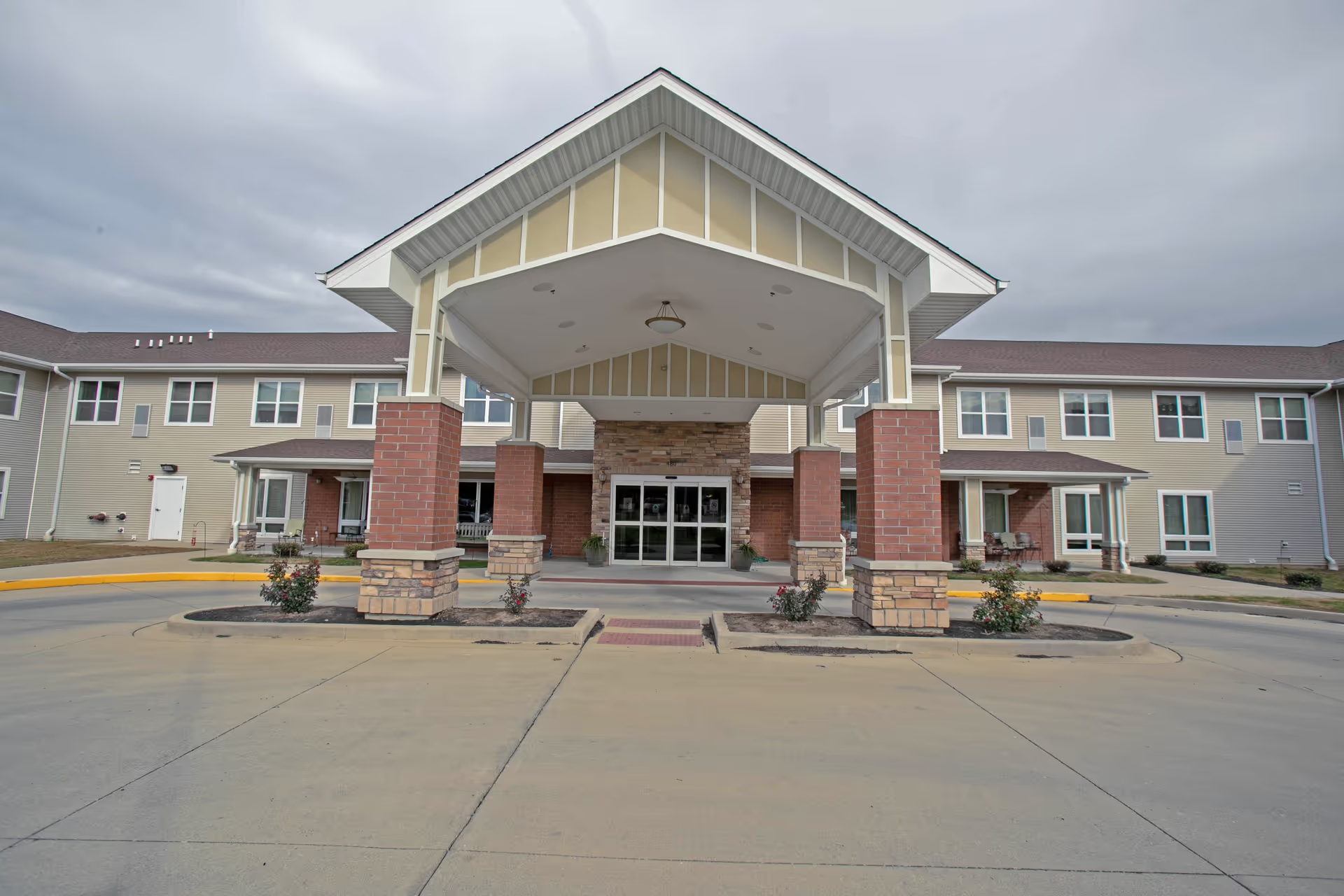
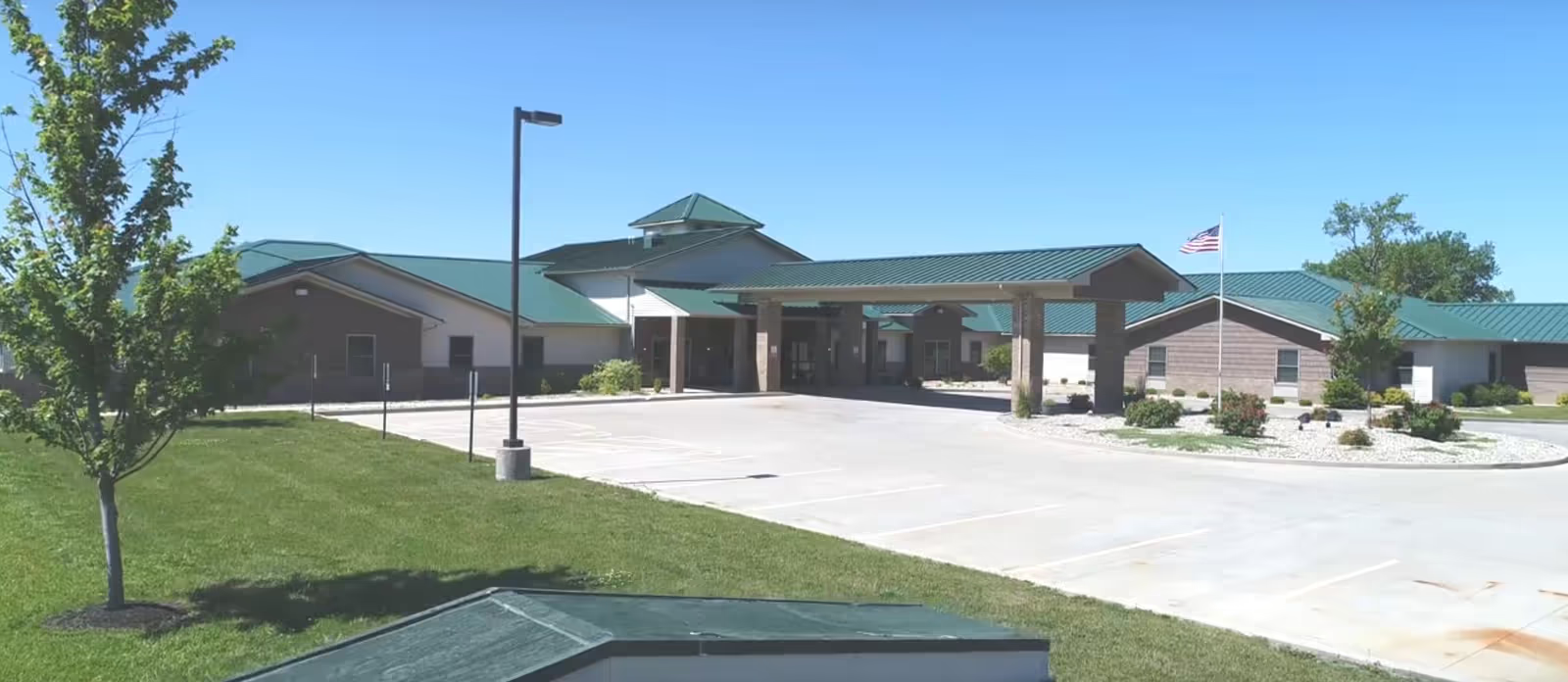
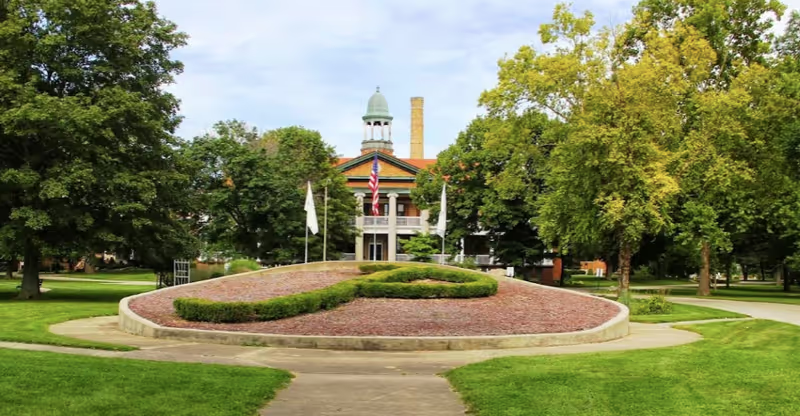
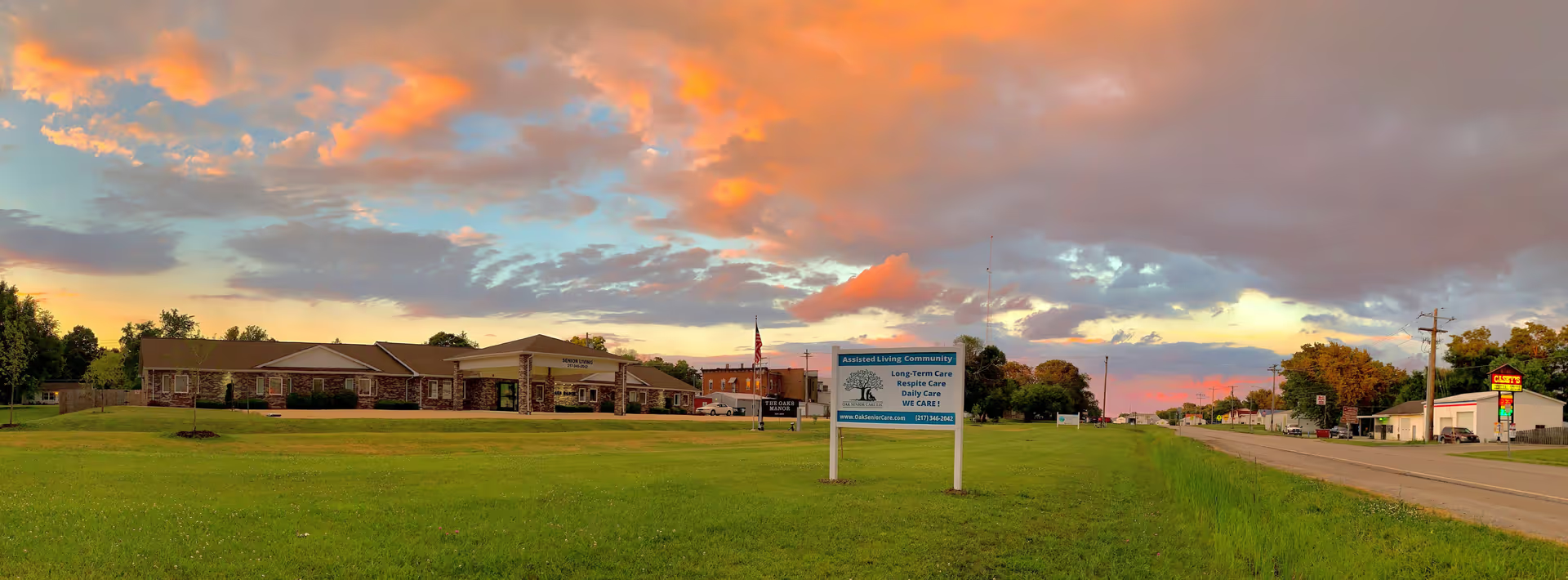
Overall impression: Odd Fellow-Rebekah Home appears to be a large, well-appointed campus with explicit strengths in memory-care and rehabilitation services. Reviewers commonly highlight a specialized Alzheimer’s/dementia unit, a quiet and well-equipped rehab area, multiple dining venues including private dining, and active programming intended to stimulate residents cognitively, spiritually, and physically. Physical spaces are described as attractive, walkable, and generally well-maintained, with several families describing a home-like atmosphere and strong family engagement.
Care and staff: Many accounts praise compassionate, attentive nurses and CNAs, and families report regular communication and support during end-of-life transitions. The rehab team receives consistent positive mention for clinical skill and facility-level organization. At the same time, there are recurring operational concerns about staffing adequacy: reports indicate slow or inconsistent responses to call alerts and delayed assistance during high-need moments. These responsiveness gaps are linked in some reviews to adverse outcomes (falls, skin-integrity issues, and needs unmet at mealtimes), suggesting variability in direct care reliability depending on unit and shift.
Dining and activities: The facility offers multiple dining settings and private dining options, and activities programming is broad — including games, manual-dexterity exercises, walks, and spiritual services — which many families find engaging for residents. However, several reviewers noted inconsistent mealtime support and supervision, raising concerns about feeding assistance and aspiration risk for residents who require help during meals.
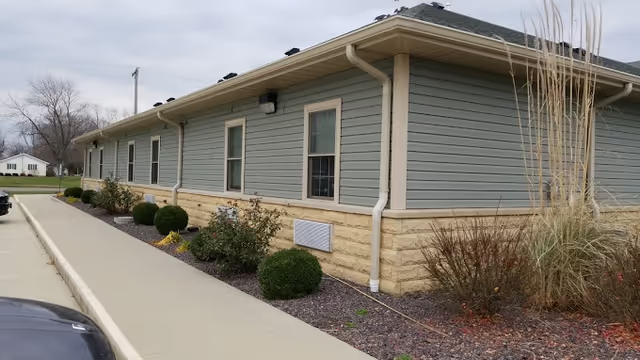
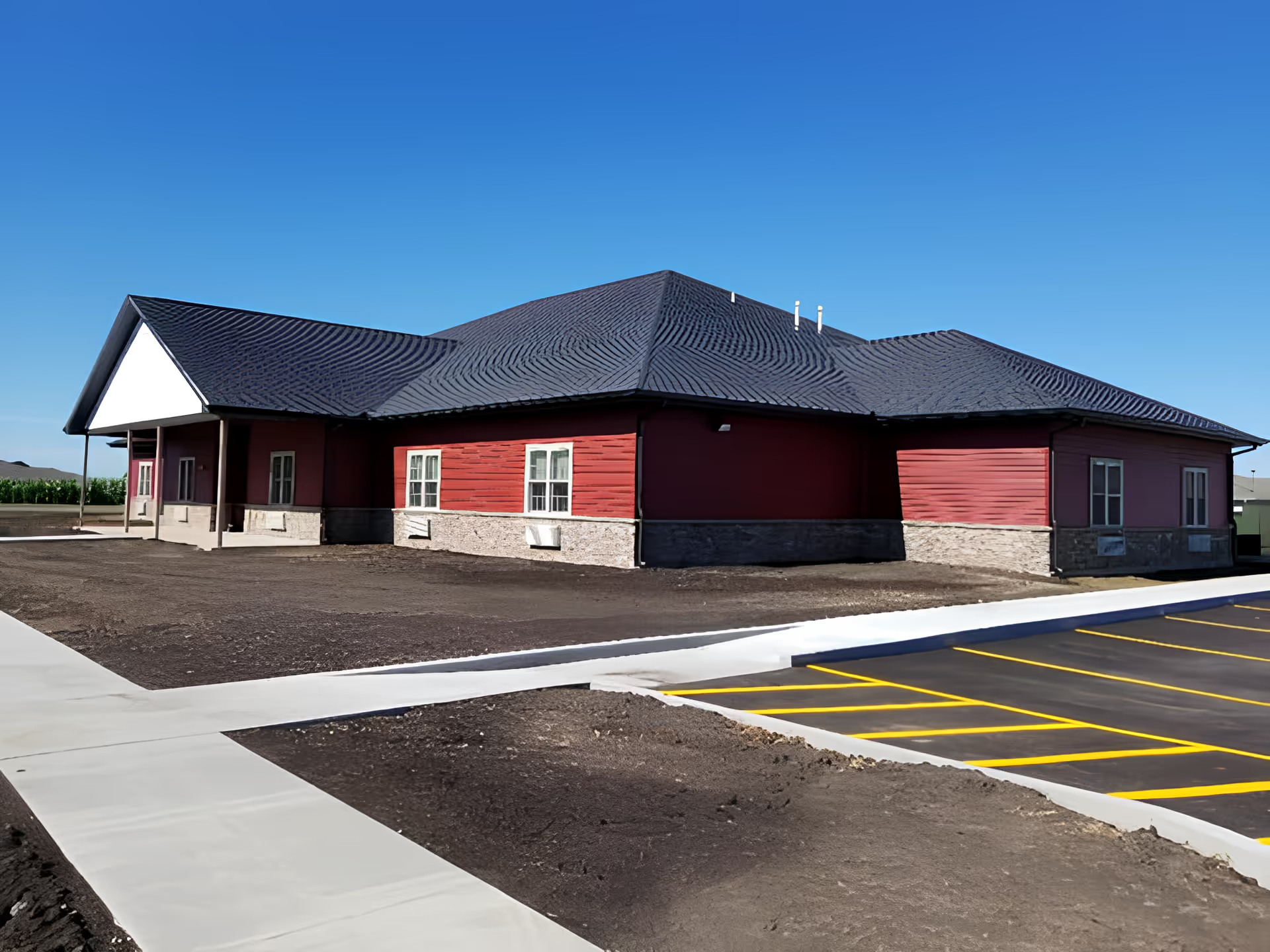
Facilities and accessibility: Physically the campus scores well for appearance, layout, and communal comfort; private and semi-private room options and an outdoor courtyard are positives. Conversely, accessibility limitations were identified in some bathrooms and corridors (narrow aisles, awkward turns) that can impede use of wider wheelchairs and affect independent toileting and hygiene routines. Cleanliness is described positively in many accounts, but there is variability between units, with occasional sanitation and hygiene concerns documented.
Management and notable patterns: Perceptions of leadership are mixed. Several families commend administrators for respectful treatment, regular updates, and family-focused practices. Others raise serious concerns about management conduct and communication, including allegations of coercive conversations around end-of-life decisions. Infection-control performance also shows variability: positive organization in some periods and challenges during outbreaks in others.
What to watch for in a visit: Prospective residents and families should verify current staffing levels and call-response performance, ask about protocols for mealtime assistance and swallowing management, review fall-prevention and transfer procedures, inspect bathroom accessibility for mobility devices, and inquire about recent infection-control practices and unit-level cleanliness audits. It is also reasonable to ask about advance-care planning policies and how the facility documents and communicates consent and end-of-life decisions to families.
Summary judgment: The facility demonstrates clear strengths in specialized memory care, rehabilitation, communal programming, and overall environment, alongside recurring operational weaknesses centered on staffing reliability, mealtime supervision, transfer safety, and unit-level consistency in cleanliness and infection control. An in-person assessment focused on those operational areas will help families determine whether the facility’s strengths align with an individual resident’s needs.