The reviews present a mixed picture of Palm Garden of Mattoon. Many accounts praise individual caregivers, long-tenured employees, and therapy services; other accounts describe operational weaknesses that affect day-to-day resident experience. Prospective residents and families will see both positive and negative themes across care, staffing, facilities, dining, and management.
Care and clinical services: Several reviewers described effective rehabilitative therapies and positive clinical interactions (including specialist access) that supported increased independence for long-term residents. At the same time, there are recurring concerns about inconsistent care quality and clinical oversight. Examples cited include lapses in routine nursing tasks, staffing-related changes impacting care continuity, and instances where families felt clinical needs were not consistently met.
Staff and culture: A sizable portion of feedback highlights kind, accommodating, and responsive staff members, including long-serving personnel who contribute institutional knowledge and a home-like atmosphere. Conversely, other comments raise concerns about staff conduct and communication tone during resident interactions, as well as gaps in training and performance accountability. Staffing levels and scheduling practices were frequently mentioned as contributing factors to variability in care.
Dining and activities: Dining quality appears variable: some reviewers found meals unsatisfactory, while others did not comment on food services. Social and recreational experiences were mentioned in positive terms by those who described a pleasant, home-like environment; however, there are indications that meal-service continuity and dining satisfaction may be inconsistent.
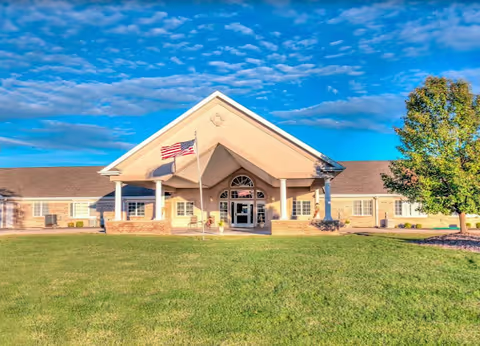
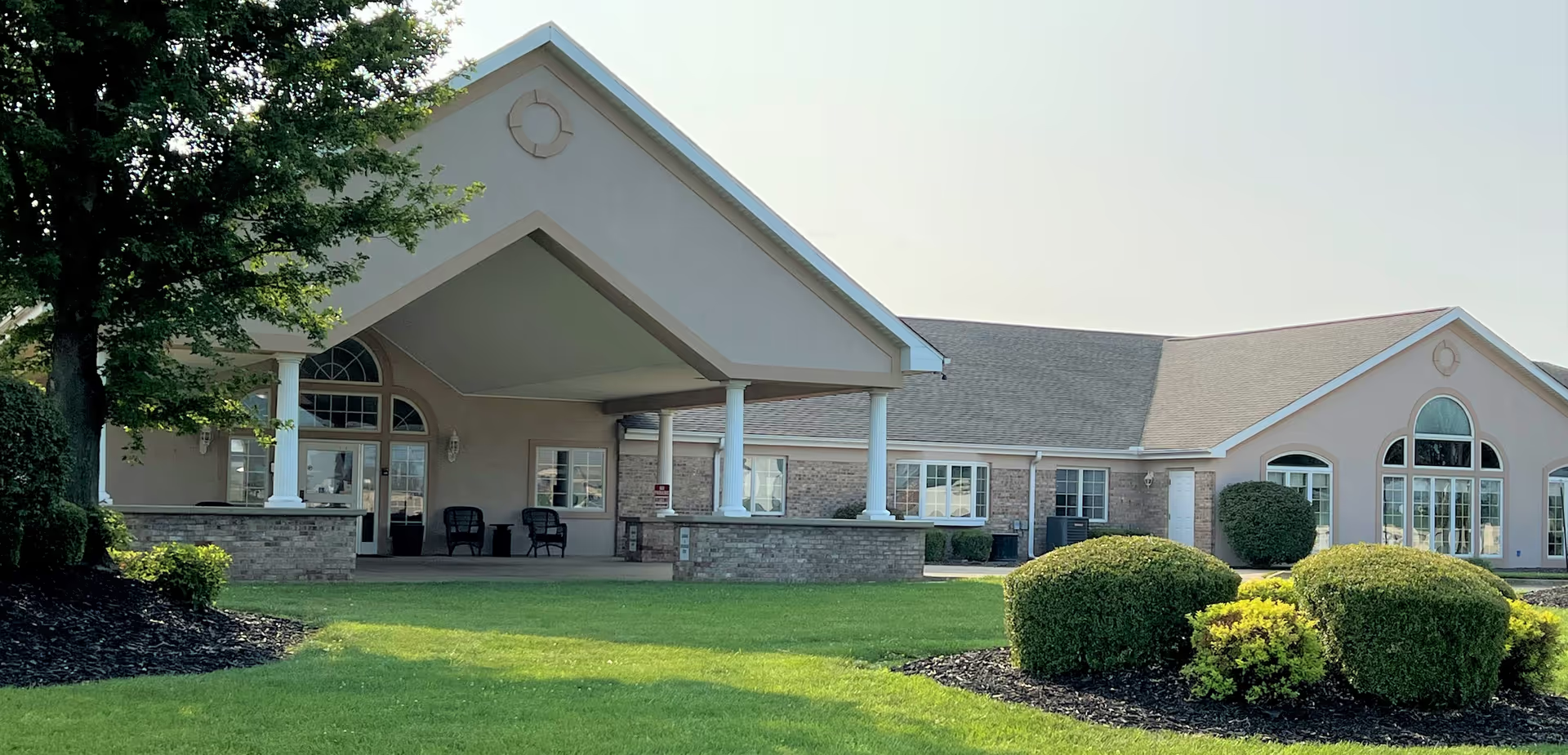
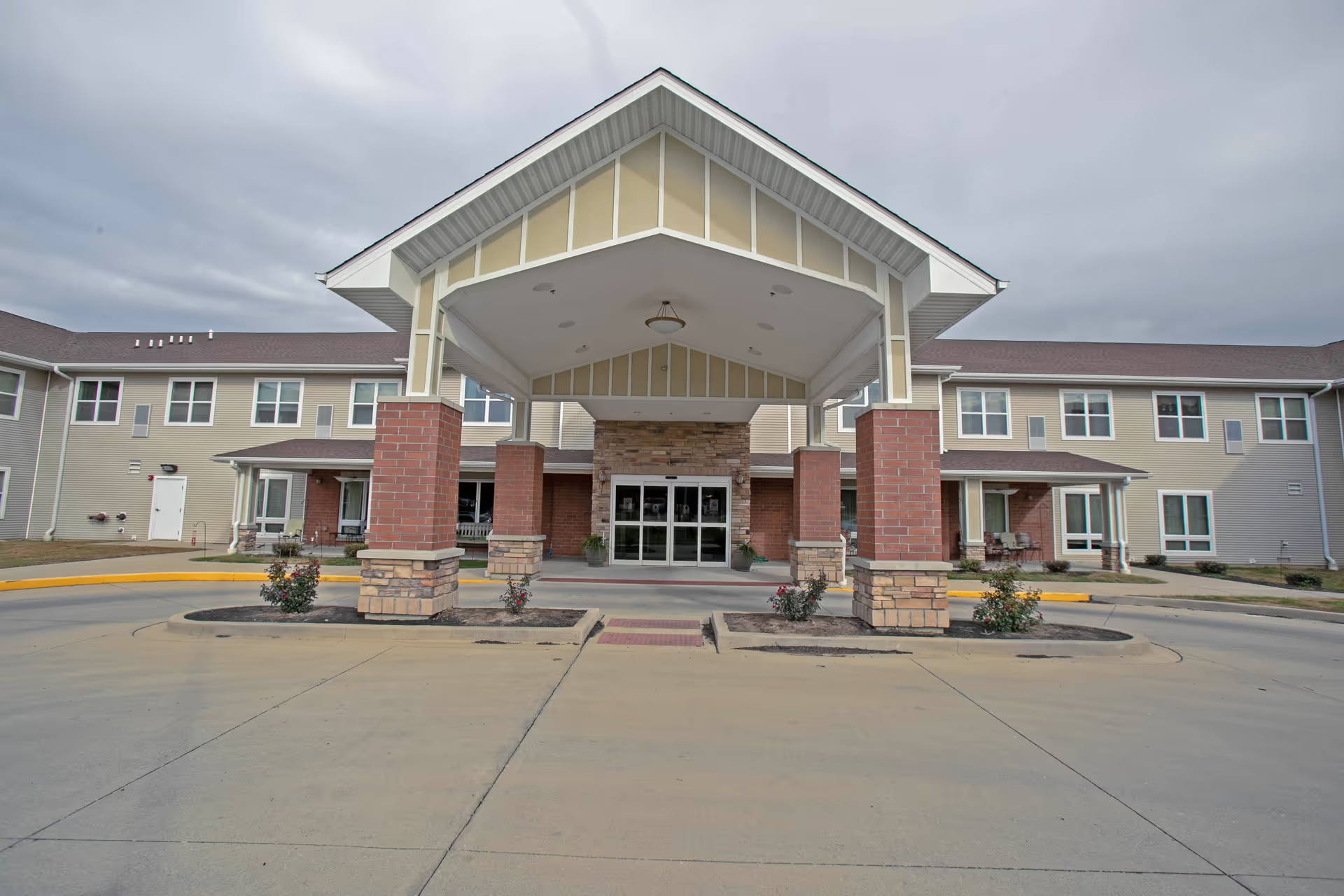
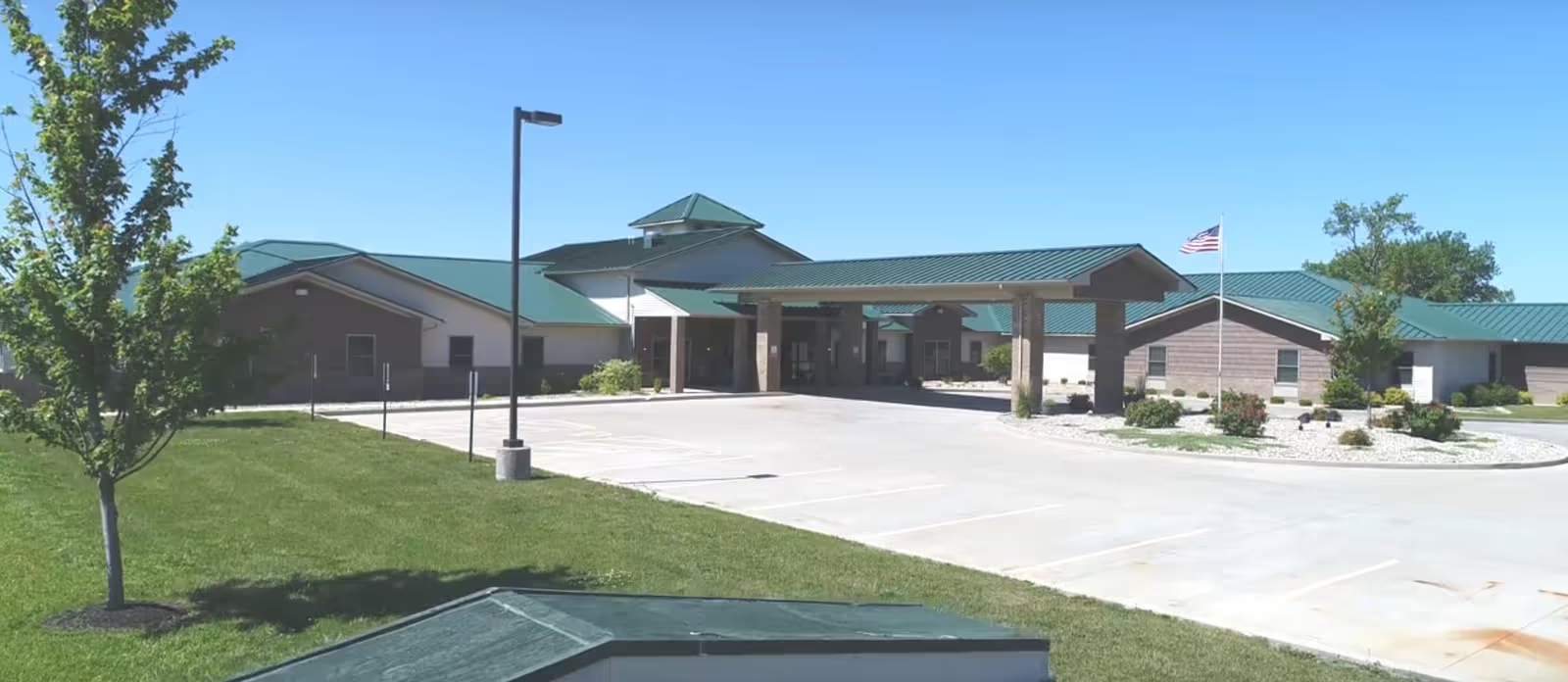
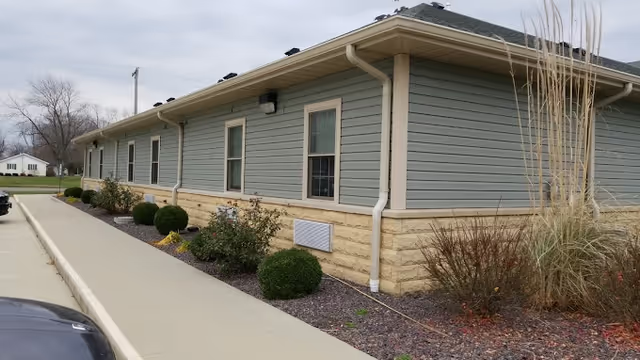
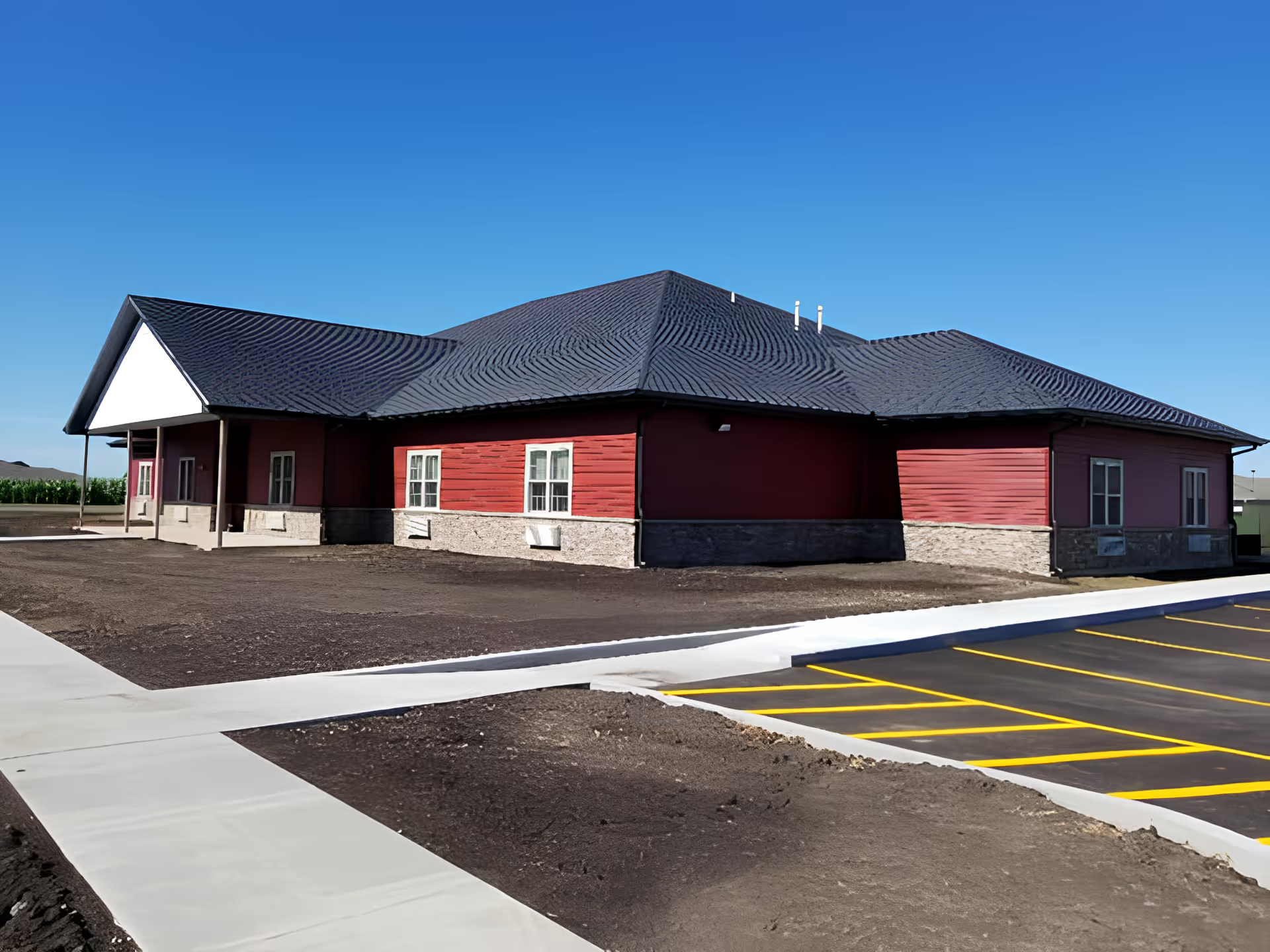
Facilities and sanitation: The physical environment is described positively by many—clean, attractive resident rooms and welcoming common areas are noted. At the same time, other reviewers raised sanitation concerns in some areas and referenced pest-control issues. These contrasting reports suggest uneven maintenance or variability by unit or time period.
Management and administration: Opinions about leadership are mixed. Some reviewers singled out engaged, supportive director-level staff and long-term leadership as strengths. Others described weak issue escalation, perceived inattention to certain complaints, and administrative irregularities, including payroll and staffing-practice concerns. These management-level issues were often cited as contributing to operational instability and family frustration.
Notable patterns and guidance: The dominant pattern is polarity—many strongly positive personal experiences with specific staff and therapy services coexist with persistent operational complaints about staffing, sanitation, dining, and administrative responsiveness. For families considering this facility, recommended areas to probe during a visit include current staffing ratios and scheduling practices, approaches to staff training and performance oversight, procedures for handling resident personal items and mail, cleaning and pest-control protocols, dining menus and meal-service continuity, and processes for complaint escalation and resolution.