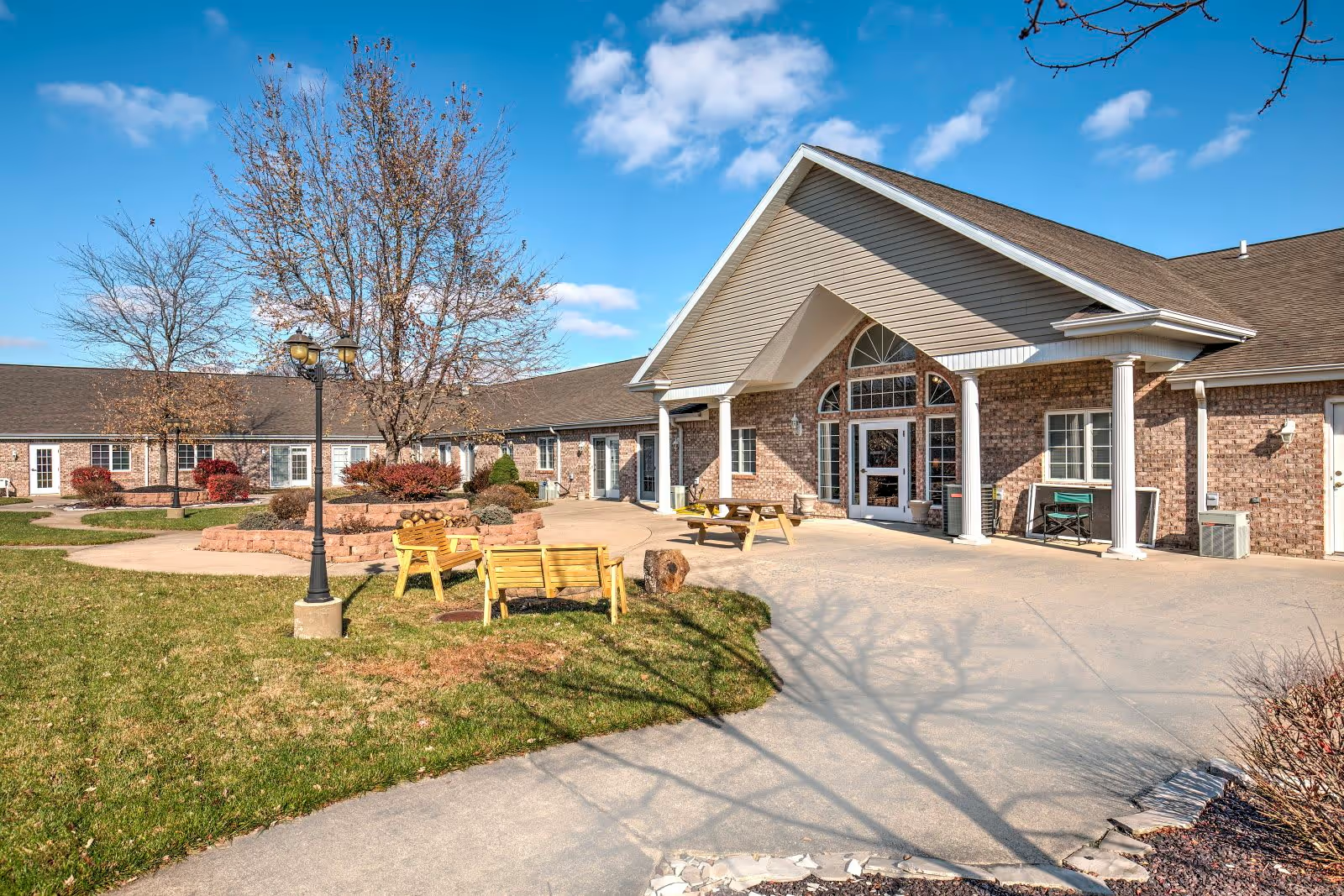
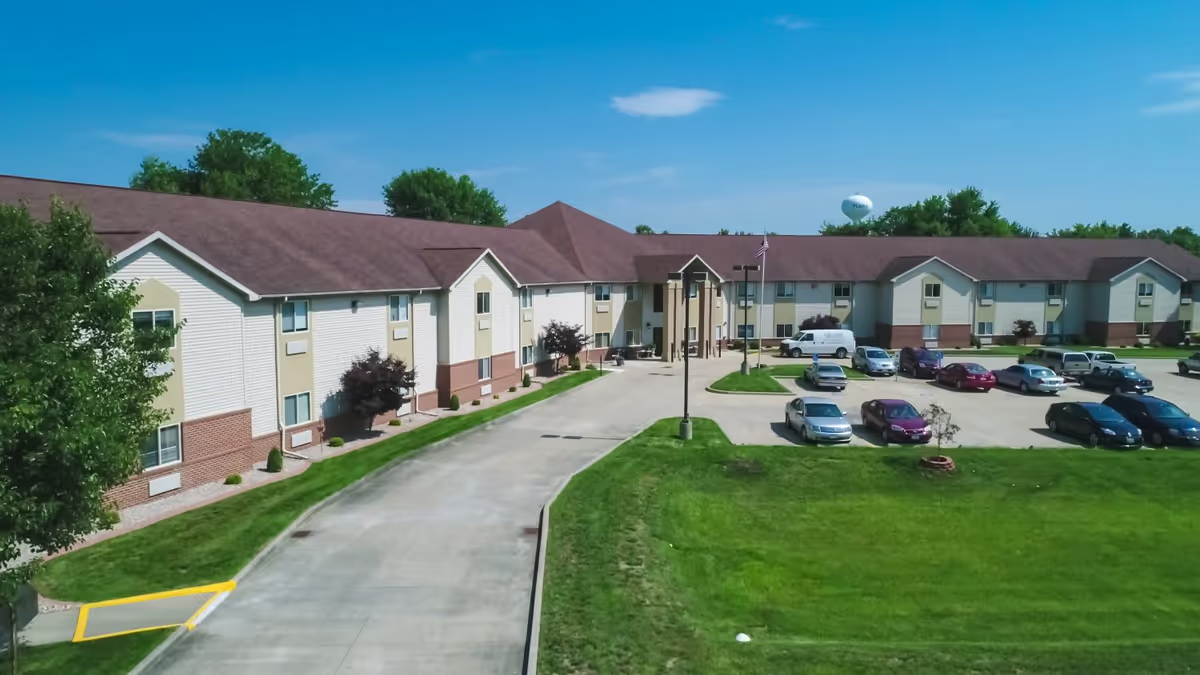
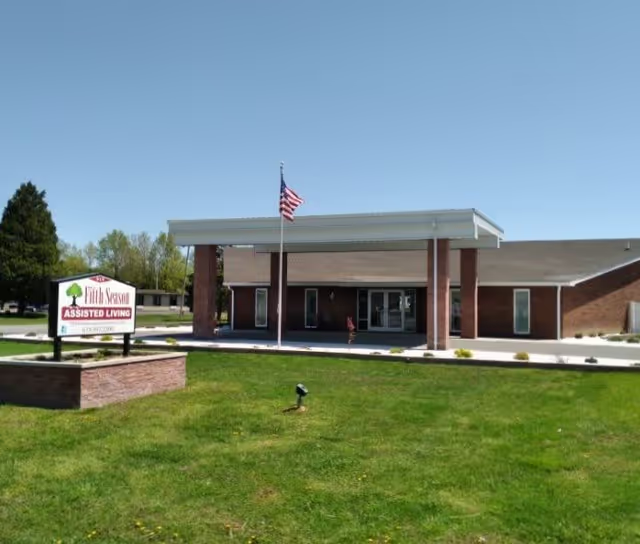
The reviews describe a facility with clear strengths in staff compassion, therapy services, and many aspects of the physical environment, alongside a subset of serious operational concerns. Positive feedback centers on caregiving personnel—several reviewers praised kind, hardworking nursing and caregiving teams and highlighted an effective social-work staff. Therapy and rehabilitation services receive consistent positive mention. Common areas and resident rooms are often described as tidy and pleasant, with a generally agreeable dining atmosphere and a variety of menu choices that many residents found acceptable.
At the same time, several reviewers described incidents that point to gaps in clinical monitoring, emergency response, and medication oversight. Examples include acute respiratory events requiring ambulance transfer and alleged medication errors; these accounts suggest inconsistent implementation of safety protocols and follow-up monitoring. Reviewers also expressed concerns about possible over-sedation or insufficient monitoring of medication effects. These items, while not uniformly reported, indicate areas that warrant close attention from families and regulators given their potential impact on resident safety.
Housekeeping and supply management show a mixed picture. While many reviewers noted clean lobbies, uncluttered hallways, and well-kept rooms, others raised sanitation concerns and inconsistent cleaning frequency in some areas. There are also reports of shortages of basic resident supplies. Together these suggest variability in housekeeping schedules and inventory controls rather than uniformly poor facility condition.
Dining is generally viewed positively in terms of atmosphere and variety, and some families reported good intake and satisfaction with meals. However, there are also reports indicating problems with meal suitability for residents with specific dietary needs (for example, inappropriate sweets for residents with diabetes), suggesting gaps in dietetic oversight or meal-planning consistency for clinical diets.
Staff performance appears uneven: many reviewers describe respectful, attentive caregivers, while others describe limited responsiveness and communication difficulties with staff. Some comments reference a perceived decline in certain operational standards after the COVID-era, pointing to potential lingering staffing or process challenges. Access to communication with family members was also noted as limited in some accounts, which can affect family involvement and oversight.
Overall impression and guidance: Mt Vernon Countryside Manor demonstrates notable strengths in compassionate caregiving, therapy/rehabilitation, and many aspects of facility upkeep. However, reviewers raise credible concerns about clinical-monitoring consistency, medication management, housekeeping regularity, dietary management for clinical needs, and resident-family communication. Prospective residents and families should weigh the facility’s rehabilitative and social-work strengths against these operational risks. Recommended due diligence includes asking about staffing levels, emergency-response protocols, medication reconciliation and oversight processes, dietary accommodation procedures, housekeeping schedules and audits, and how family communication and phone access are supported.