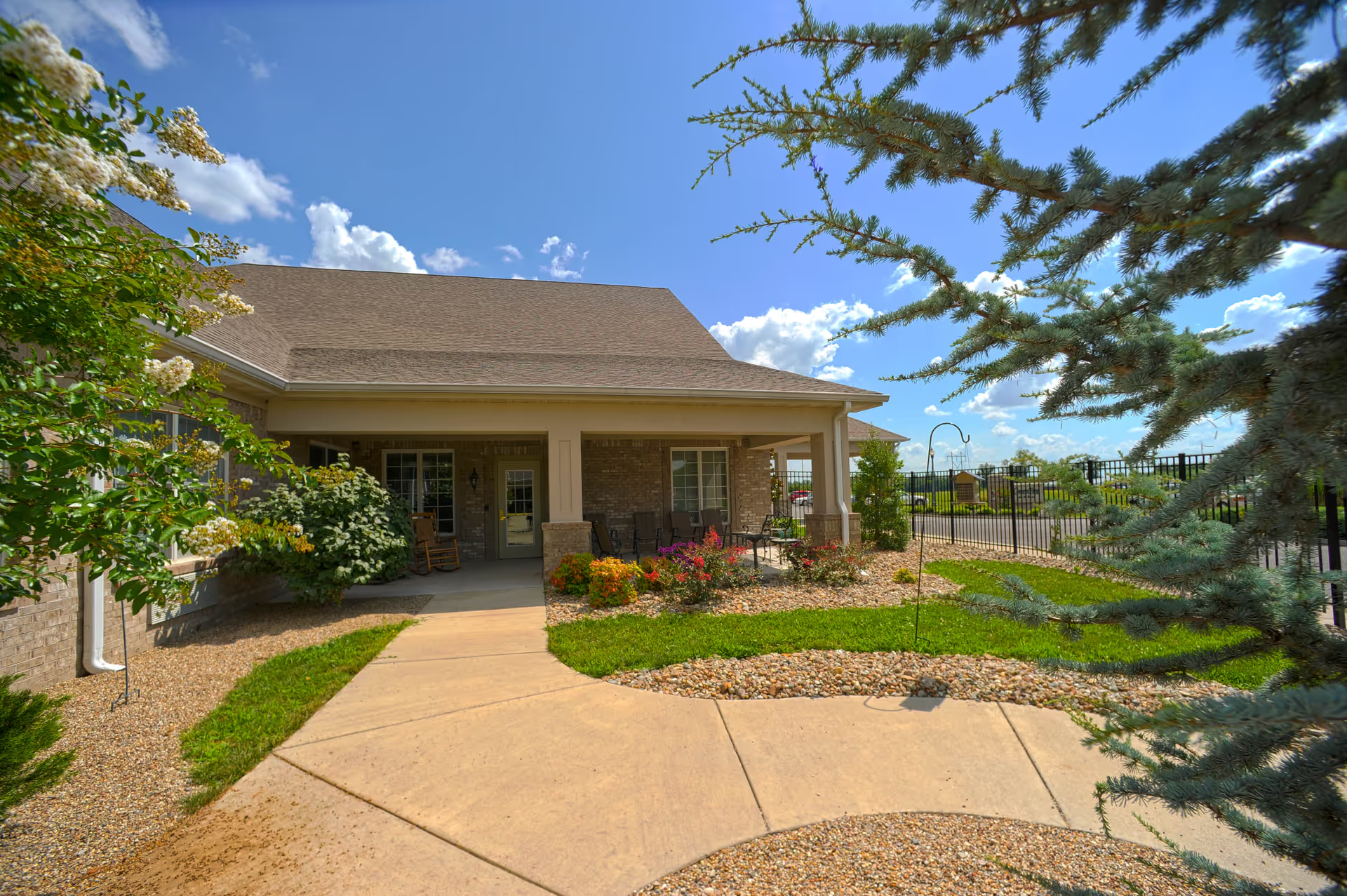
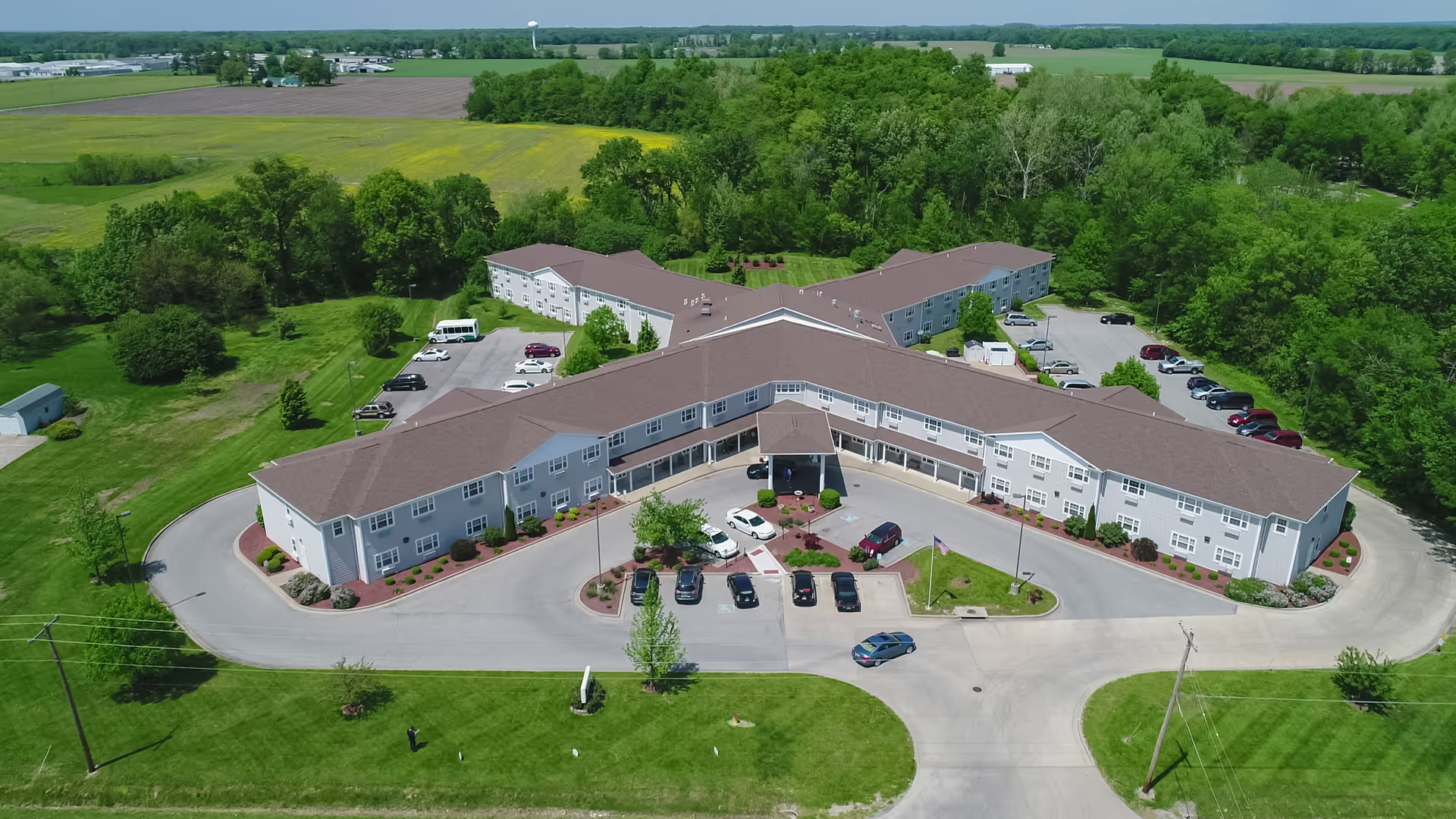
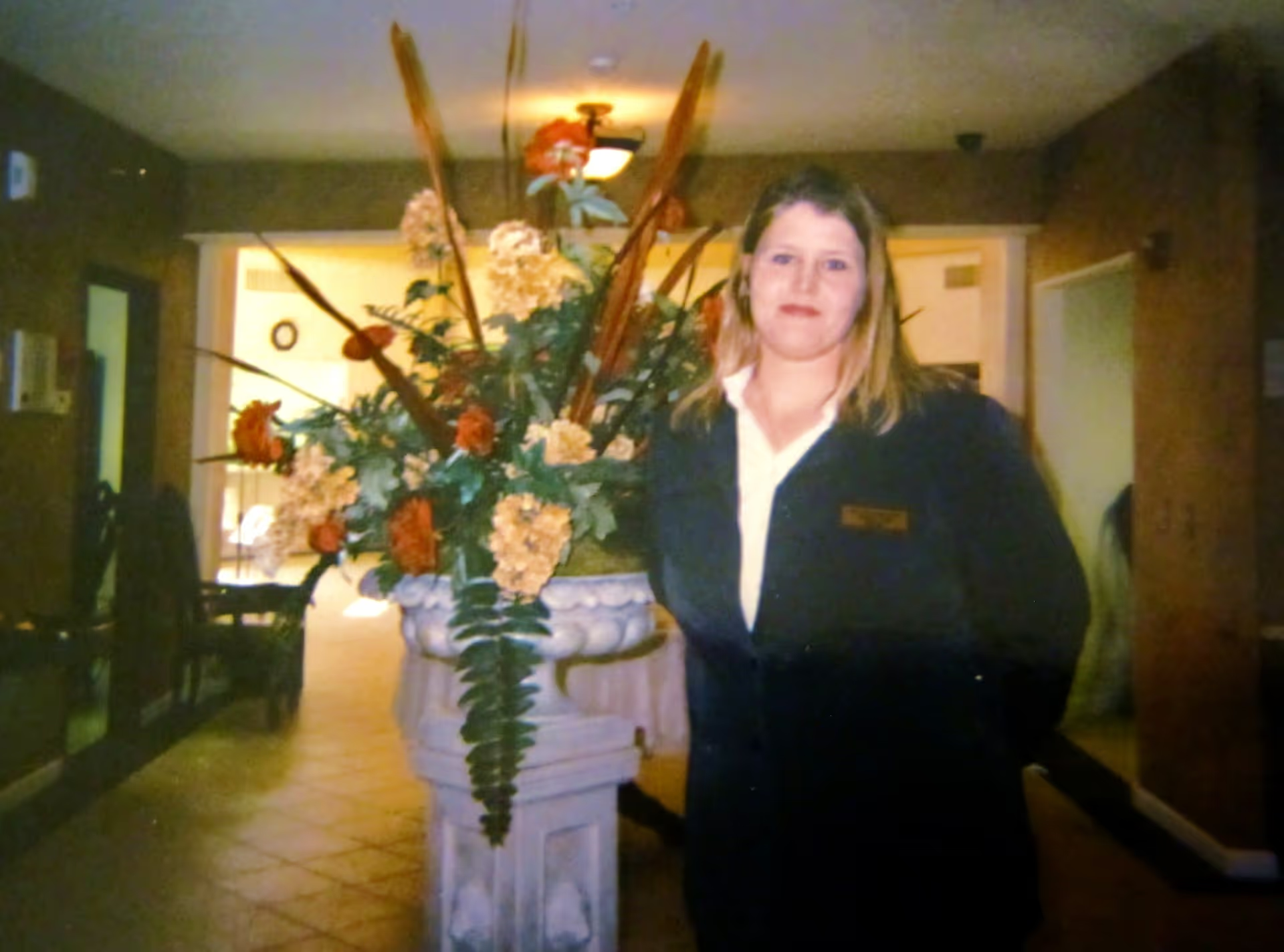
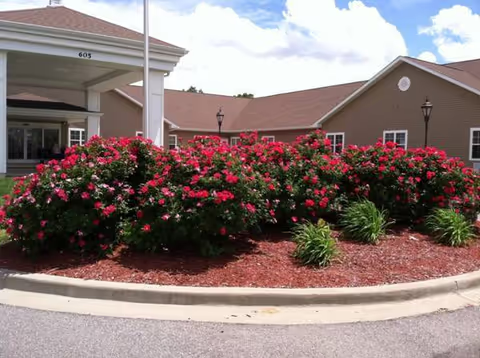
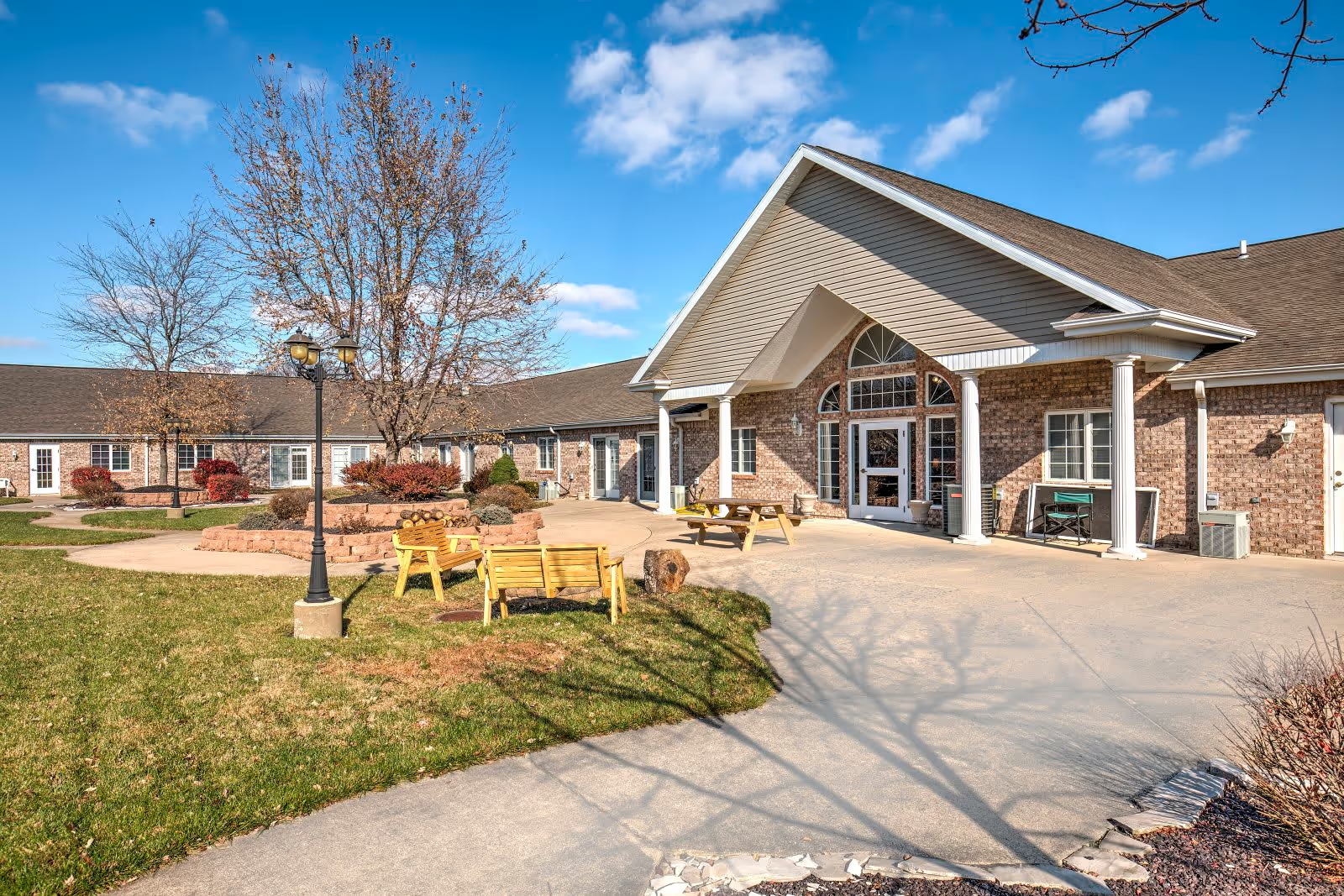
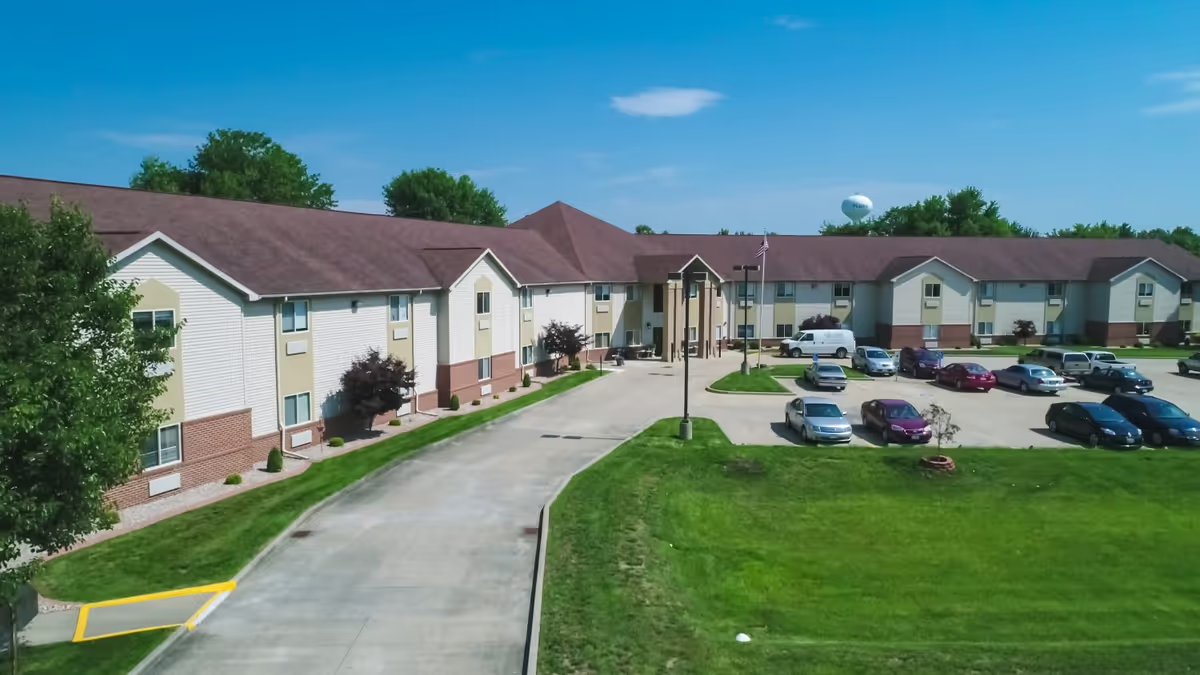
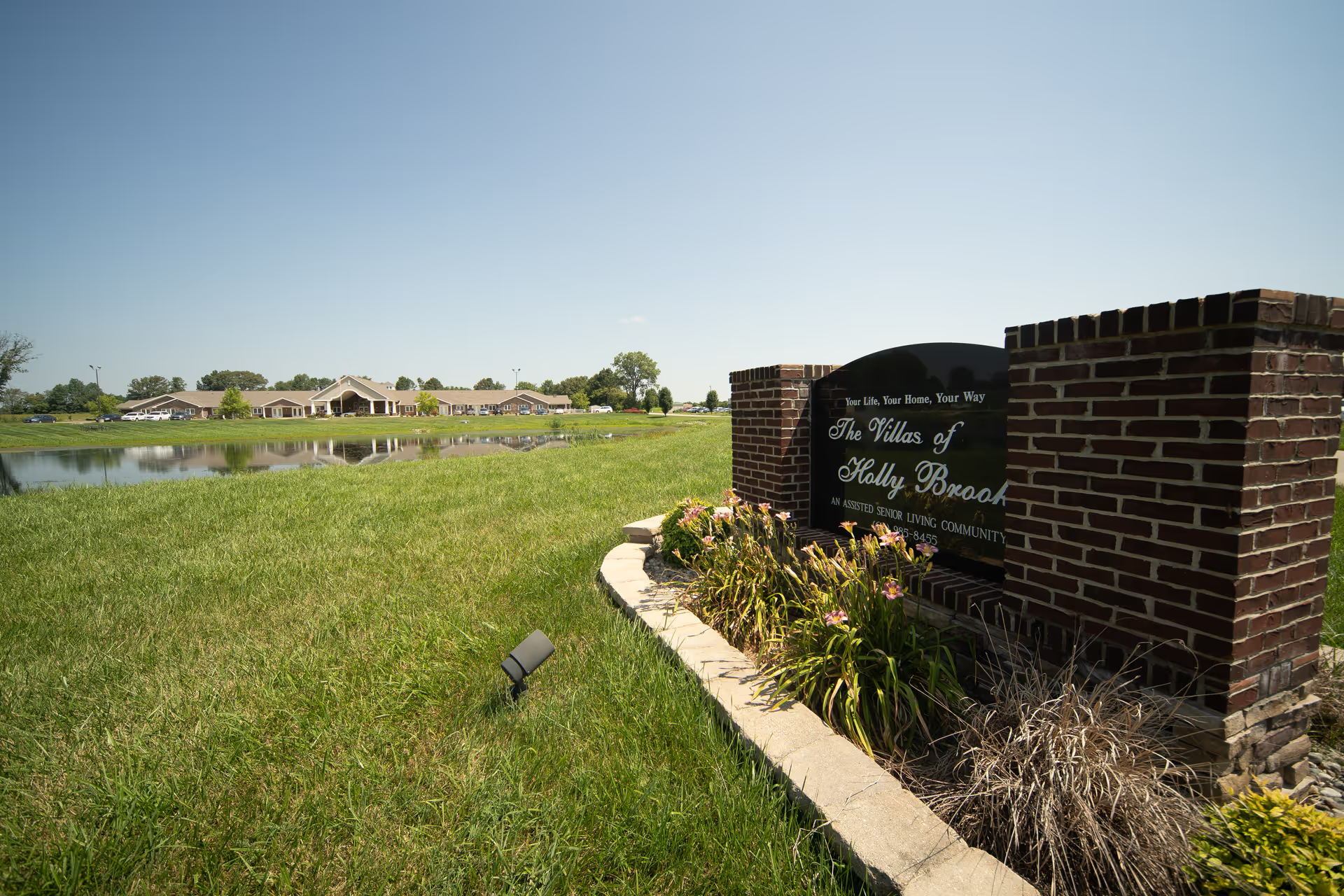
Nature Trail Health and Rehab Center elicits strongly mixed impressions. Many accounts describe a warm, home-like environment with compassionate, resident-focused staff and a visible administrative presence. The facility is noted for active therapy and rehabilitation services, a full-time activities director who organizes games, holiday events and community visits, and an engaged spiritual and civic presence. Reviewers frequently praise the friendly social environment, accessible gathering areas such as a sunroom and beauty parlor, and the wooded grounds and wildlife that contribute to a calm setting.
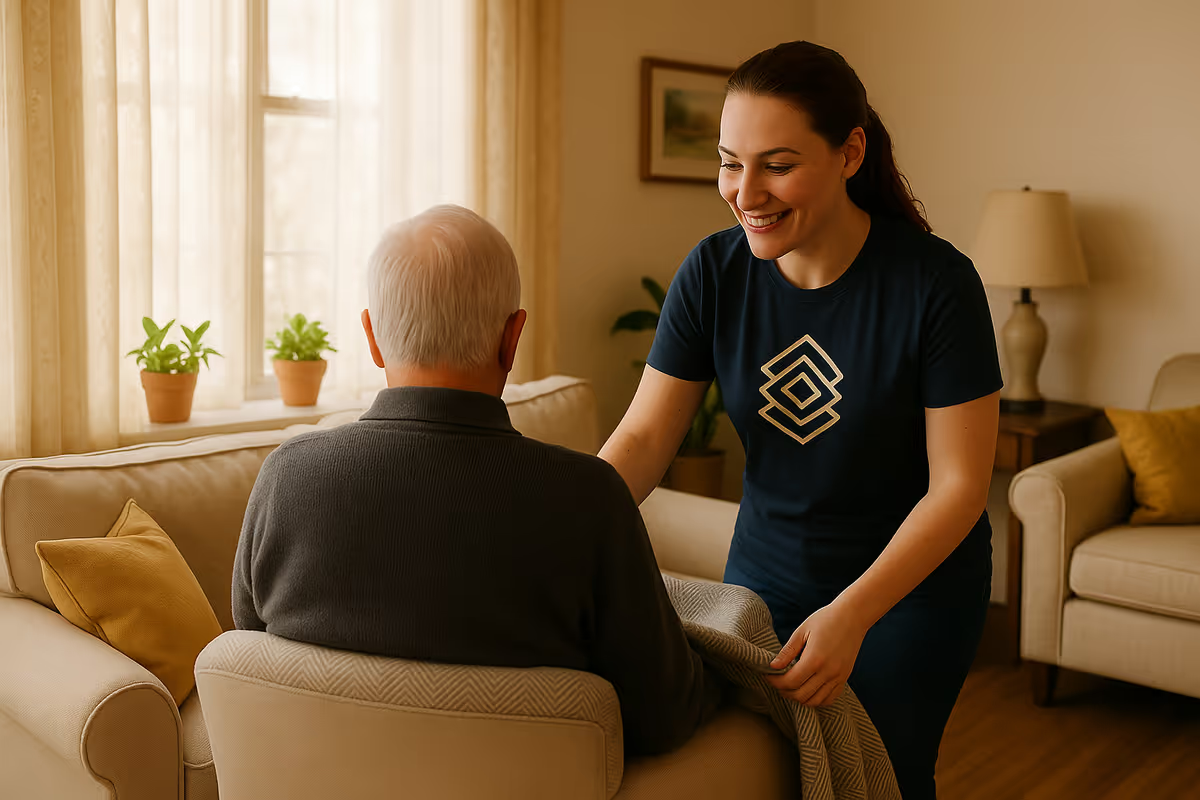
Clinical care and staff qualities are a commonly mentioned strength: families and residents often describe caring nurses and CNAs, attentive therapy teams, and staff who go beyond baseline expectations to comfort residents. Administration and certain directors receive positive comments for being hands‑on and responsive, and many reviewers note good family communication when staff are proactive. Therapy progress, rehabilitation outcomes, and individualized comforting behaviors (for example, staff providing emotional support) are recurring positive themes.
At the same time, several operational patterns raise concern. Staffing consistency is uneven across shifts: day coverage is generally perceived as stronger than night coverage, and reviewers cite slow responses to call bells. These staffing gaps are linked in some accounts to delays in assistance at mealtimes and with mobility, which can affect residents who require high levels of support. Related to care processes, there are mentions of medication-management lapses and therapy coordination issues (including therapy denied or delayed during infection-control periods), which represent important areas for prospective families to query.
Facility- and logistics-level issues also appear in multiple accounts. While many reviewers describe a clean interior, others identify localized sanitation and odor concerns and problems with handling residents' personal laundry and belongings. The building is described as older, with a mix of private and semi-private rooms; shared rooms are sometimes termed small or cramped and may have shared bathroom arrangements that affect privacy and comfort. Infection-control policies (for example, isolation requirements) have at times interrupted therapy and family contact, which some families found distressing.
Taken together, Nature Trail shows strong strengths in compassionate caregiving, therapy services, activities, and community engagement, alongside operational vulnerabilities tied to staffing consistency, response times, medication/therapy coordination, and personal‑property management. Prospective residents and families would be advised to tour the facility, ask specific questions about overnight staffing ratios, call-bell response metrics, medication-safety protocols, mealtime assistance for high-dependency residents, and the facility’s processes for laundry and personal belongings to determine whether the environment matches their needs.