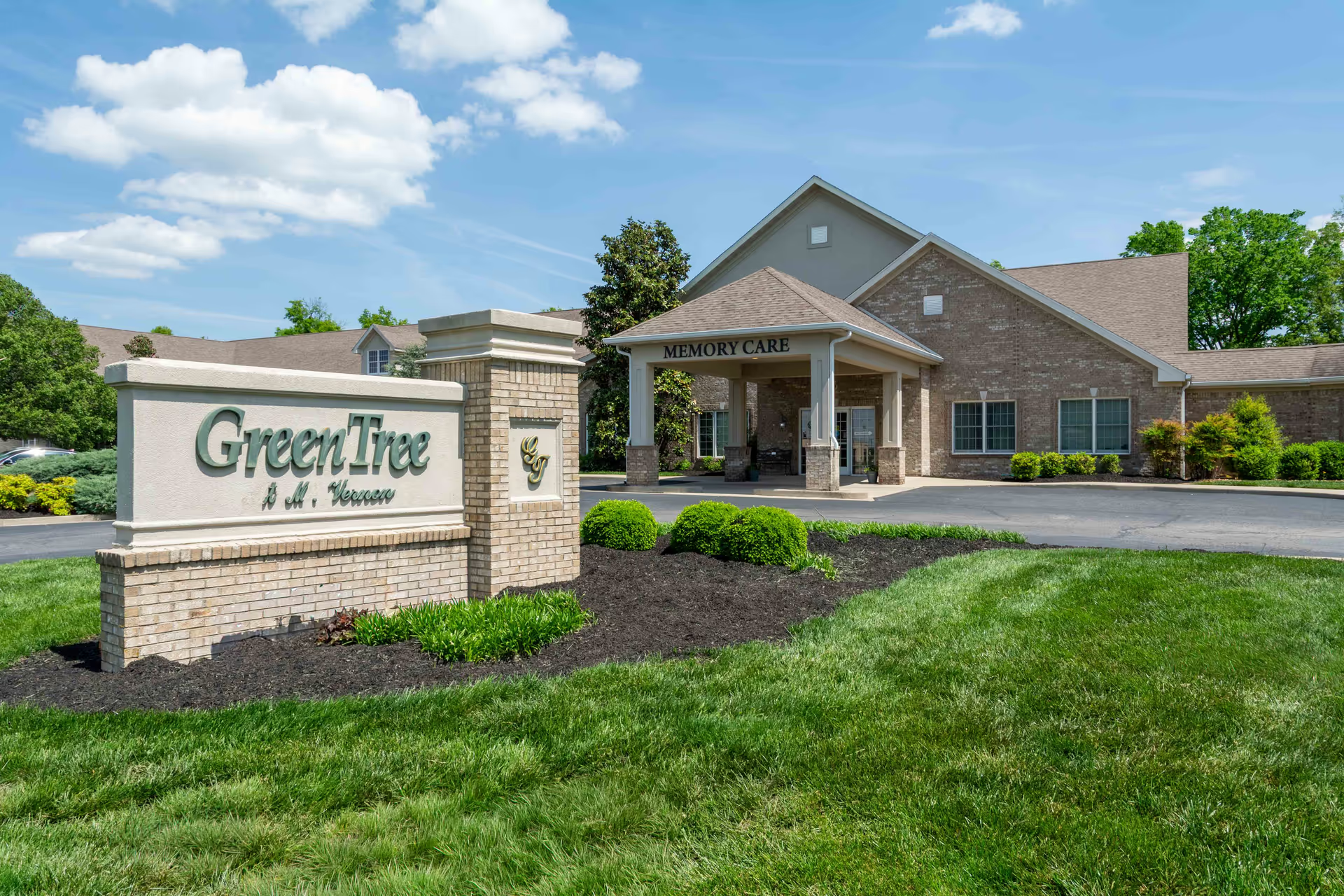
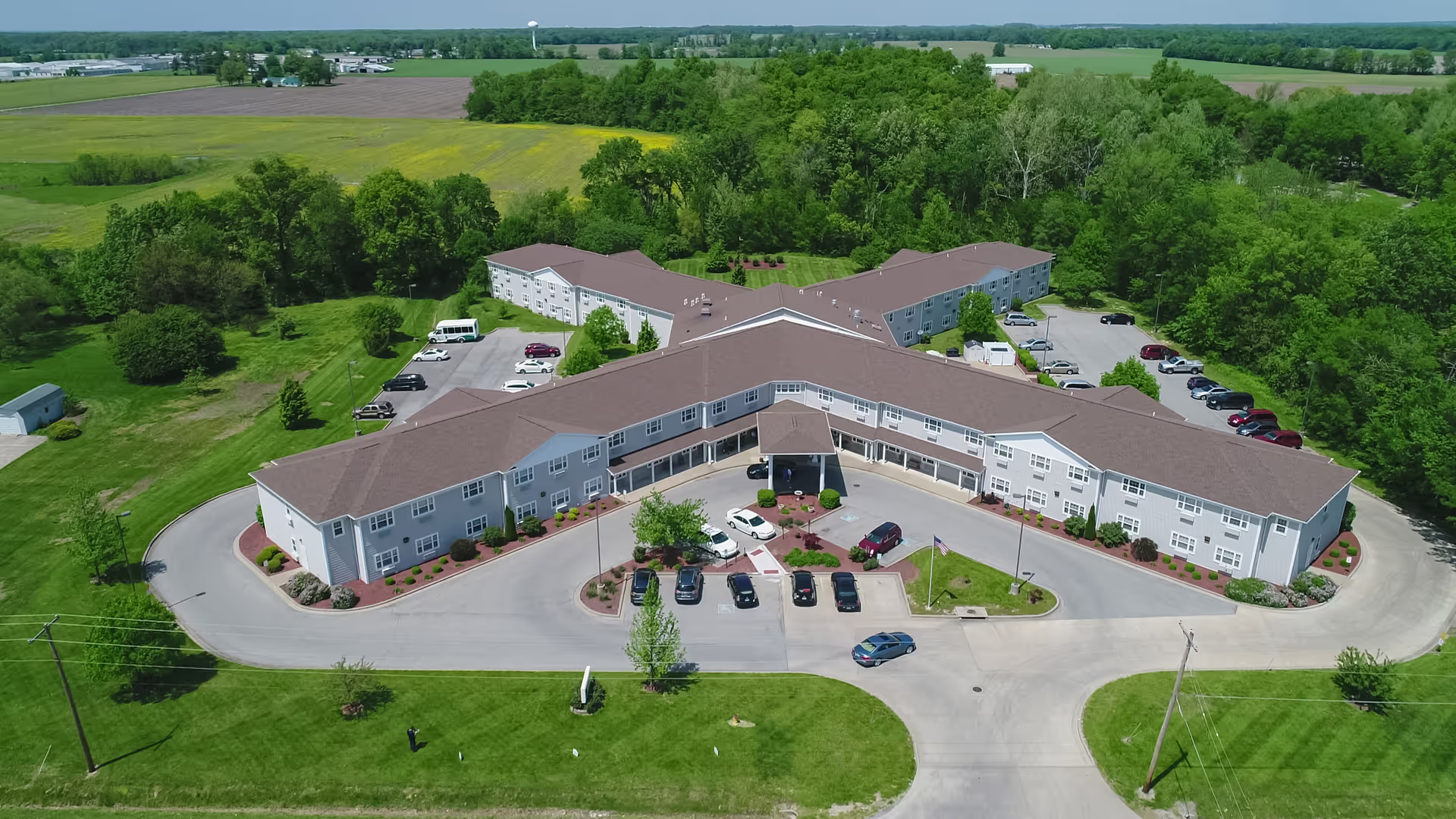
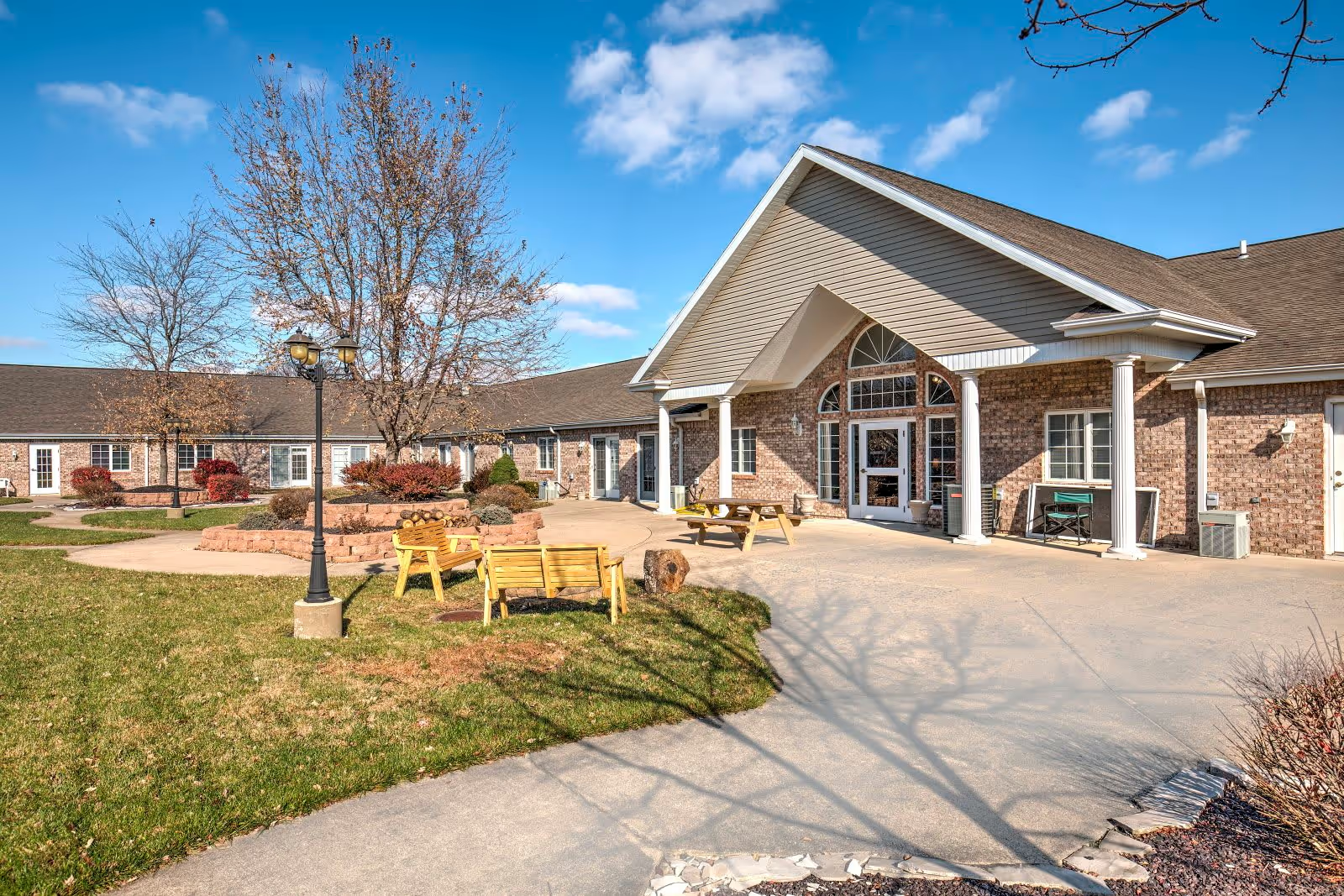
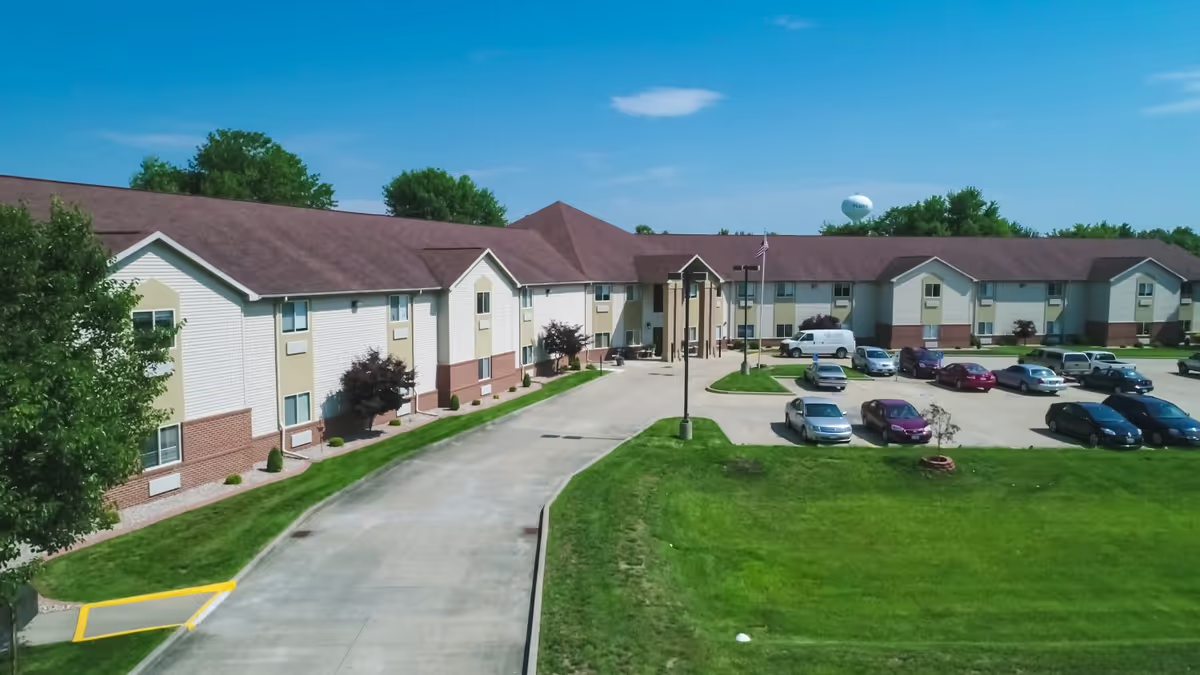
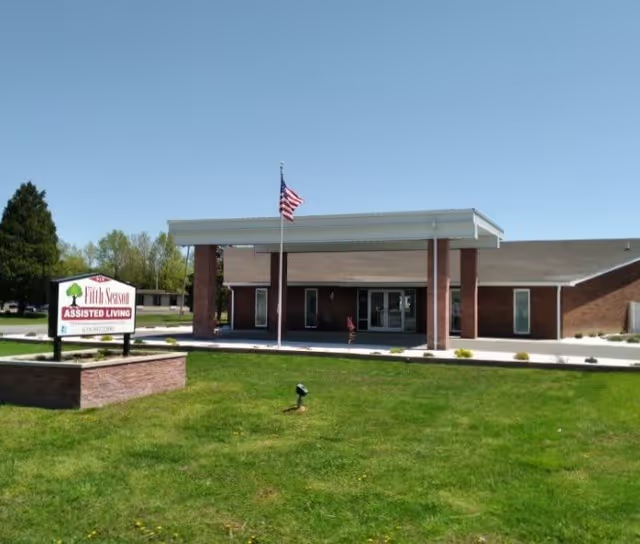
Overall impression: Reviews convey a mixed picture. Families and visitors commonly praise direct-care staff as compassionate and helpful and note practical facility features such as single-room apartments, accessible bathrooms, an outdoor patio, and a secured memory-care neighborhood. However, recurring operational concerns indicate variability in day-to-day care processes, cleanliness, and management responsiveness that prospective residents and families should consider.
Care and staffing: Direct-care caregivers are frequently described as gentle and supportive, and several reviews highlight positive, person-centered interactions. At the same time, reviewers raise consistent concerns about responsiveness to personal-care needs, including delays in attending to incontinence and other toileting-related needs and inconsistent bathing/housekeeping follow-through. There are also serious concerns about medication administration controls; one review uses the term "allegation" regarding underage staff handling medications, and others describe procedural gaps that could affect safe medication delivery. Staffing practices appear uneven: while many frontline staff receive praise, leadership and supervisory consistency is questioned.
Dining and nutrition: Food quality and meal service present mixed impressions. Some reviewers observe a decline in food quality and note that residents may require prompting to receive a full meal service (for example, reminders for fruit and beverages). These comments point to inconsistent mealtime monitoring and nutrition oversight rather than a uniformly adequate dining program.
Activities and social engagement: Activity programming has been limited during infection-control periods; reviewers cite reduced or suspended group activities tied to COVID-19 precautions. Where activities are limited, families express concern about engagement opportunities for residents in the memory-care unit and elsewhere. Prospective residents should ask the facility how activity schedules and social programming are currently structured and how they adapt during outbreaks or heightened infection-control measures.
Facilities, cleanliness, and safety: Physical plant features receive positive comments — single-occupancy layouts, ADA-accessible bathrooms, outdoor spaces, and a fenced memory-care area are viewed as strengths. Counterbalancing that, reviewers report cleanliness and odor concerns in some areas, and delays in housekeeping response. There are also questions about surveillance and privacy safeguards, including how camera access and resident information are managed.
Management, communication, and regulatory patterns: Several reviewers describe concerns about management professionalism, dispute resolution, and the facility’s response to criticism; some describe adverse actions taken after complaints, raising questions about grievance and whistleblower protections. Reviewers also reference state-level regulatory attention and an investigation by health authorities, suggesting a need for transparency about corrective actions and policy improvements. Families should seek current inspection reports, ask how complaints are handled, and request documentation of corrective plans.
Recommendations for families: Verify recent inspection and investigation outcomes, ask for written policies on medication administration and staff qualifications, request explanations of surveillance and privacy controls, and review housekeeping and infection-control protocols. Visit at different times of day to observe staffing patterns, cleanliness, meal service, and activity programming. Where possible, speak directly with families of current residents to hear about ongoing communication and the facility’s responsiveness to concerns.