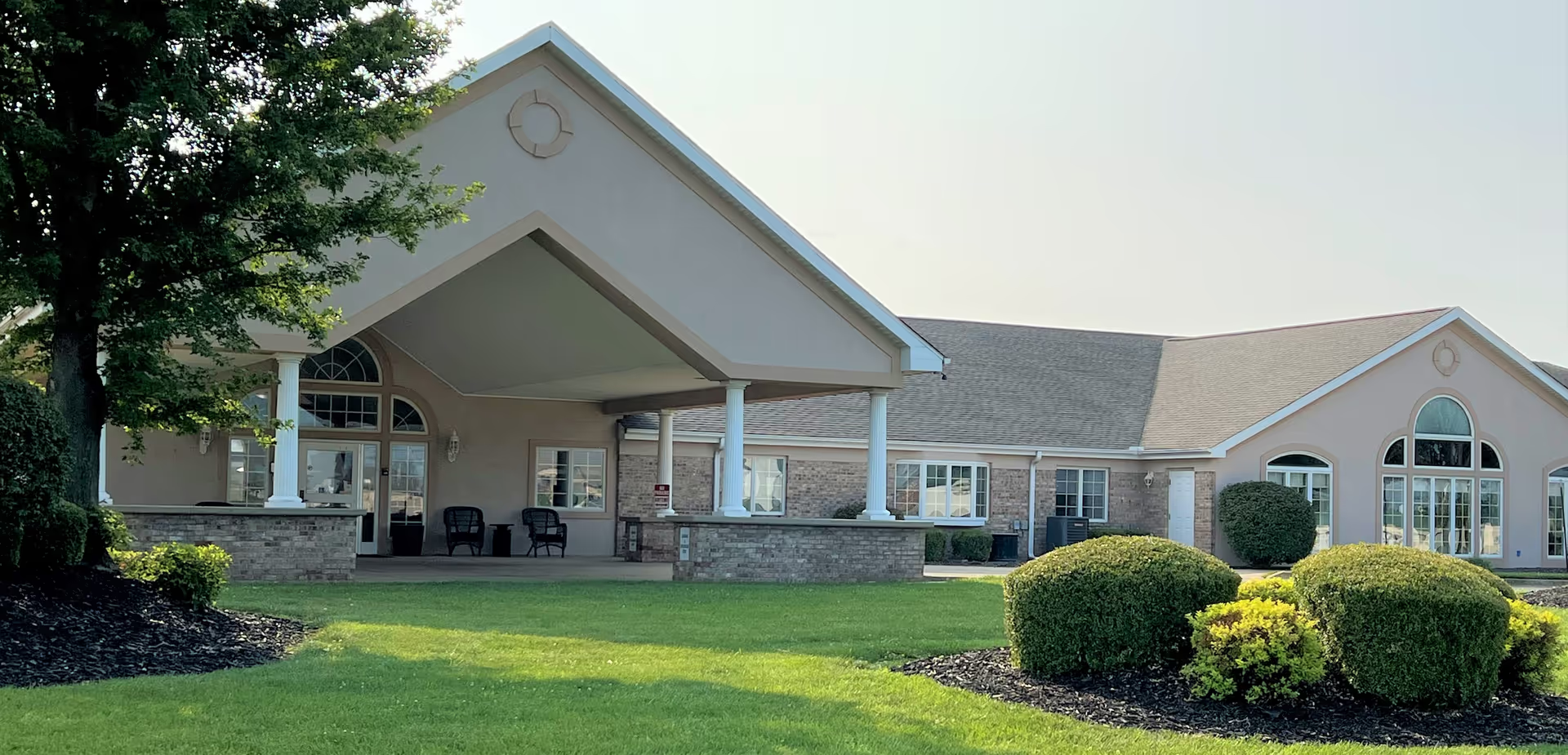
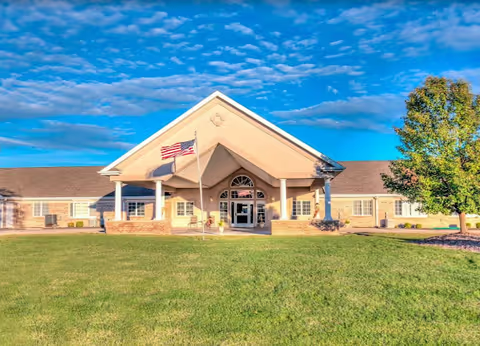
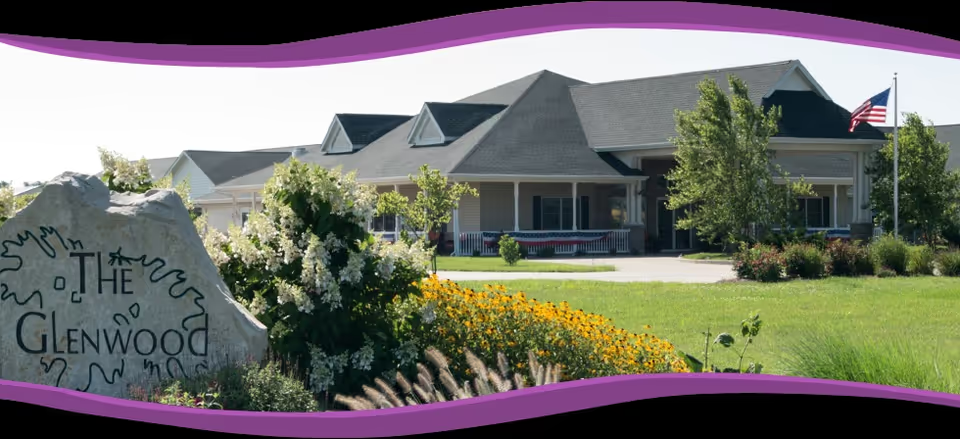
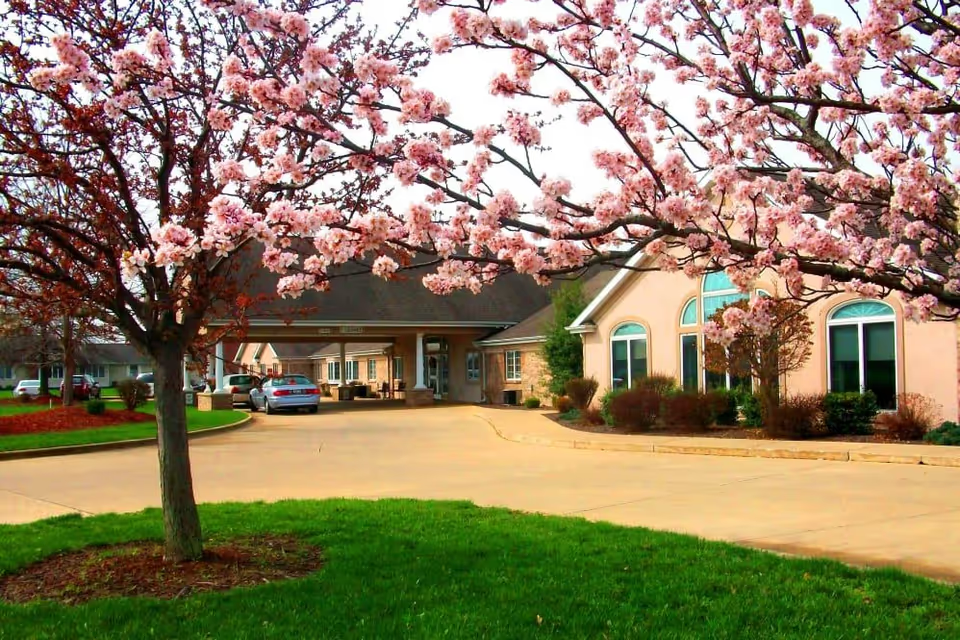
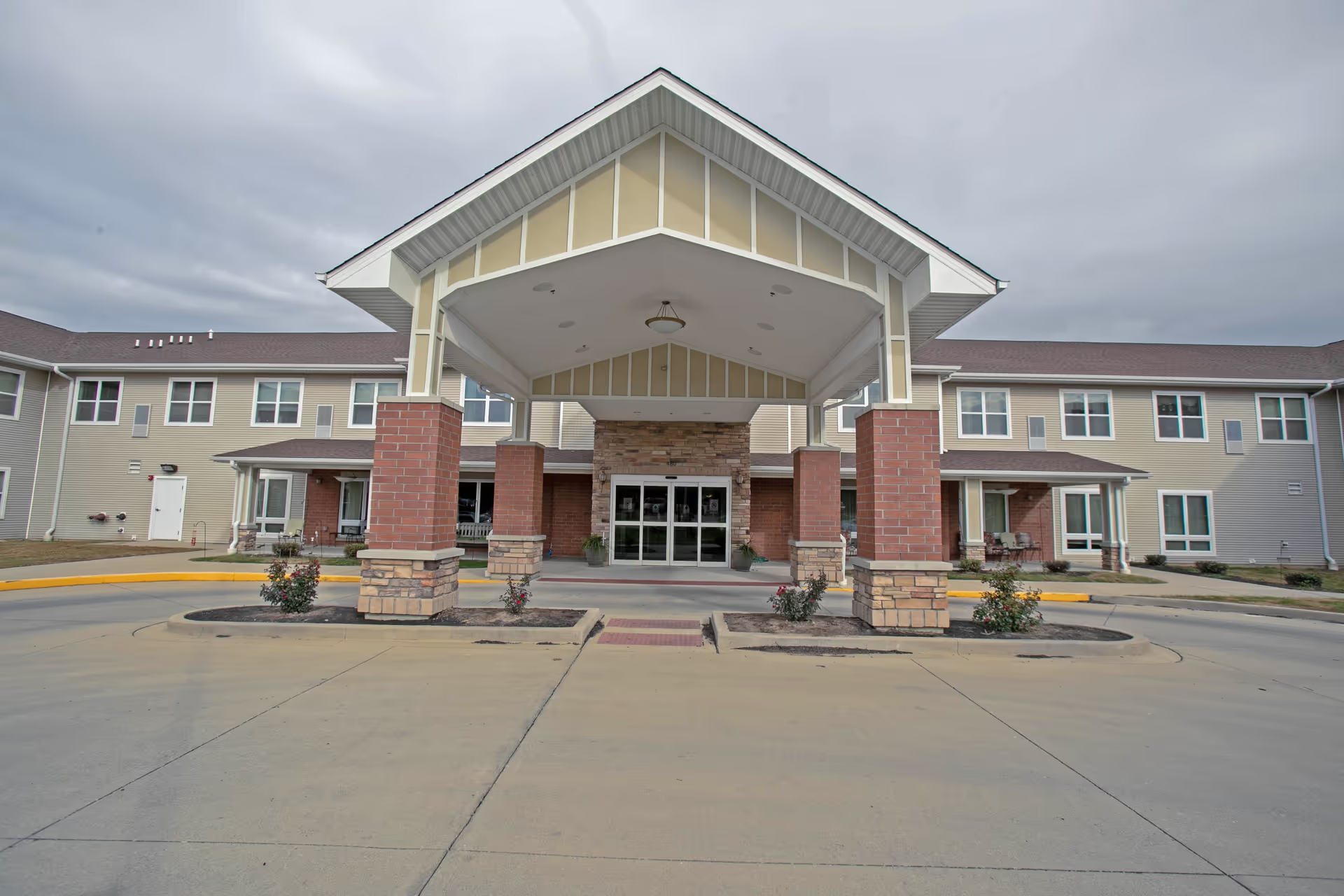
Heartland Senior Living presents a mixed picture: the facility is consistently described as having strong leadership and many compassionate caregivers, private apartment options, and a campus-style environment with a centralized dining model and attractive common areas. Families and referrers have noted endorsements from local physicians and hospice organizations, and many reviewers praised recreational programming (games, walks, arts) and the indoor courtyard/atrium spaces. The presence of memory-care and adult-day services, alongside an explicit ability to transition residents to higher nursing levels, supports a continuum-of-care offering that some families value.
Care quality appears uneven. Positive accounts emphasize conscientious administrators and senior nurses and staff who show genuine respect and empathy. Counterbalancing those accounts are consistent operational concerns: coordination of clinical tasks and adherence to physician instructions can be inconsistent, and families have described gaps in timely communication about medical results and care changes. There are also concerns about staff responsiveness and conduct at times, which manifests as families feeling the need to supervise or intervene. Safety-related practices around transfers and mobility support were called out as an area needing attention.
Dining and nutrition receive mixed notices. Several reviewers praised the food and dining experience, while other comments highlight limited meal frequency or gaps in nutritional monitoring that were associated with weight-loss concerns. Prospective families should clarify meal schedules, therapeutic diet availability, and how nutritional changes are tracked and communicated.
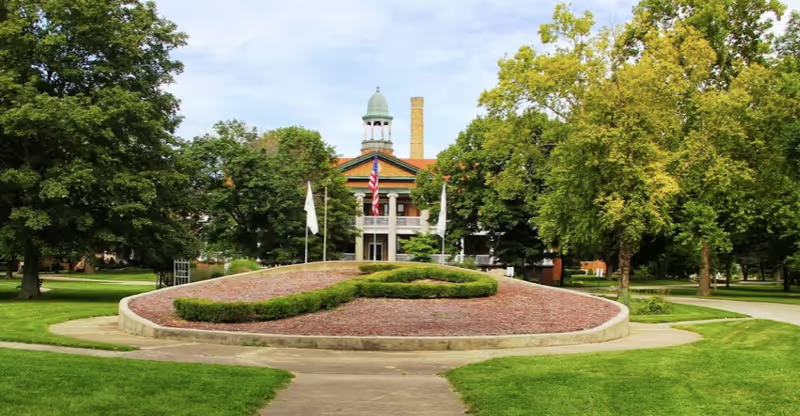
Activities and environment are generally strengths: a varied activities program, indoor/outdoor amenity spaces, and an active resident and family community are commonly mentioned as positives. Memory-care services are available, and an adult-day option exists; however, memory-care programming and supervision in the evenings were specifically described as limited, suggesting a potential mismatch between daytime offerings and evening needs.
Facility-level issues around management and policies surface as well. While the facility has favorable endorsements and many positive testimonials, there are patterns of inconsistent visitation enforcement and variability in how Medicaid/shared-room placements are configured and personalized. These operational traits can affect family experience and resident satisfaction.
For prospective residents and families: perform an in-person visit during different times of day, ask for specifics about staffing ratios by shift (particularly evenings), clarify transfer- and mobility-assist protocols, review written communication practices for medical results and care-plan changes, request sample menus and policies on meal frequency and weight monitoring, and inspect shared-room Medicaid options if applicable. These targeted questions will help reconcile the facility's evident strengths with the operational inconsistencies noted by families.