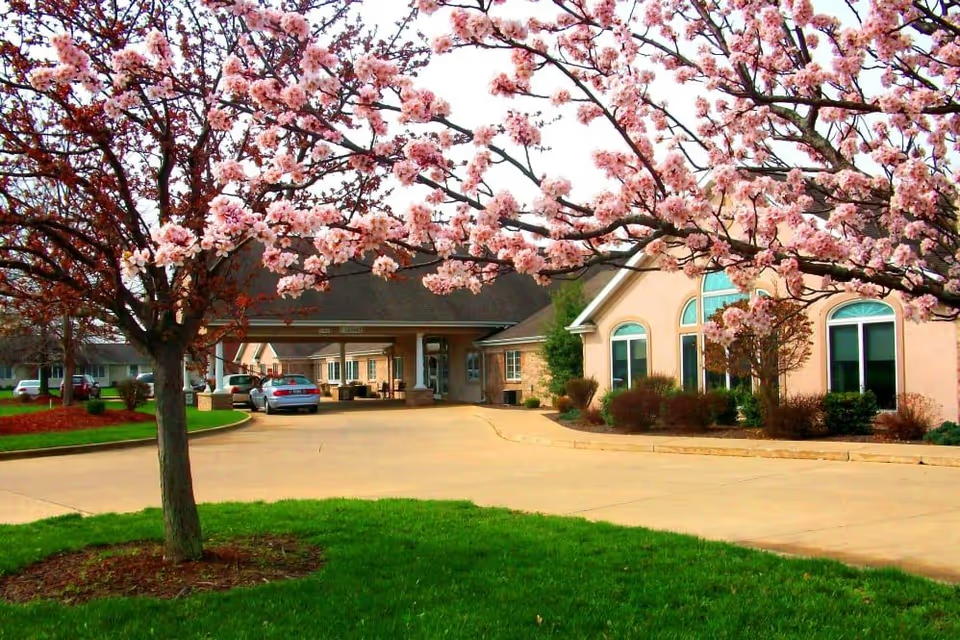
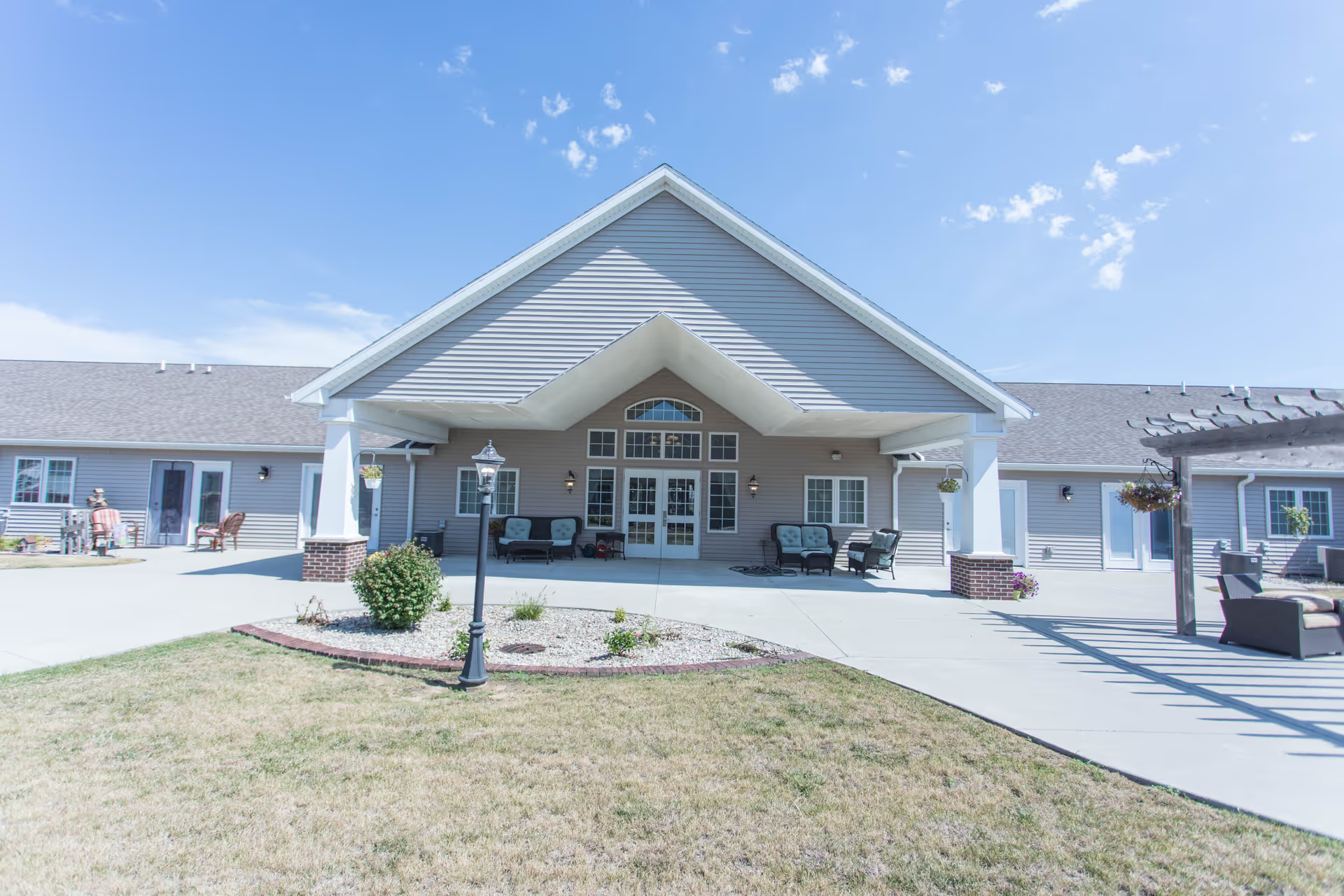
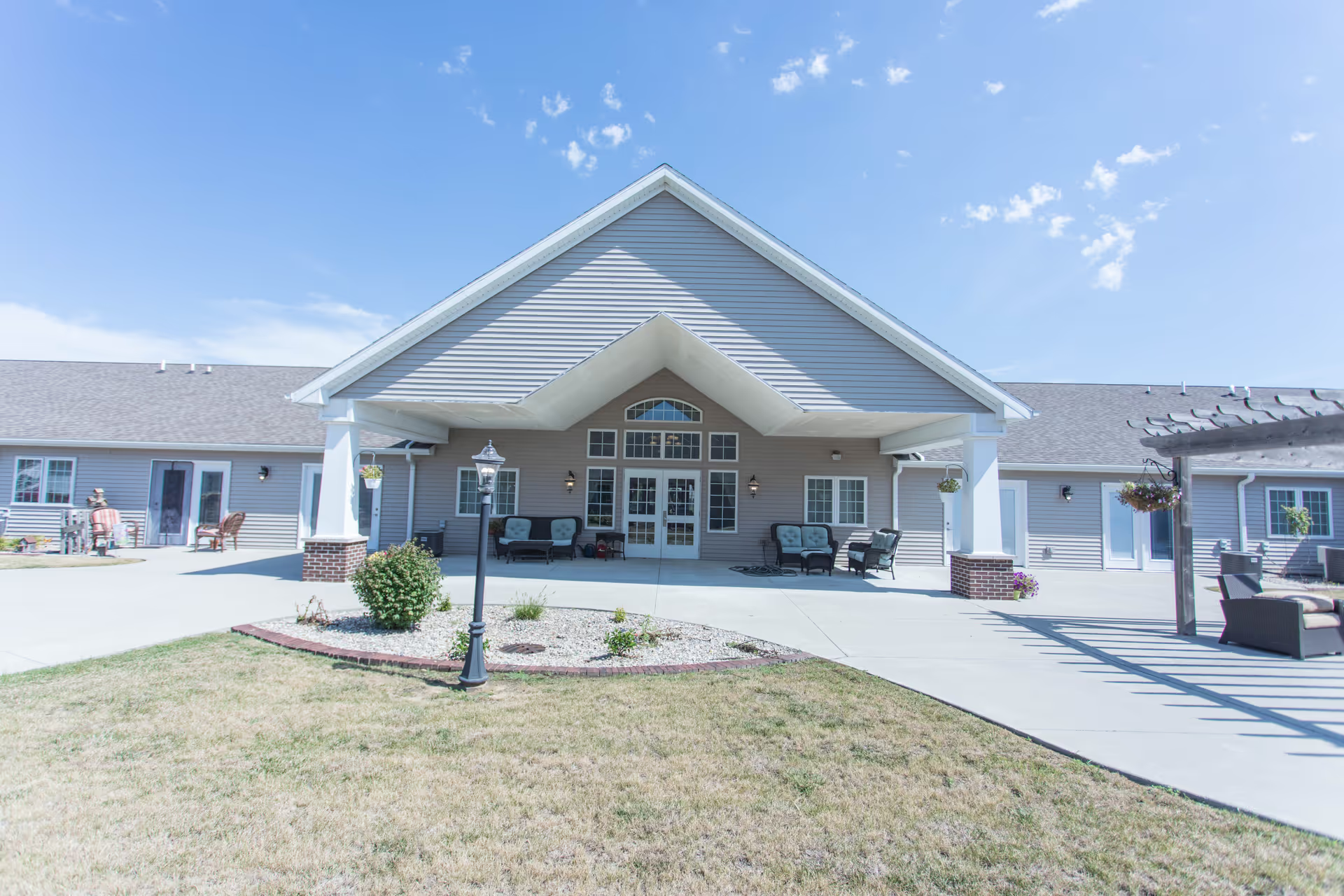
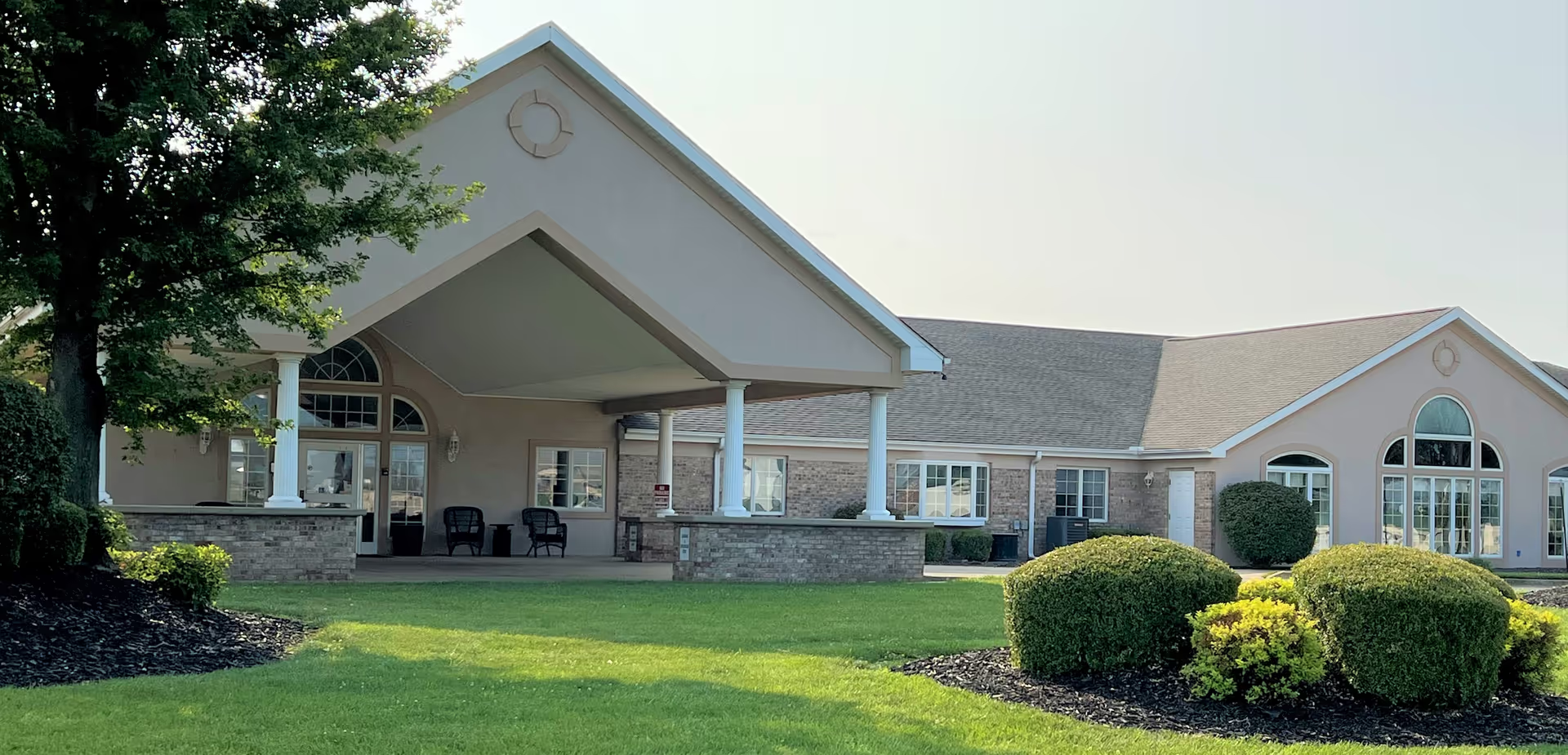
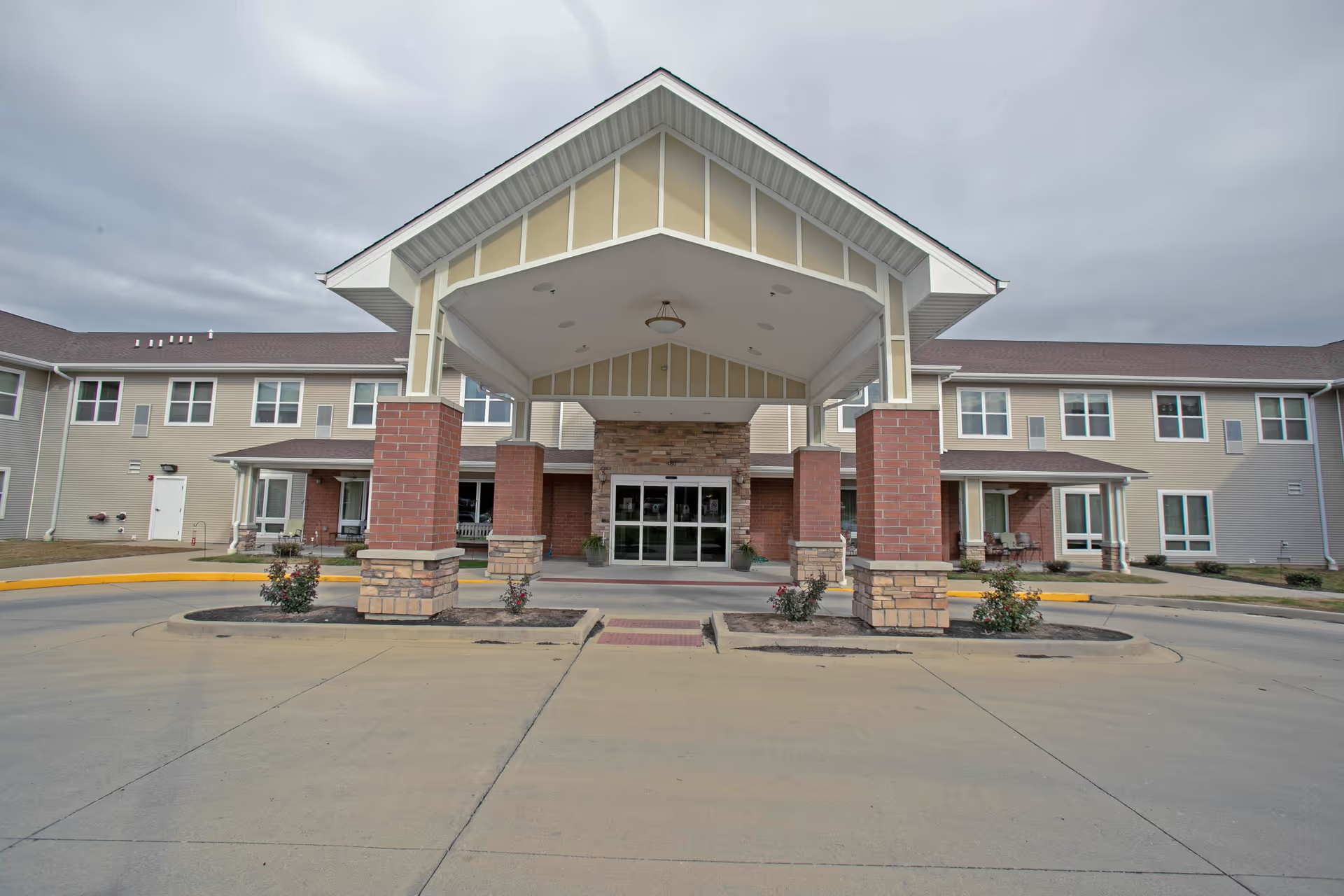
Overall impression: The Glenwood Assisted Living of Effingham is described by families as a community with a strong caregiving culture and active resident life. Many accounts emphasize compassionate, attentive staff who communicate well with families, provide supportive end-of-life care, and make the community feel welcoming. The environment is generally characterized as clean and inviting, with well-sized rooms, a pleasant courtyard, and convenient location for nearby relatives.
Care and staff: Care quality is frequently cited as a strength. Reviewers describe staff as caring, respectful, and responsive across shifts; therapy services and exercise programming receive positive mentions. At the same time, the facility appears to be experiencing staffing instability—turnover among direct-care personnel and leadership transitions have been noted. That instability is associated with periods of short staffing and uneven service coverage, which families should monitor when assessing ongoing consistency of care.
Dining and nutrition: Dining feedback is mixed. The community offers regular meals and attentive kitchen staff who are reportedly working to adapt menus to resident preferences. However, reviewers describe inconsistent food quality and occasional preparation problems. The pattern suggests solid infrastructure in the dining program but variability in execution; prospective families may wish to sample menus and ask about current kitchen staffing and quality-control practices.
Activities and amenities: Activity offerings are a clear positive—residents benefit from a range of daily programs (bingo, dominoes, field trips), an exercise room, and on-site amenities such as a hair salon. Several reviewers also praised visible increases in programming as new leadership became more involved. A recurring operational concern is that advertised activities are not always delivered as scheduled, indicating gaps in activity staffing or scheduling continuity.
Facilities and services: Physical facilities and common areas are generally described as clean and welcoming. The property supports pet-friendly policies and provides convenient spaces for family visits. Housekeeping and maintenance quality appear variable, pointing to uneven operational standards in these departments. Technology resilience is another noted area for improvement—cable and related services have experienced outages during storms. The community also lacks a recycling program, which may matter to families prioritizing sustainability services.
Management and patterns to watch: The Glenwood has undergone director-level turnover, with families noting changes in leadership and uneven performance across directors. Newer leadership engagement is associated with increased activities and resident involvement, suggesting responsiveness to concerns. Persistent themes for prospective residents to evaluate during a tour include staffing stability (including direct-care and leadership continuity), dining consistency, activity-scheduling reliability, medication-management communication protocols, and maintenance/housekeeping standards.
Bottom line: The facility demonstrates clear strengths in compassionate caregiving, communication, onsite clinical and lifestyle services, and an active program of activities. Operational weaknesses—particularly staffing instability, inconsistent meal execution, occasional activity scheduling gaps, and service variability in housekeeping and maintenance—appear to affect the consistency of the resident experience. Families considering The Glenwood should weigh the strong interpersonal and programmatic elements against those operational inconsistencies and ask targeted questions about current staffing levels, kitchen oversight, activity calendars, medication-management procedures, and technology/maintenance reliability during a visit.