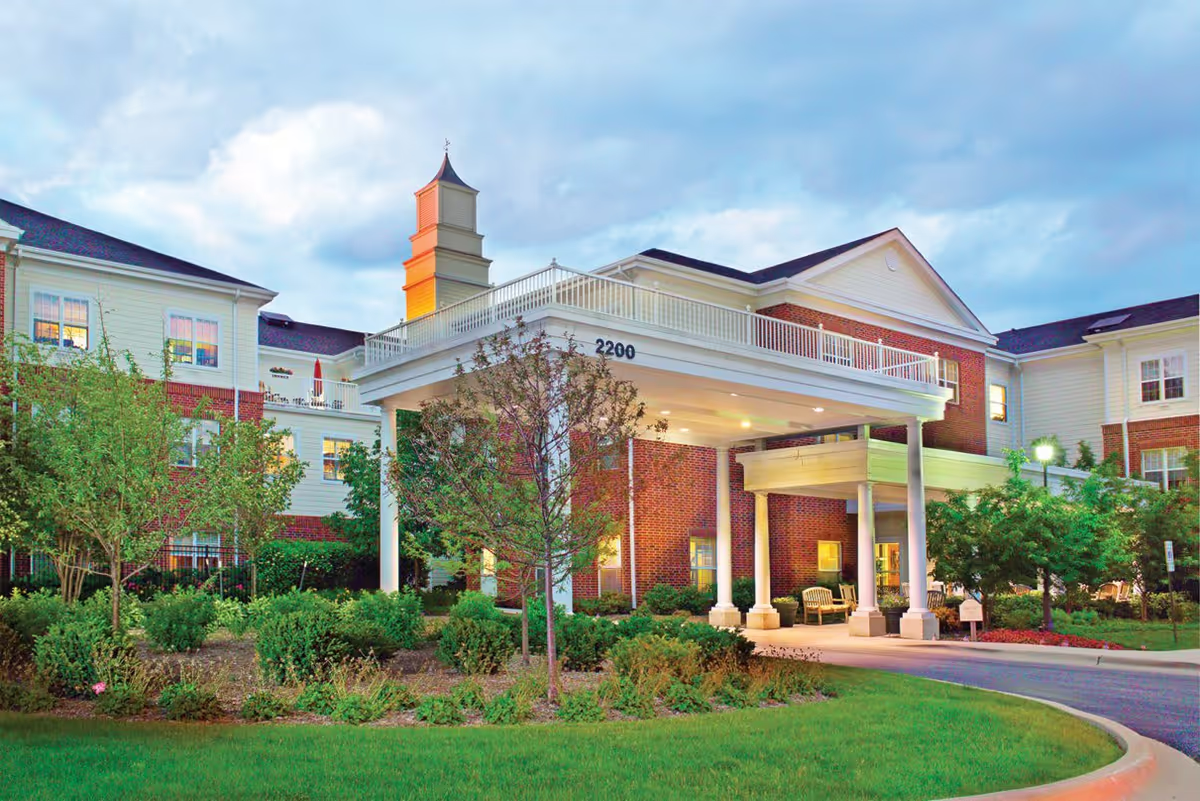
Celebrate Senior Living of Niles is a multi-level community offering independent living, assisted living, memory care, and skilled nursing or rehabilitation. A recurring strength is the ability to remain within the same community as care needs change. Families often describe staff as warm, attentive, and helpful, and several praise nursing care, therapy, and support with transitions or discharge planning. Other accounts raise concerns about clinical follow-through, access to medical updates, and family communication, including during changes in a resident’s health. Experiences appear to vary by care setting and circumstance; some families describe prompt updates, while others found communication or responsiveness less consistent.
Dining is included in many living arrangements, and residents may have meal choices; some accounts also describe balanced menus and food that residents enjoy. Feedback is mixed, however. Recurring suggestions include improving taste, offering more variety, and serving meals at a more suitable temperature. Some residents and families are very satisfied with the food, while others say it is a weaker part of the experience.
Activities include exercise, games, movies, social events, outings, and religious services. The chapel and regular Mass are particularly valued by residents and families seeking a faith-centered setting. Reviews also describe residents making friends and participating in activities, as well as community events that welcome families. Activity availability and engagement may be less consistent in some care units, with one family expressing concern about limited activity staffing and residents having long periods without programming.
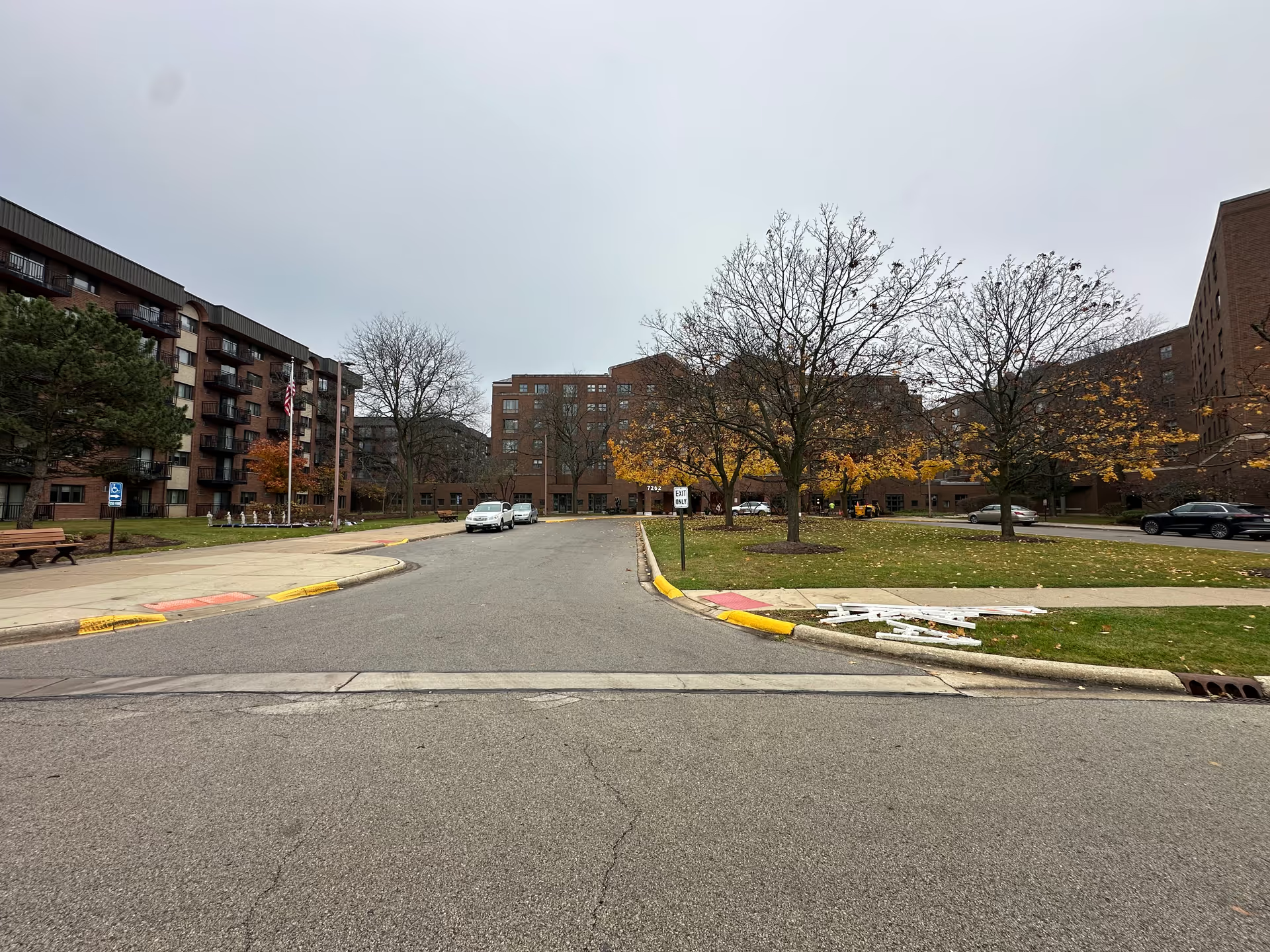
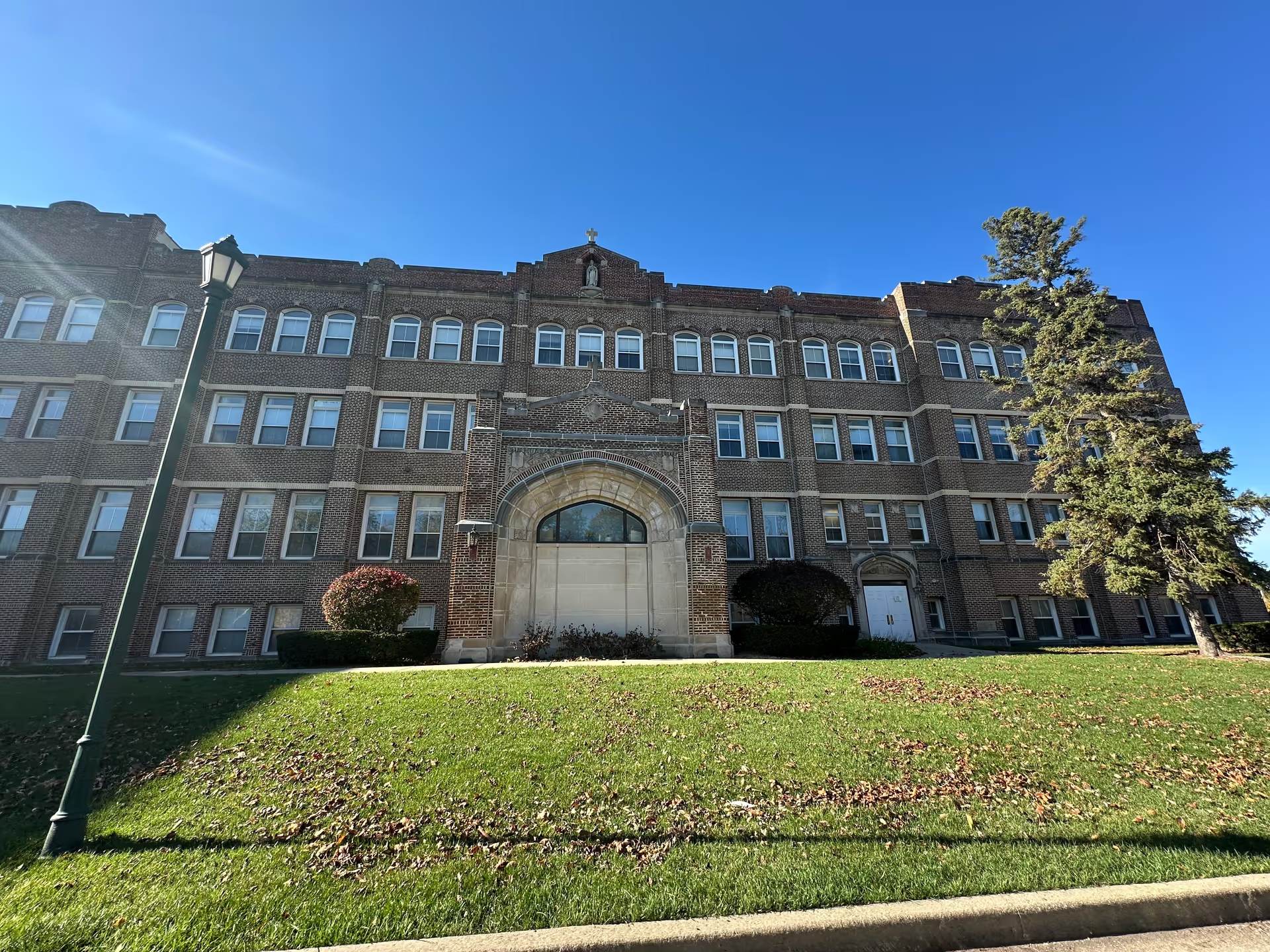
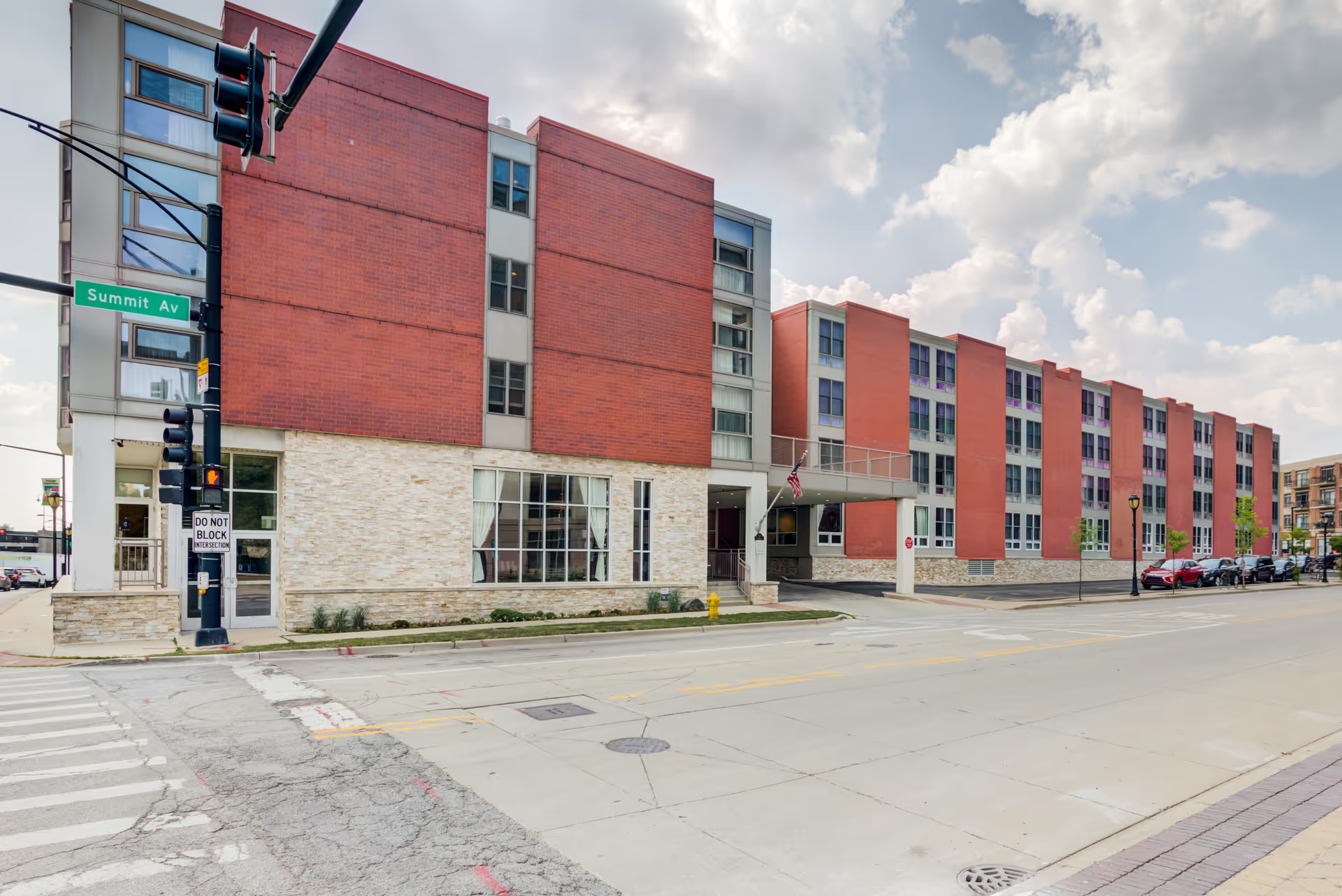
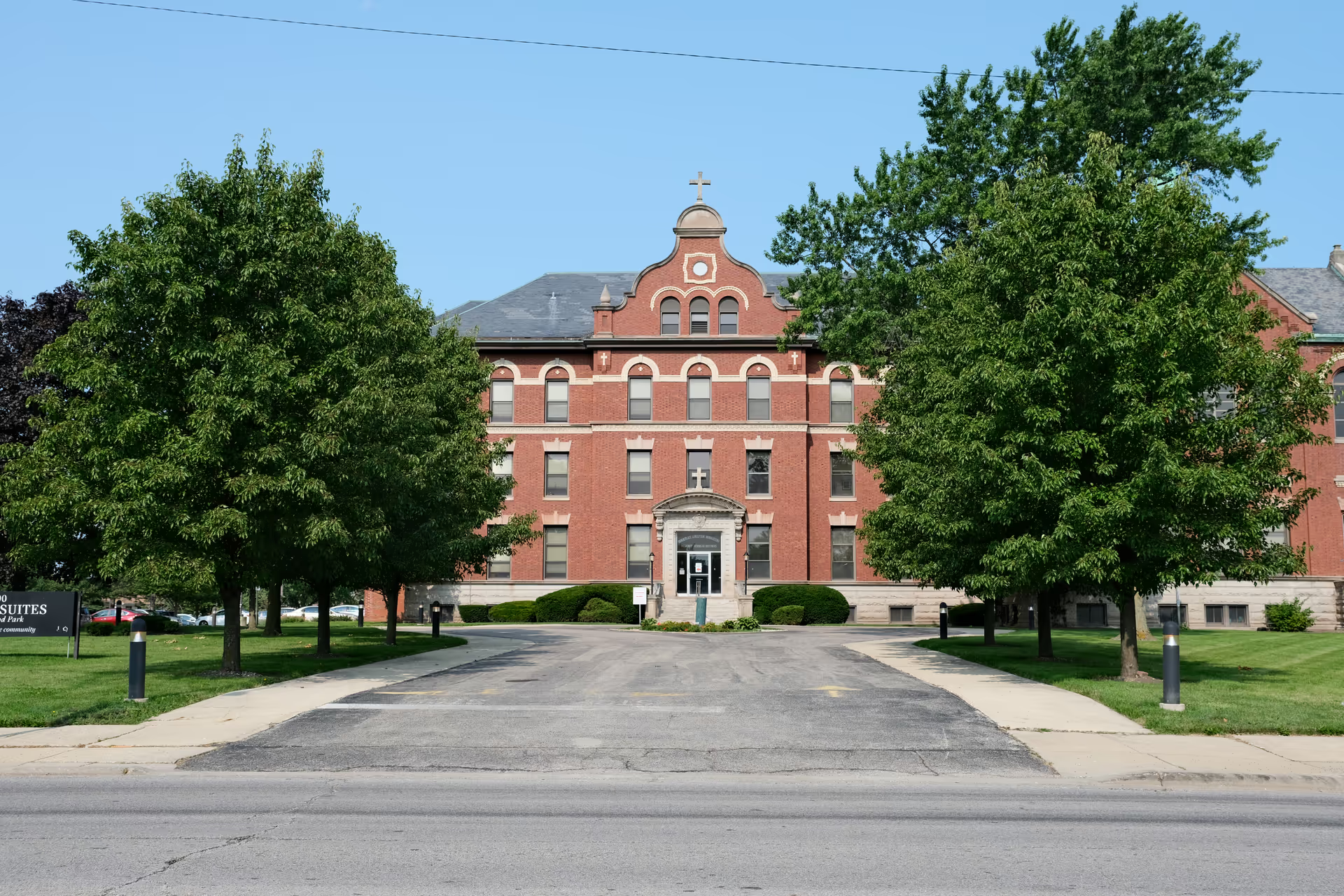
The building is older, with a former religious-institution character. Many visitors and families describe it as clean and well maintained, and appreciate its chapel, sunrooms, grounds, and communal spaces. At the same time, room and bathroom sizes are frequent drawbacks, and some prospective residents find the interiors dated, dim, or institutional. Several accounts mention slow or intermittently unavailable elevators. Some visitors also raised concerns about the lack of in-room emergency-call devices and bathroom accessibility, so these features merit direct inspection for residents with mobility or safety needs.
Admissions staff and care-transition support receive frequent praise, including assistance with applications and Medicaid-related questions. Some families, however, describe slower administrative responses or difficulty obtaining clinical updates. The community is often viewed as a good value, though affordability depends on the room, services, fees, and eligibility rules; families considering Medicaid should confirm the transition requirements and timing in writing. Overall, reviews point to a welcoming, service-rich community with a strong faith-based identity and a broad range of care, balanced by the practical limitations of an older building, compact rooms, mixed dining feedback, and variable communication and service experiences.