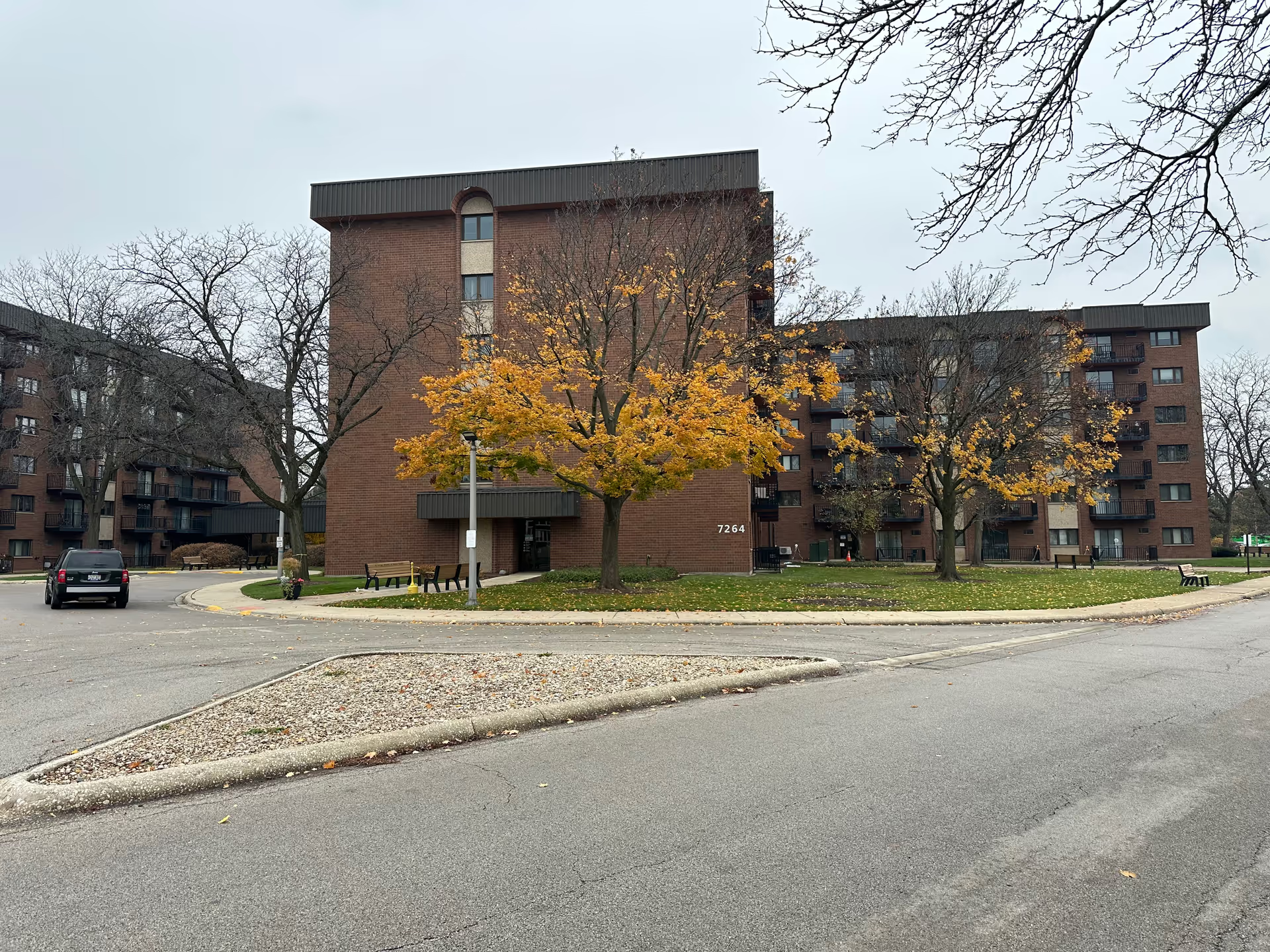
Generations at Regency elicits strongly mixed impressions. Many accounts describe a facility with a substantial clinical and teaching focus: visible therapy services, an engaged rehabilitation program, up-to-date equipment, and a culture that supports clinical students and new staff. Families and clinical learners frequently praised CNAs, therapists, and several nurses for compassionate bedside care, hands-on training, and a welcoming environment. Housekeeping and interior upkeep are often noted as strengths, with a recently refreshed interior, pleasant dining room, and amenities such as an ice cream parlor and candy shop contributing to a resident-oriented atmosphere.
Care quality appears variable. Positive threads highlight effective rehabilitation outcomes, prompt attention in some units, and staff who advocate for residents. However, there are recurring operational concerns that point to inconsistent practice across shifts and units: delayed responses to calls or monitoring needs, examples of medication-administration errors, and instances suggesting weaknesses in transfer/fall-prevention processes. These patterns have, in some accounts, been associated with clinical decline or unplanned hospital care. Prospective residents should ask for current staffing ratios, medication-safety protocols, and recent clinical outcome or survey data when evaluating the facility.
Staffing and culture carry both praise and criticism. Several reviewers singled out specific leaders and frontline caregivers as highly effective, accessible, and supportive; these staff members are credited with strong infection-control training, PPE use, and mentorship for students. At the same time, other accounts describe inconsistent conduct, communication lapses with families, payroll concerns, and variability in professionalism among team members. There are also multiple mentions of inconsistent infection-control adherence (for example, mask use) and of administrative communication gaps during admissions or when families seek updates.
Dining, activities, and facilities generally receive favorable remarks: meals served in a pleasant dining room, regular activities, and a clean, comfortable living environment were commonly noted. That said, several reviewers described unreliable meal timing or variability in food quality. Some common areas and floors were described as having odor-control or sanitation concerns, suggesting uneven housekeeping effectiveness across the large campus.
Management and accountability present a mixed picture. Many families praised visible leadership and helpful administrative staff; others reported poor follow-up on concerns, difficulties with admission communications, and allegations related to missing items and billing practices. These are serious matters to clarify directly with management and via public inspection records.
Overall pattern: the facility shows clear operational strengths in rehabilitation, clinical teaching, and areas of cleanliness and amenities, supported by committed staff leaders and some outstanding frontline caregivers. Offsetting those strengths are recurrent, facility-level issues: inconsistent staff behavior and infection-control adherence, gaps in clinical responsiveness and medication safety, uneven housekeeping/odor control, and family-communication and billing accountability challenges. For prospective residents and families, recommended steps include reviewing the latest state inspection reports, asking for unit-level staffing and outcome metrics, observing care during different shifts, and discussing medication-safety and property/billing safeguards with administration before placement.