The reviews present a mixed picture of care and operations at Oak Park Oasis. Positive comments center on individual caregivers and the activities program: several reviewers praised specific nurses and CNAs for being compassionate, responsive, and reassuring, and therapy/rehabilitation services were described as effective in getting residents moving and improving mood. The activities department receives frequent praise for a varied calendar (arts programs, ice-cream socials, Sipp & Paint, and outings such as visits to the zoo) and for staff members who engage residents and create a social, homelike atmosphere. A number of reviewers also commented that recent ownership changes appear to be bringing visible improvements in care and atmosphere.
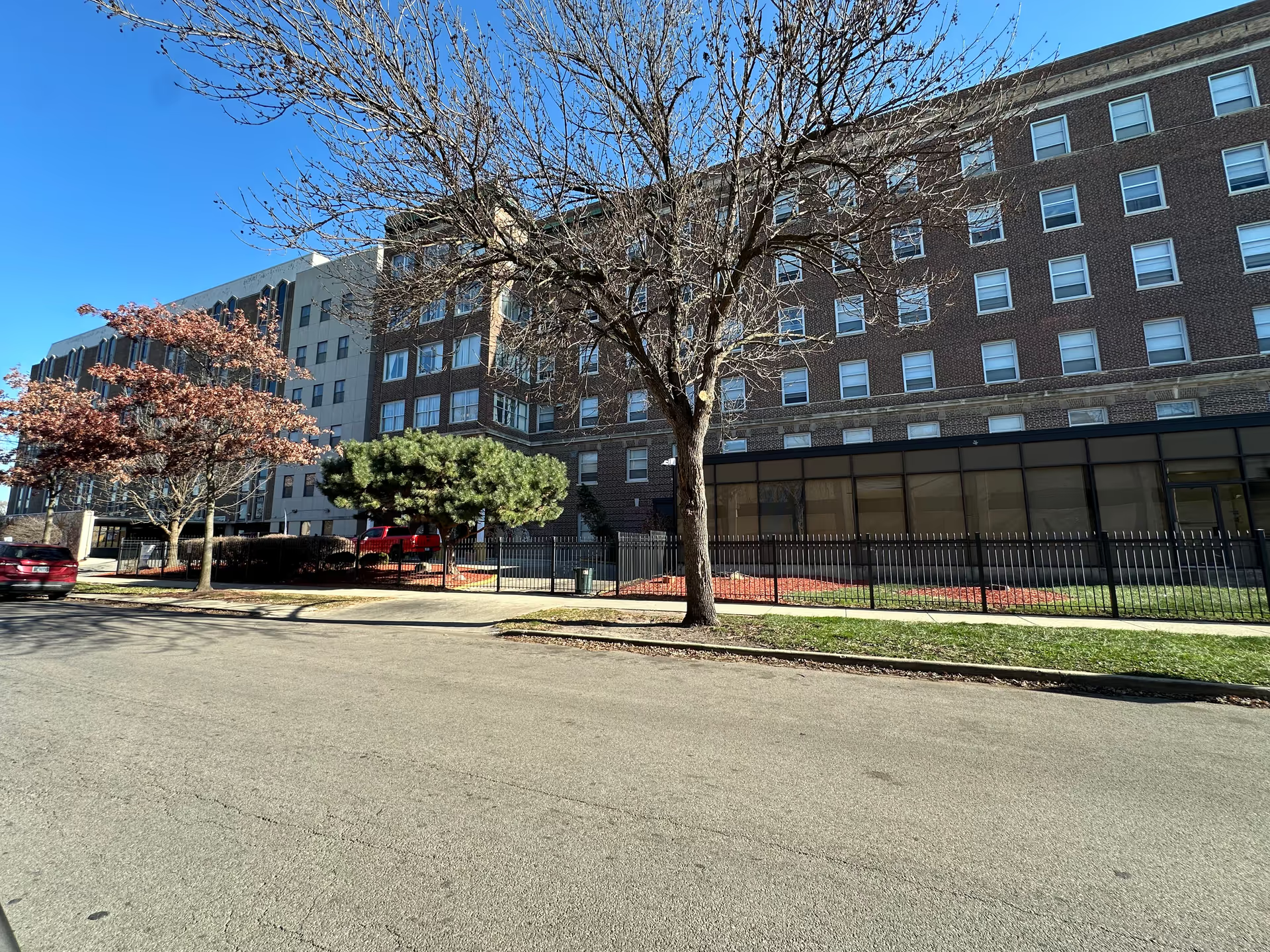
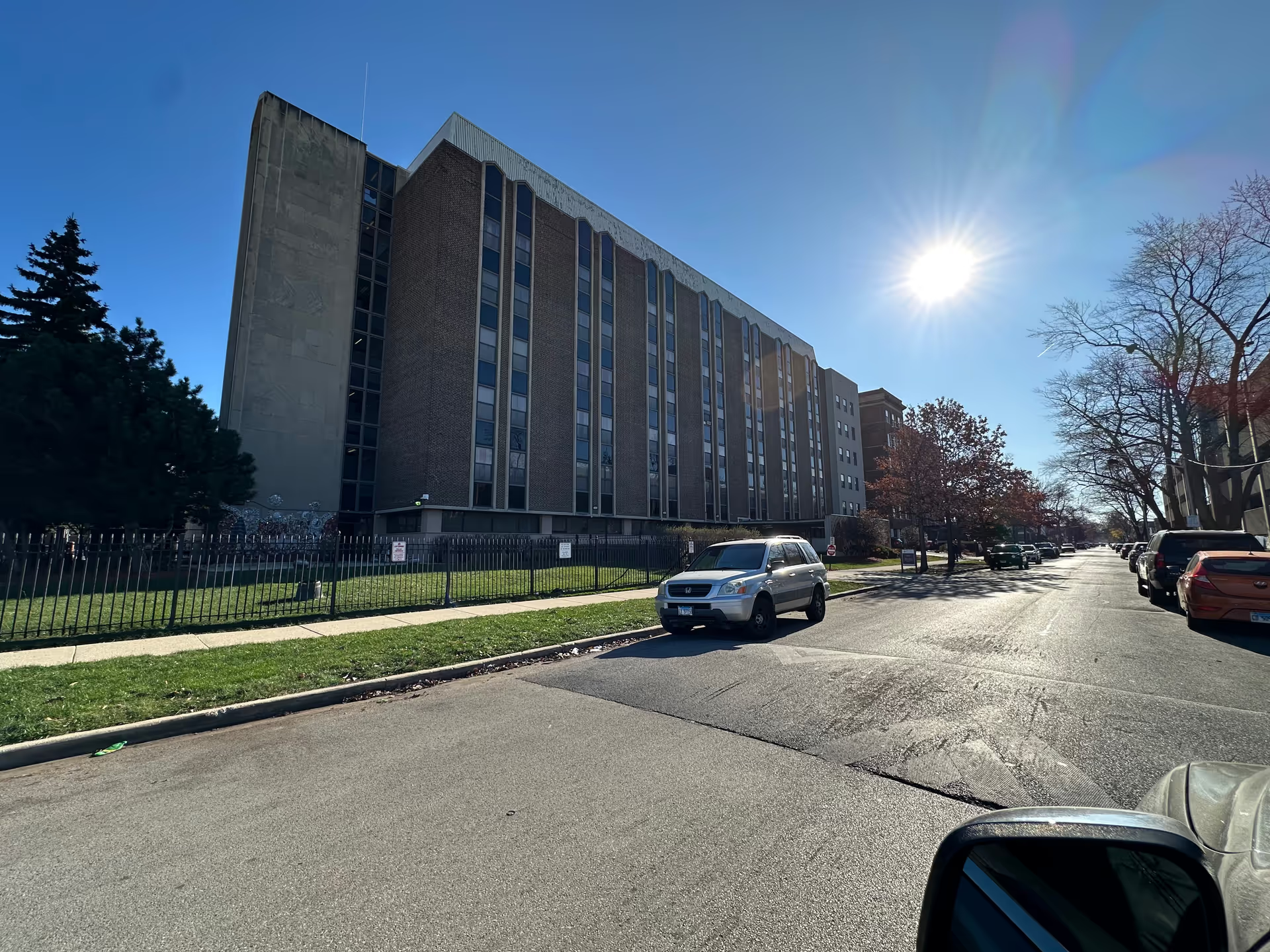
At the same time, there are persistent operational concerns. The physical plant appears to be aged and in need of systematic maintenance: examples cited include peeling paint, worn furniture, dim lighting, window coverings in disrepair, overgrown landscaping, and long-delayed repairs such as an out-of-service elevator. These infrastructure issues are accompanied by cleanliness and sanitation shortcomings in common areas and dining spaces, and occasional odor concerns in hallways and upper floors. Reviewers linked the facility’s condition to a dated appearance and a need for more consistent housekeeping and maintenance oversight.
Management and staffing are prominent themes. While nursing leadership and some administrators received positive remarks for accessibility and customer service, other comments describe inconsistent professionalism among management, high staff turnover, and gaps in orientation and training. Operational weaknesses cited include payroll and HR process problems, delayed or unclear follow-up to family requests and voicemails, and reported incidents raising concern about privacy and staff conduct. There are also references to regulatory attention and potential legal action, which prospective families should consider when reviewing inspection histories and corrective-action records.
Dining and daily care show similar variability. Activities and social programming are a clear strength, but the dining environment was characterized as substandard in places—limited seating, sticky tables, and needs for cleaning and maintenance were noted. Clinically, many families reported attentive, compassionate bedside care from specific nurses and aides, while others described delays in assistance and inconsistent responsiveness. This suggests unevenness in frontline staffing or task prioritization.
Notable patterns are the coexistence of strong individual caregivers and a valued activities program with systemic facility and management weaknesses. Several reviewers indicated improvements after ownership changes, which points to a facility in transition. For prospective residents and families: arrange a tour that includes dining and the second-floor corridors, meet the nursing leadership and activities staff, request recent state survey results and corrective-action plans, and ask about staffing levels, maintenance schedules, and payroll/HR procedures to assess whether the cited improvements are sustained.