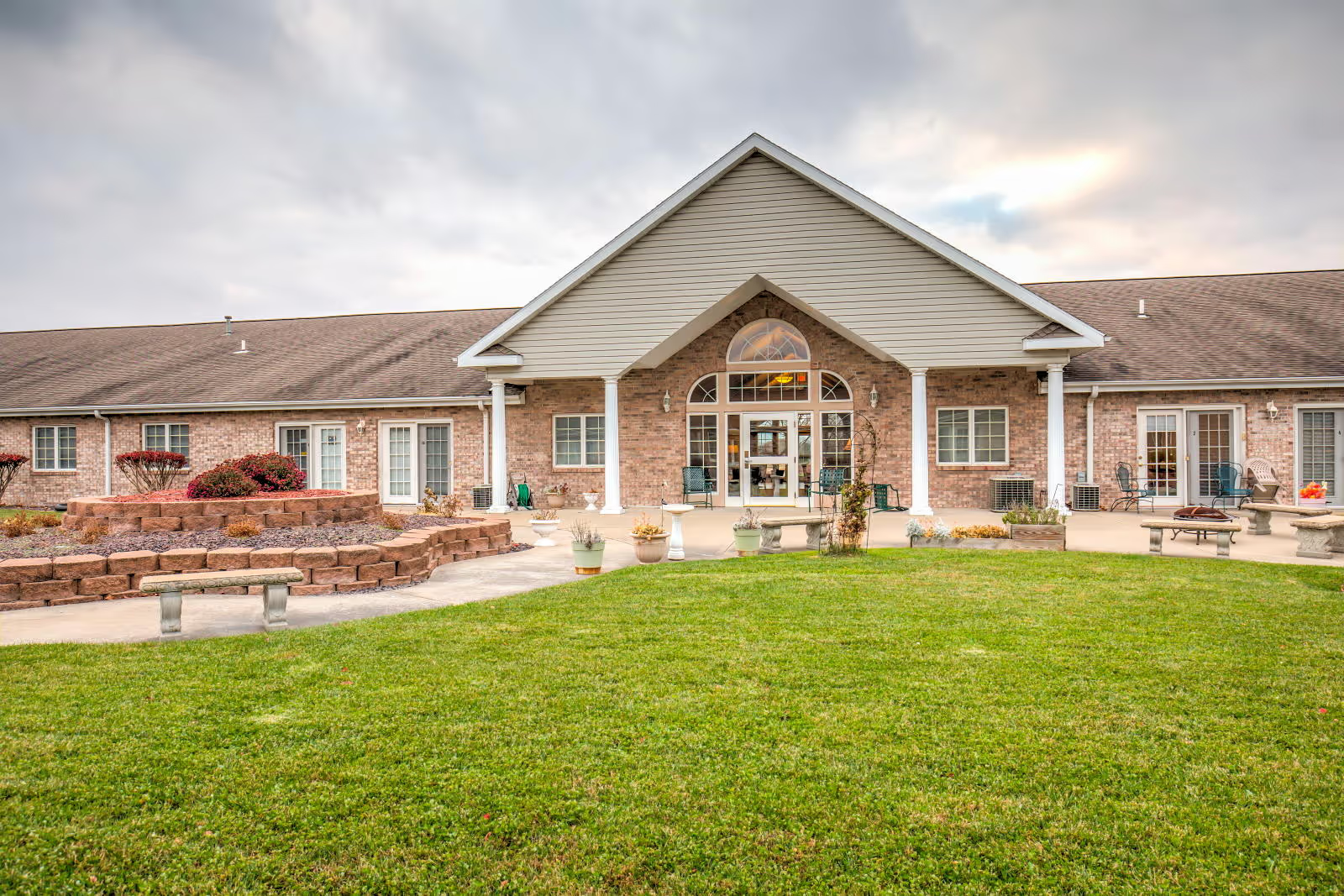
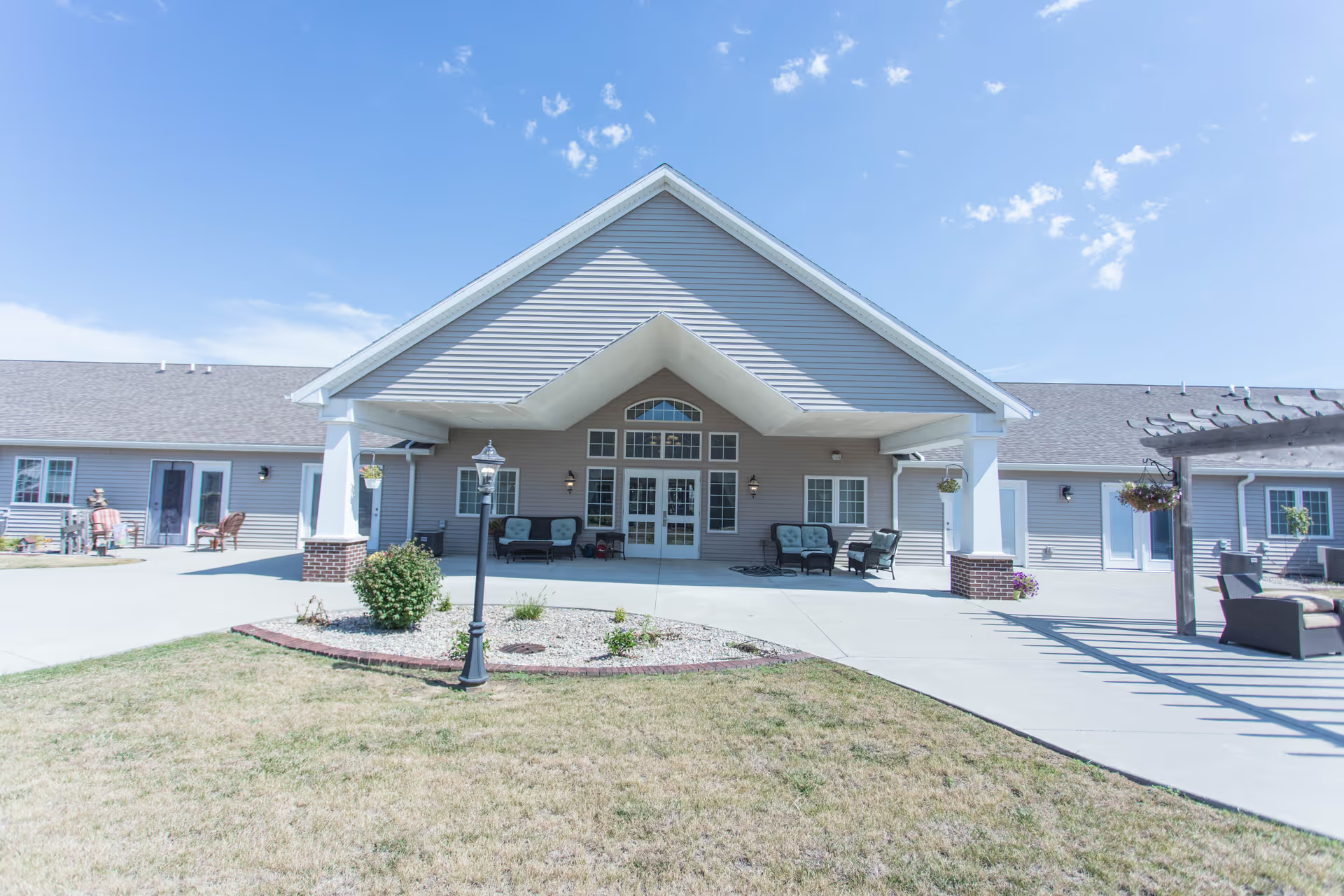
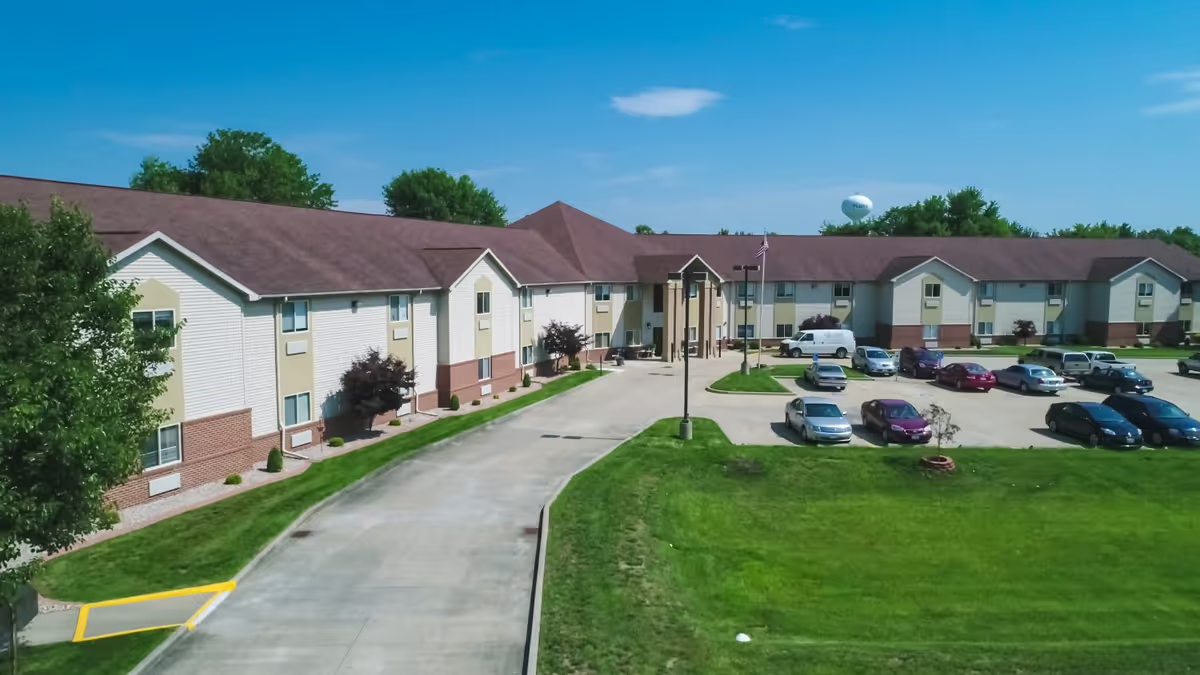
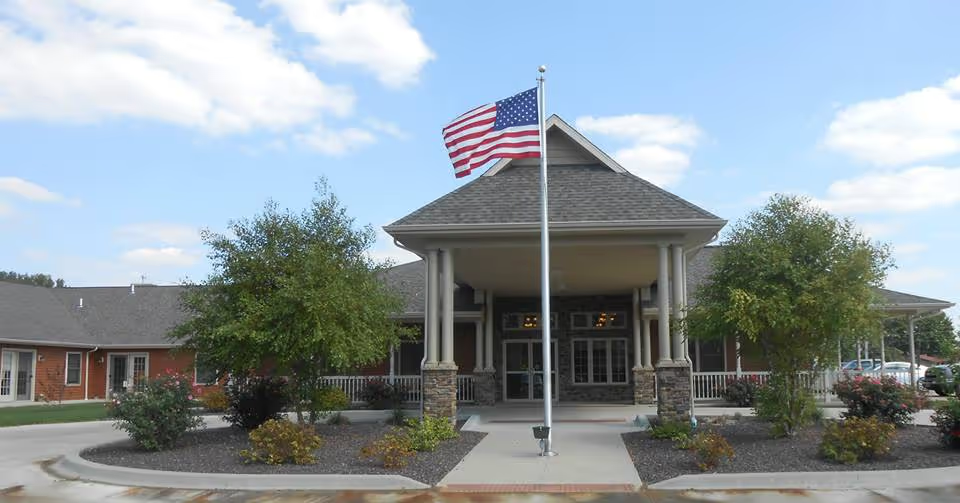
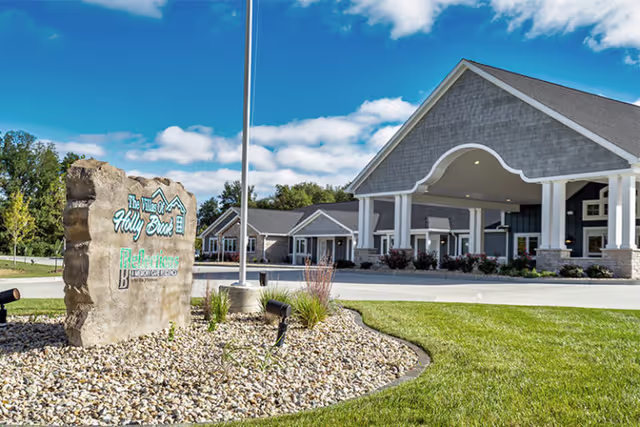
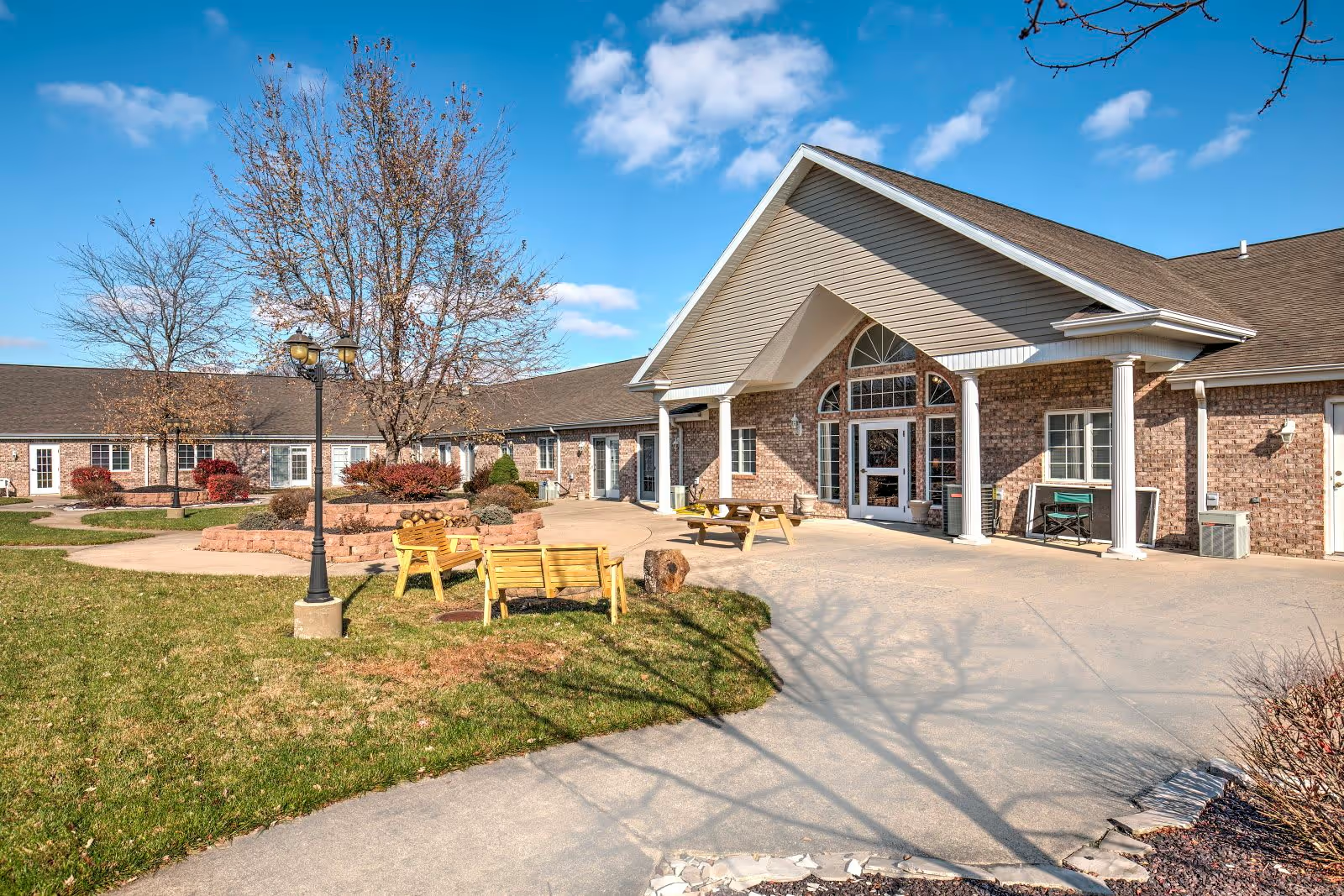
The reviews present a mixed portrait of Helia Healthcare of Olney. Many accounts highlight compassion and strong interpersonal support: nursing assistants, therapy staff, and some members of the administrative team receive repeated praise for kindness, individualized attention, and effective short-term rehabilitation that enabled safe returns home. The facility’s communal areas and atmosphere are frequently described as home‑like, and dining is generally considered acceptable to good. Infection-control measures, particularly COVID-related protocols, are noted as a positive operational focus.
At the same time, there are persistent operational concerns that affect clinical reliability and resident experience. Families and visitors describe delays in staff responsiveness to call lights and clinical needs, inconsistent or missed clinical treatments, and gaps in shift-to-shift communication. These issues are associated with perceived weaknesses in medication-management and pharmacy coordination, and with inconsistent prevention and monitoring for pressure injuries and fall risk. Several accounts indicate that families had to supplement basic care tasks when staffing or responsiveness fell short.
Facility services and logistics show similar variability. While some report well-maintained common areas, others raise sanitation and laundry/oral-care issues at the room level and describe instances of missing or mishandled personal items. Wi‑Fi service is reported as unreliable and subject to restrictive filtering, and reviewers note that some beds and equipment lack adjustability or appropriate sizing for larger residents. Therapy and short-term rehab services earn positive comments, though communication about the scope and expectations of rehab programs is sometimes unclear.
Management and workplace culture emerge as a significant theme. Positive interactions with specific administrative staff are described alongside accounts of managerial unresponsiveness, a tense staff–management environment, and high CNA turnover. These factors are cited as contributing to inconsistent staffing coverage and variability in care. There are also more serious claims about policy noncompliance and regulatory concerns in a subset of reviews, which prospective families may wish to investigate further.
For prospective residents and families: consider an in-person visit focusing on verification of current staffing levels, observation of meal service and hygiene practices, clarification of medication and pharmacy workflows, inspection of available beds/equipment for fit and adjustability, and direct questions about Wi‑Fi access and property-handling procedures. Ask for documentation of infection-control protocols, rehab-program goals and typical outcomes, and recent staffing turnover statistics. Gathering this information will help balance the facility’s clear strengths in personal attention and therapy with the operational risks described in some accounts.