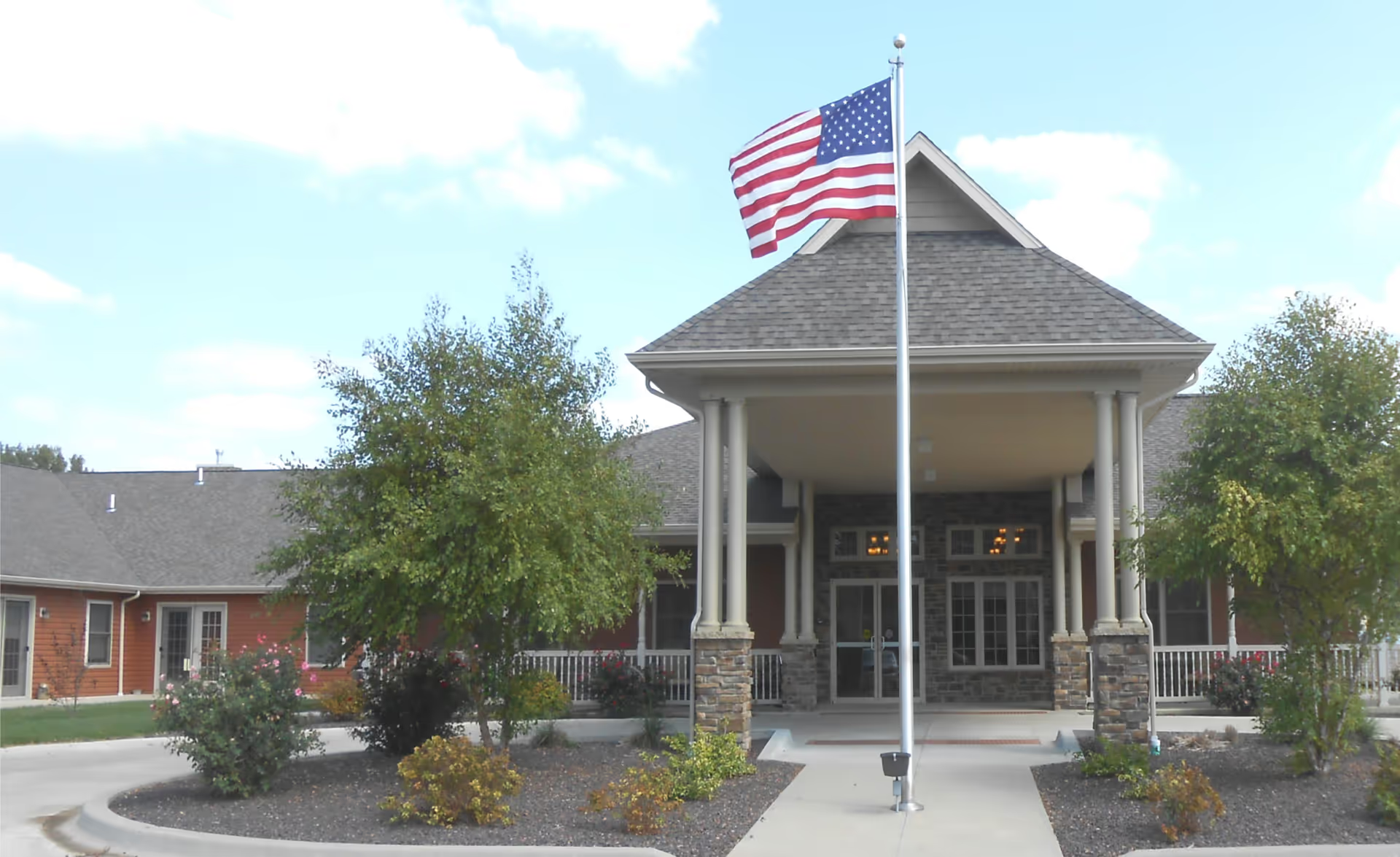
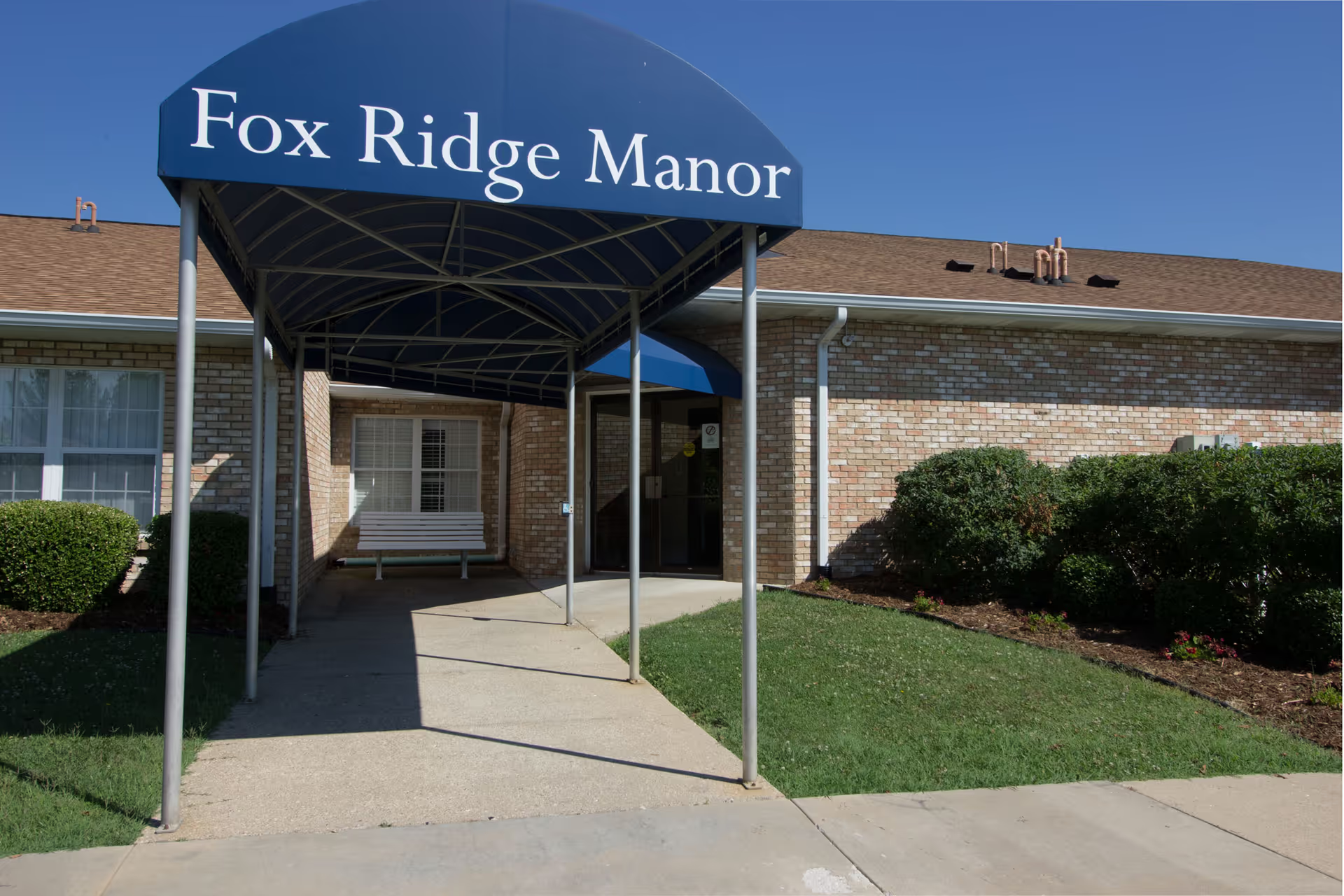
Reviews of Richland Nursing and Rehab describe a facility with a pronounced split between operational concerns and strong interpersonal strengths. On the positive side, many comments emphasize staff commitment and compassion: caregivers are described as attentive, friendly and passionate about residents, and multiple accounts praise staff members who have "stepped up" and shown sustained effort. Reviewers also highlight recent management changes and leadership engagement that appear to have produced measurable improvements, along with active community involvement and a broad activities program that contributes to a home-like atmosphere. Dining is frequently cited as a strength, with statements characterizing the food as among the best in the area.
Care-quality-related concerns center on several operational patterns. Medication-management and administration delays are a recurrent theme, including delayed or canceled medication delivery and prolonged waits for pain relief. Reviewers describe inconsistent responsiveness to acute needs, which aligns with the medication issues and suggests gaps in hourly care routines or shift handoffs. There are also repeated notes about variable care quality across shifts or units rather than a single uniform standard of care.
Communication and coordination are another area of concern. Families describe inconsistent notification processes and conflicting updates about clinical status and code status, and some reviewers noted insufficient or delayed family contact during critical events. These observations point to weaknesses in clinical documentation, escalation procedures, and end-of-life communication protocols; together they create risk for misunderstandings during transitions or acute episodes.
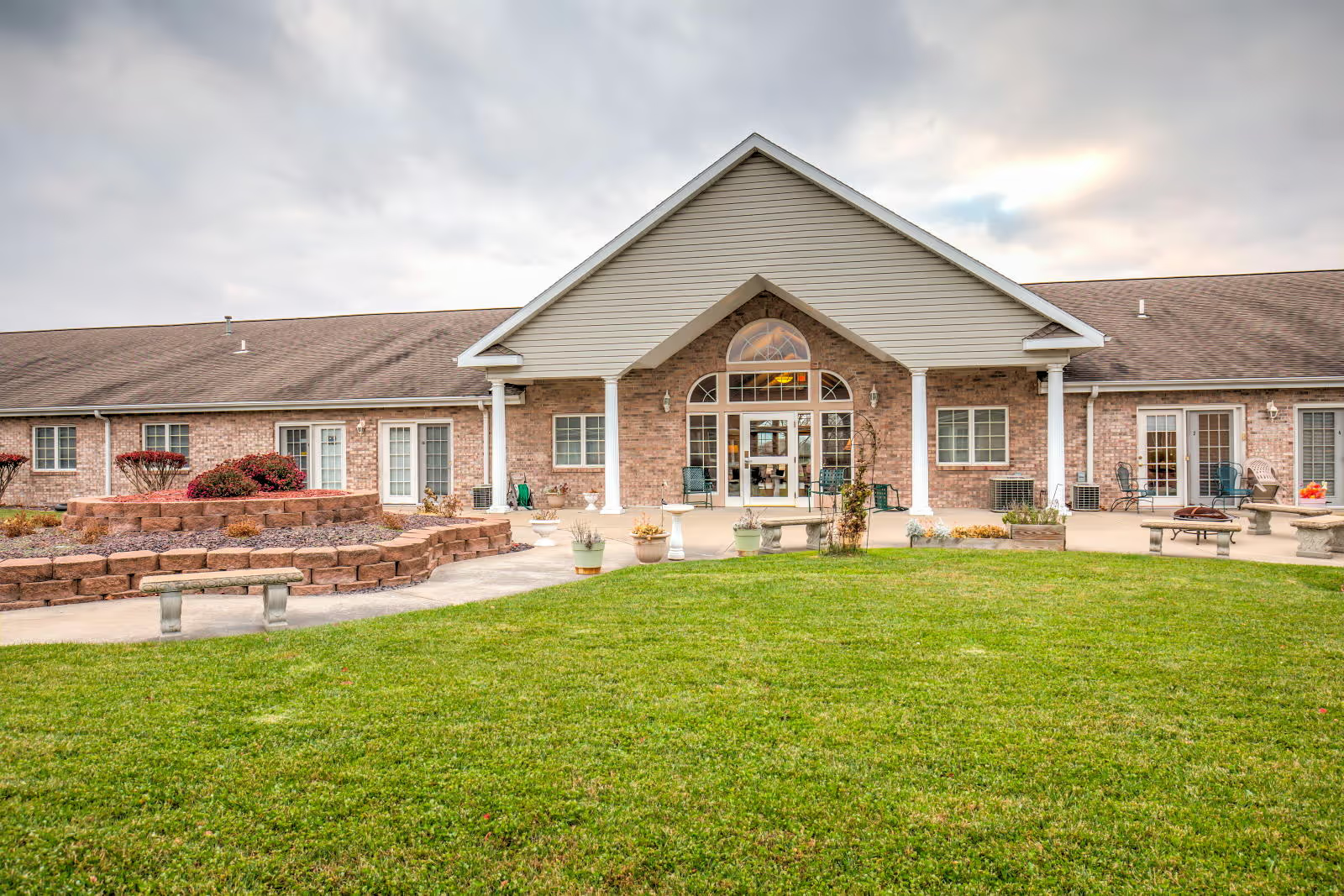
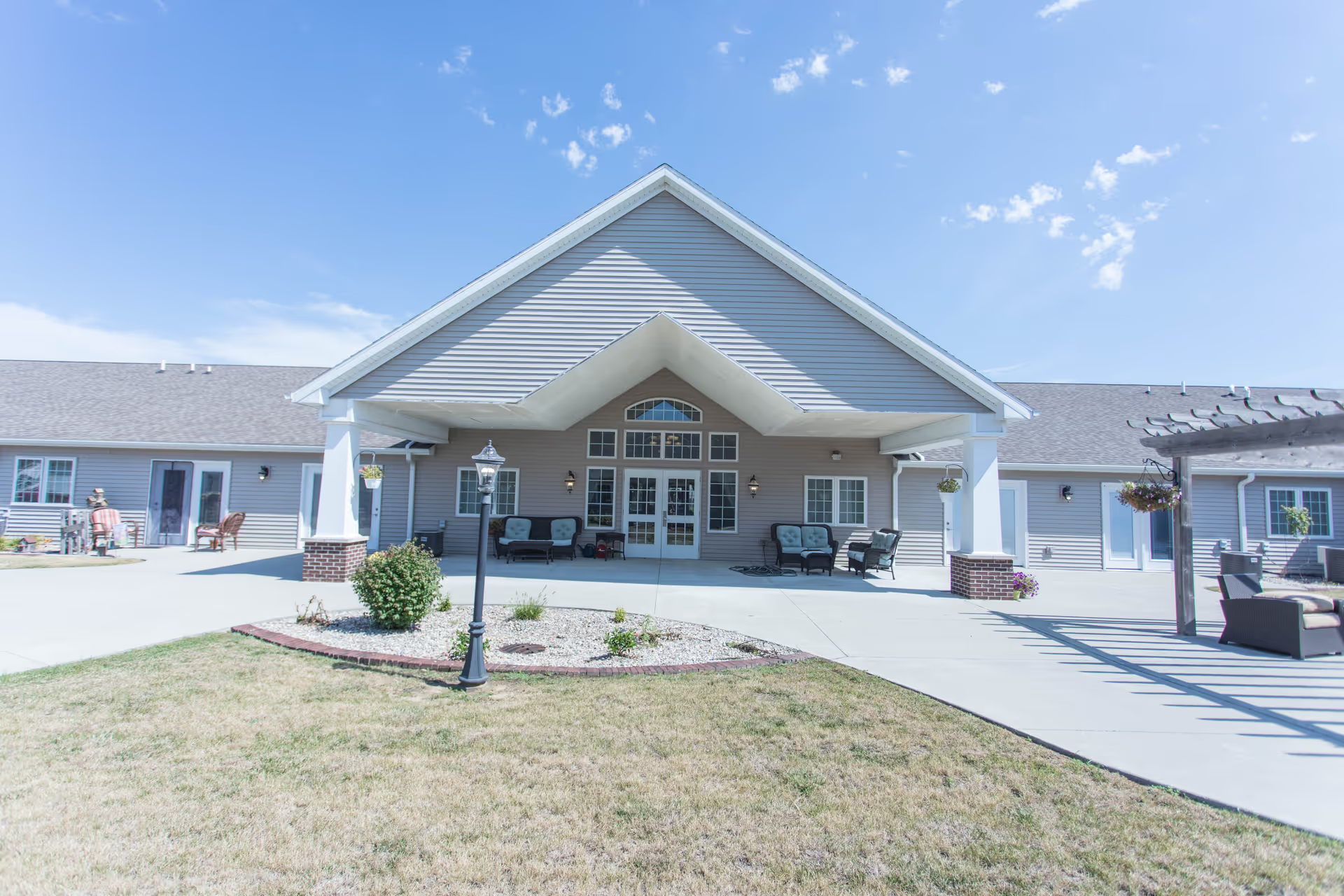
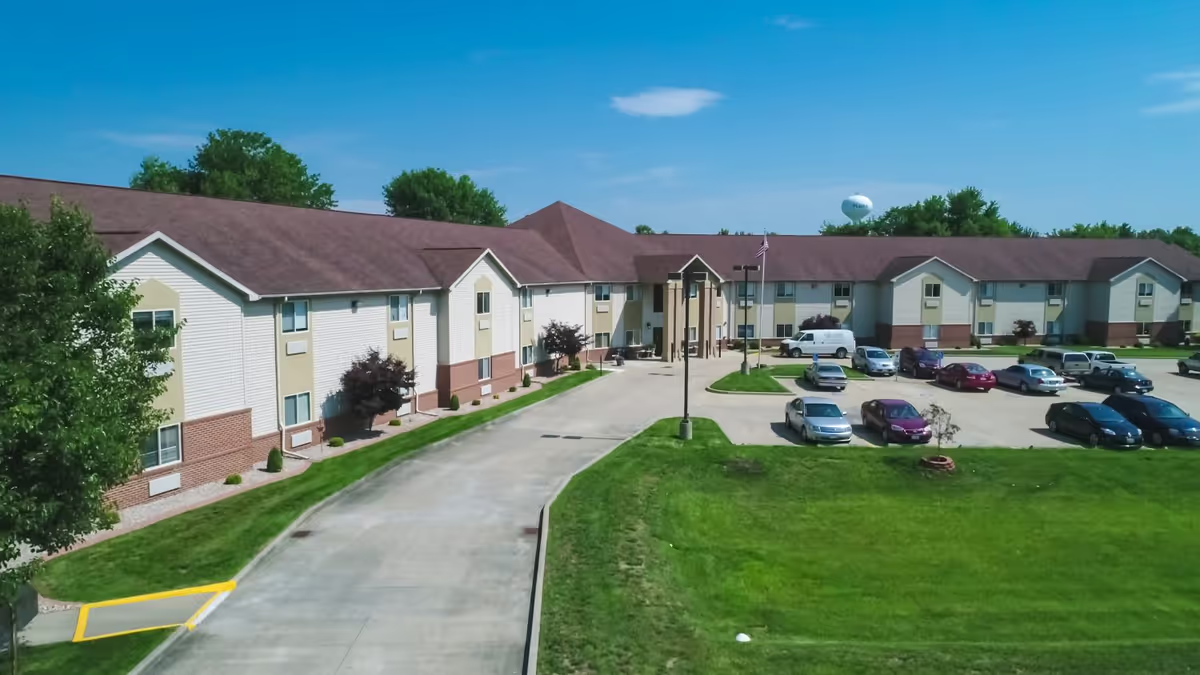
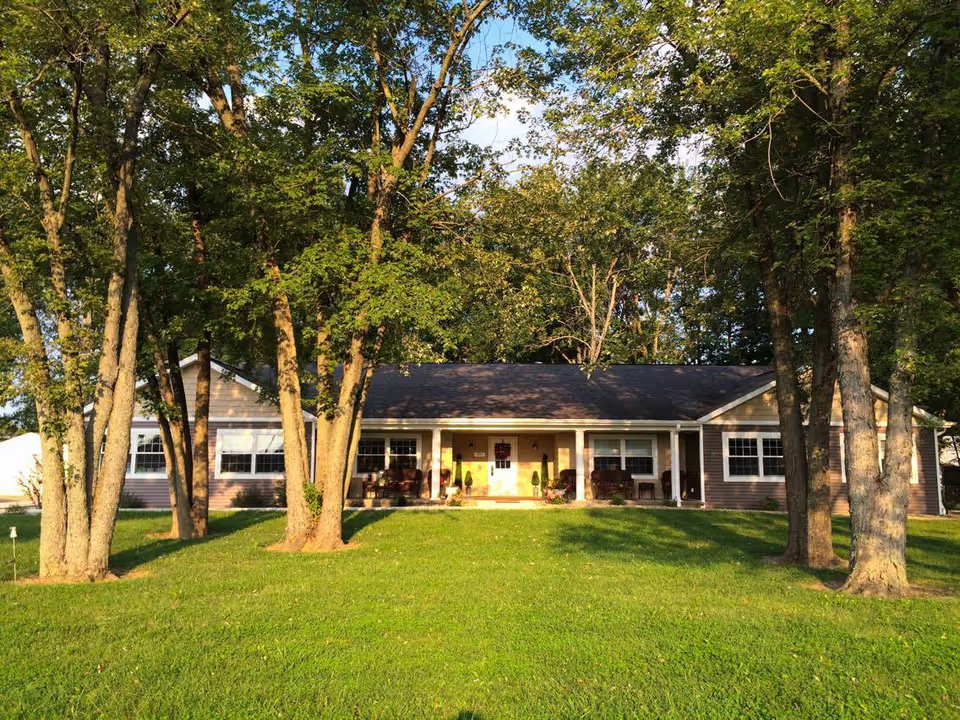
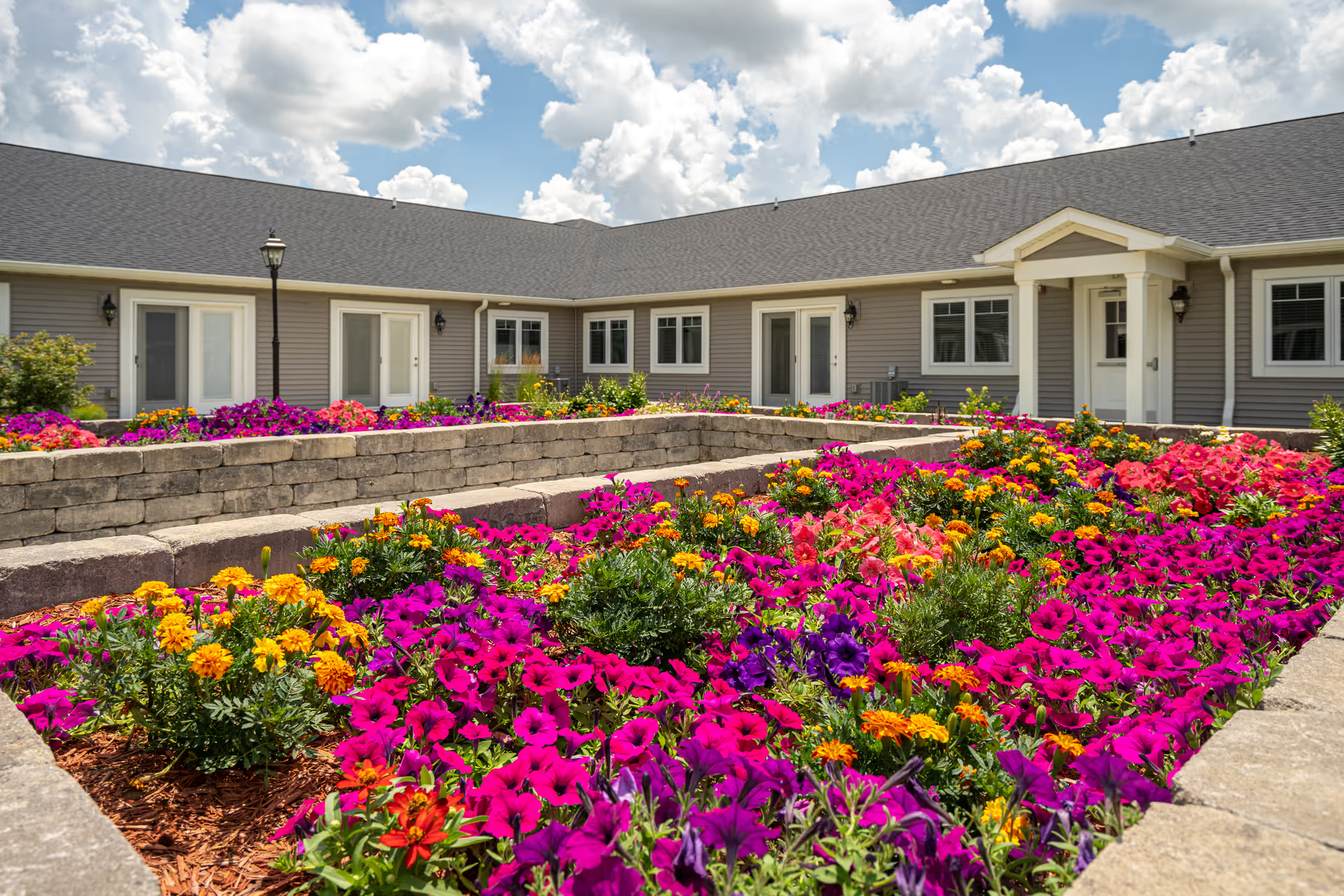
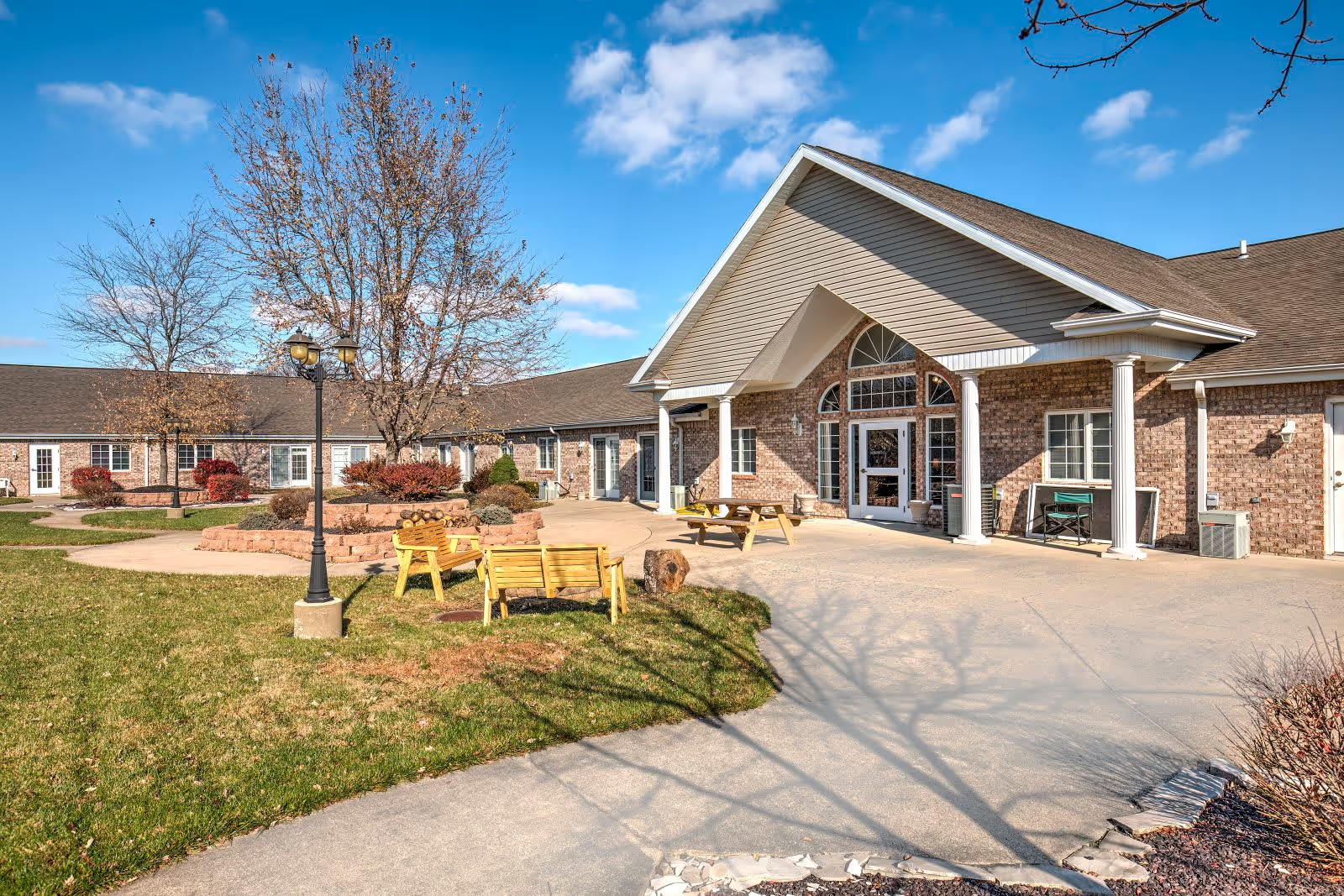
Facility and environment comments are mixed. Several reviewers reported cleanliness and sanitation concerns in resident areas and common spaces, which contrasts with others who describe a warm, home-like environment. This combination suggests uneven housekeeping or maintenance practices across the facility. Management-related comments indicate a recent positive trajectory: new leadership and operational changes are credited with improving community programming and aspects of staff performance, though some legacy issues remain.
Notable patterns: the reviews present a polarized picture—strong, caring staff and improved leadership versus persistent operational gaps in medication management, responsiveness, cleanliness, and family communication. Prospective residents and families may want to verify current protocols for medication administration, family notification and escalation, visit during different shifts to observe consistency, and ask management for recent quality metrics or corrective-action updates to confirm that reported improvements have been sustained.