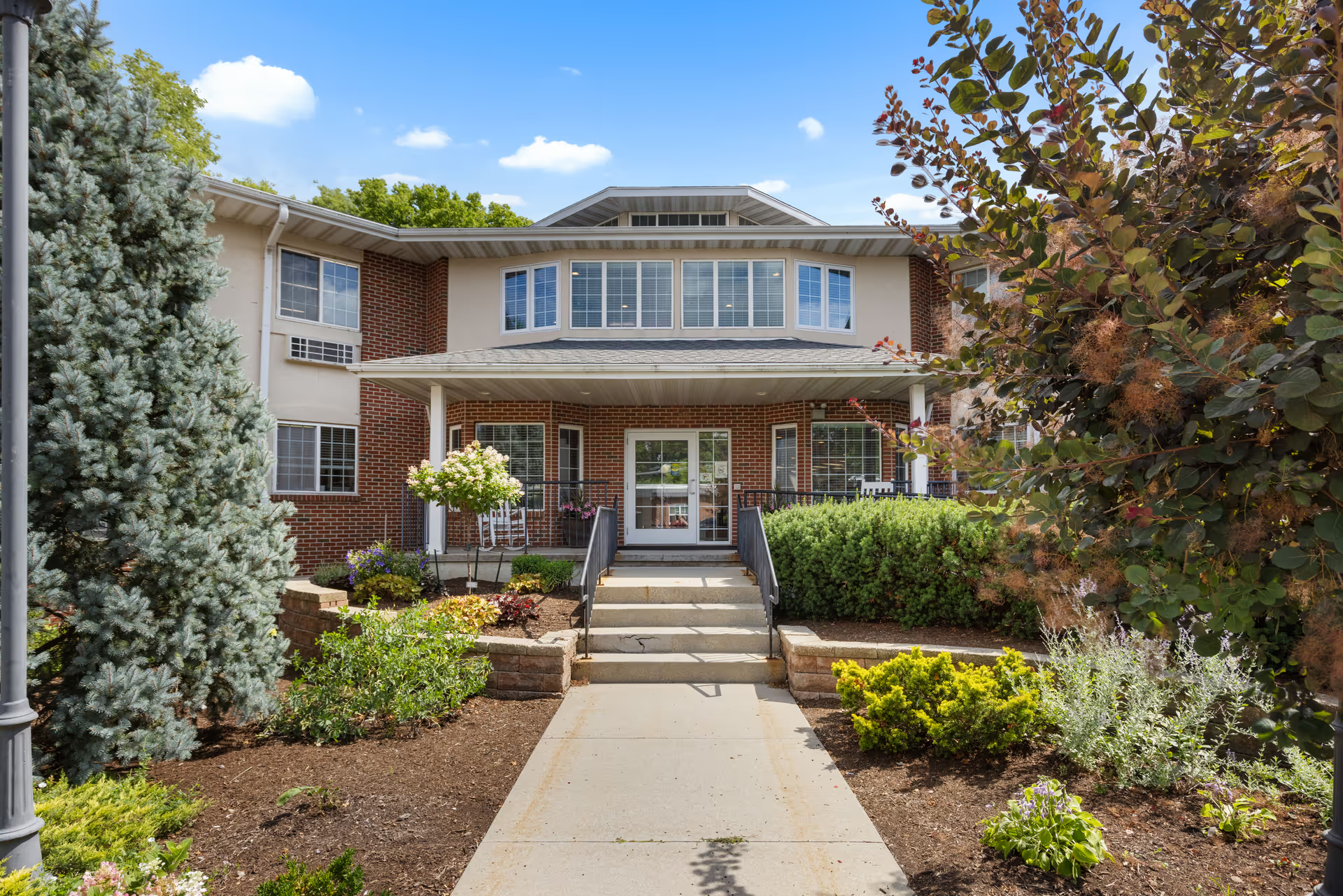
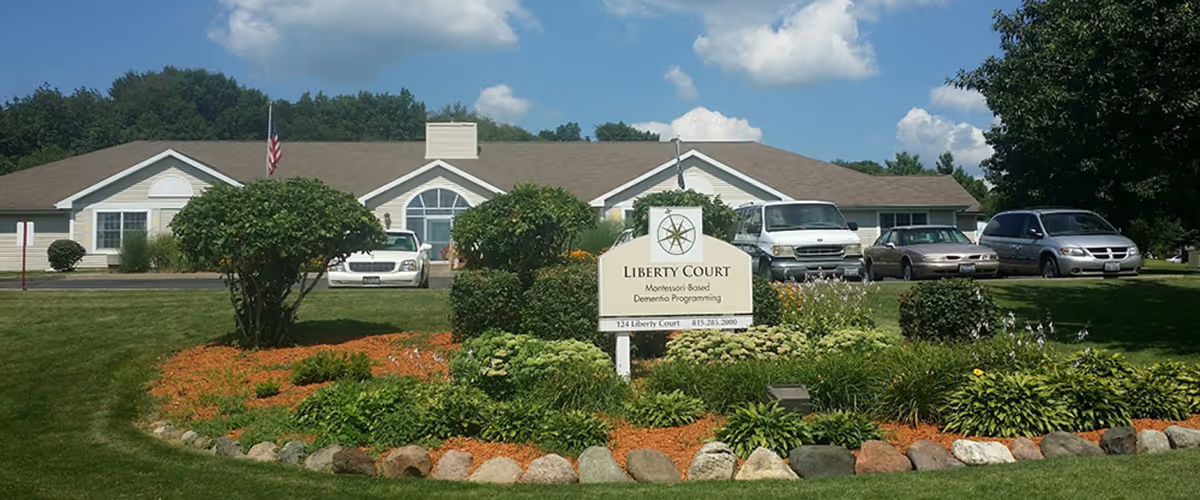
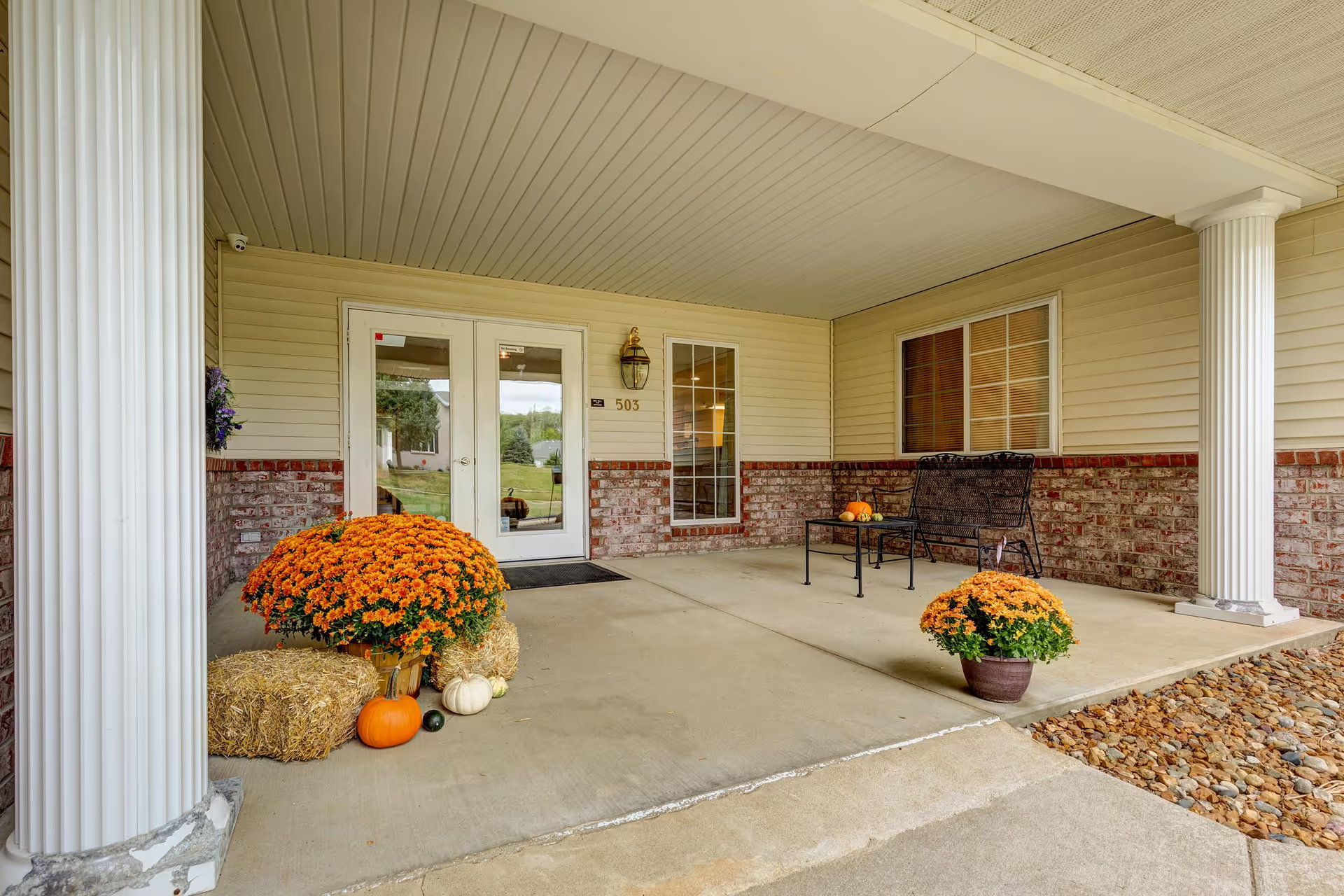
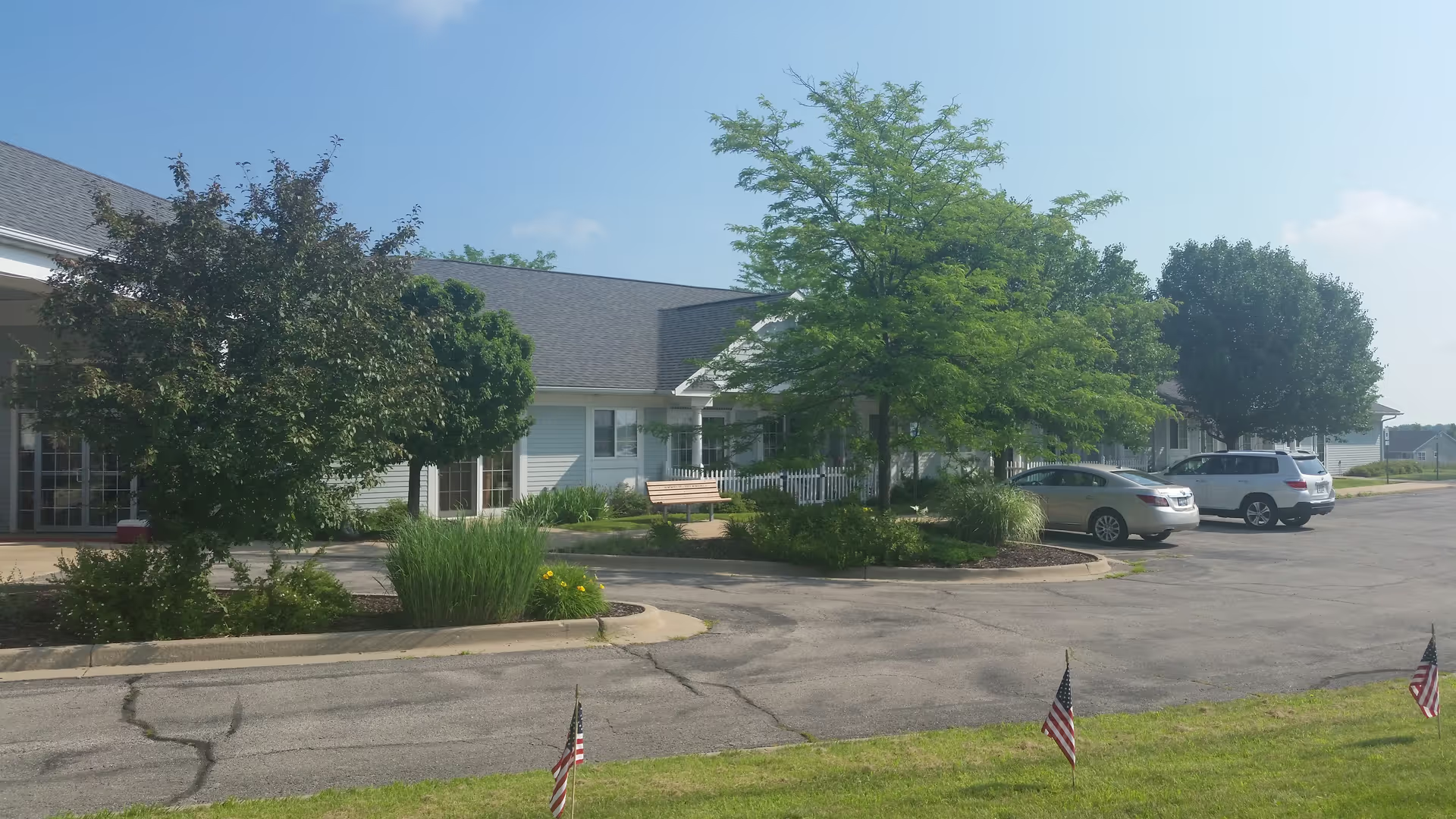
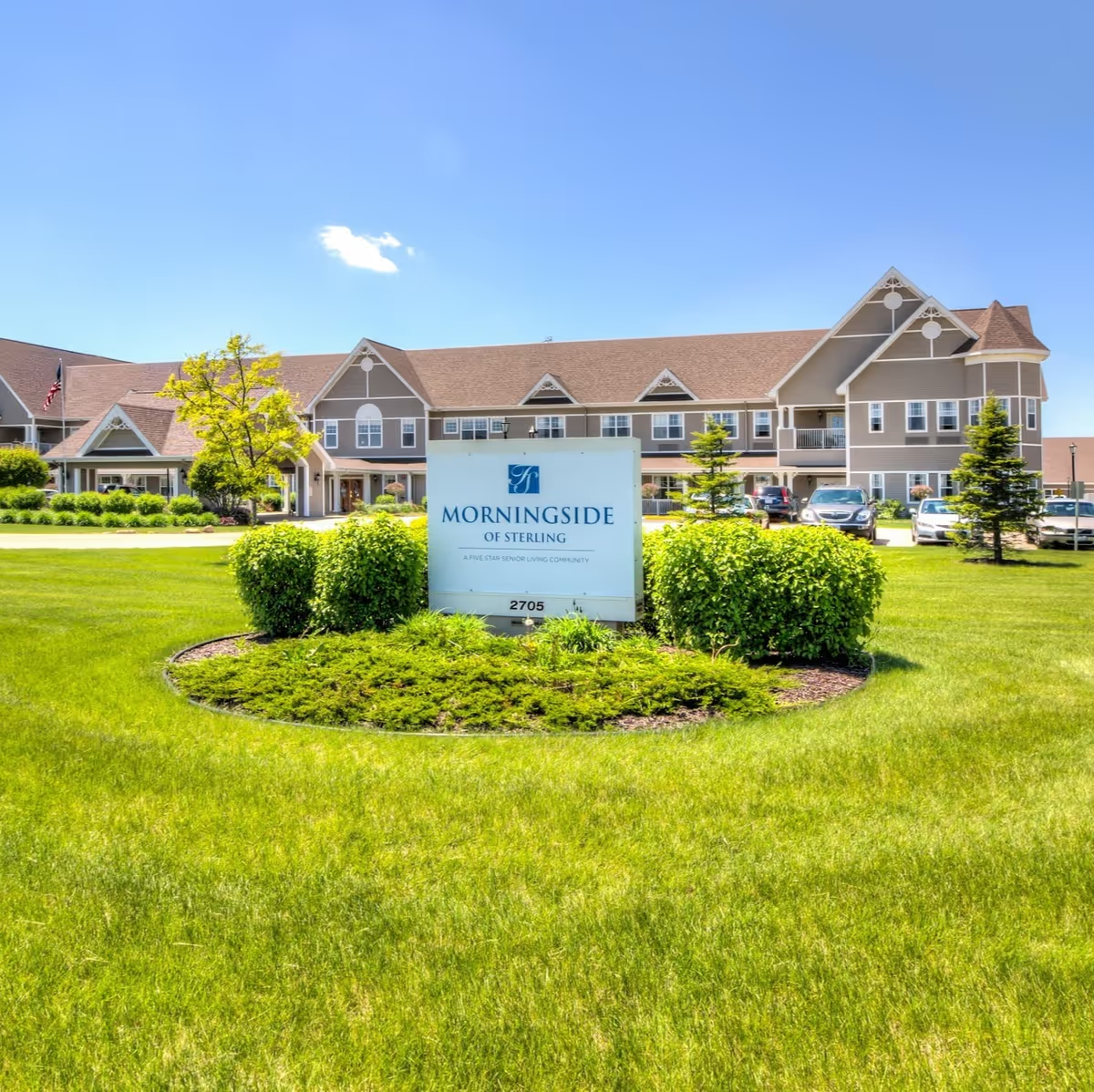
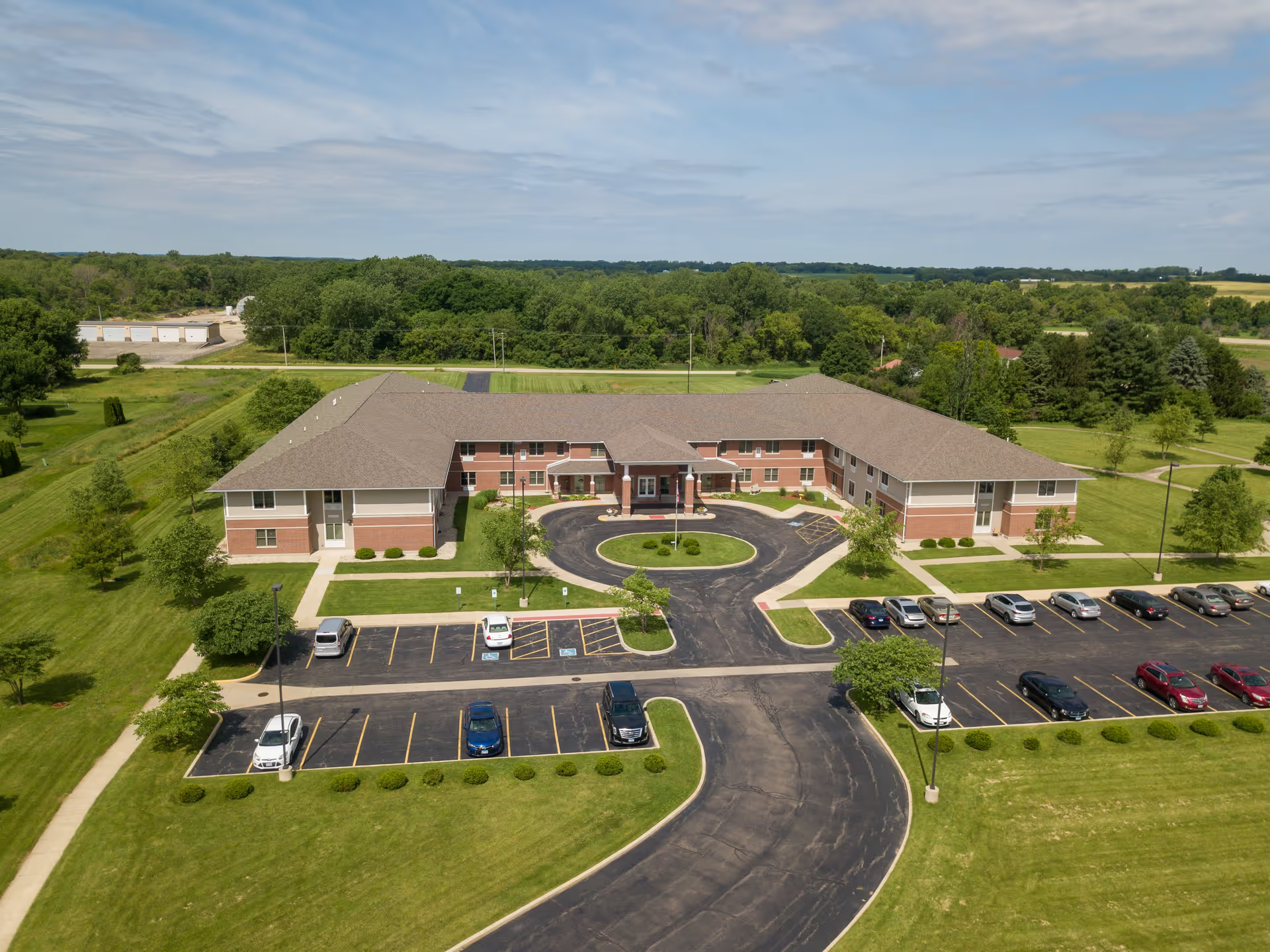
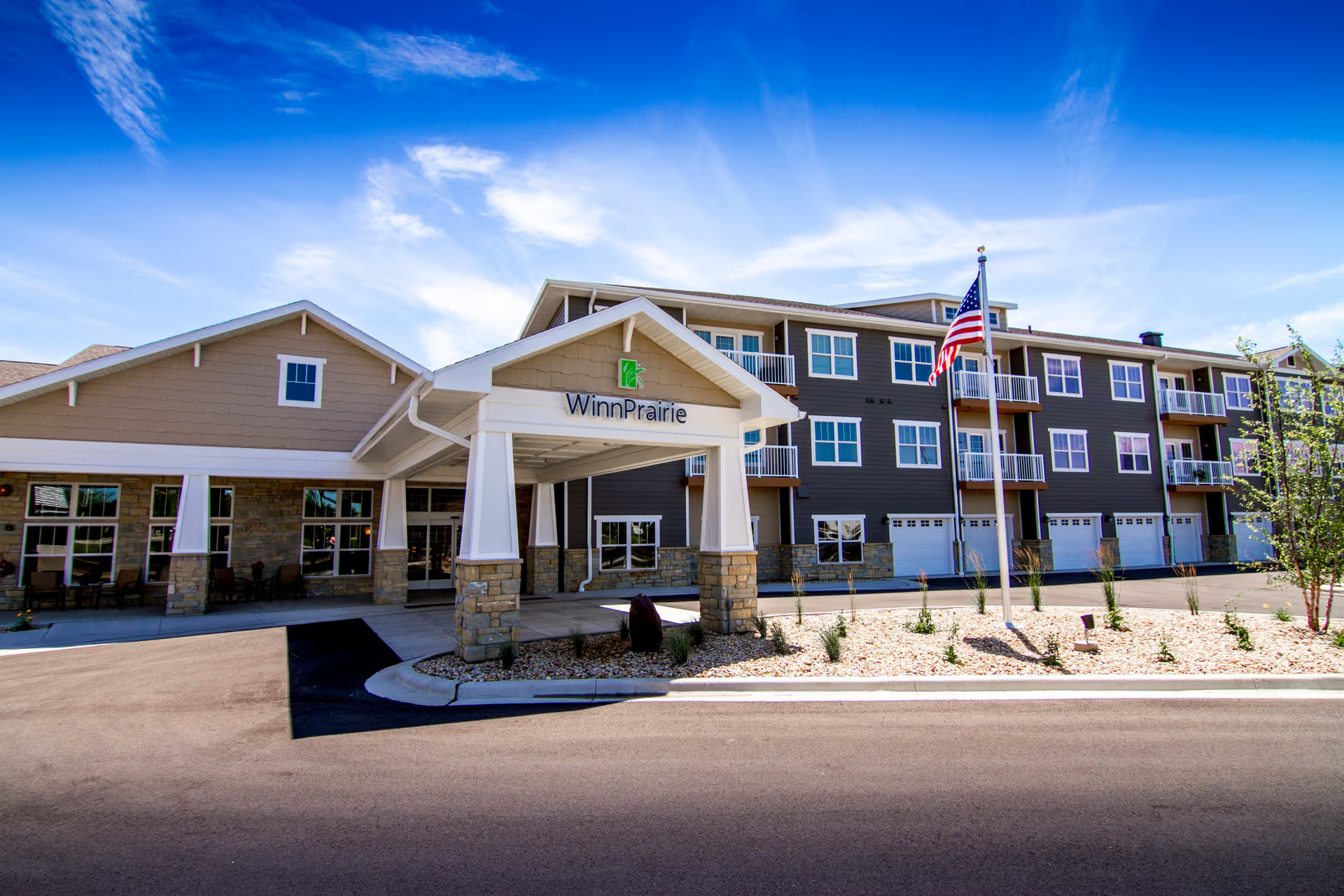
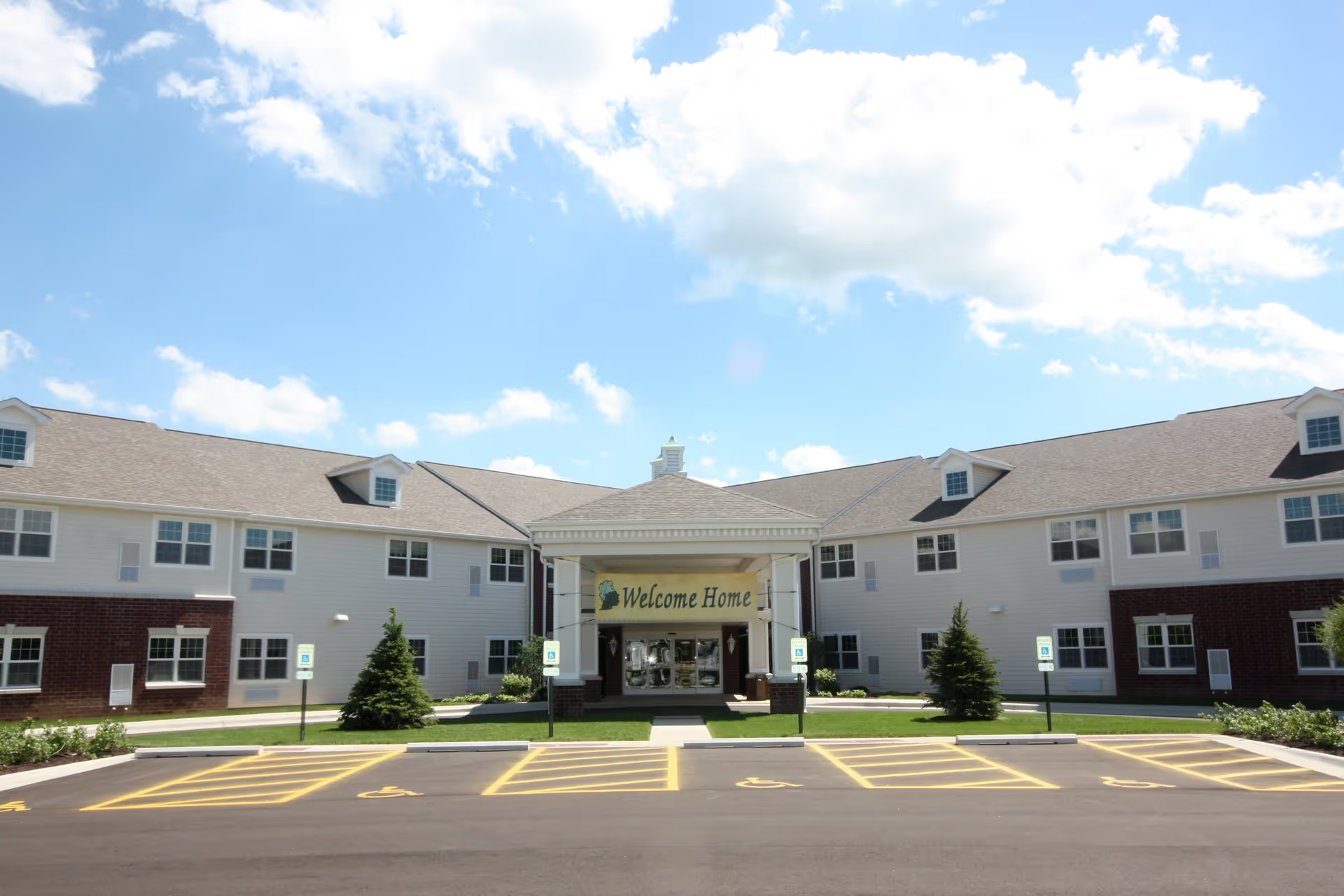
The reviews portray Shepherd Premier Senior Living as a small, homelike assisted-living option with consistently positive feedback on interpersonal care and the living environment. Across multiple summaries, families emphasize compassionate, attentive staff who respond quickly when issues arise; reviewers commonly describe the facility as clean, cozy, and welcoming. The setting is repeatedly characterized as residential and quiet, with personalized, spacious rooms and a warm aesthetic that several commenters contrasted favorably against larger institutions.
Care and staffing are described as strengths. Reviewers highlight a family-style, supportive culture with staff who go beyond basic duties to reassure families and engage residents. There are frequent comments about staff continuity, individual recognition of team members, and a general sense that needs are met promptly. That said, the reviews also indicate operational trade-offs consistent with a small-scale provider: some clinical-level care needs (those requiring ongoing skilled nursing) may exceed the facility’s typical scope, and a few families described transitions to higher-acuity settings when clinical requirements changed.
Dining and household services receive strong positive attention. The meal program is described as extensive and well-liked, with resident-planned menu options and opportunities for residents to help with cooking. Meals on-site, tasty lunches, and accommodating menus are recurring positives. However, reviewers also noted internal staffing arrangements in the kitchen area that suggest gaps in dedicated culinary leadership; in a few cases, caregiving staff performed kitchen tasks, indicating role overlap that could create workload strain or affect operational consistency.
Activity programming is another clear positive: summaries highlight engaging daily activities, outings, and a pet-friendly policy that supports resident engagement and family comfort. The facility’s small size appears to contribute to a family-like atmosphere and individualized attention, helping foster social interaction and energetic communal life for residents who thrive in that model.
Management and operational patterns show strengths in responsiveness and family communication, with issues reportedly handled quickly and staff described as accommodating. The principal operational weaknesses inferred from the summaries are limited culinary leadership and role overlap where caregiving staff take on nonclinical tasks, and a constrained capacity for ongoing high-acuity skilled nursing. Prospective residents and families seeking a small, community-oriented assisted-living setting are likely to find this facility appealing; those anticipating sustained needs for skilled nursing should verify clinical capabilities and transition plans with management before moving in.