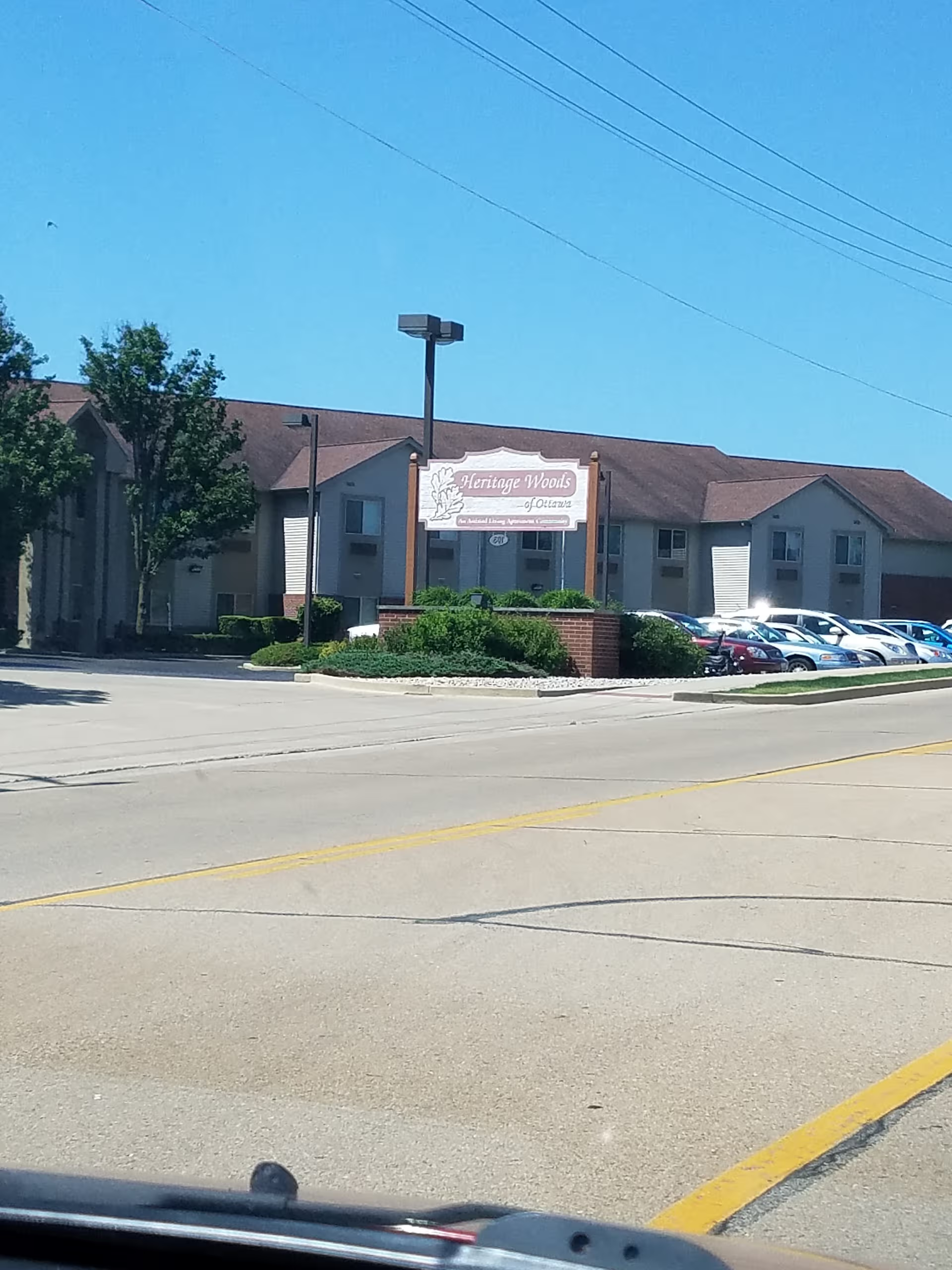
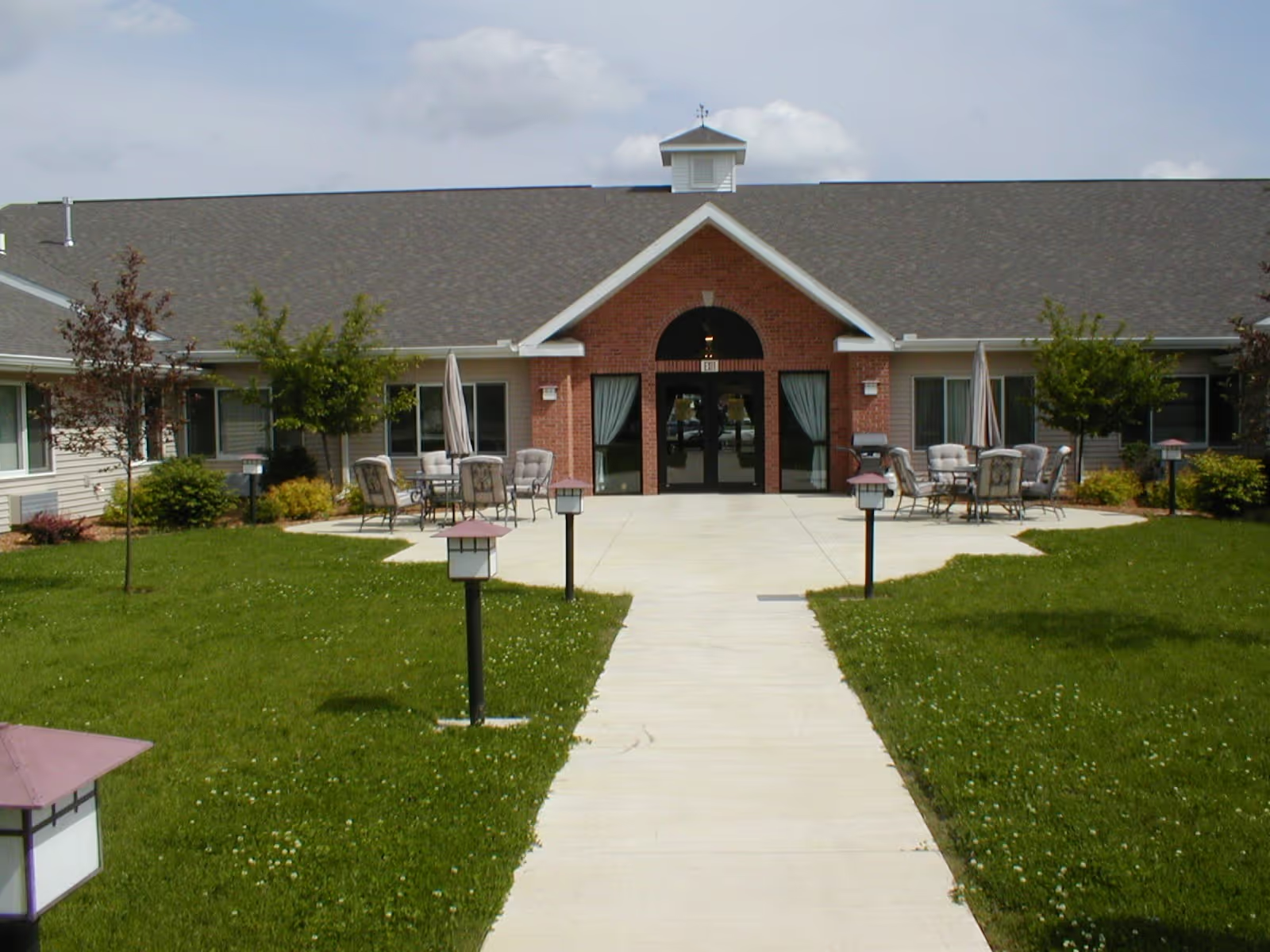
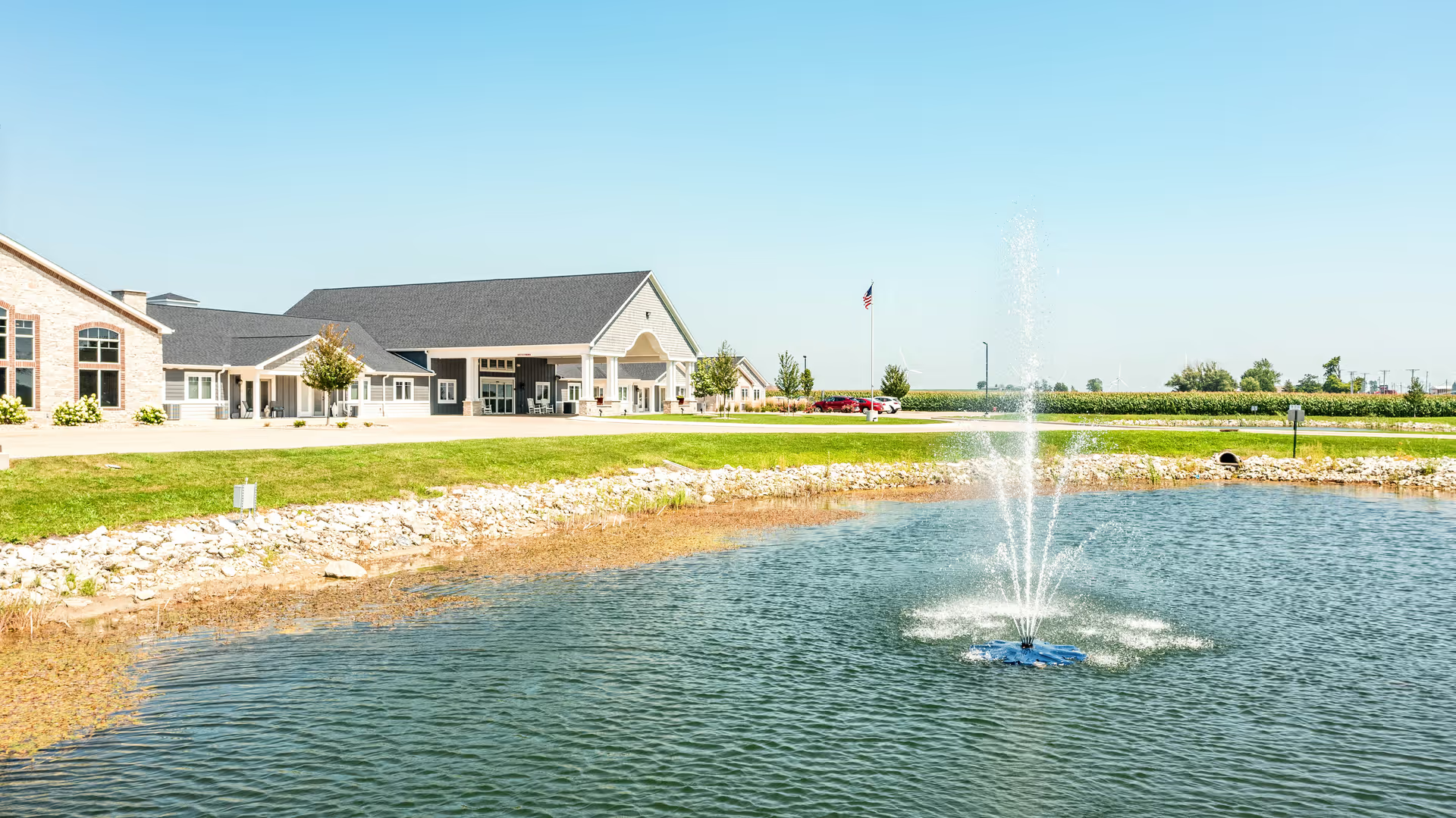
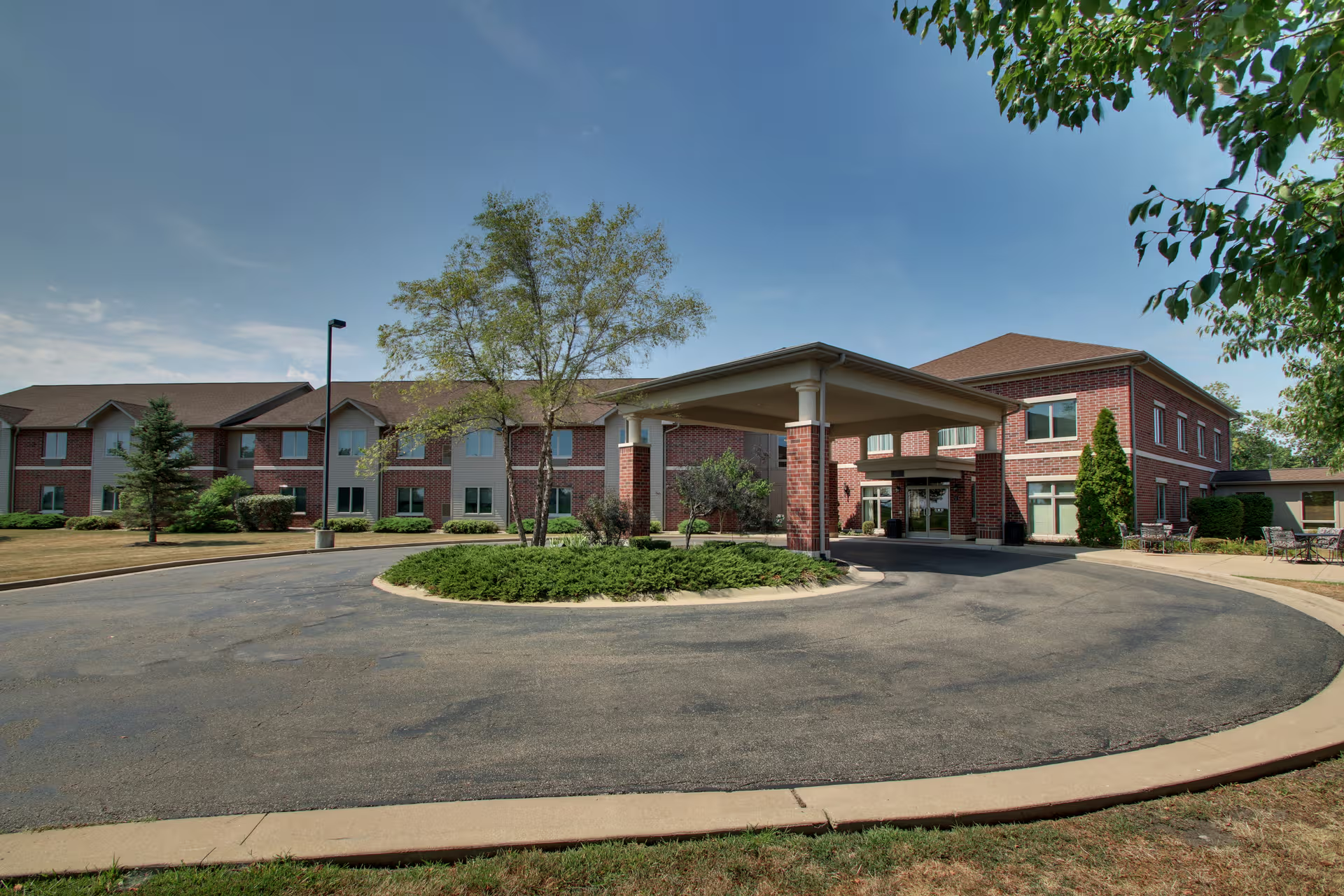
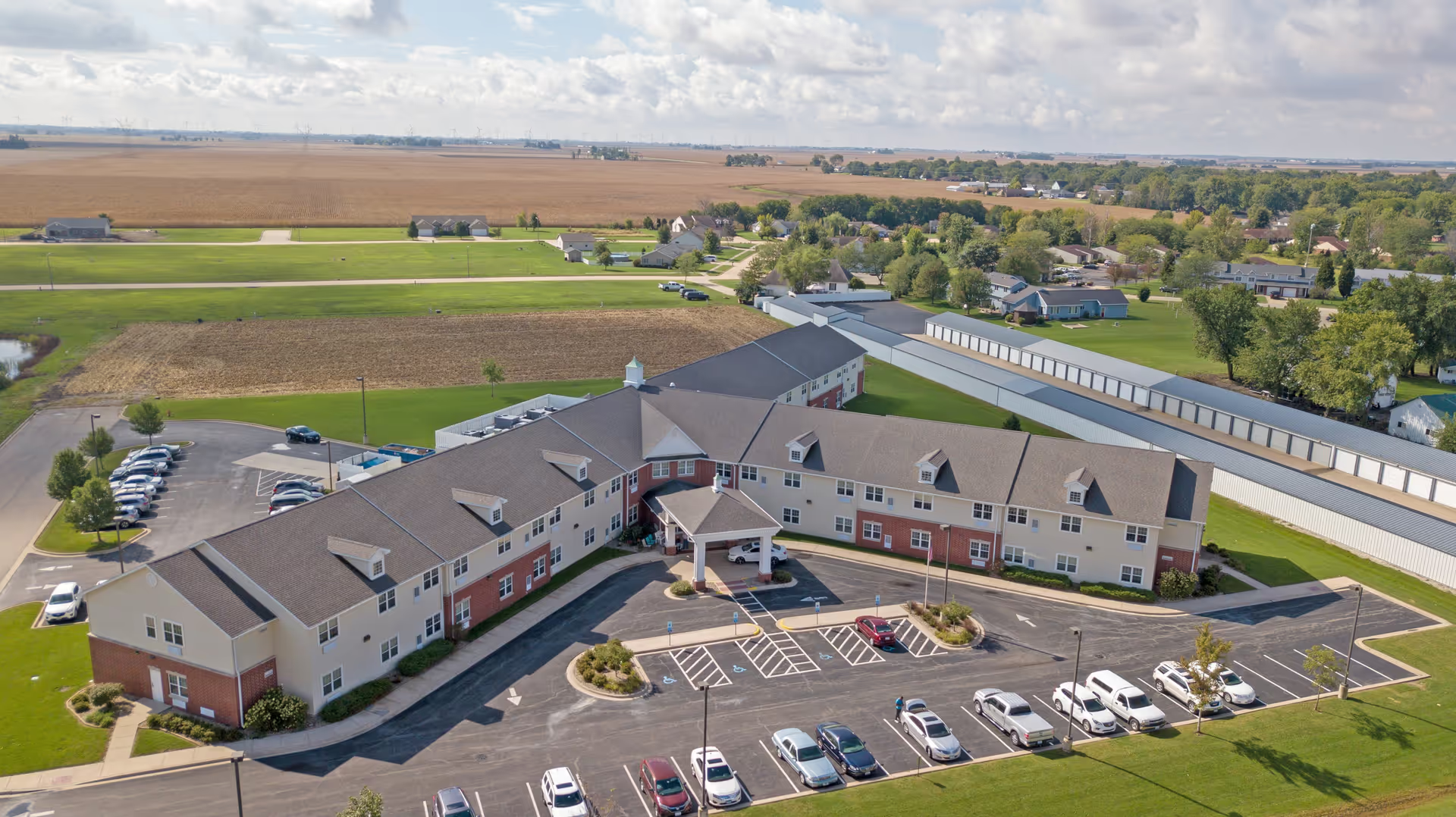
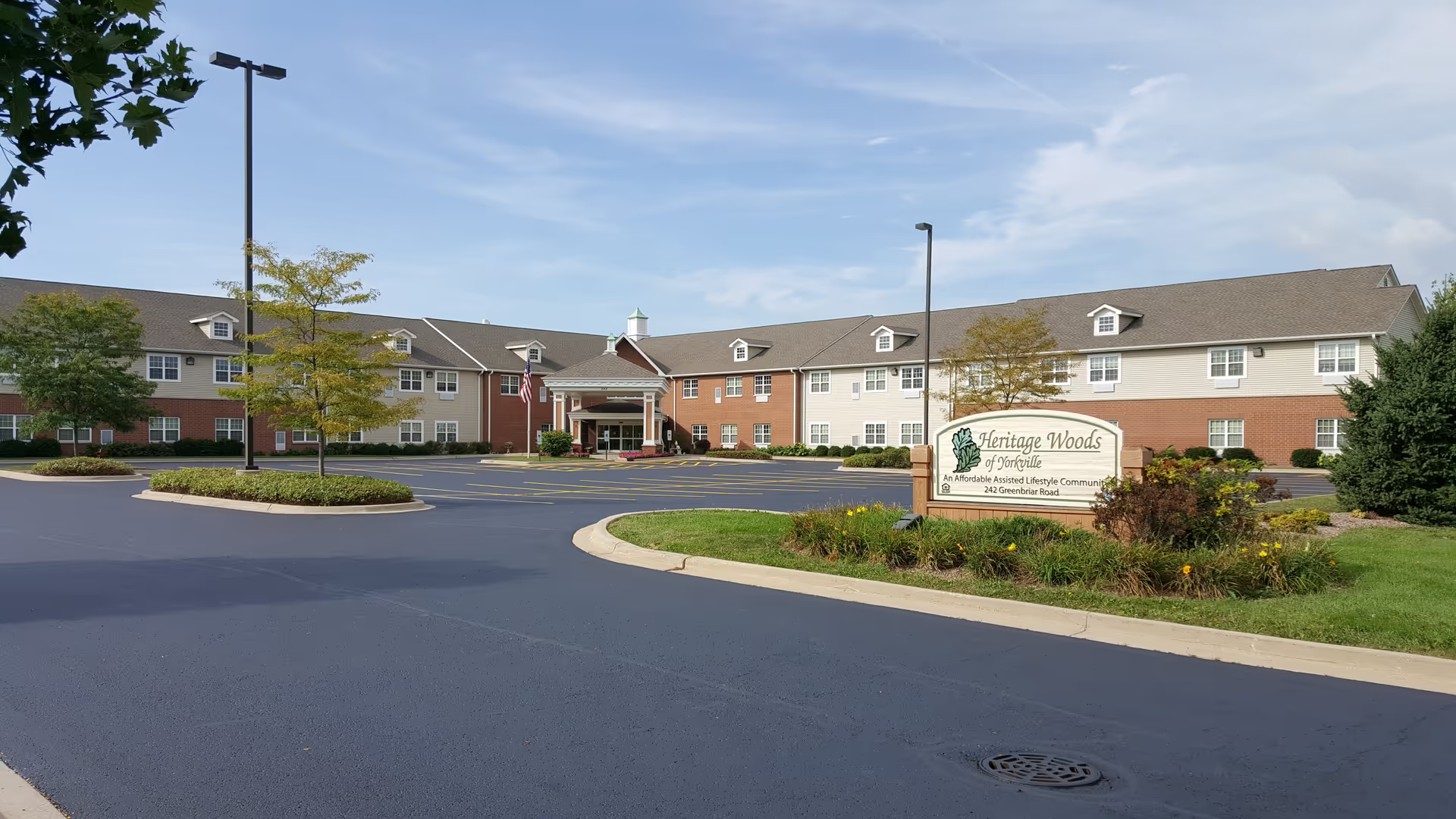
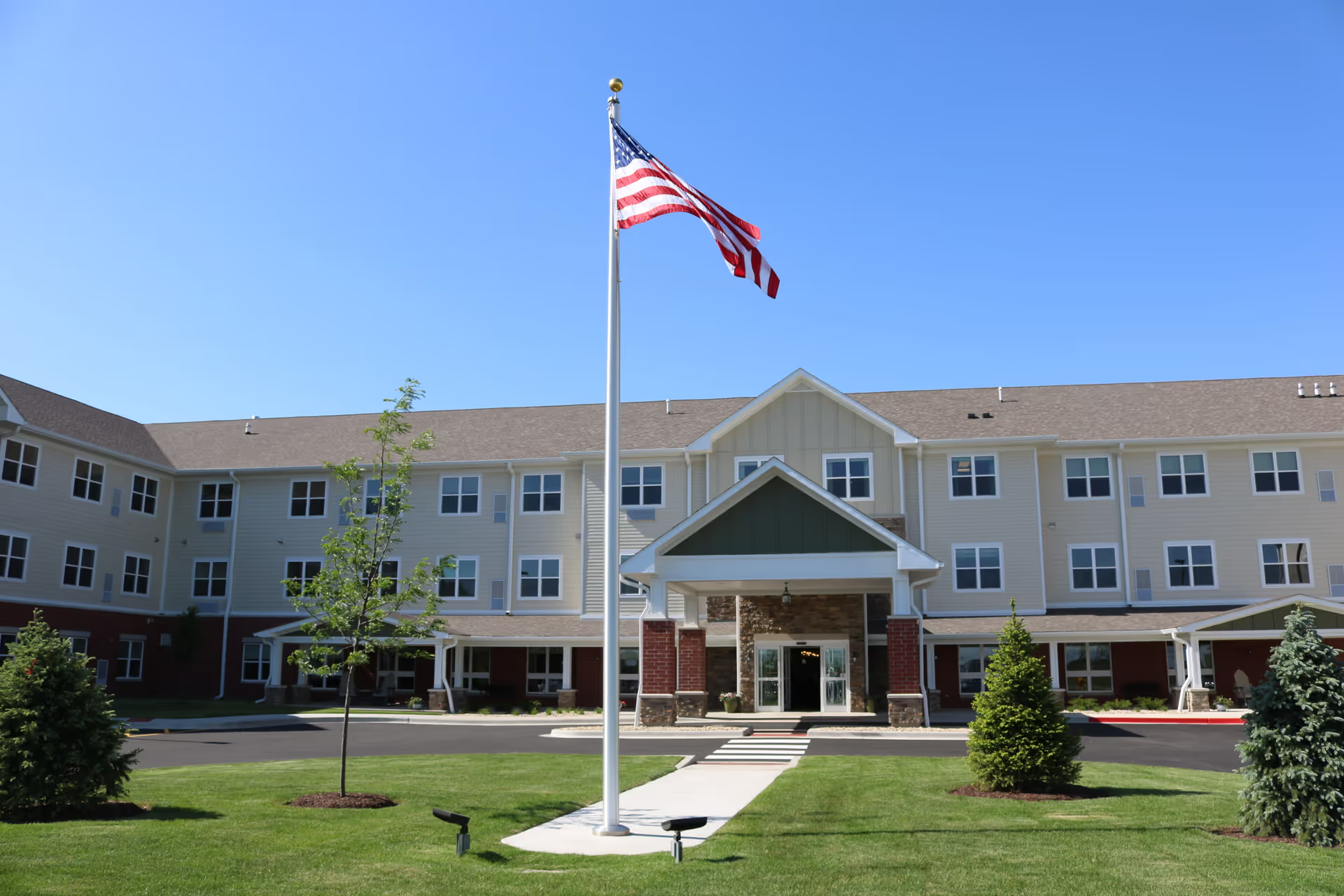
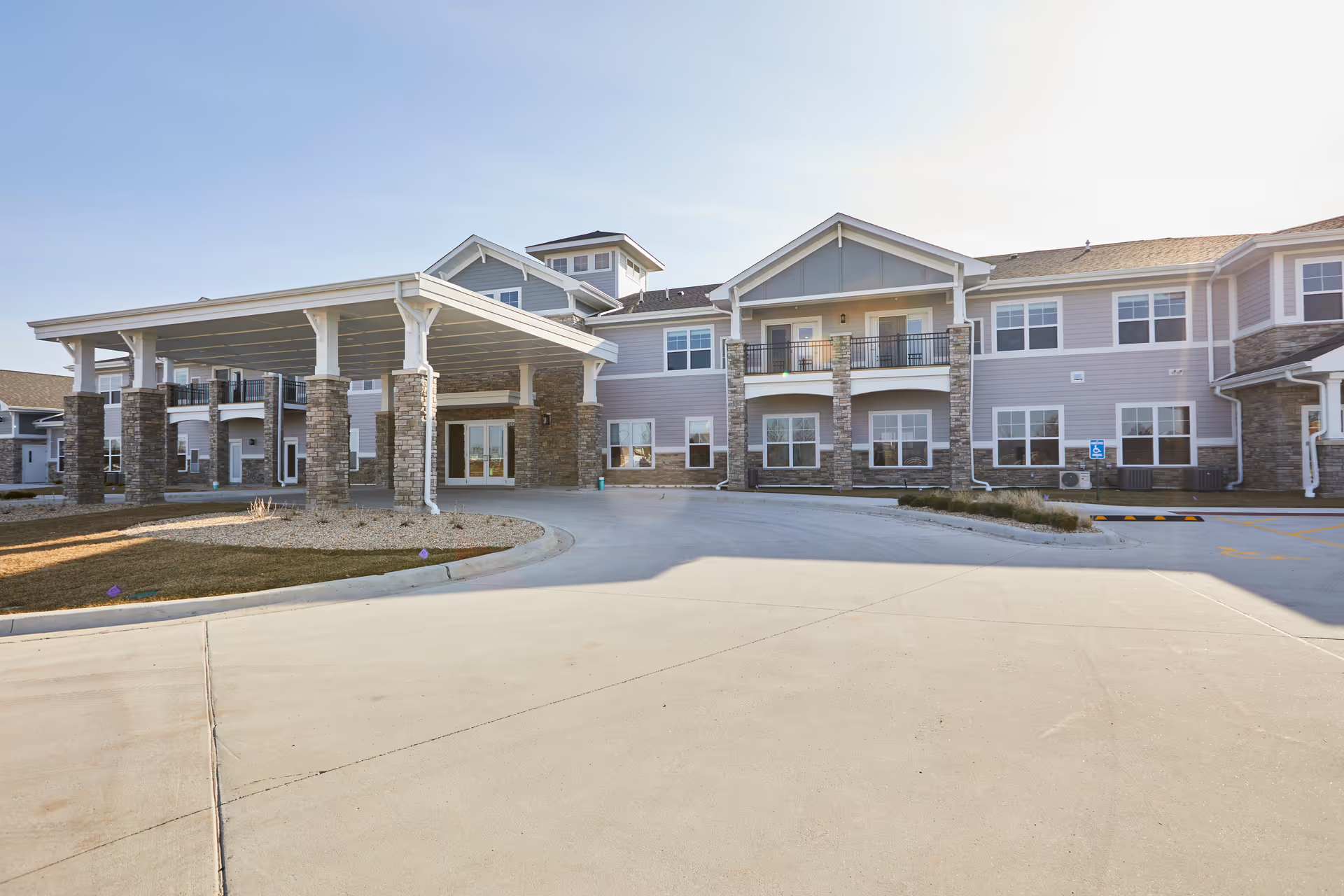
Overall impression: The facility is frequently described as a well-kept, bright, and welcoming campus with a strong clinical and therapy focus. Many accounts emphasize attentive, compassionate caregivers and effective rehabilitation services that helped residents regain mobility and prepare for discharge. Several reviewers singled out individual staff members and therapy teams for above‑and‑beyond attention, and others noted smooth admissions and transfers.
Care and staff: A dominant theme is positive caregiving — staff are described as caring, thorough, and responsive in many cases. Clinical care quality and rehabilitation/therapy programs are repeatedly characterized as effective, with measurable progress reported by families. At the same time, there are recurring operational concerns: inconsistent responsiveness to resident calls, variable staff conduct and tone, and occasional delays in addressing continence needs. Prospective families should ask about staffing ratios, call‑bell response metrics, and incident‑response protocols during a tour.
Dining and activities: Dining receives consistent praise for restaurant‑style choices, a bistro option, and the ability to accommodate dietary preferences (including vegetarian choices); fresh fruit and varied menu selections were noted positively. Some reviewers described slower meal service at times, so meal‑service continuity can be uneven. The activity program is described as broad and engaging — organized groups, outings, walks, exercise equipment, and reading or games are commonly mentioned, supporting resident engagement and socialization.
Facilities and safety: Physical spaces are generally viewed as clean, updated, bright, and accessible, with a central garden and secure features such as locked floors and elevator alarms. These attributes contribute to a calm, peaceful environment. However, sanitation concerns in certain common and dining areas were reported by some families, and shared‑laundry processes were flagged as an operational gap to review.
Management and operations: Several positive notes point to reasonable cost, proactive discharge planning, and generally good administration. Conversely, there are notable operational weaknesses: gaps in clinical‑incident response and family communication after falls or other events, inconsistent handling of personal property (lost or misplaced clothing and equipment), and billing/refund disputes. These issues appear sporadic but important to investigate; asking about property controls, billing escalation paths, and incident‑reporting procedures is advisable.
Notable patterns and guidance: The strongest patterns are high marks for clinical care, therapy, dining variety, and an active community life. The clearest concerns are operational — responsiveness, sanitation in specific areas, property controls, and administrative follow‑through. Families considering this facility should balance the documented strengths in care and programming with targeted questions about staffing consistency, incident response, laundry/property procedures, sanitation audits, and billing practices during visits.