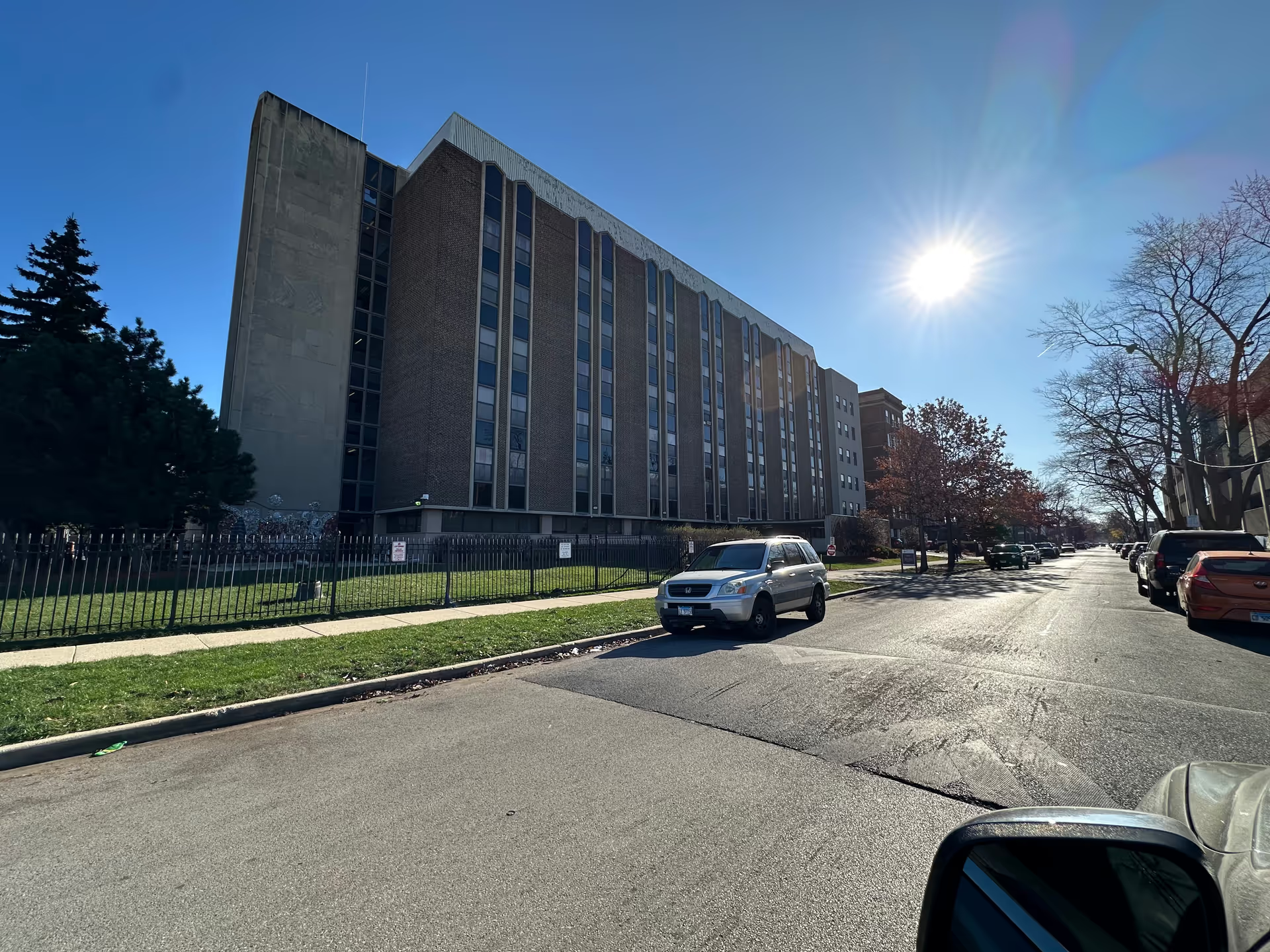
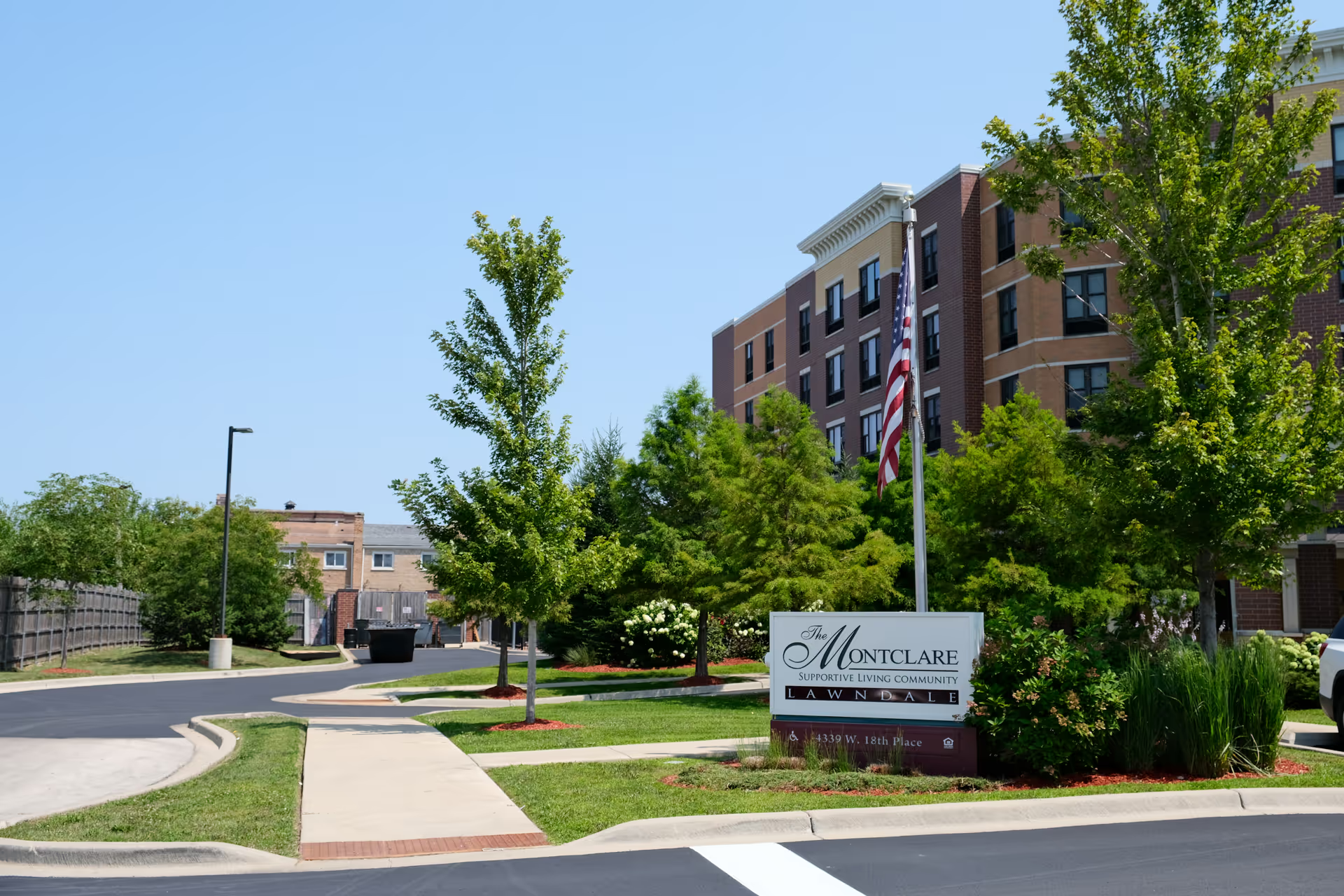
Overall impression: Reviews describe a facility with strong hospitality, appealing built environment, and an active social program, paired with recurring operational and clinical concerns. Many families praise the warmth of frontline caregivers, the facility’s aesthetics, and the range of amenities and activities. At the same time, several families raised consistent concerns about administrative responsiveness, staffing stability, and clinical processes that prospective residents should evaluate carefully.
Care and staff: Frontline caregiving receives frequent positive remarks — staff are often described as caring, familiar with residents’ names and preferences, and attentive to grooming and daily needs. However, reviewers also cite staffing instability and turnover as recurring problems that can affect continuity of care. There are specific concerns about medication administration and reconciliation processes, and some families reported delayed responses to call buttons or other requests for assistance. In the memory-care context, reviewers expressed worries about inadequate staffing levels and limited specialized programming; these make it important to confirm staffing ratios, training, and supervision when evaluating the unit.
Dining and activities: Dining is commonly highlighted as a strength: on-site chef services, healthy menu options, and an elegant dining room were positively noted. At the same time, there are isolated concerns about meal portion sizes, freshness, and meal-delivery practices (including food left in rooms). Activities and programming are generally robust — games, movies, art rooms, buses for outings, and regular social gatherings were described positively — though some families wanted more interactive or physical-activity options, particularly for residents needing more engagement.
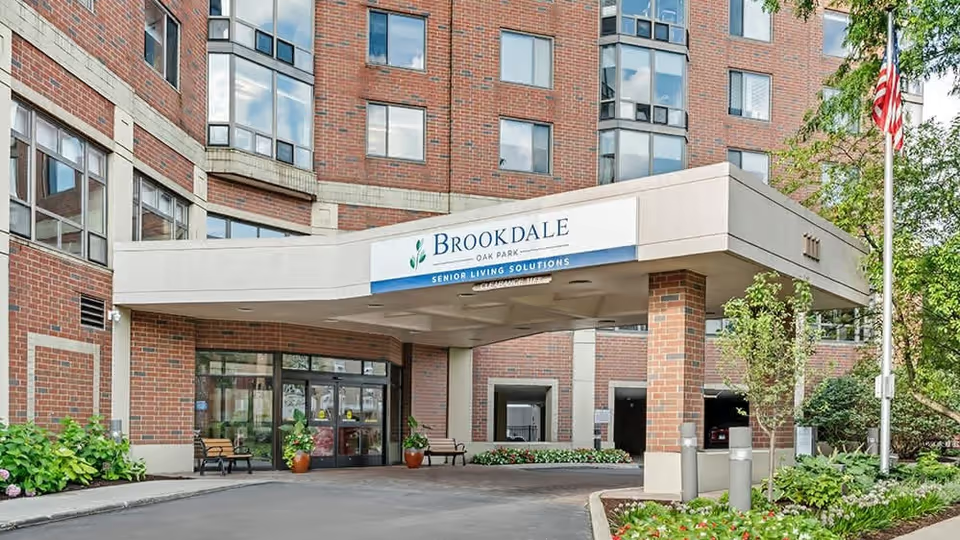
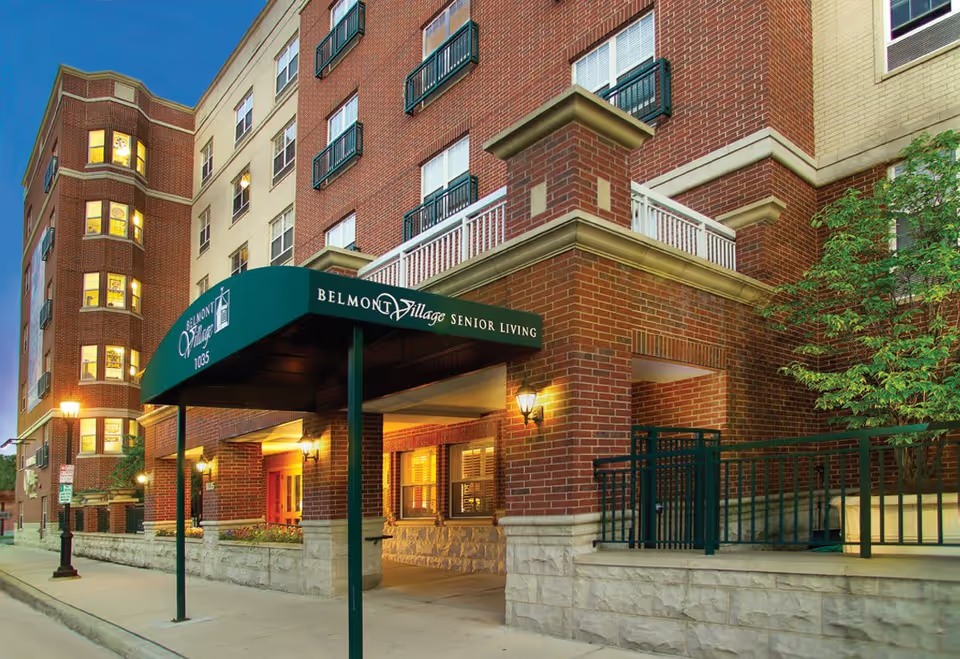
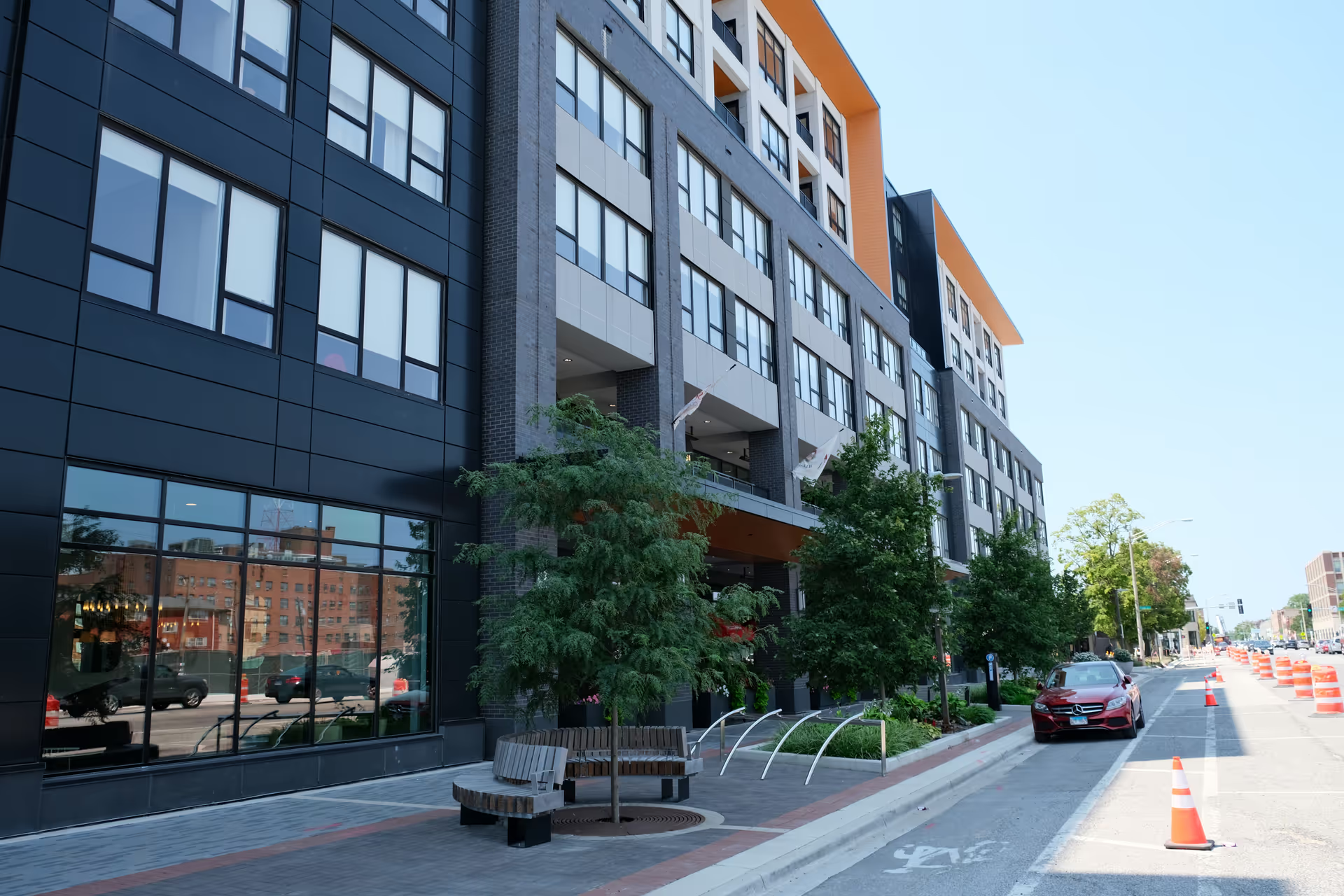
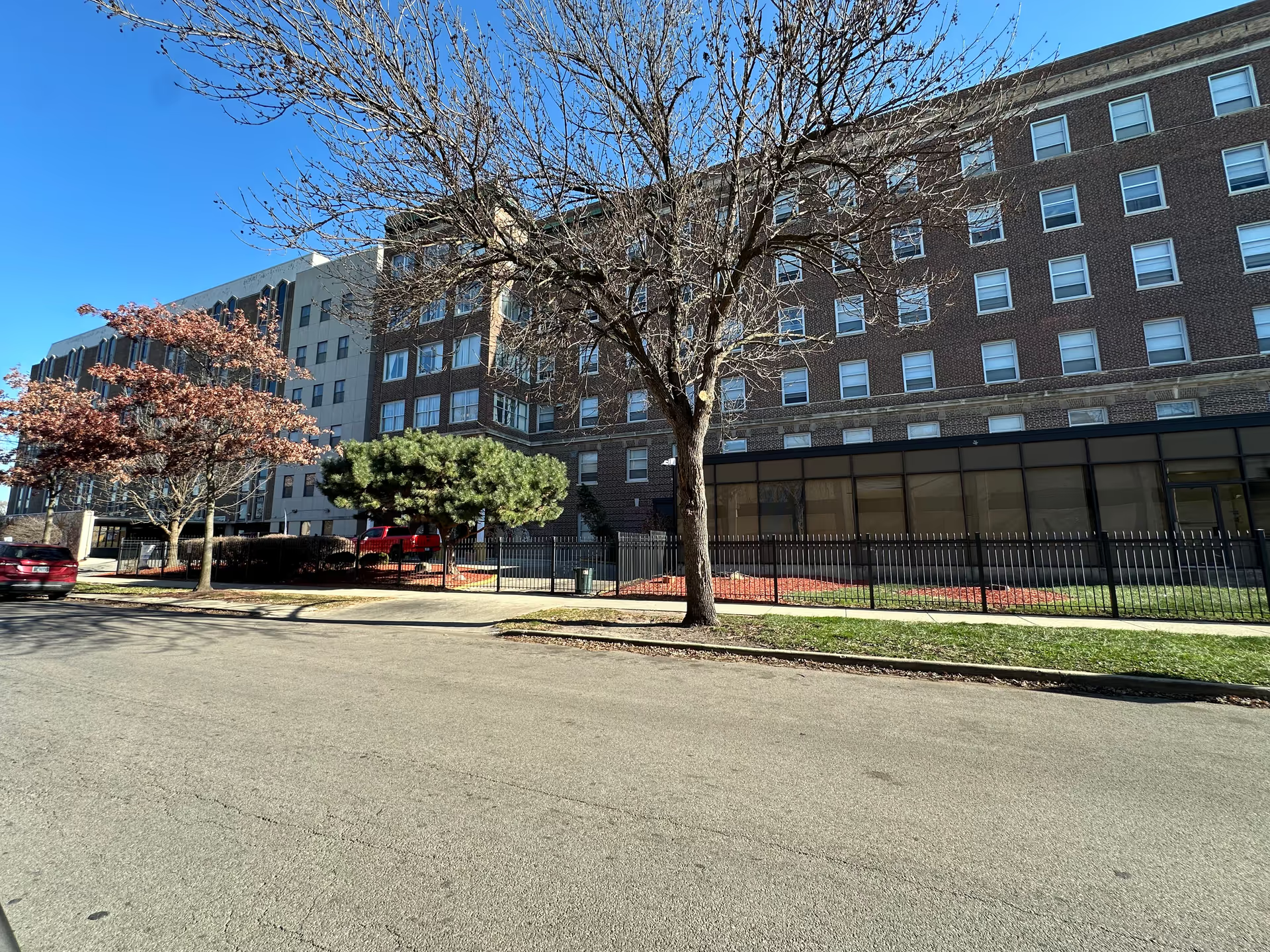
Facilities and amenities: The physical plant is a clear selling point for many reviewers: clean, attractive interiors, large well-lit apartments, spa and fitness spaces, and comfortable common areas. The community also supports pets and offers flexible housing configurations such as a separate spouse unit. Contrasting observations include comments about smaller apartments in some units, limited exterior grounds or outdoor space, and variable housekeeping practices (for example, linens and room maintenance). Reviewers also mentioned occasional equipment or safety-monitoring gaps that management should address.
Management and patterns: A common pattern in the reviews is a gap between the facility’s presentation (tours, marketing, and amenities) and day-to-day operational consistency. Families described overpromising on assistance levels and difficulty contacting administrative staff when operational issues arose. For some, this translated into hiring private aides to fill perceived care gaps. Cost was also mentioned as a concern by some reviewers who felt pricing did not always align with operational reliability. In sum, the facility appears to offer strong amenities and many positive caregiving interactions, but there are repeated, facility-level operational issues — primarily around staffing stability, medication and safety processes, housekeeping consistency, and administrative communication — that prospective residents and families should investigate during a tour. Recommended due diligence includes asking about current staffing ratios (particularly in memory care), medication administration and reconciliation protocols, response-time metrics for call alerts, housekeeping schedules, and examples of how management addresses turnover and service shortfalls.