Overall impression: Reviews describe a facility with strong frontline caregiving and a clean, well-maintained physical environment, combined with uneven administrative performance and some serious interpersonal concerns. Many families praised the bedside staff, aides, and therapists for being compassionate, attentive, and knowledgeable; those positive descriptions were often paired with comments about a home-like atmosphere and effective rehabilitation services that eased transitions from short-term rehab to longer-term care.
Care and staff: The most consistent strength in the reviews is the quality of direct care. Reviewers emphasize compassionate nursing, attentive aides, and competent therapists who know residents’ routines and needs. Several accounts describe helpful, friendly aides and nursing personnel who provide peace of mind to families. At the same time, there are recurring concerns about inconsistent staff conduct and communication tone. A subset of reviews raised serious allegations of racially discriminatory language and insensitive interactions by individual employees; these accounts point to a need for stronger cultural-sensitivity training and clearer behavioral expectations for staff across shifts.
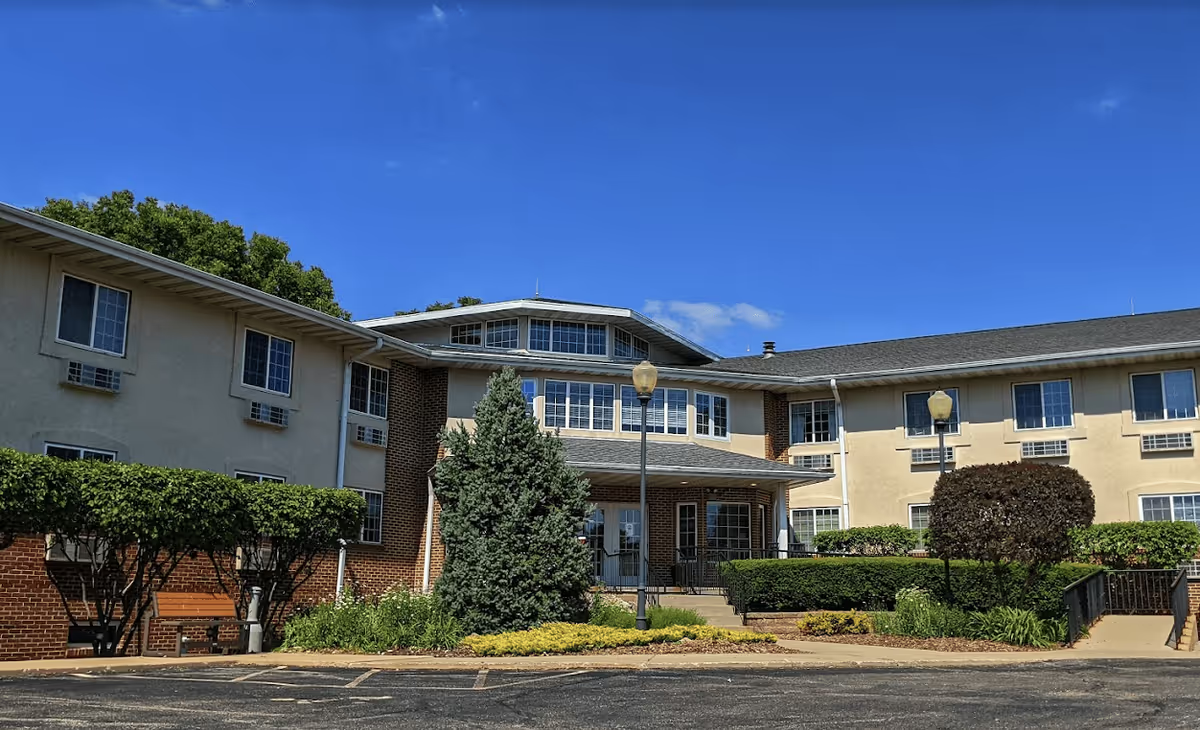
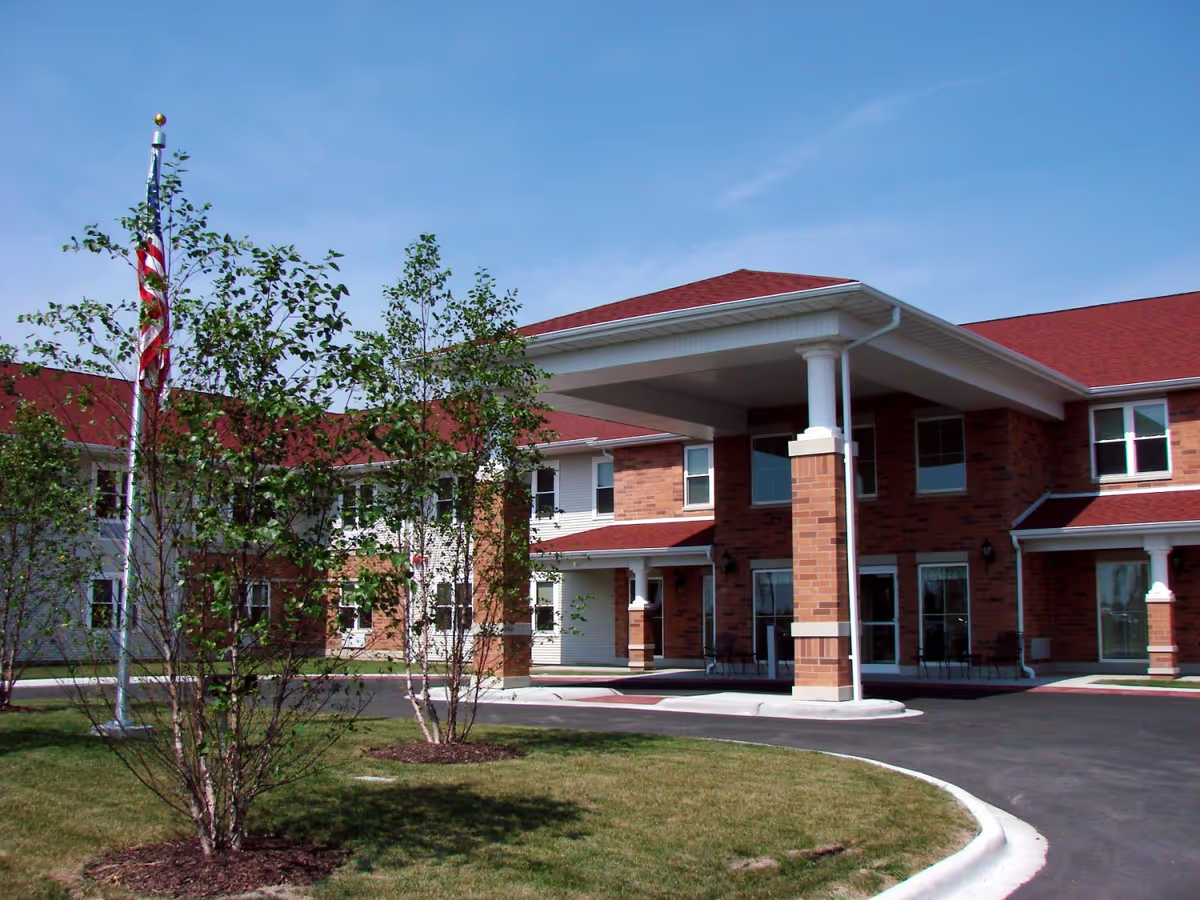
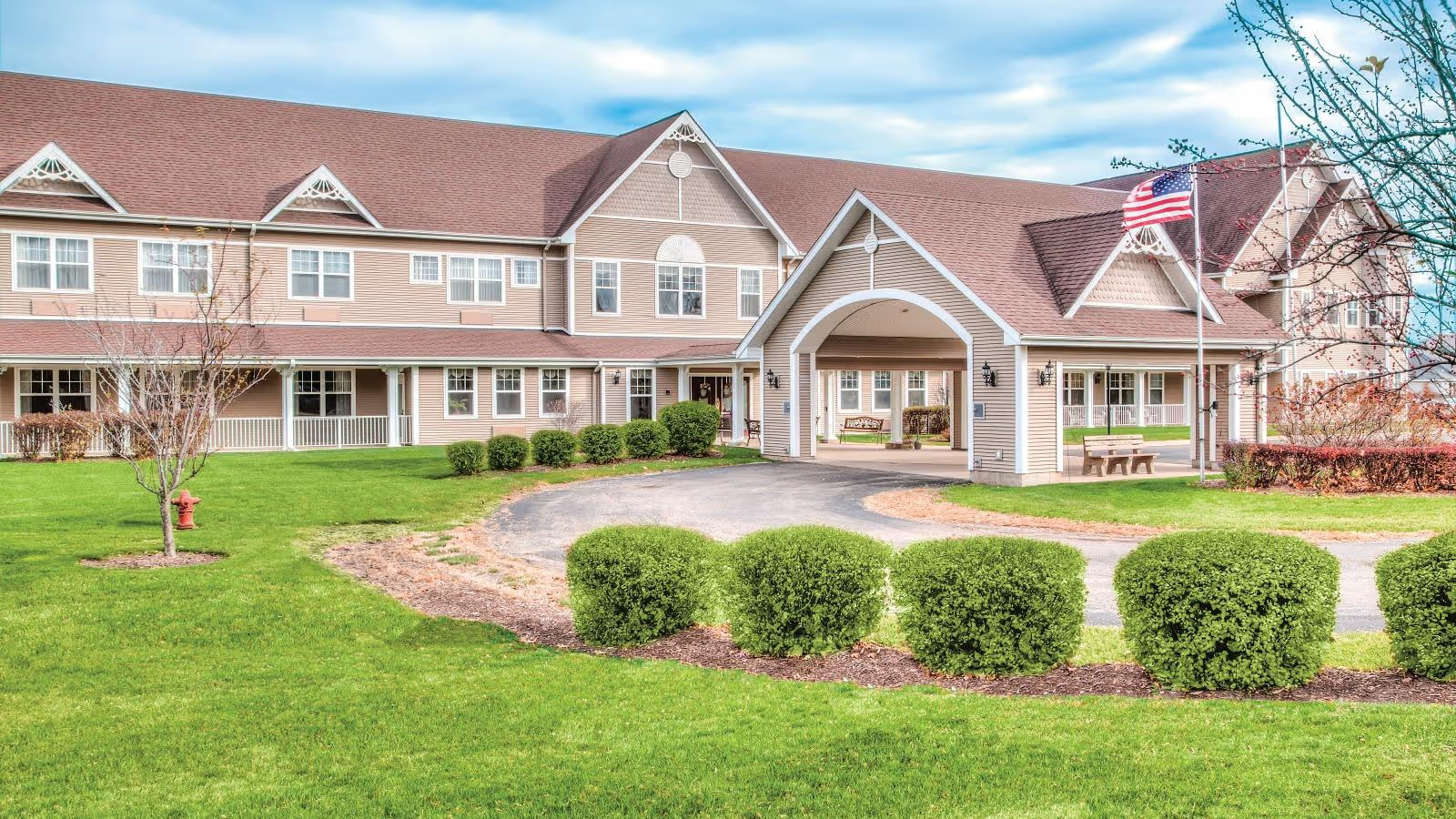
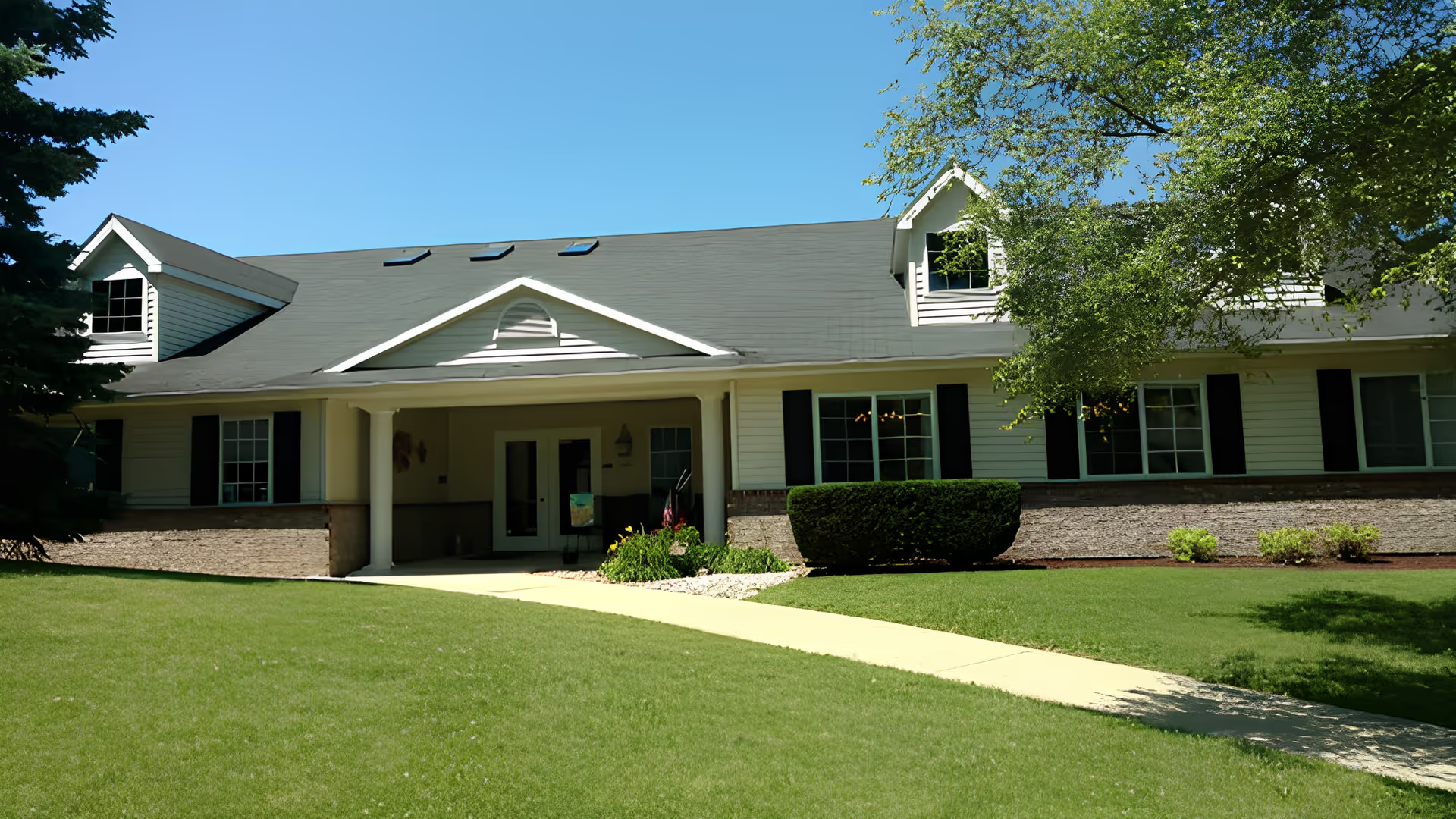
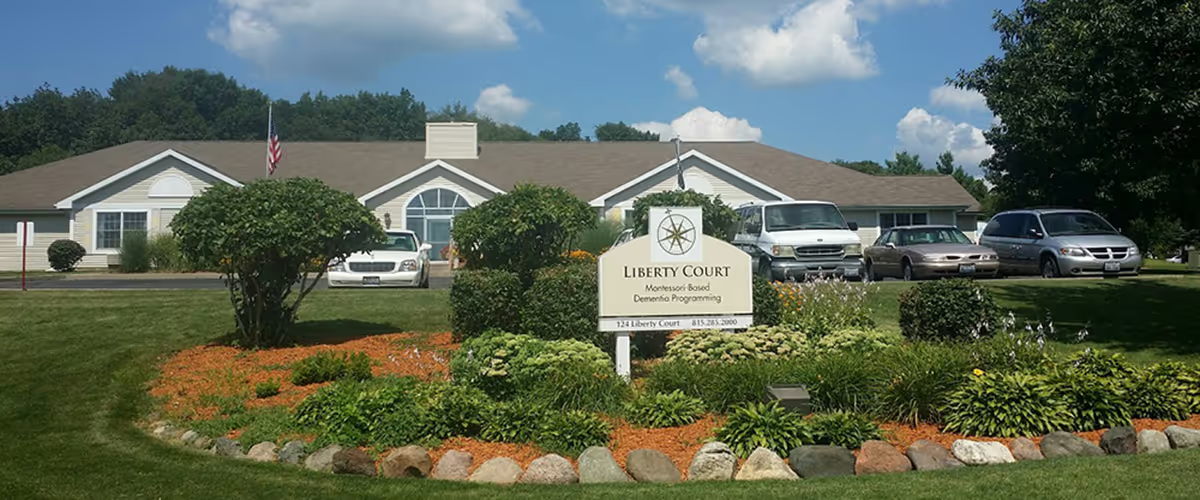
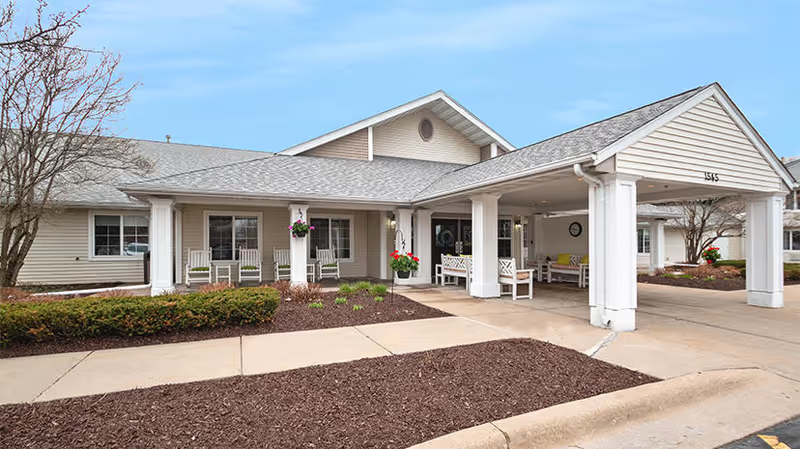
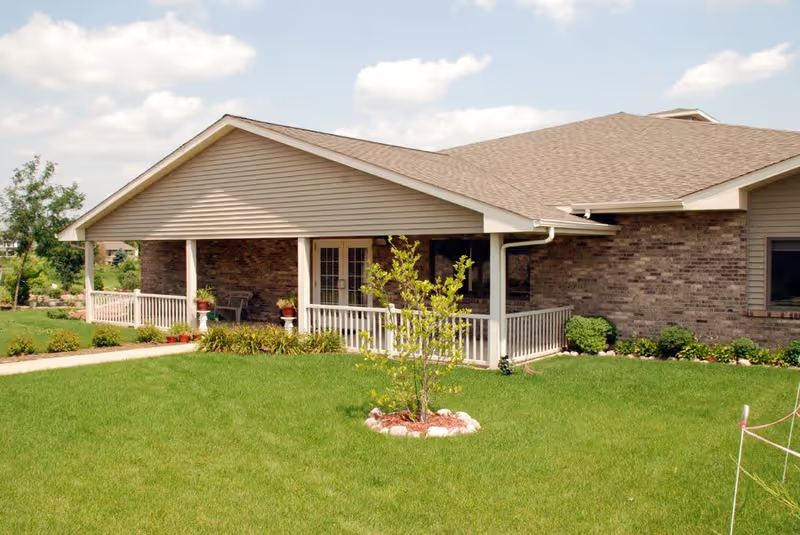
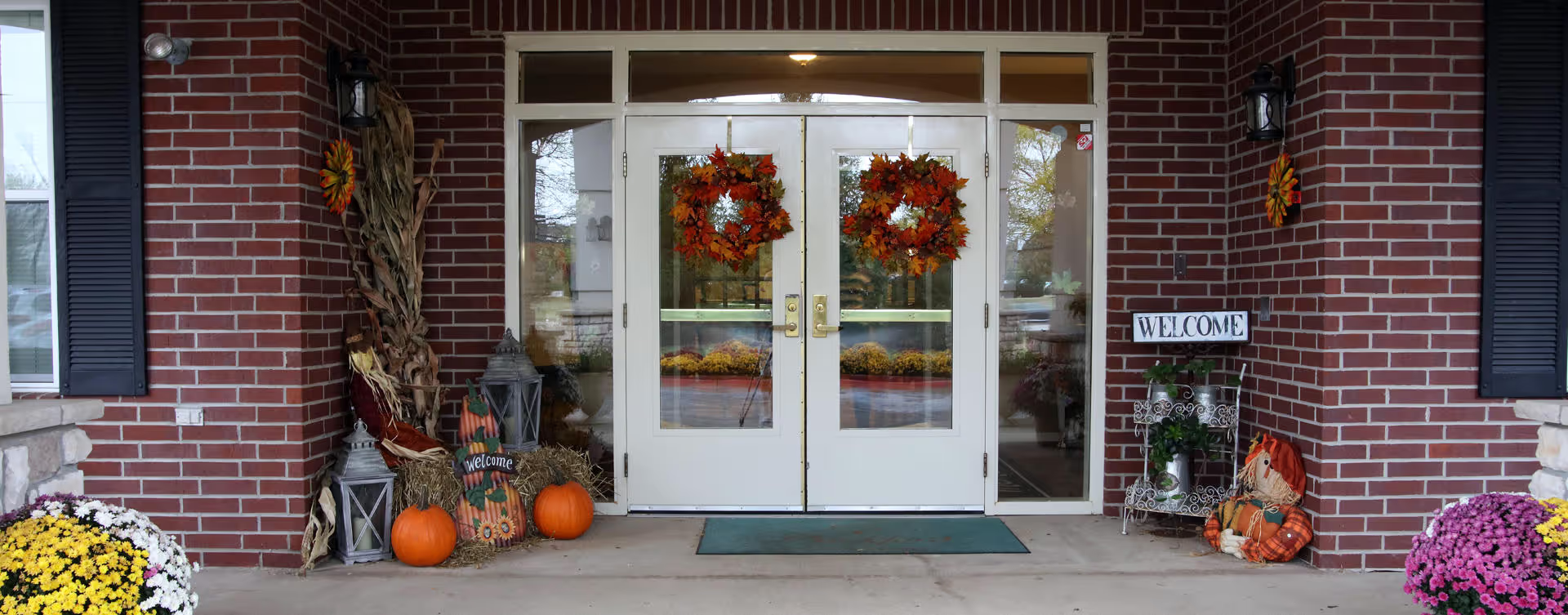
Facilities and activities: The building and common areas are frequently described as clean, well-maintained, and pleasant, with private rooms available and dedicated rehabilitation spaces. Recreational offerings such as games, bingo, puzzles and a gym were noted positively and contribute to a home-like environment. Reviewers generally did not focus on dining in the material provided, so there is limited information to assess meal quality or consistency.
Management and operations: Administrative performance is mixed. Some reviewers described responsive managers who supported families and followed through after care transitions, while others cited unresponsiveness from HR or regional leadership, lack of promised follow-up, and perceived conflicts of interest in clinical leadership roles. These issues translate into patterns labeled here as weak management accountability and barriers to filing complaints or escalating concerns. Staffing pressures were also noted: reviewers described staff who appear overburdened, which aligns with comments about workload and compensation and may contribute to variability in service tone and timeliness.
Notable patterns and implications: The facility presents a dichotomy between high-quality bedside care and problematic administrative or cultural issues. Strengthening leadership follow-through, clarifying complaint procedures, increasing cultural-sensitivity training, and addressing staffing levels/compensation could reduce variability and address some of the most serious concerns raised. Prospective residents and families should weigh the consistently positive accounts of direct caregiving and the facility’s physical environment against the documented variability in management responsiveness and staff conduct when making placement decisions.