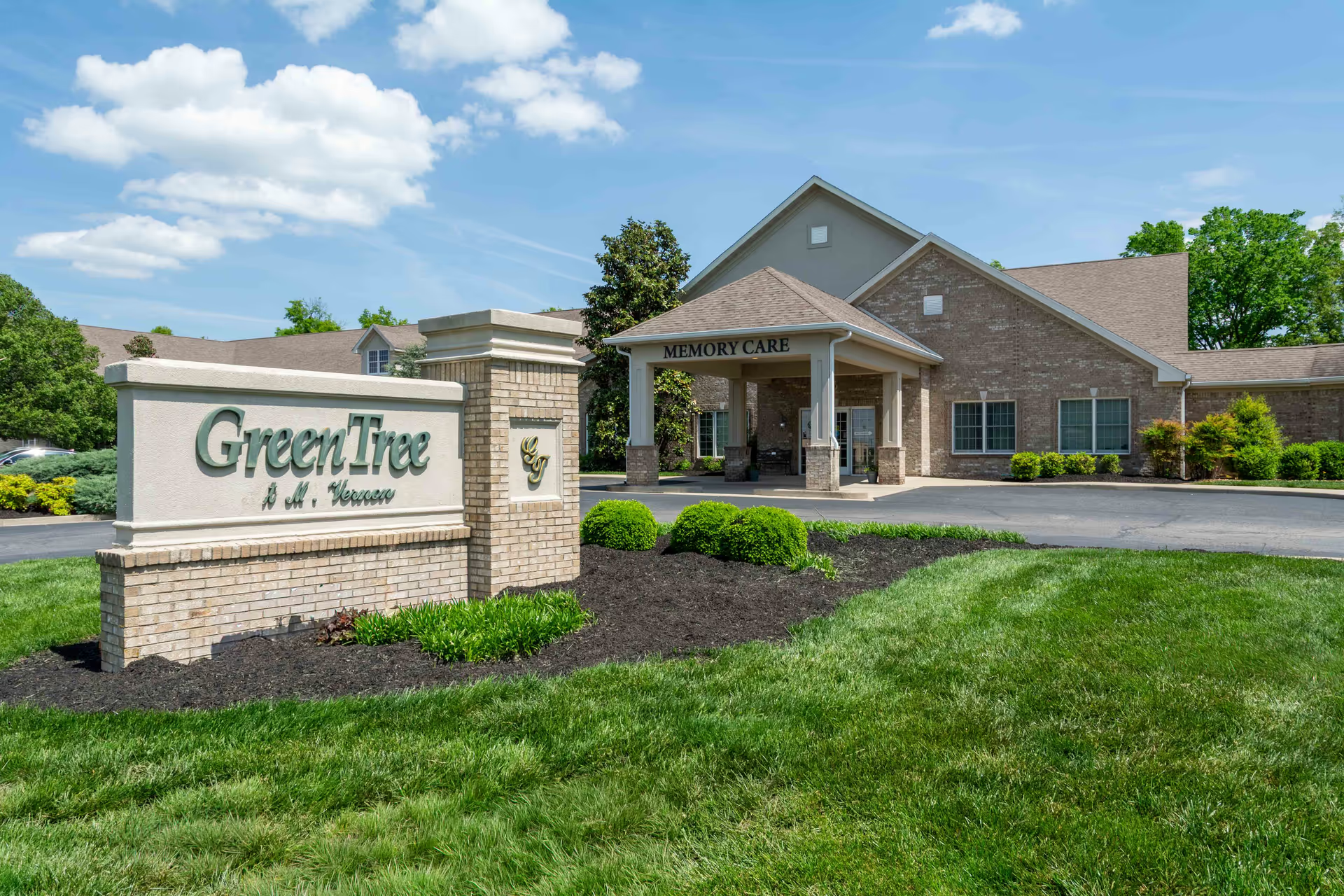
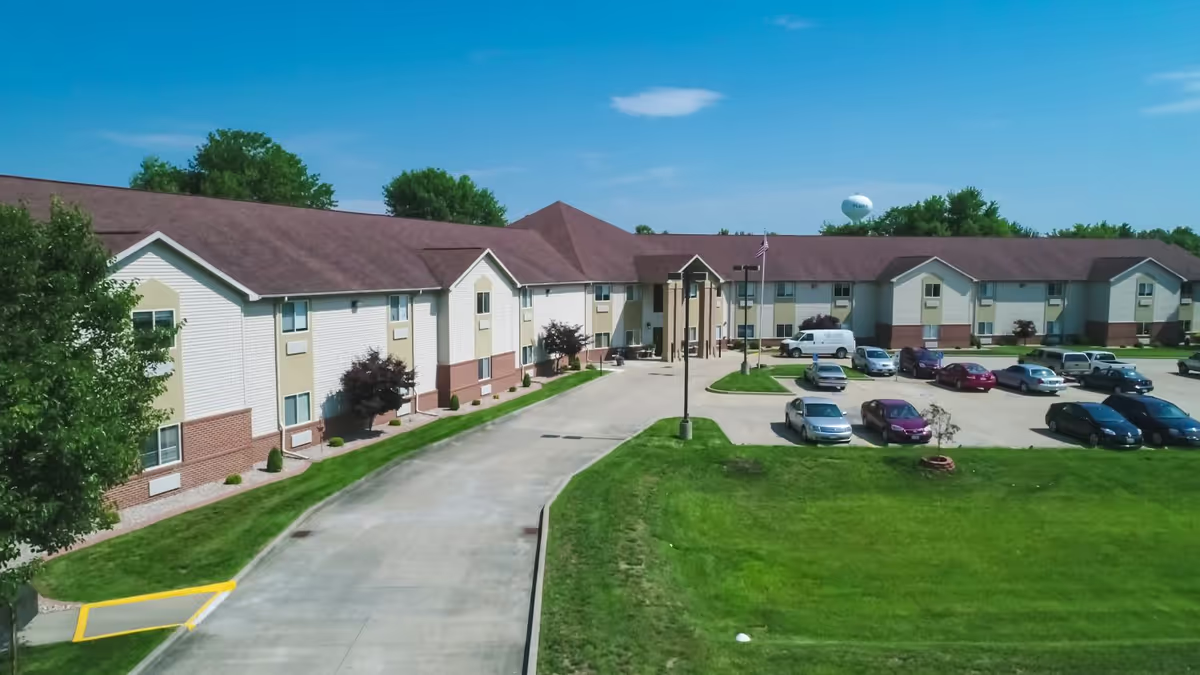
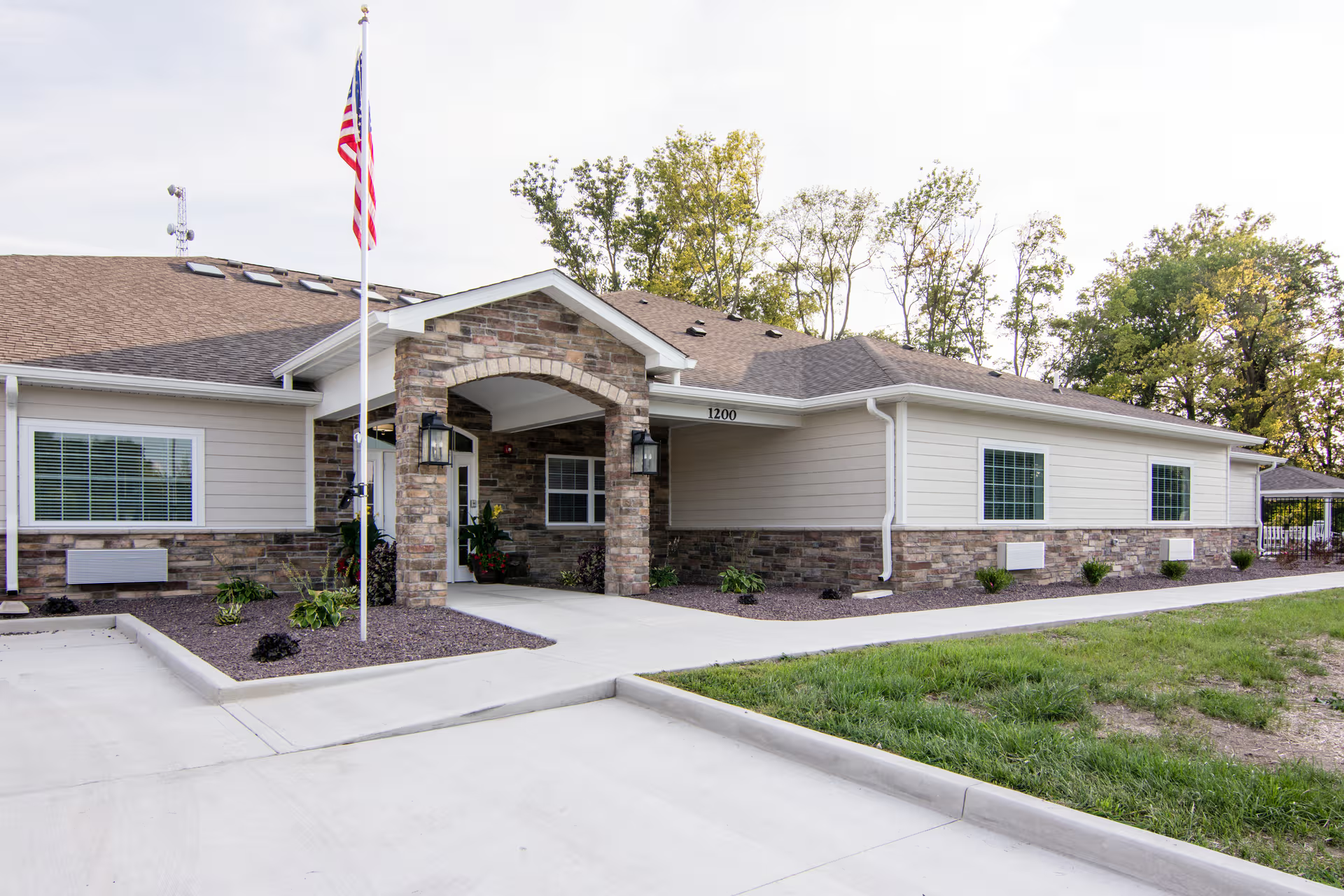
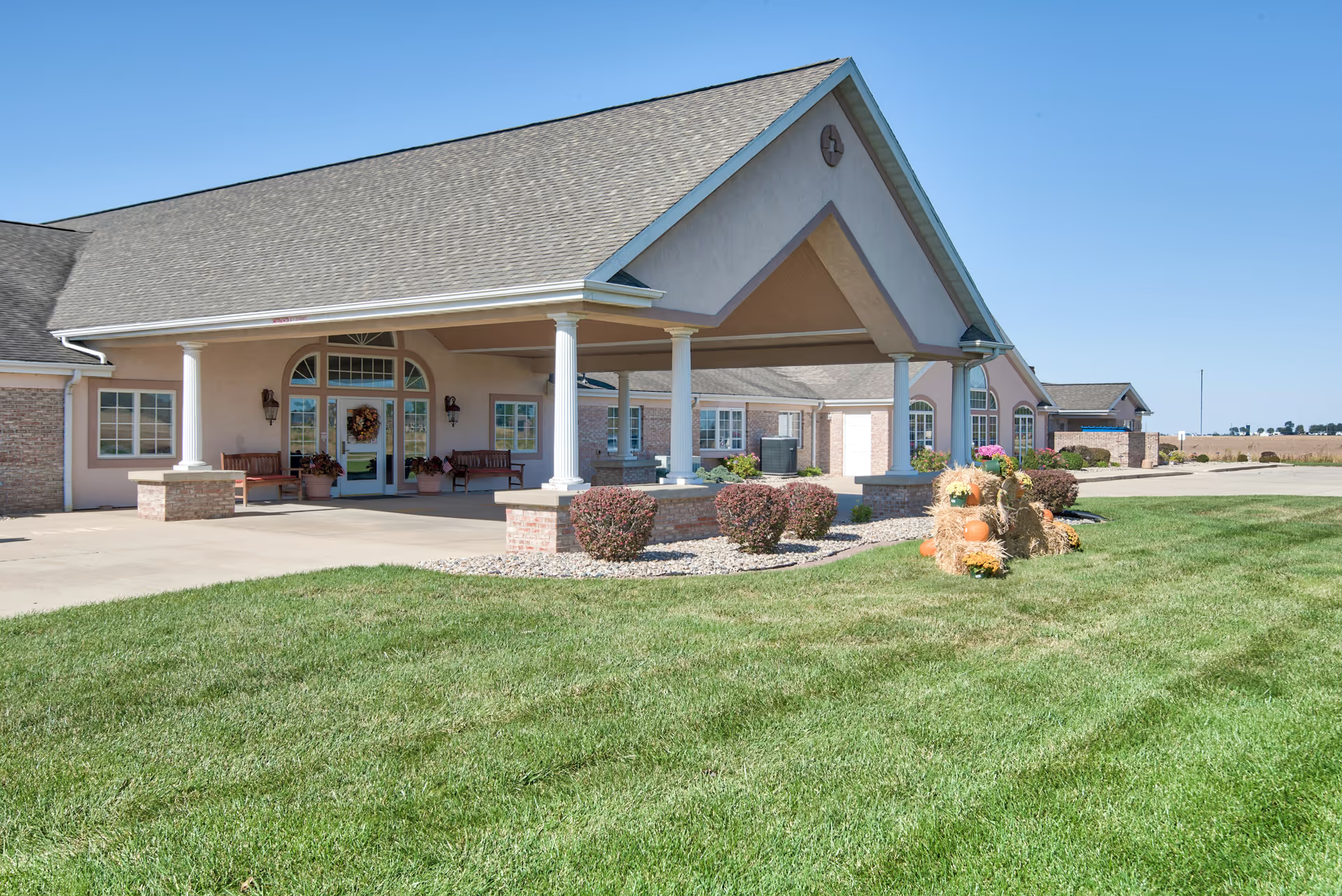
The reviews present a highly mixed picture of care at this facility, with distinct clusters of positive and negative experiences. On the positive side, many families and observers highlight compassionate direct-care staff, knowledgeable nurses, a capable therapy program, and specialized on-site respiratory/tracheostomy services. Recent management changes and an active remodeling effort are repeatedly described as improving cleanliness, the activity schedule, and overall responsiveness. Several descriptions emphasize friendly dining aides, engaging social programming (bingo, cookouts, church, trivia), and an improved environment under current leadership.
Conversely, a substantial set of concerns relates to operational reliability and clinical oversight. Review content indicates inconsistent family communication and gaps in informed-consent and medication communication practices. Staffing shortfalls—particularly limited CNA coverage and delayed responses to call lights—are a recurring operational theme linked to delays in routine care. Related clinical concerns include inconsistent monitoring of nutrition and hydration, problems with pressure-injury prevention, and instances requiring higher-acuity hospital care; these items suggest variability in care processes and clinical follow-up.
Dining, housekeeping, and property safeguards are uneven. Multiple accounts refer to variable meal quality and issues maintaining appropriate meal temperature, alongside sanitation and laundry-management deficiencies. There are also reports indicating lapses in personal-property and financial controls, and at least one instance of unauthorized disclosure and financial fraud, pointing to weaknesses in security and privacy controls that families should evaluate directly.
Facility infrastructure and culture appear to be in transition. Reviewers note room-temperature control problems and a history of name and management changes; recent leadership is described by many as more responsive and team-oriented, while some accounts reflect residual operational problems from earlier periods. Staff conduct and communication tone vary across shifts and departments, with examples of both highly attentive teams and interactions perceived as brusque. Activity and therapy offerings are frequently cited as strengths when consistently staffed and supported.
For prospective residents and families: verify current staffing ratios and CNA coverage, ask for documentation of medication and consent procedures, review infection-control and wound-prevention protocols, sample recent menus and meal-service practices, inspect laundry and storage processes, and confirm data-privacy and financial safeguards. Given the polarized experiences reported, an on-site tour during multiple shifts and direct conversations with nursing leadership and the therapy department will provide the best sense of the facility’s present performance and whether the recent management improvements have been sustained.