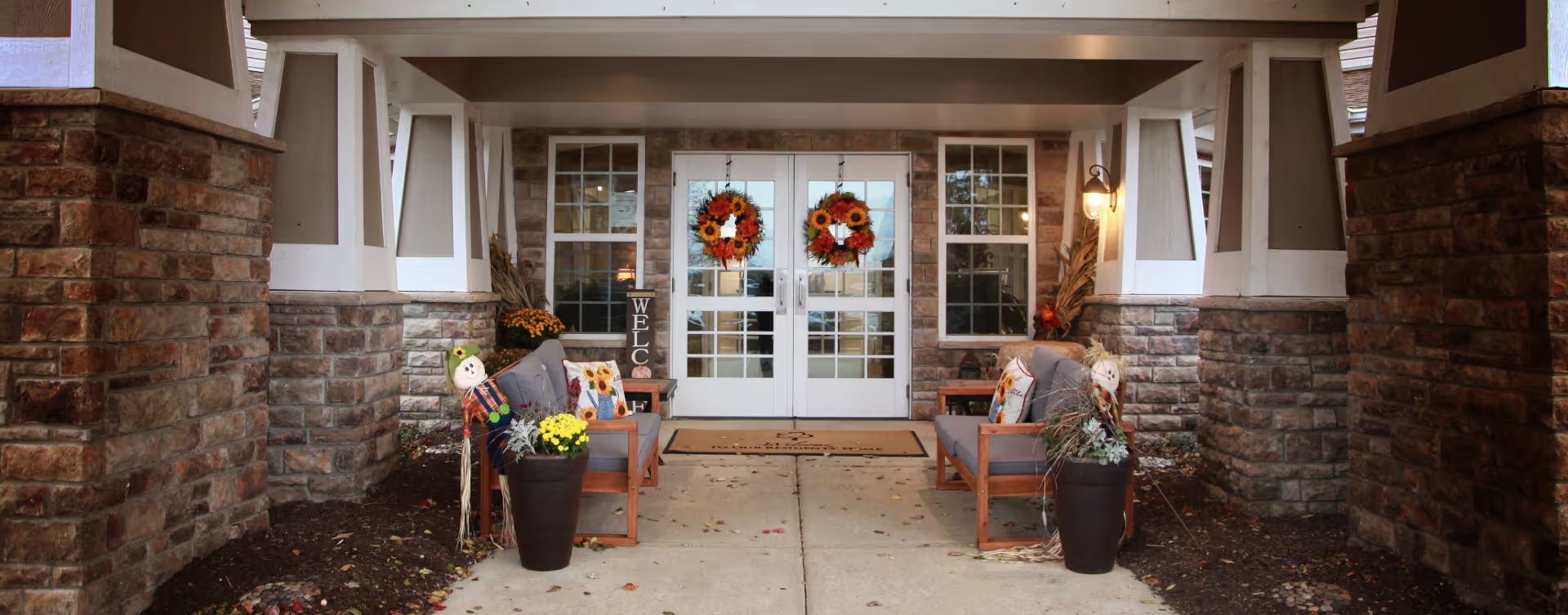
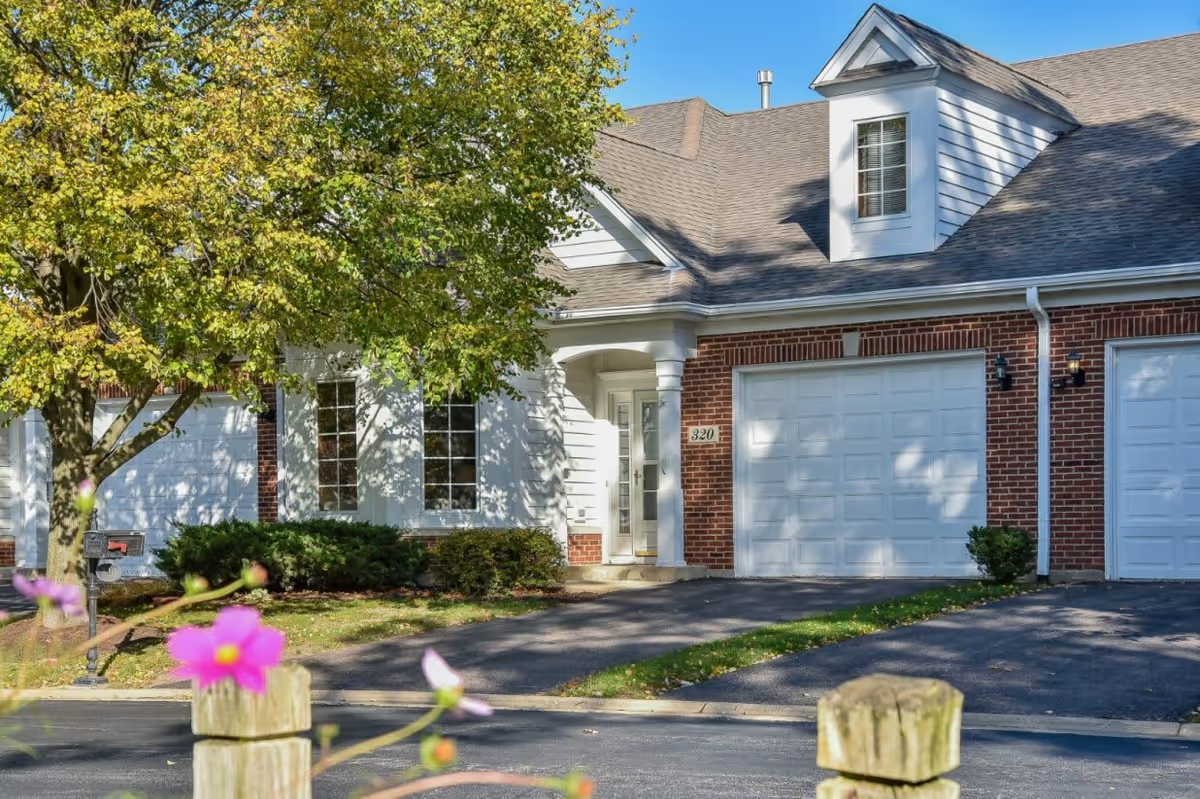
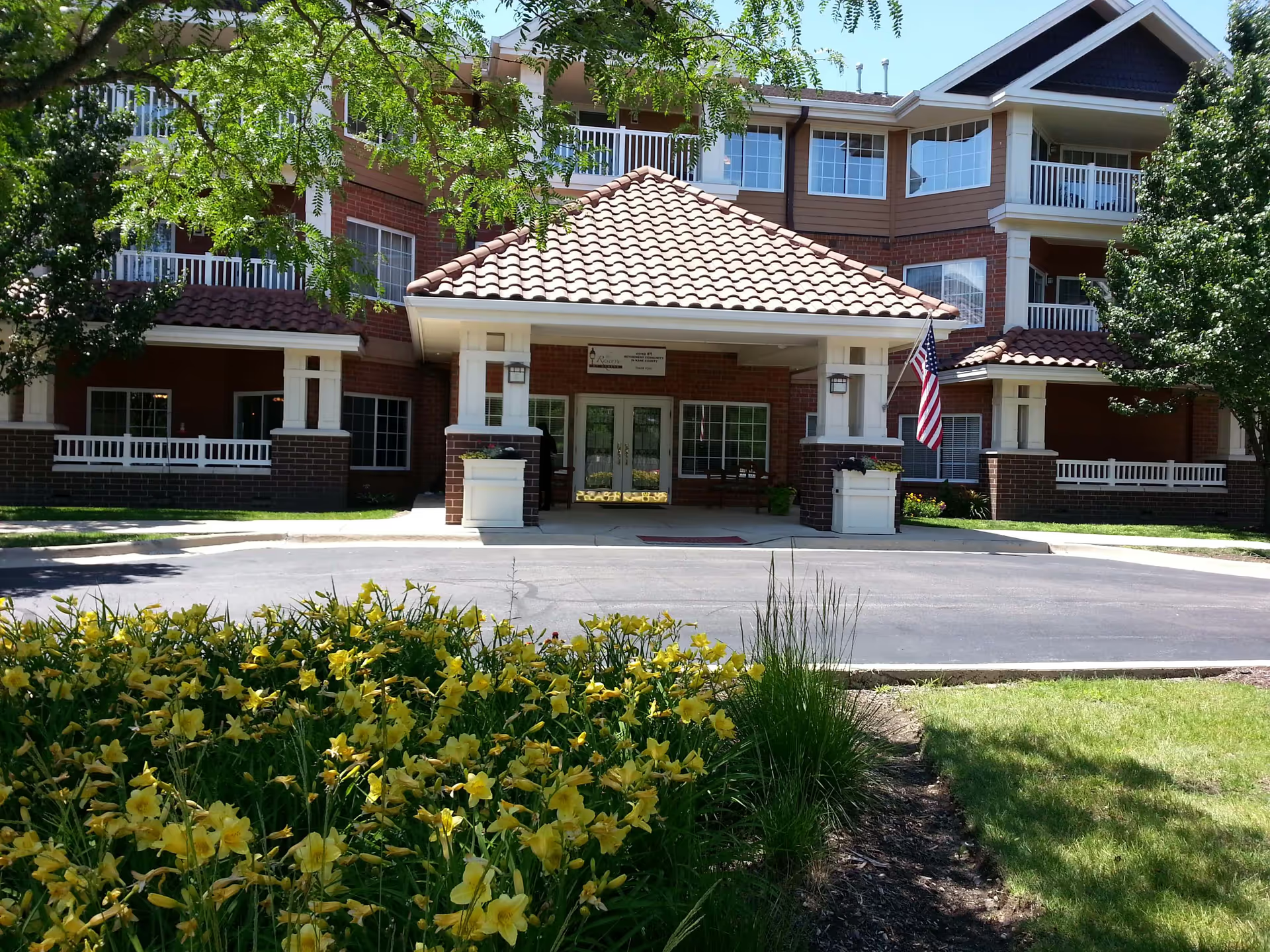
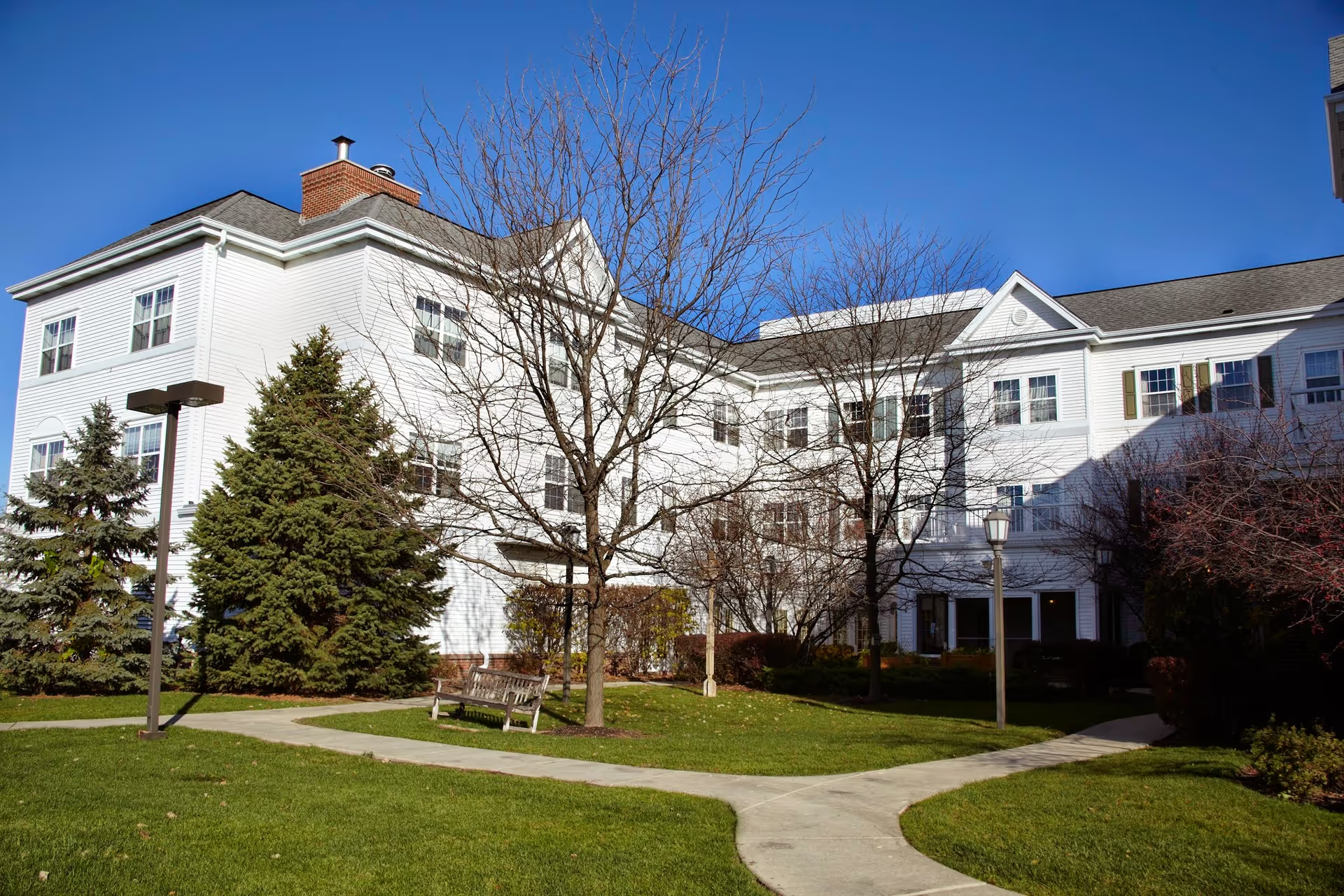
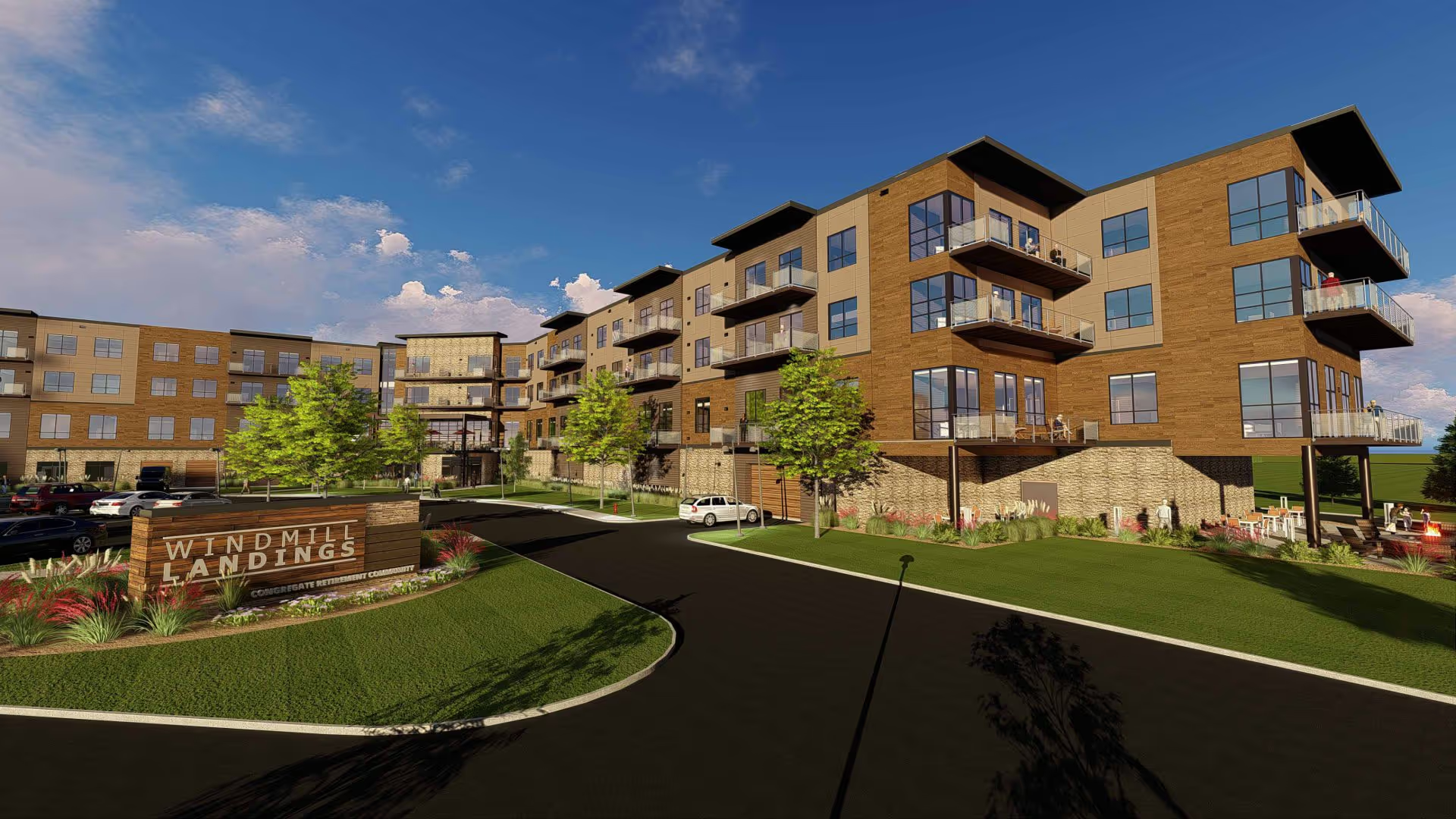
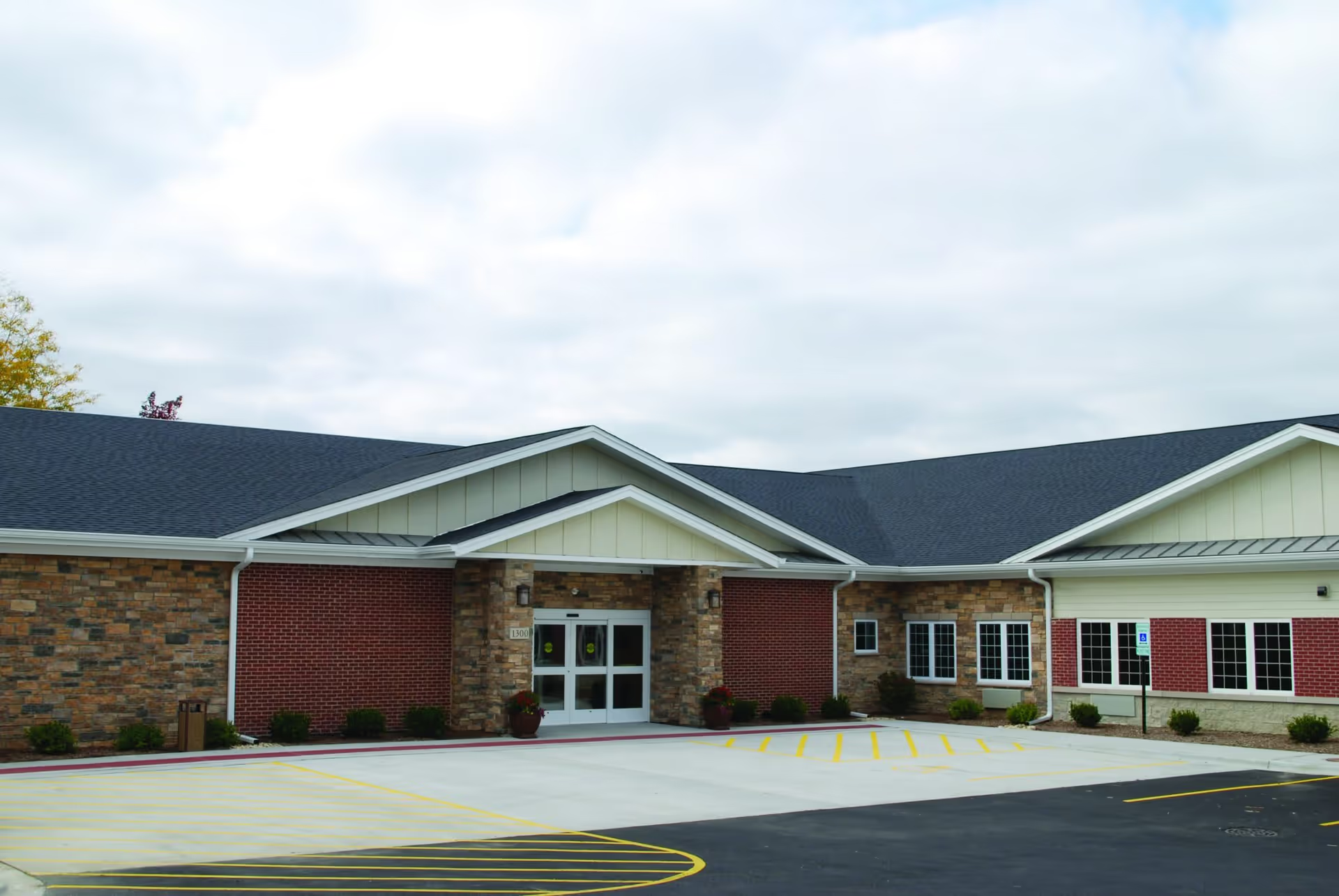
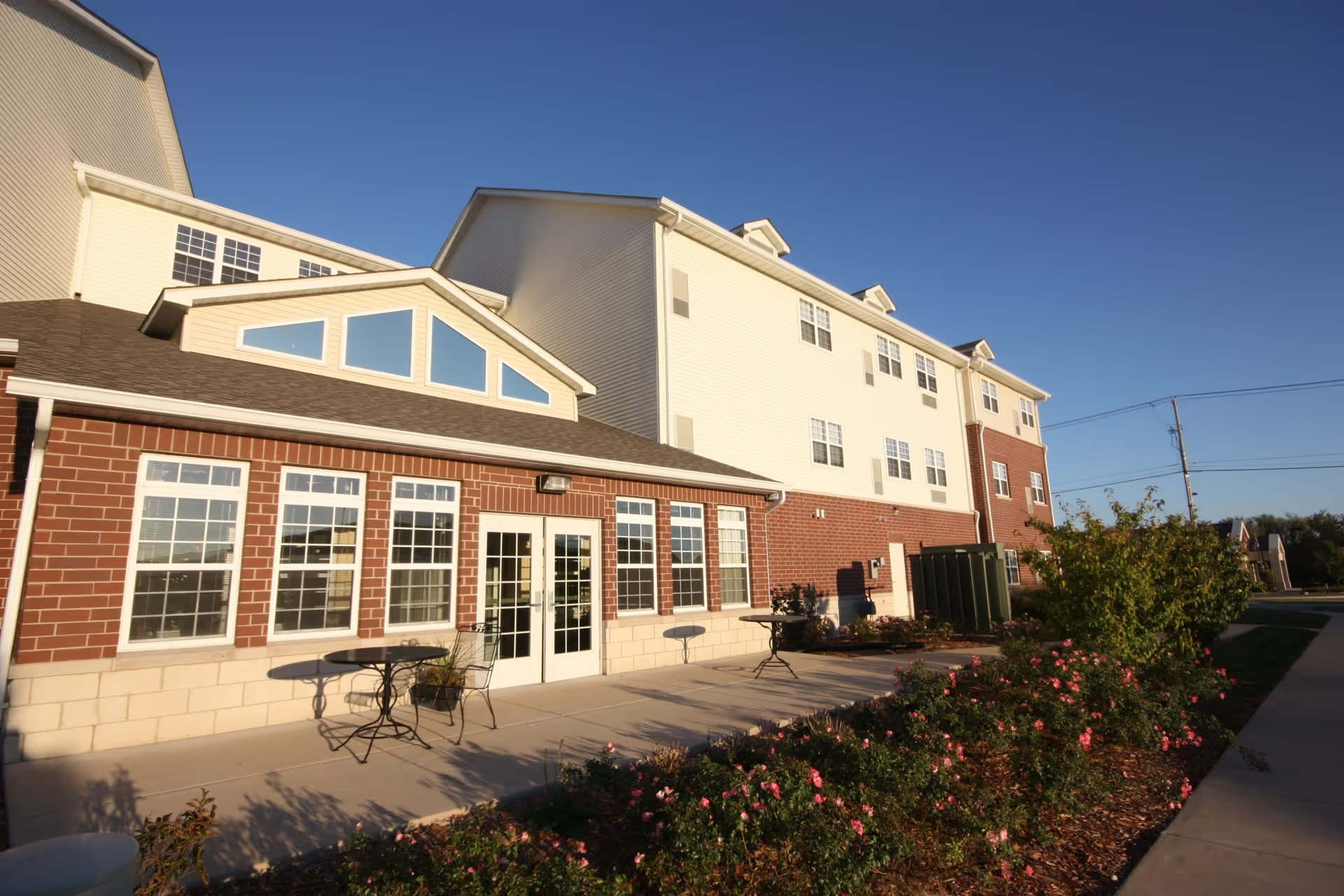
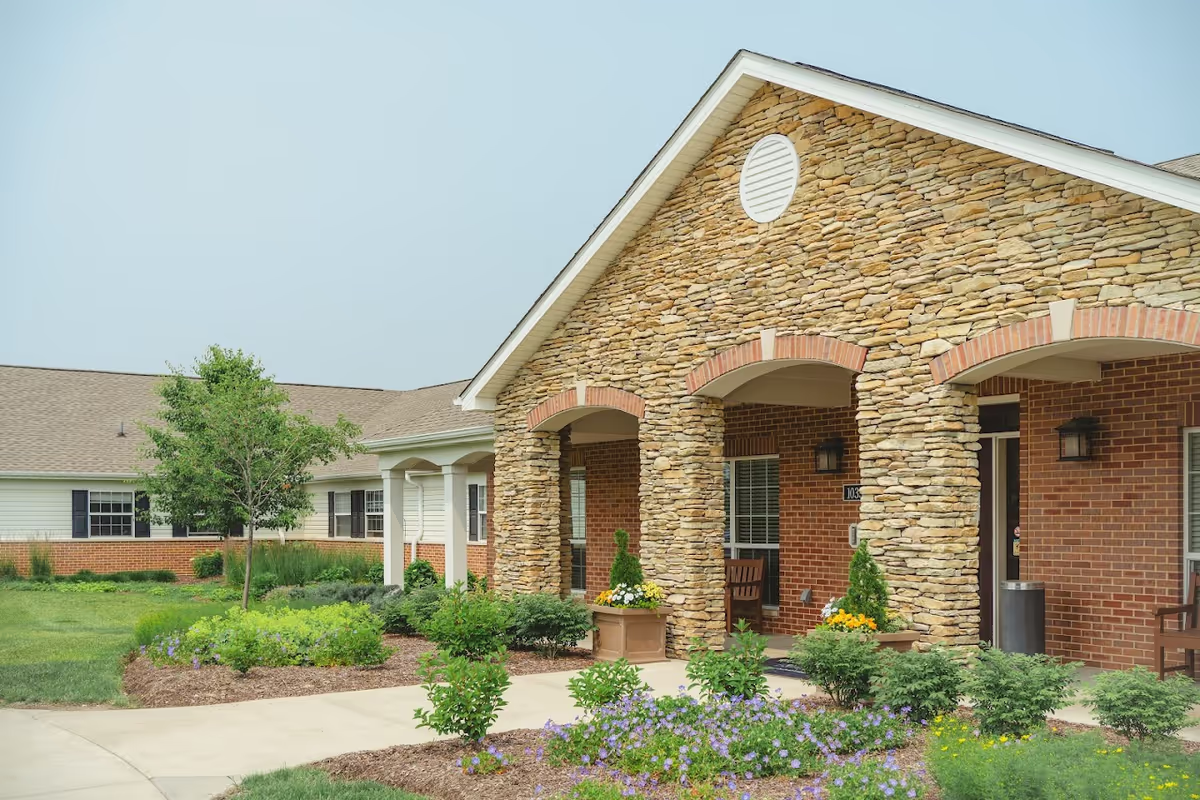
Autumn Leaves of St. Charles presents as a purpose-built memory-care community with a strong emphasis on a home-like, small-house model. The facility is single-level with a circular layout intended to reduce disorientation, private rooms with en suite bathrooms, multiple sitting areas and enclosed patios, and open grounds that support outdoor activity. Many families and visitors describe the physical environment as clean, well-maintained, and warm — with features such as piano music, a fireplace, aquariums in dining areas, and themed wings that contribute to a residential atmosphere.
Clinical and day-to-day care are frequently characterized by reviewers as person-centered. The community highlights geriatric-trained staff, dedicated memory-care programming, and visible nursing leadership. Care strengths cited include staff familiarity with residents’ names and preferences, individualized activities and exercise with resident-selected music, and robust outings and engagement opportunities. Dining is described as tailored and consistent, with multiple snacks and warm meals; reviewers also note an emphasis on accommodating dietary needs.
Activity programming and social engagement are recurring positives: scheduled arts and crafts, movie nights, exercise, ice-cream socials, guest performers, and regular transportation for trips keep residents active and socially connected. The small scale of the community and family-run orientation are credited with fostering close staff–family relationships, flexible visitation, and hands-on management during tours and admissions.
Despite many positive accounts, reviewers identify several operational weaknesses that prospective families should evaluate. Staffing stability appears uneven at times; there are references to leadership turnover and a revolving caregiver pool, which can affect continuity of care. Several families describe gaps in documentation practices, including limited daily sign-offs or observation notes that make it harder to verify that care plans are enacted consistently. Related concerns include inconsistent sanitation and incontinence-care practices and issues around the management of residents’ personal belongings and laundry, which indicate opportunities to strengthen procedural controls.
Other patterns of concern involve responsiveness and safety processes: some families reported delays in attending to resident needs, questions about emergency-response coordination, and limitations for residents with higher mobility or specific safety needs (for example, transfer and bed-rail suitability). Cost structure also drew comment — families noted that pricing can rise as care needs progress. A small number of serious complaints, including allegations of discriminatory conduct and contested discharge practices, were raised and should prompt prospective families to ask about grievance and oversight procedures during a visit.
In sum, Autumn Leaves of St. Charles is frequently praised for its specialized memory-care model, compassionate and engaged staff, active programming, and homelike environment. Those positives are balanced by operational concerns around staffing continuity, documentation, certain aspects of sanitation and personal-item management, and emergency-response/procedural consistency. Prospective residents and families should prioritize an in-person tour, review staffing ratios and turnover history, ask to see documentation and daily care-signoff processes, and inquire about protocols for belongings, emergency response, and pricing as care needs change.