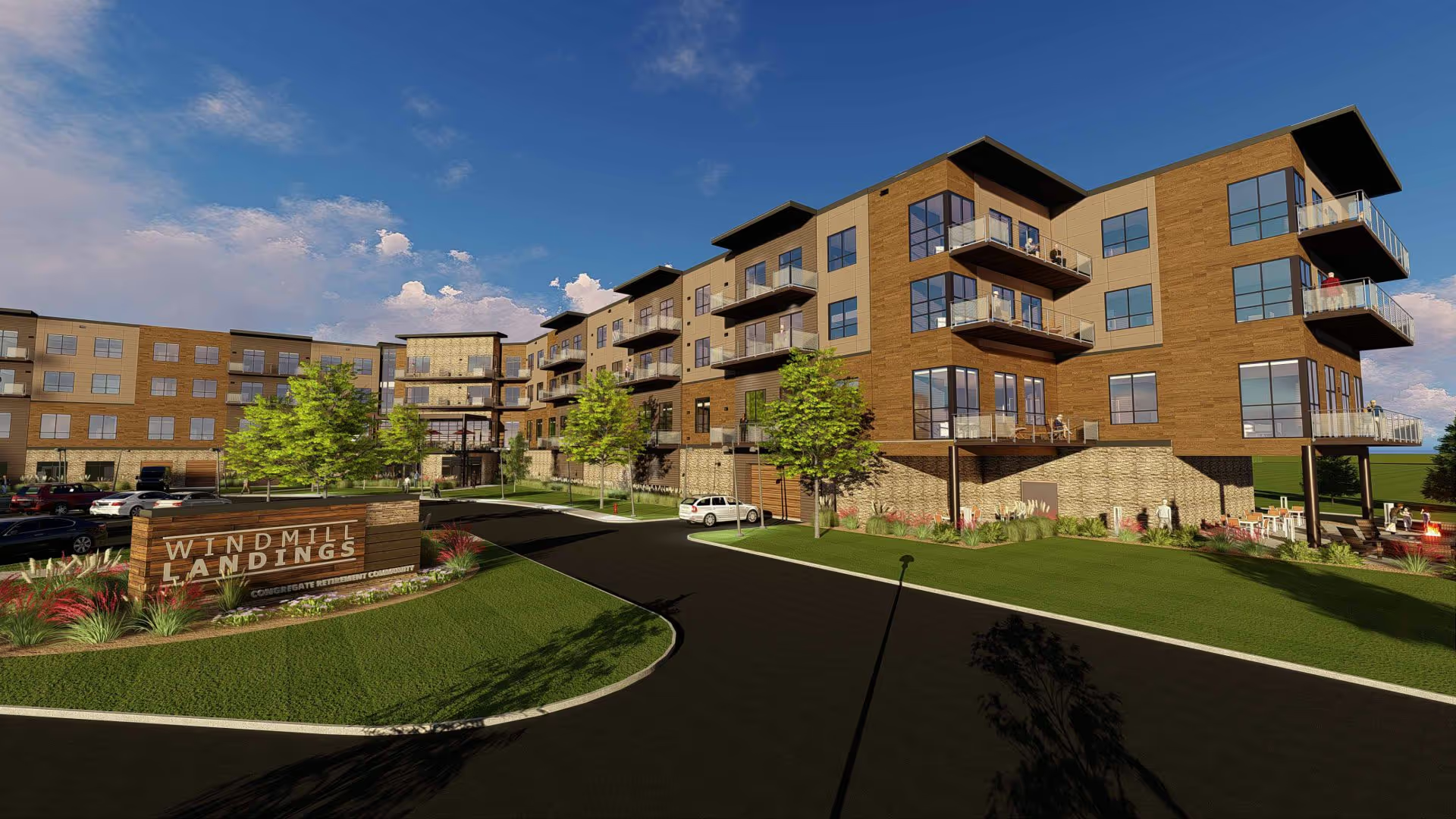
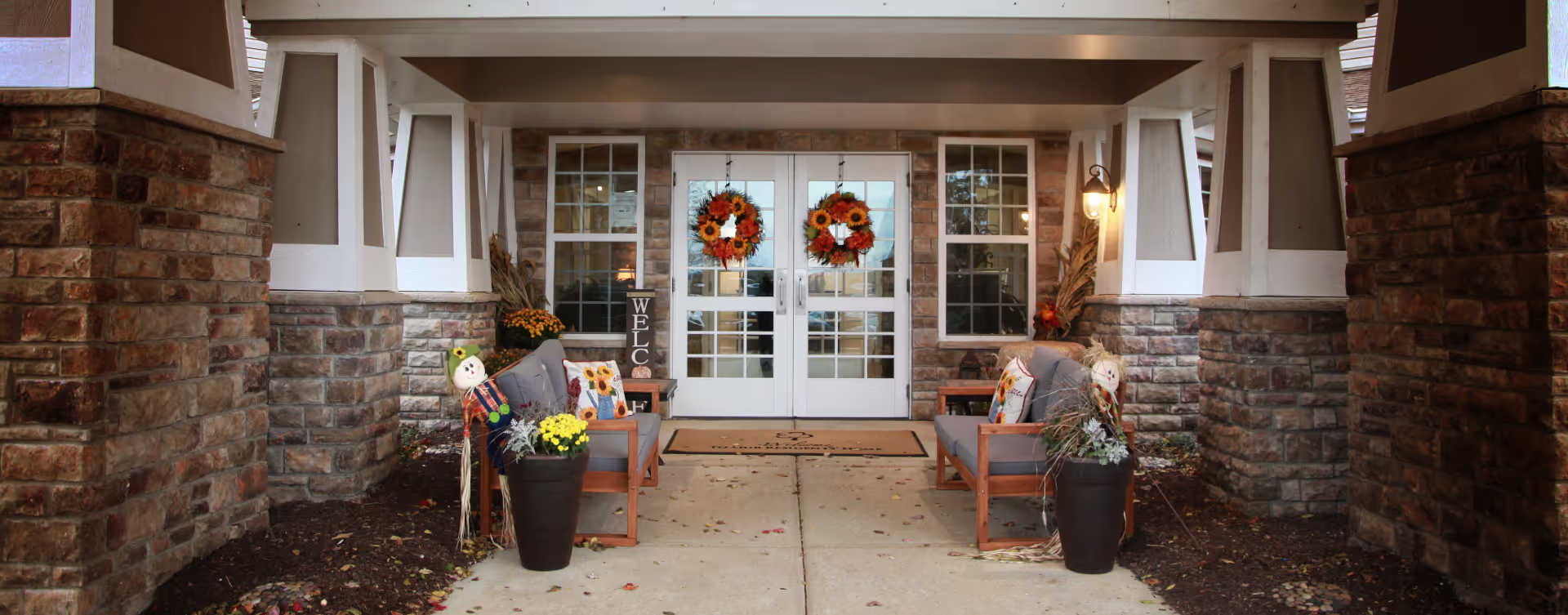
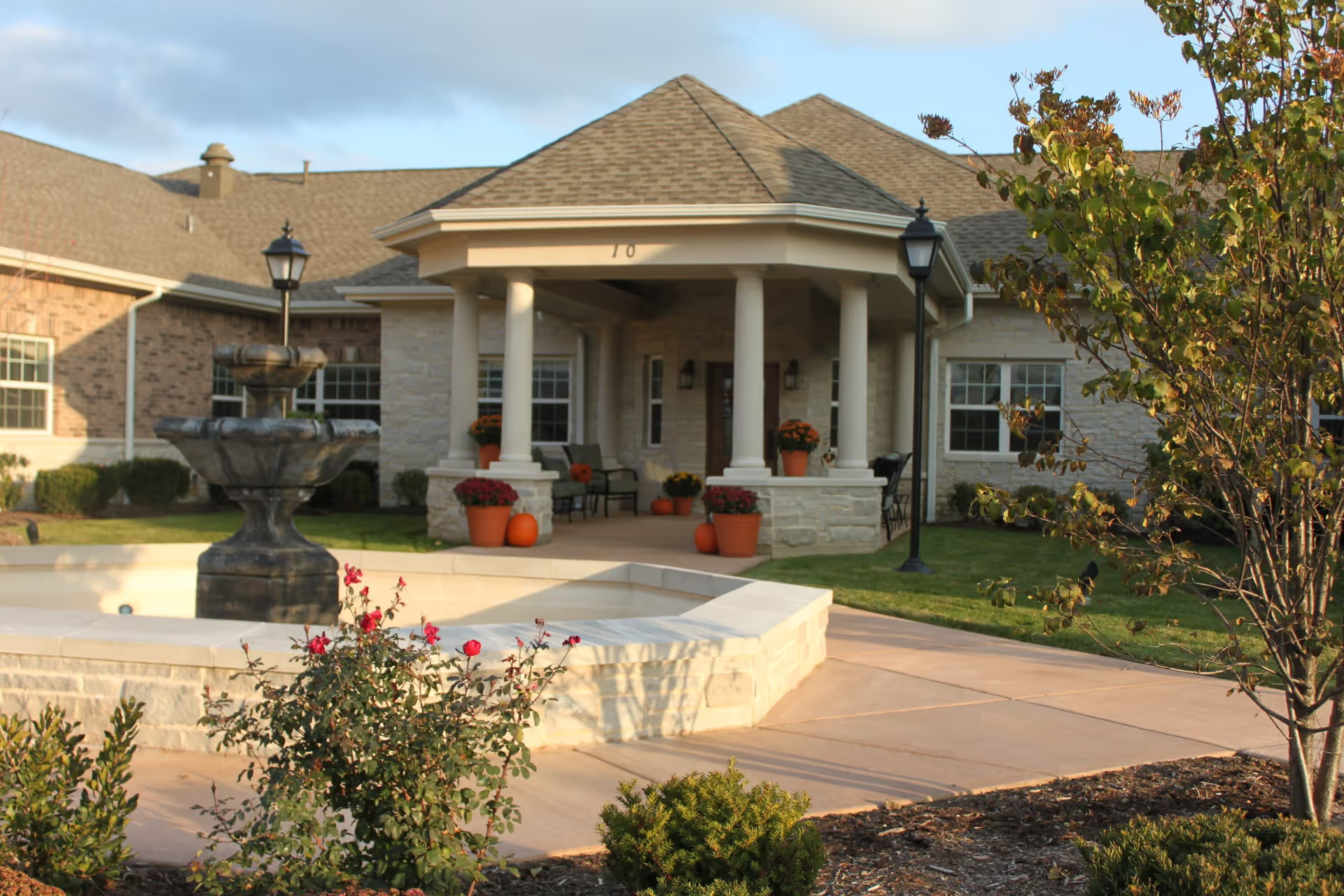
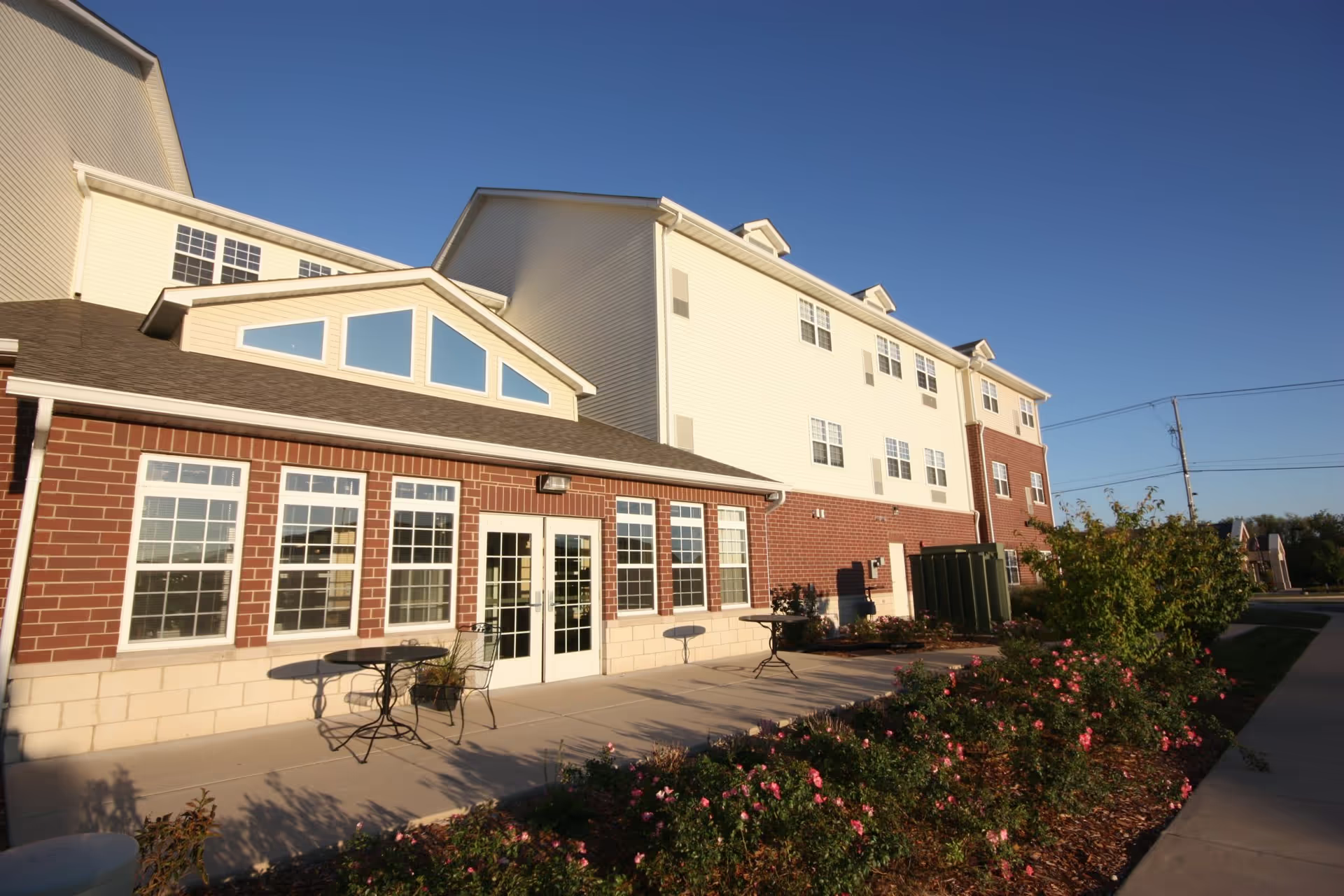
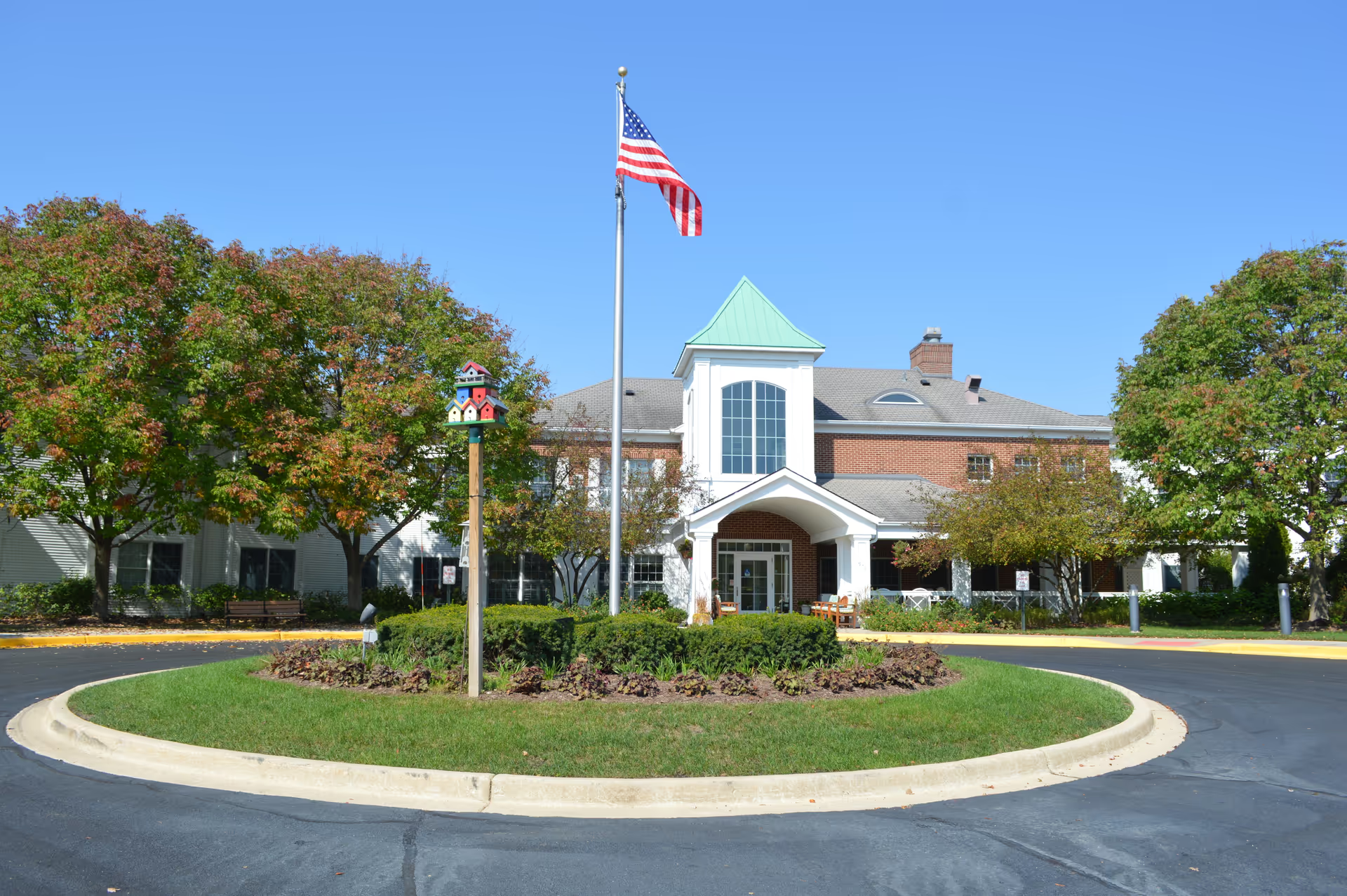
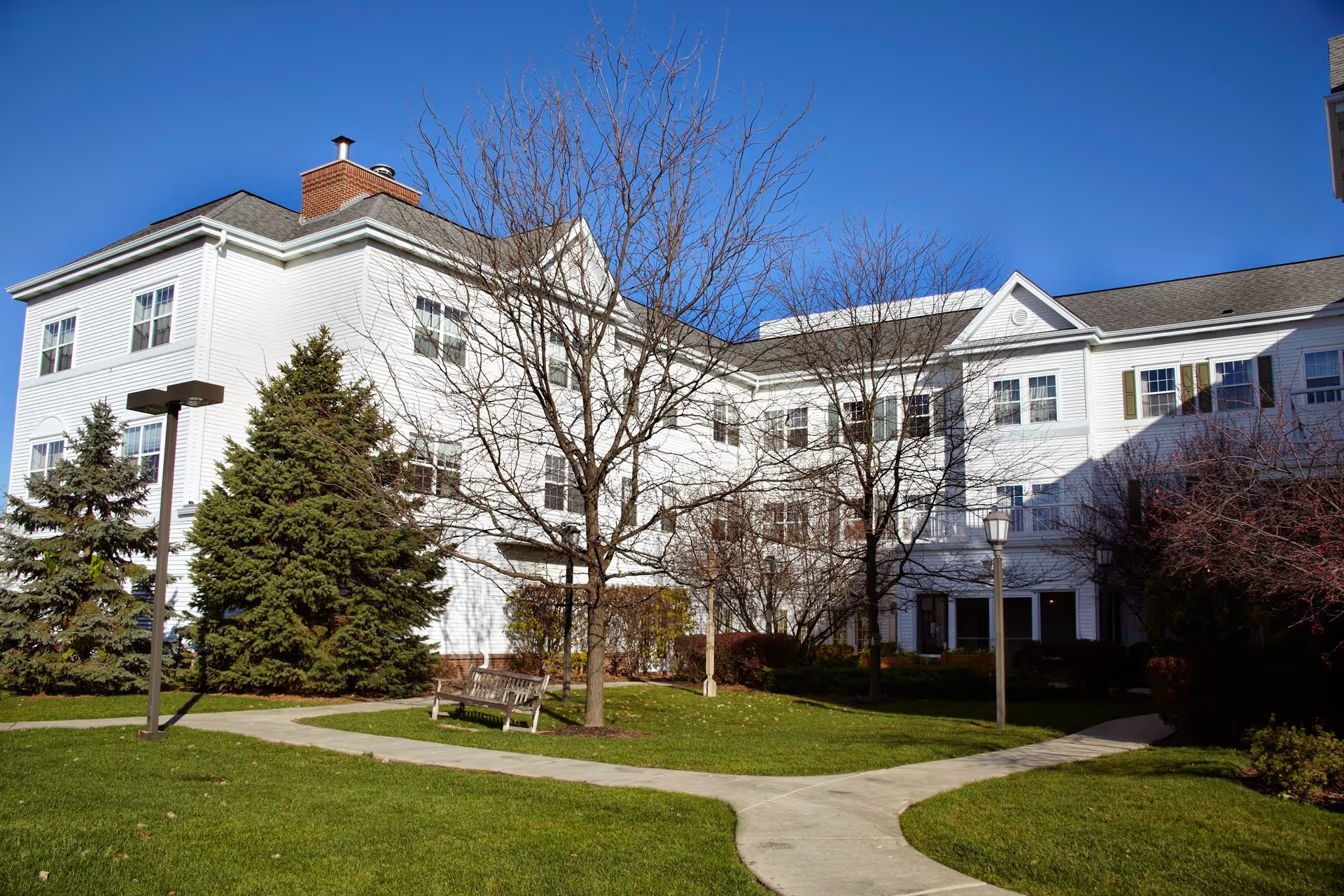
The Reserve of Geneva presents as a modern, well-maintained senior living community with many of the amenities and social features prospective residents and families seek. The physical plant is frequently described as recently built or newly renovated, with attractive grounds, plentiful common areas, and a range of apartment sizes—many with balconies and underground parking. On-site services such as maintenance, transportation to appointments and shopping, and a variety of amenity spaces (fitness room, movie theater, library) contribute to a high level of convenience for residents.
Staff and daily living services are a clear strength in much of the feedback. Many accounts highlight friendly, helpful personnel, named managers who are approachable, organized housekeeping, and a chef-driven dining program described as nutritious and well-prepared. The community atmosphere is often characterized as warm and family-like, with an active calendar of activities, speakers, outings and entertainment that support social engagement. Families and long-term residents frequently note the community’s supportive environment and the availability of practical services that make independent or assisted living comfortable.
Care and clinical services show mixed signals and merit careful review. Several notes emphasize that this is principally an independent/assisted living community rather than a full continuing care retirement community; commenters pointed to limited on-site higher-acuity nursing or rehabilitation capacity. That operational boundary means families should clarify what services are included, how transitions to higher levels of care are managed, and what out-of-pocket costs to expect for post-acute or skilled care.
Financial and governance issues emerge as the primary areas of concern. Multiple items point to high buy-in amounts, elevated monthly fees, and the potential for substantial additional costs if higher-acuity care is required. There are consistent references to contract clarity problems and to exit/resale mechanics—examples include requirements in contracts, resale timelines, and refund/repurchase terms—that can create financial risk or delays when a resident leaves. Some reviewers express that management decisions appear to emphasize financial considerations; others report unclear bylaws and limited transparency around complaint resolution, which can create anxiety about how disputes are handled.
Taken together, the pattern is one of a physically attractive, socially active community with generally positive day-to-day operations, particularly around dining, housekeeping, and activities, but with important caveats around cost structure, the limits of on-site clinical care, contract terms, and governance. Recommended due diligence for prospective residents and families includes: obtaining and reviewing full contract and fee schedules in advance, asking for written explanations of exit/resale and refund policies, clarifying the scope of assisted-care services and transfer pathways to higher-acuity care, and meeting with current residents and leadership to assess responsiveness and complaint-resolution practices.