Overall impression: Reviewers convey a mixed but informative picture. The facility is frequently praised for warm, attentive caregiving, helpful admissions staff, and a bright, river‑view campus with spacious apartment layouts. Many families highlight the convenience of on-site clinical resources, a broad menu of activities and outings, and regular apartment cleaning/laundry services that support independent and assisted living residents. At the same time, recurring operational weaknesses emerge that are important for prospective families to evaluate.
Care and staff: Care quality is described positively in many accounts — staff are often characterized as caring, responsive, and knowledgeable about dementia care. Several reviewers singled out particular nurses, caregivers, and administrative directors as strengths. Conversely, there are consistent concerns about staffing levels and staff conduct in certain areas: memory‑care supports are described as limited in capacity and sometimes understaffed, and some families report inconsistent professionalism or communication tone from dining or maintenance staff. There are also documented gaps in family communication and follow‑up after clinical incidents, including concerns raised following a resident's hospitalization and subsequent death; prospective families should ask about communication protocols and escalation procedures.
Dining and housekeeping: The dining rooms and scenic meal settings receive praise for atmosphere, but food quality is a frequent point of criticism. Comments indicate variable meal preparation, limited flexibility in meal times or menu options, and occasional sanitation concerns related to kitchen/dining operations. Housekeeping is generally seen as adequate in public spaces and for scheduled services, but reviewers describe uneven thoroughness in some apartments and support areas — inquire about cleaning schedules and kitchen hygiene audits during a tour.
Activities and social life: The community offers a broad slate of activities, intergenerational opportunities, and organized outings (shopping, theater trips, on‑site events, and faith services). Independent and assisted living residents often find the programming engaging and abundant. Activity participation and programming for memory‑care residents, however, are described as less robust or inconsistently staffed; accessibility to outdoor courtyards and some communal areas can be limited for memory‑care units. Ask for the current memory‑care calendar, staff-to-resident ratios for activity periods, and opportunities for individual engagement.
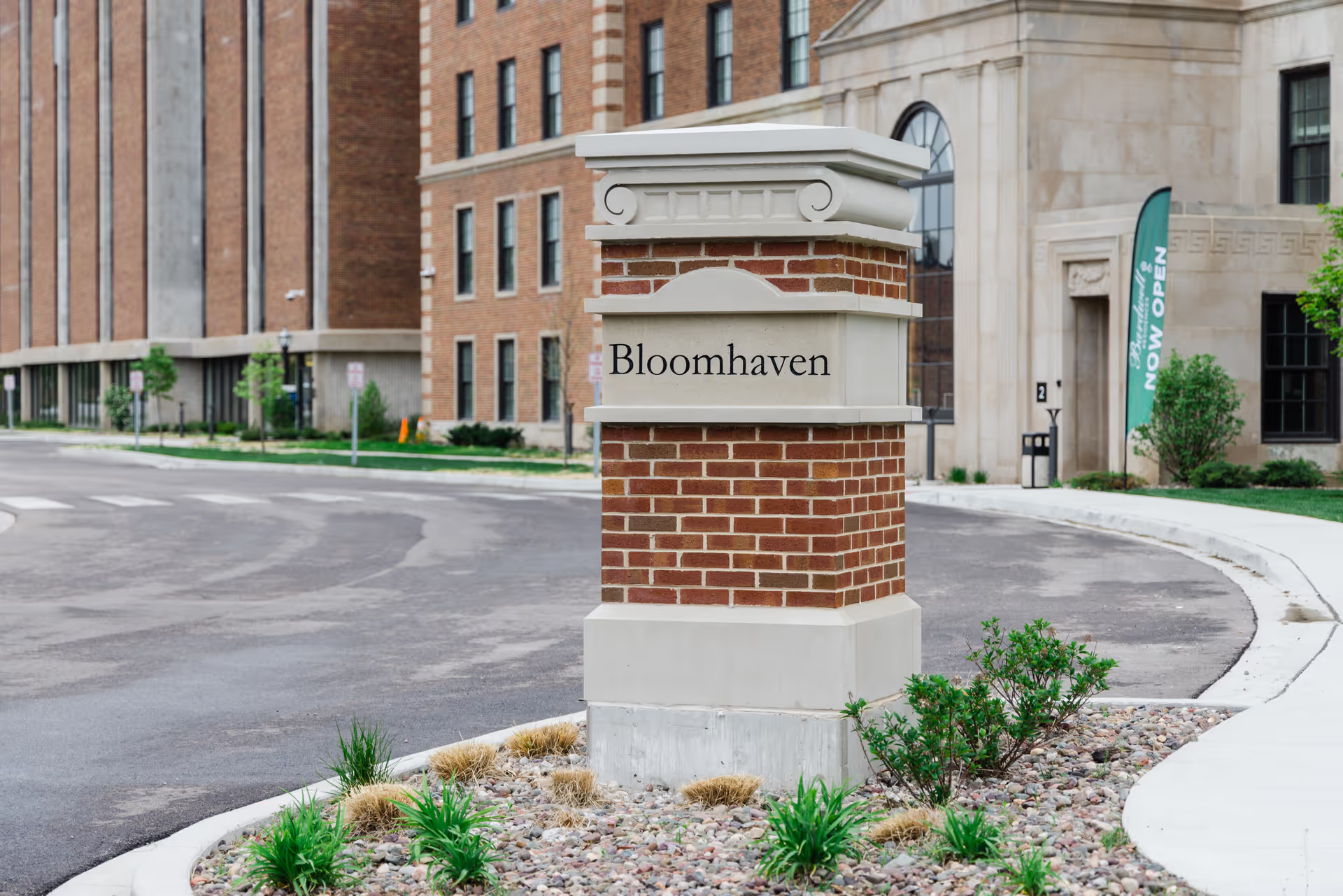
Facility and operations: Physically, the site is an older hospital conversion with many positive features (river views, bright dining areas, in‑unit storage and kitchens in some levels) but also dated finishes, dark corridors in places, worn window treatments, and layout complexity that can require long walks between buildings. Elevator reliability and general maintenance responsiveness are noted as operational issues by some families. Administrative concerns include occasional billing inconsistencies, varying responsiveness from management, and occasional scheduling or notification lapses — these are operational traits to discuss with leadership and to confirm in writing (billing policies, extra‑charge items, and visitation/communication expectations).
Recommendation guidance: This community offers clear strengths in resident engagement, scenic common areas, and caring front‑line staff, and it can be a good value for independent and assisted living residents who do not require frequent skilled‑nursing transfers. Families with significant memory‑care needs or those prioritizing consistently high culinary standards and kitchen hygiene should probe staffing patterns, memory‑care capacity, sanitation protocols, and emergency/communication procedures during a visit. A focused tour that includes the kitchen, memory‑care dayroom, and a conversation about staffing ratios and incident communication will help determine fit.