Reviews of Haven of Tuscola show a pronounced split between families who describe consistently positive experiences and others who identify operational shortcomings. Positive feedback highlights attentive, compassionate caregivers, an active social calendar, comfortable room options, and attractive outdoor spaces. Negative feedback centers on lapses in routine care processes, responsiveness, and facility upkeep. Prospective families should weigh both patterns when evaluating the facility.
Care quality and staff: Many comments praise individual caregivers as kind, attentive, and welcoming to family involvement, with several accounts describing staff who went beyond routine duties to arrange special events or gestures. These accounts also note an approachable activity director and facility leadership that is easy to speak with. Counterbalancing those reports are detailed concerns about inconsistent care delivery: delayed responses to resident needs, staff preoccupation with non-clinical tasks (for example, phone use), and variability in staff conduct. Overall, the pattern suggests that quality of care may depend on shift, staff assignment, or unit; consistency of responsiveness is an operational area to clarify during a tour.
Activities and social programming: The facility receives strong, consistent praise for its activities program. Musical entertainment, bingo, themed tastings, and family-inclusive parties are repeatedly mentioned as meaningful engagement opportunities. The activity director is singled out positively, and families describe the programming as a notable strength that supports resident morale and family interaction.
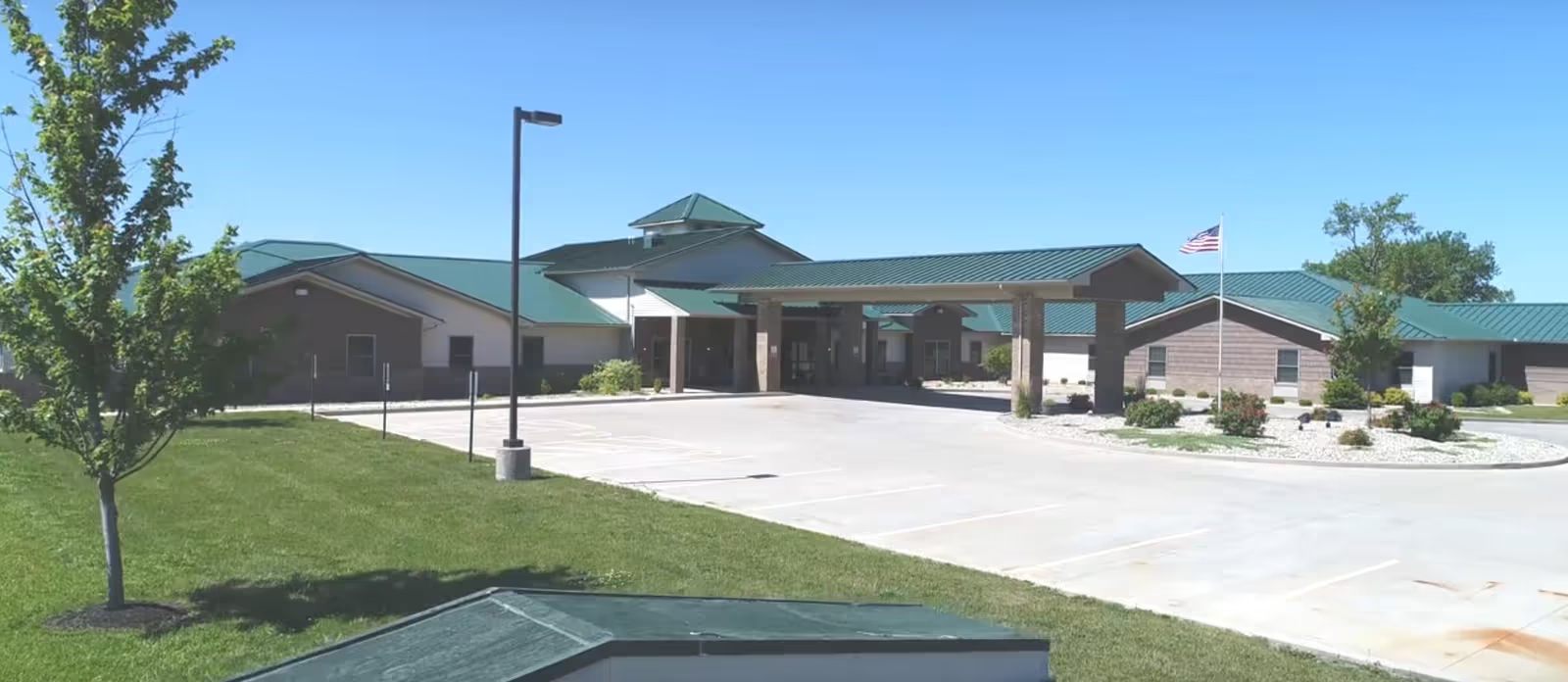
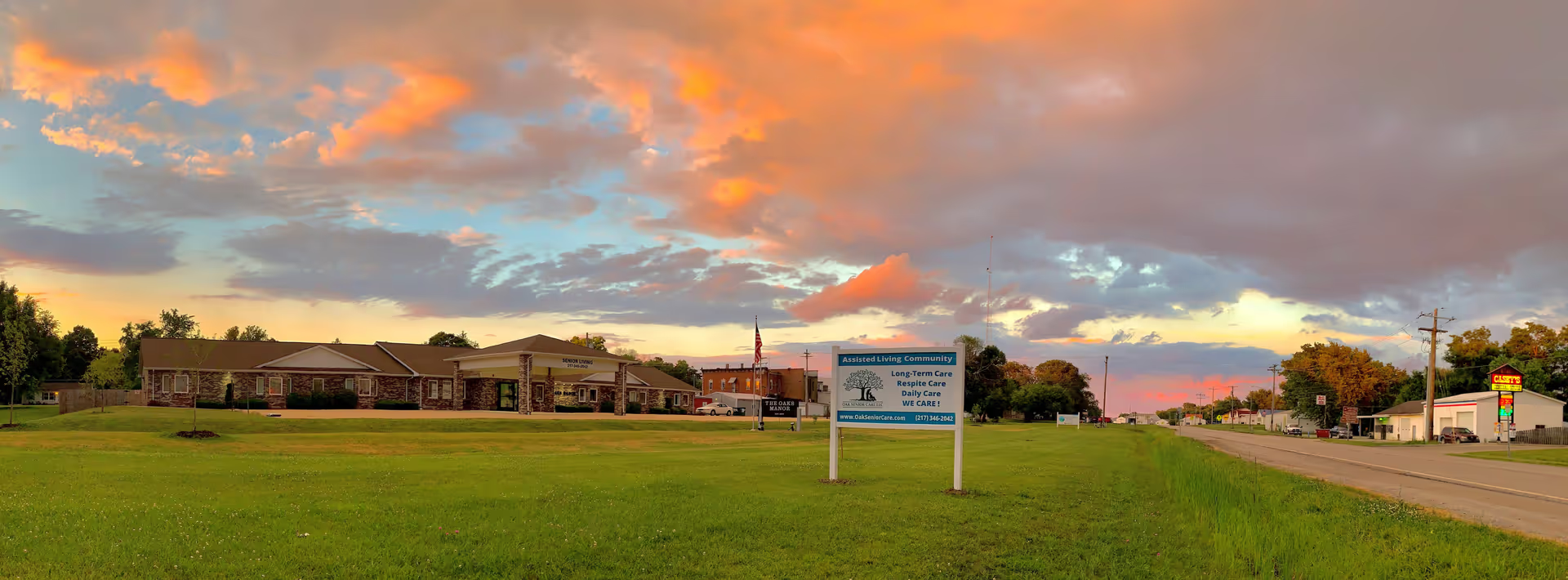
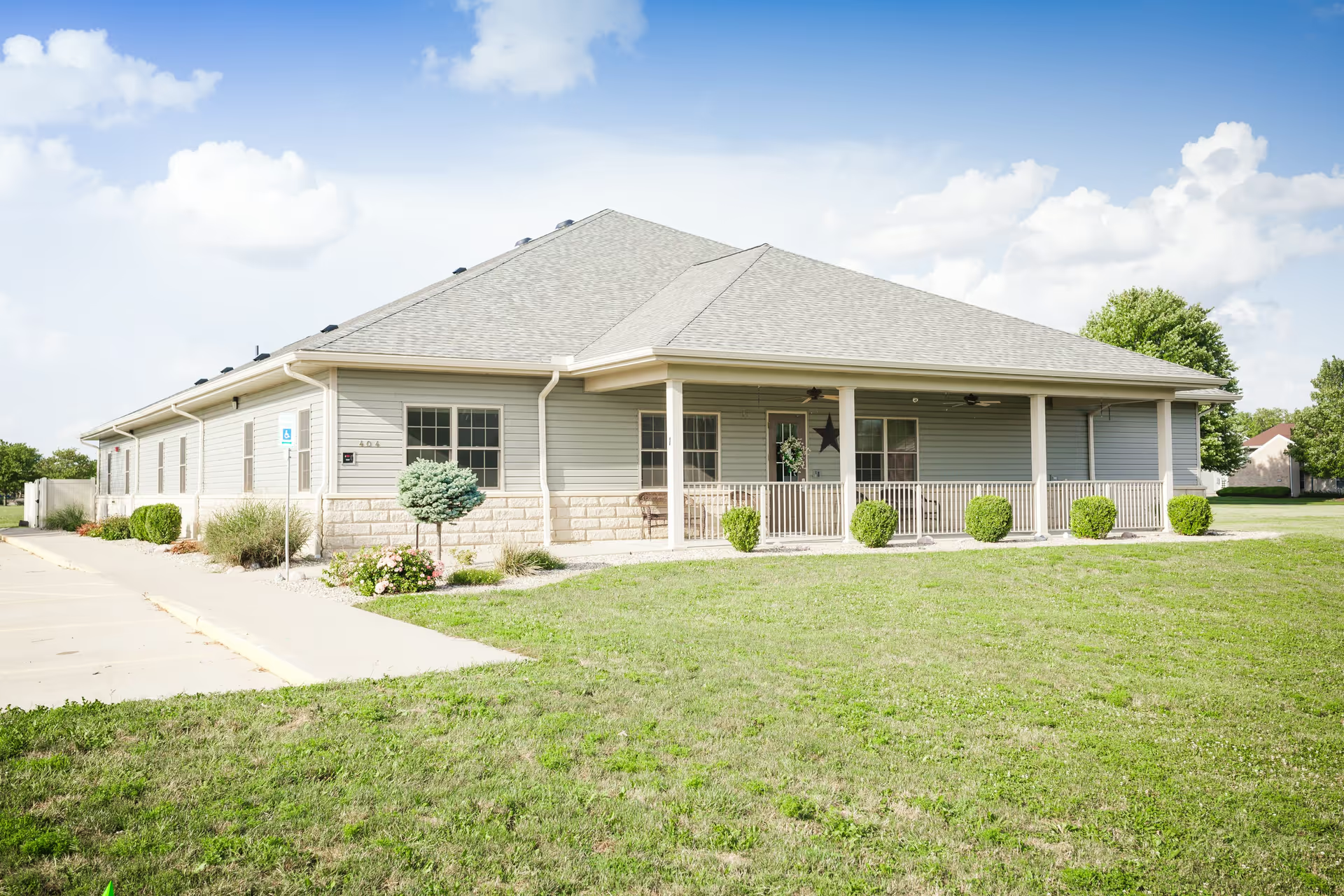
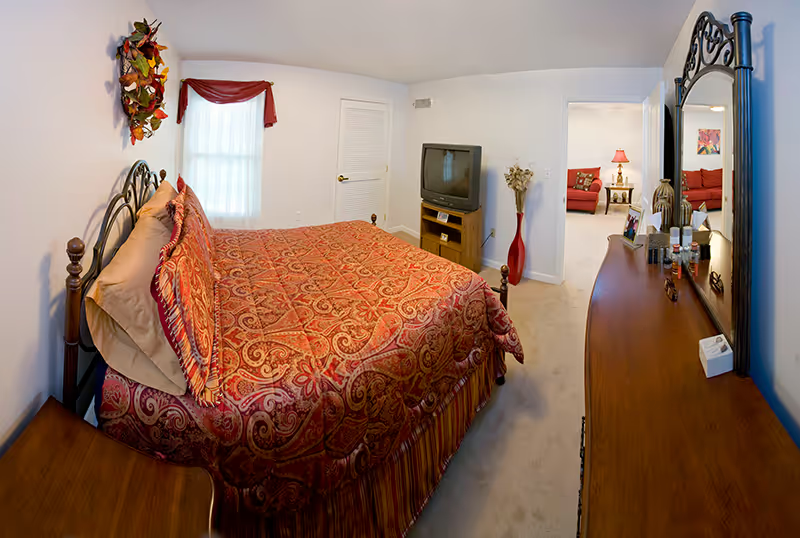
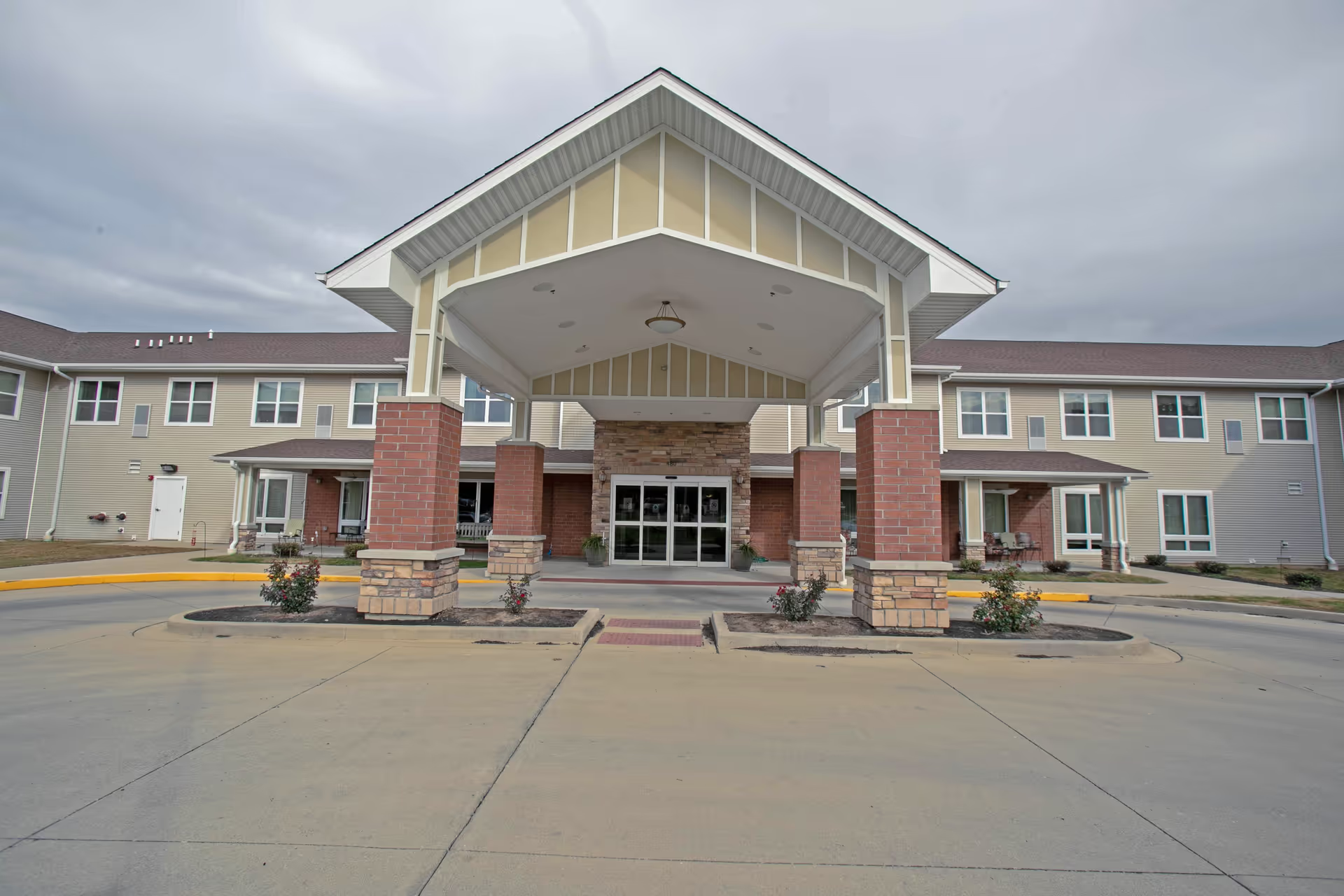
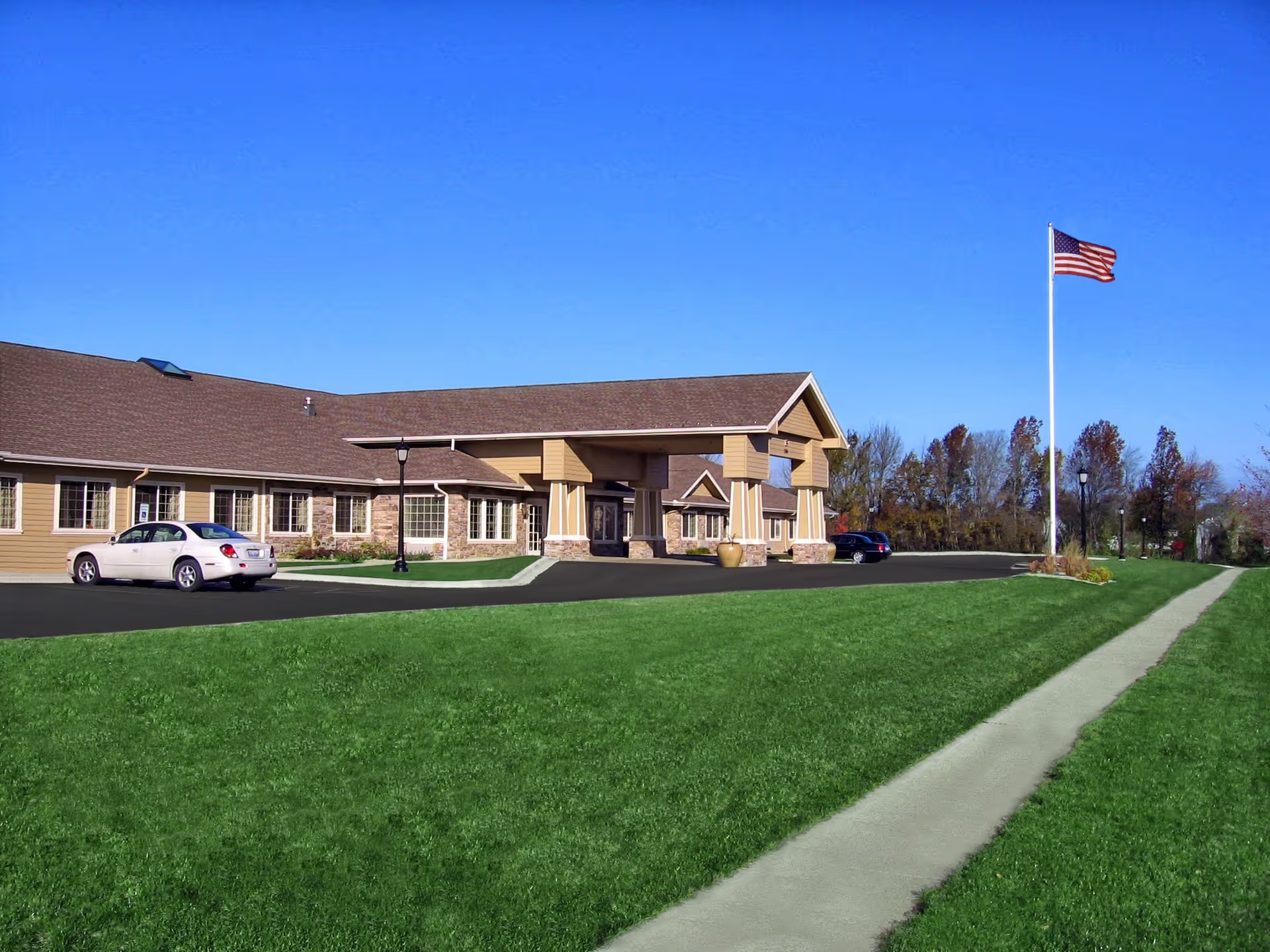
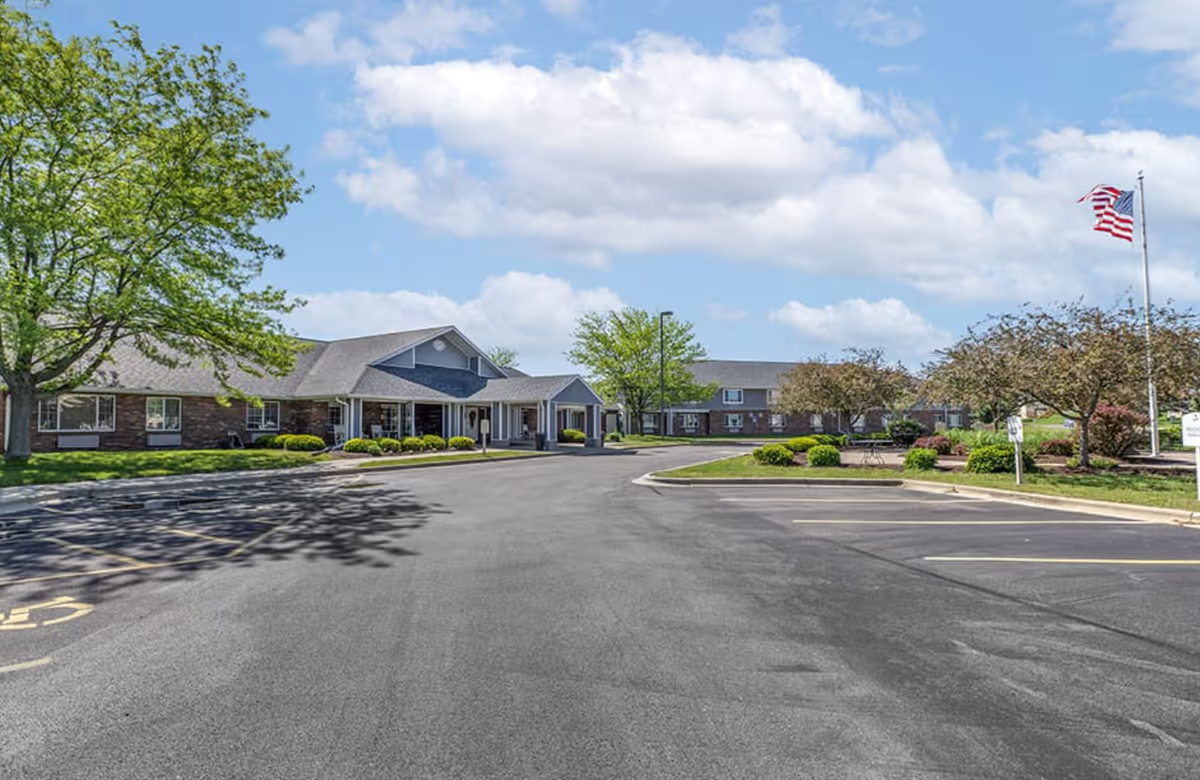
Facilities and maintenance: Physical features receive mixed feedback. Positives include private and double-room options with windows, en-suite bathrooms, large private-room configurations, and attractive grounds with a long porch. However, other comments raise sanitation and cleanliness inconsistencies and specific equipment-maintenance issues (for example, mobility-assist devices that are not functional). These indicate a need to confirm current housekeeping standards, equipment inspection schedules, and preventive-maintenance practices when assessing the facility.
Management, administration, and supplies: Administrative strengths include staff who are welcoming to families and leadership that can be accessible. At the same time, there are recurring operational concerns: front-office staff engagement with residents can be inconsistent, supply-management for incontinence needs appears unreliable at times, and family communication following clinical incidents has been described as insufficient. There are also references to gaps in coordination and communication around end-of-life care. These are facility-level process areas that prospective residents should probe directly.
Dining and clinical services: Review content offers limited direct information about dining quality or menu variety. Clinical care receives mixed impressions—some families strongly recommend the facility for rehabilitation or nursing needs, while others raise concerns about responsiveness and consistency of clinical practices. Asking for current clinical staffing ratios, recent inspection summaries, and examples of care-plan communication can help clarify expectations.
Notable patterns and recommendations: The reviews indicate a polarized experience: strong social programming, compassionate caregivers, and pleasant surroundings for some residents, alongside operational weaknesses that affect timeliness, hygiene consistency, equipment readiness, and family communication for others. When evaluating Haven of Tuscola, families should tour multiple units, review housekeeping and maintenance logs, ask about staffing patterns by shift, request documentation of equipment inspection schedules, inquire about supply-management protocols, and discuss the facility’s process for communicating clinical incidents and end-of-life planning. These targeted questions will help determine whether the facility’s strengths align with a prospective resident’s needs and whether identified weaknesses have been addressed.