Overall sentiment in these reviews is largely positive about day-to-day caregiving, the atmosphere, and the personal attention residents receive, but tempered by recurring concerns about management, staffing levels and specialized memory-care programming. Reviewers consistently praise the compassion, warmth and dedication of the front-line staff — caregivers, nurses and aides are frequently described as kind, patient, family-like, and willing to go the extra mile. Multiple families reported that staff treated residents like family, sacrificed personal time, provided attentive clinical care (including medication management, wound care, and arranging equipment and approvals), and helped make residents’ final months or years more comfortable and meaningful. Several reviews point to measurable resident improvements (better mobility, increased activity, healing wounds, and improved mood), and families report that the smaller-house model and apartment-like rooms create a homey, non-clinical environment that residents enjoy.
Staffing and supervision are the most common sources of concern. A pattern emerges of being understaffed, particularly on nights and weekends, which several reviewers linked to supervision failures and at least one reported wandering incident requiring ambulance transport. Related comments note that many employees are caregivers rather than certified nursing assistants (CNAs) and that some caregivers may lack sufficient memory-care training; this contributes to uneven care quality and family anxieties about safety and appropriate dementia management. While many reviewers commend specific aides and nurses, others describe staff inconsistency and turnover, and caution that the quality of care can depend heavily on which staff are working.
Management and administration are another mixed theme. Some families praise administrators as supportive, communicative and responsive — mentioning regular photo/video updates, prompt communication, and hands-on assistance with logistics. Other reviews describe administrative difficulties: the director being unavailable or dishonest, billing disputes, and frustration during transitions of ownership or leadership. Several families explicitly link their positive experience to capable administration and worry that leadership changes or administrative lapses could undermine previously good care. This creates a split perception: when administration is engaged and supportive, families feel much more confident; when it is not, families experience stress and distrust.
Programming and clinical specialization for memory care receive uneven feedback. While many reviewers feel the facility is capable as a memory-care environment and commend the professional and compassionate staff, several ask for more dementia-specific activities and memory-improvement programming. Some reviewers felt the activity schedule was limited and could be improved to better engage residents cognitively. Conversely, others chose the facility specifically because of the smaller home model and the social, non-clinical environment, which they saw as supportive for dementia residents.
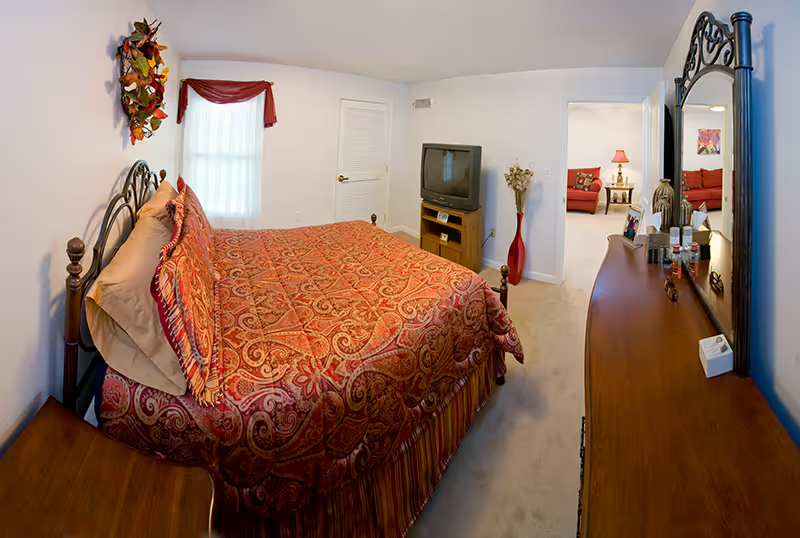
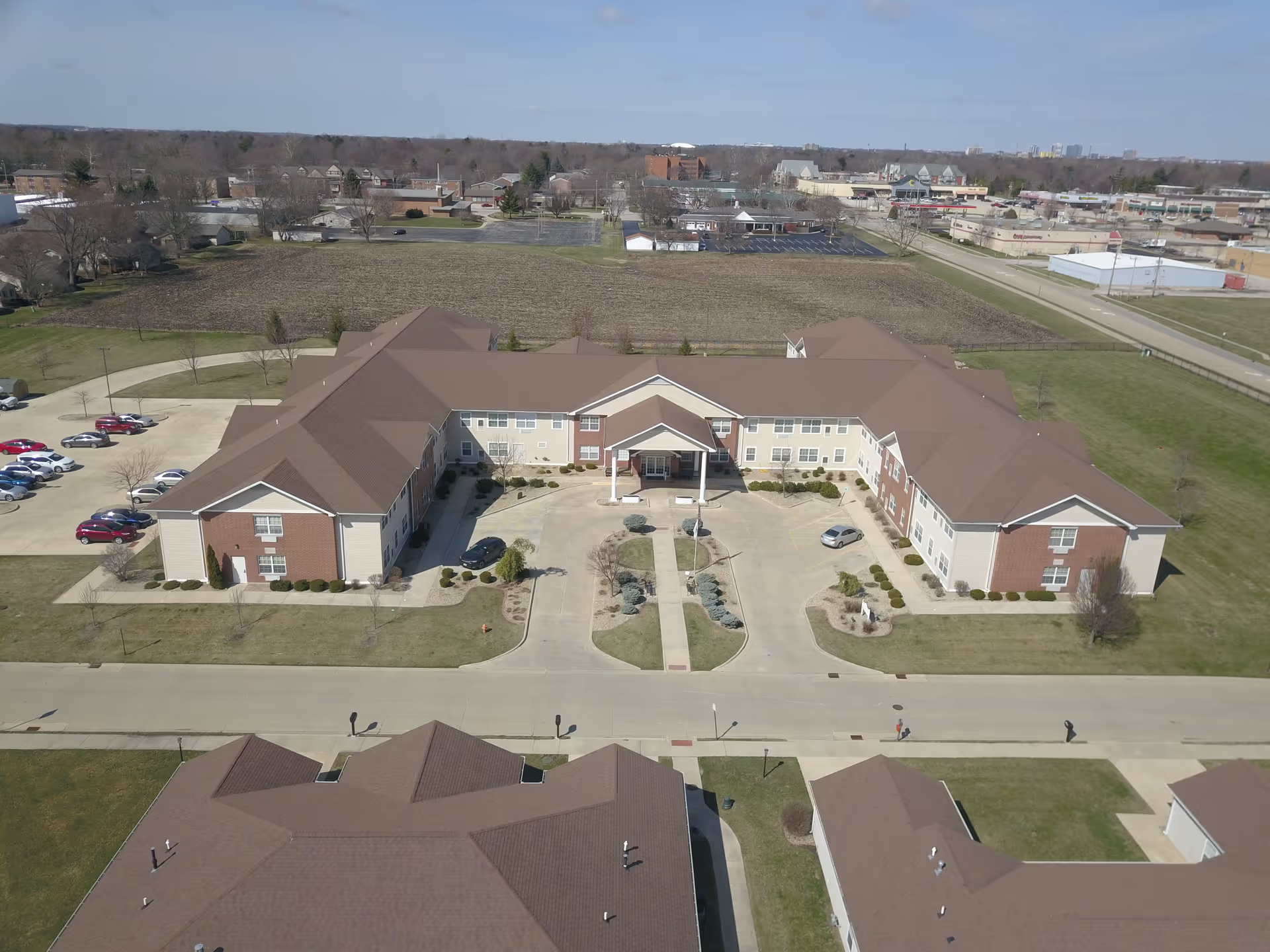
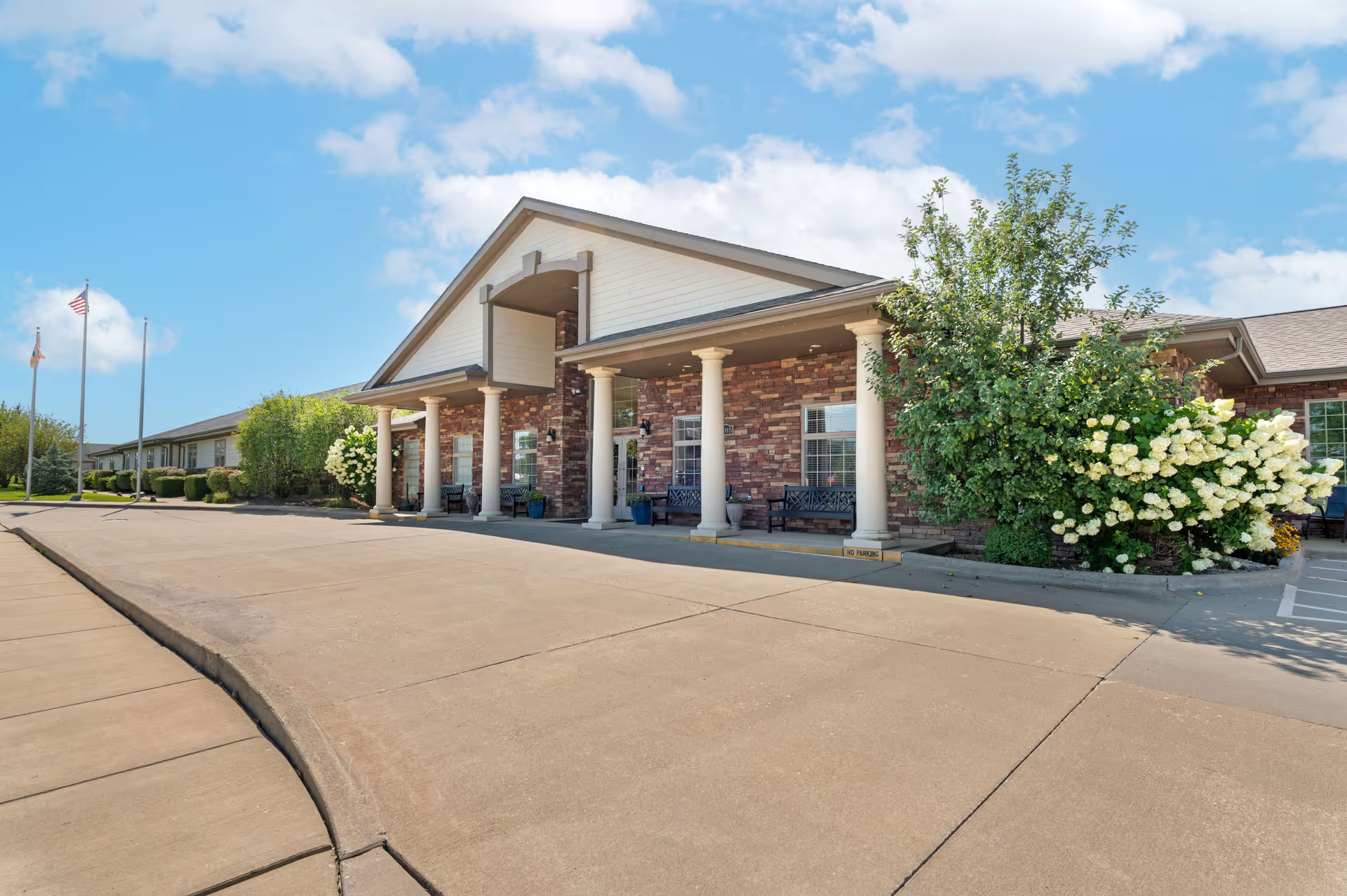
Dining and facilities are generally highlighted as strengths, though not universally. Multiple reviews identify the chef and food quality as excellent and note that meals are well-enjoyed, contributing to residents’ improved appetite and mood. A smaller number of reviewers, however, expressed dissatisfaction with food quality or adequacy, indicating variability in experience or expectations. The physical environment — clean, smaller houses, rooms resembling apartments, and a home-like atmosphere — is repeatedly described as comforting and conducive to a family feeling.
In summary, the dominant strengths of Savoy Place Memory Care in these reviews are the compassionate, attentive front-line staff, a homelike smaller-house environment, strong personal caregiving that often results in improved resident wellbeing, and effective communication and support when administration is engaged. The primary risks and areas for improvement are staffing levels (notably nights and weekends), consistency of staff training in dementia care, administrative transparency and reliability, safety supervision, and more structured memory-focused programming. Prospective families should weigh the strong reports of individualized, loving care and improved resident outcomes against reports of administrative issues and occasional safety or staffing lapses — and should ask specific questions during a tour about night/weekend staffing, dementia training for caregivers, supervision protocols for wandering risk, how ownership or leadership changes are handled, and the facility’s activity schedule for memory support.