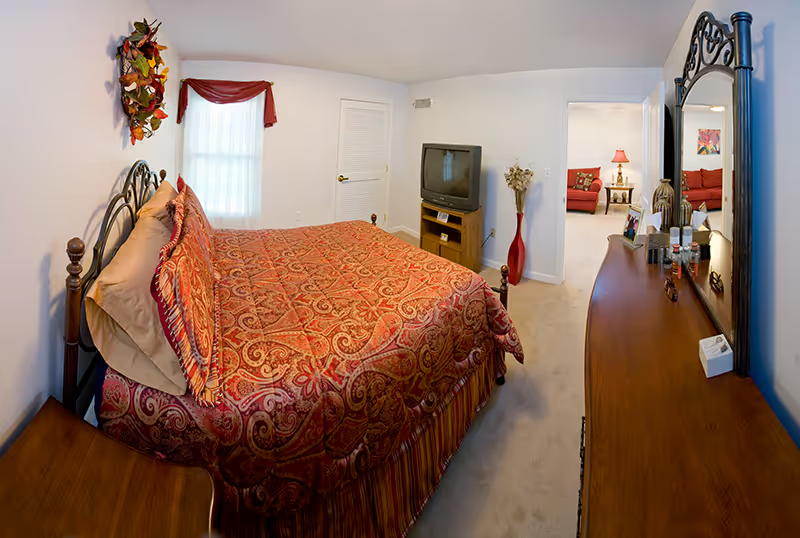
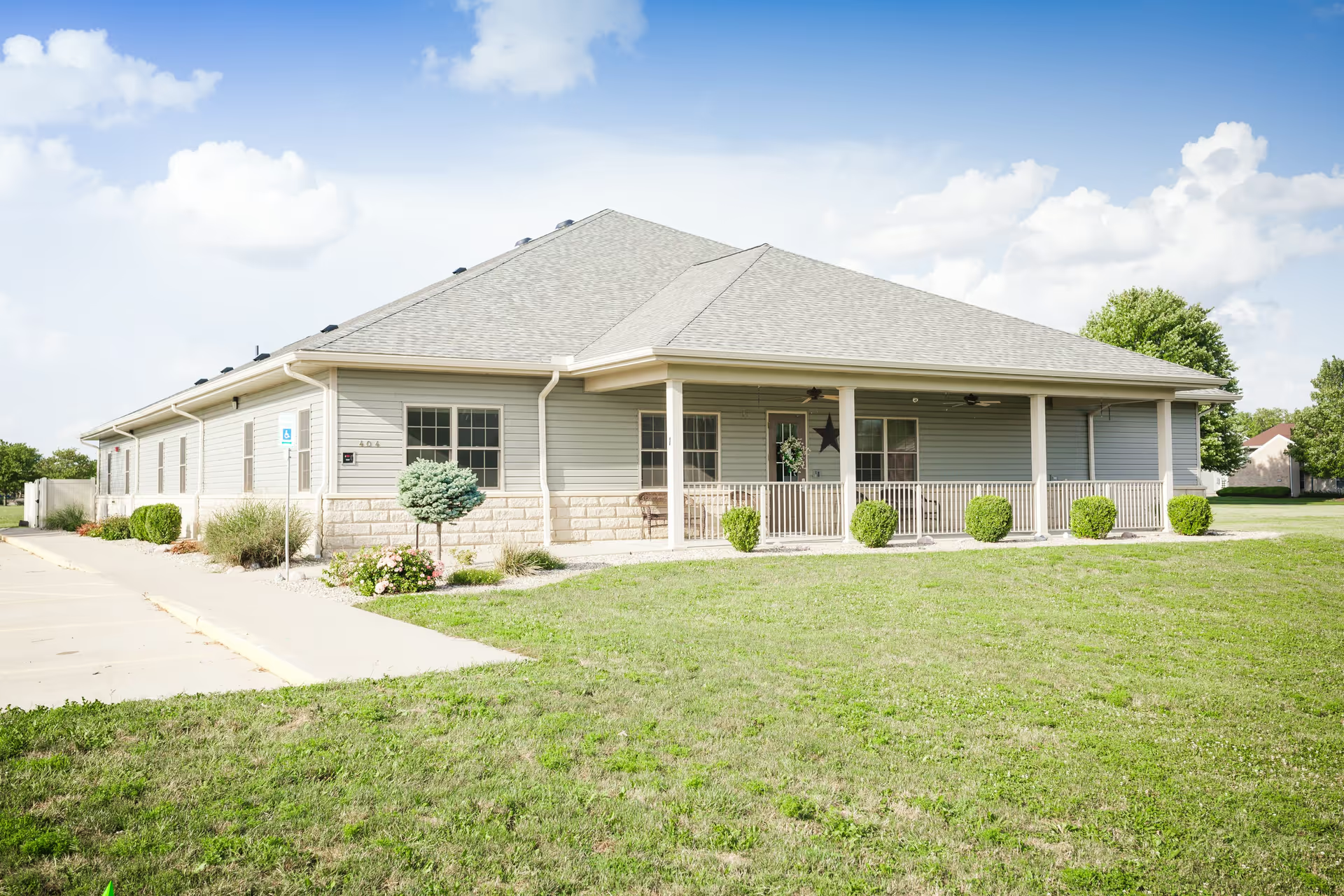
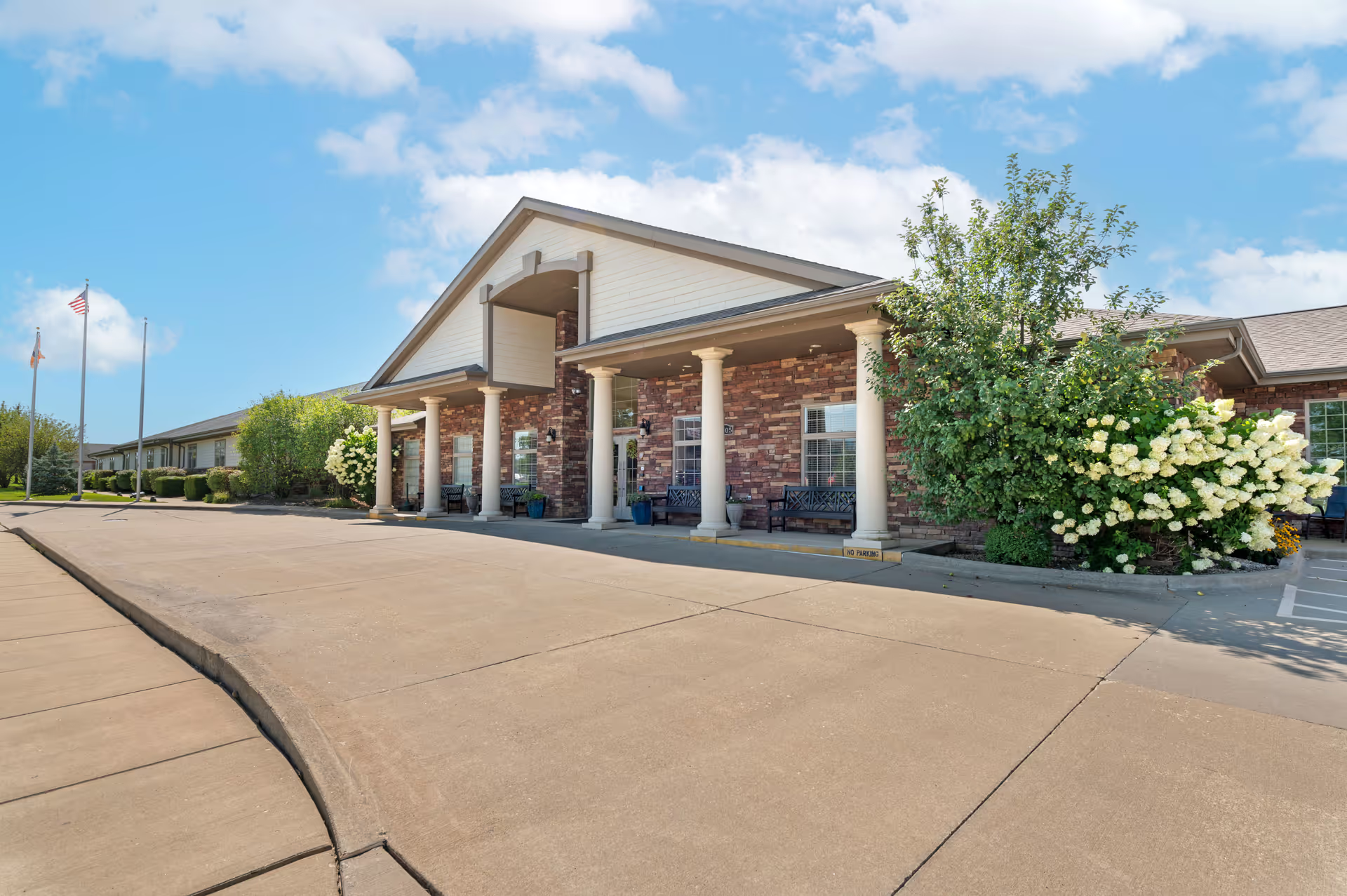
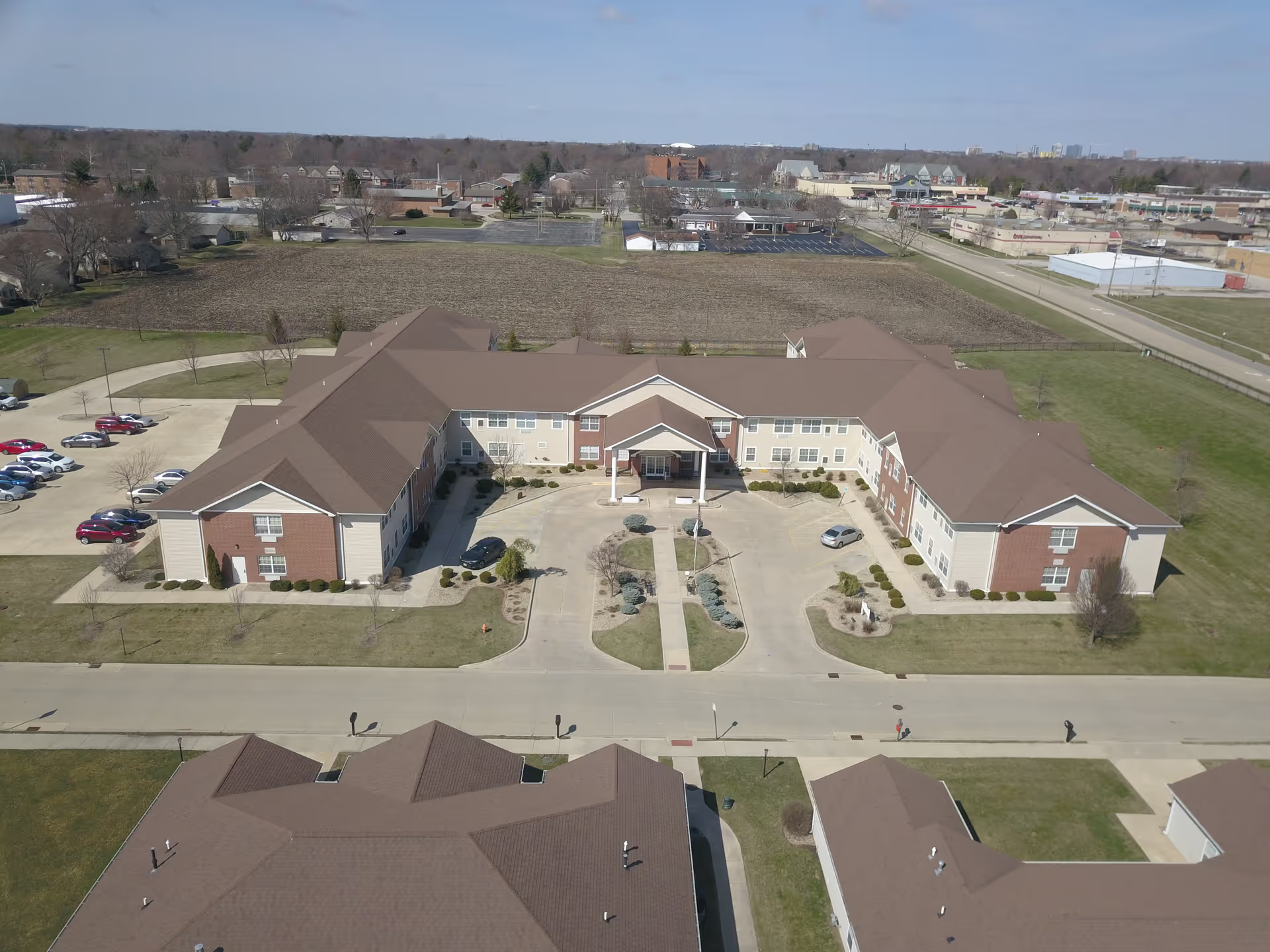
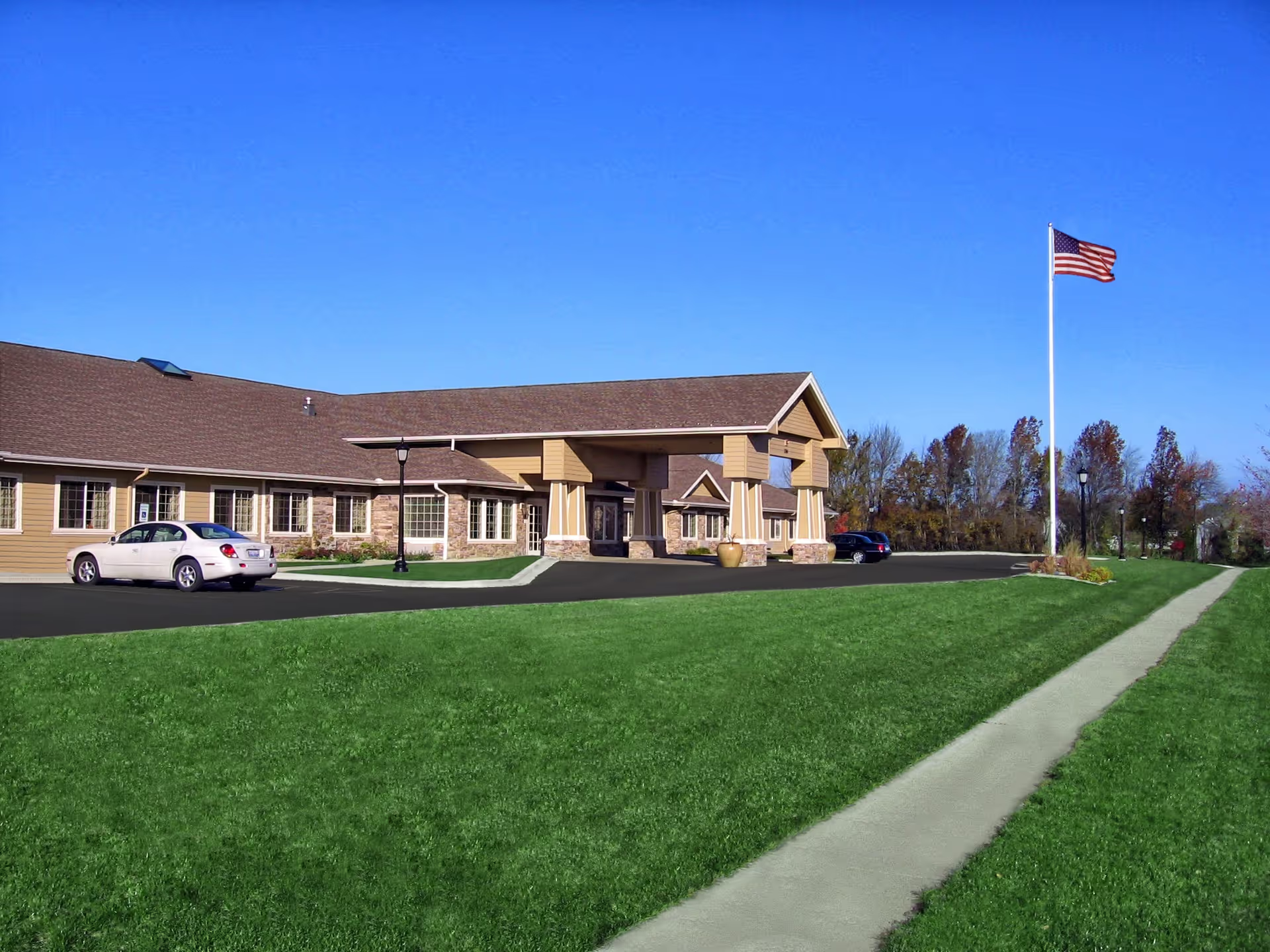
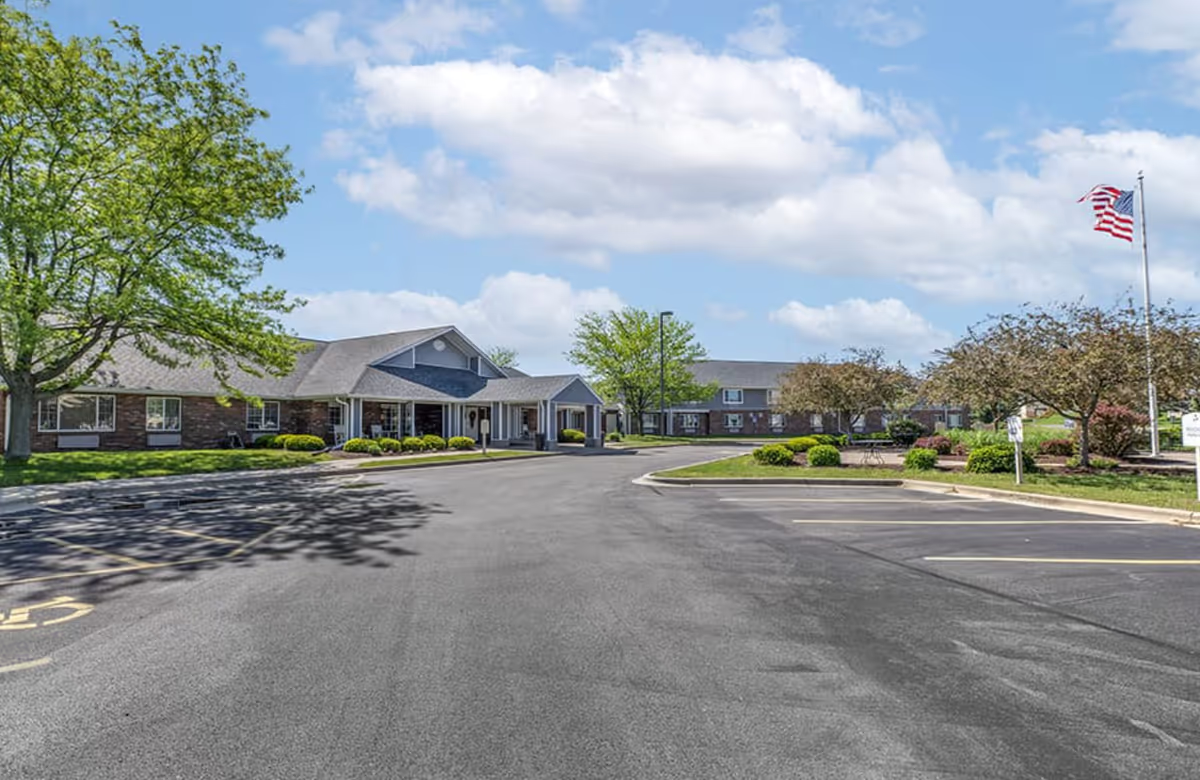
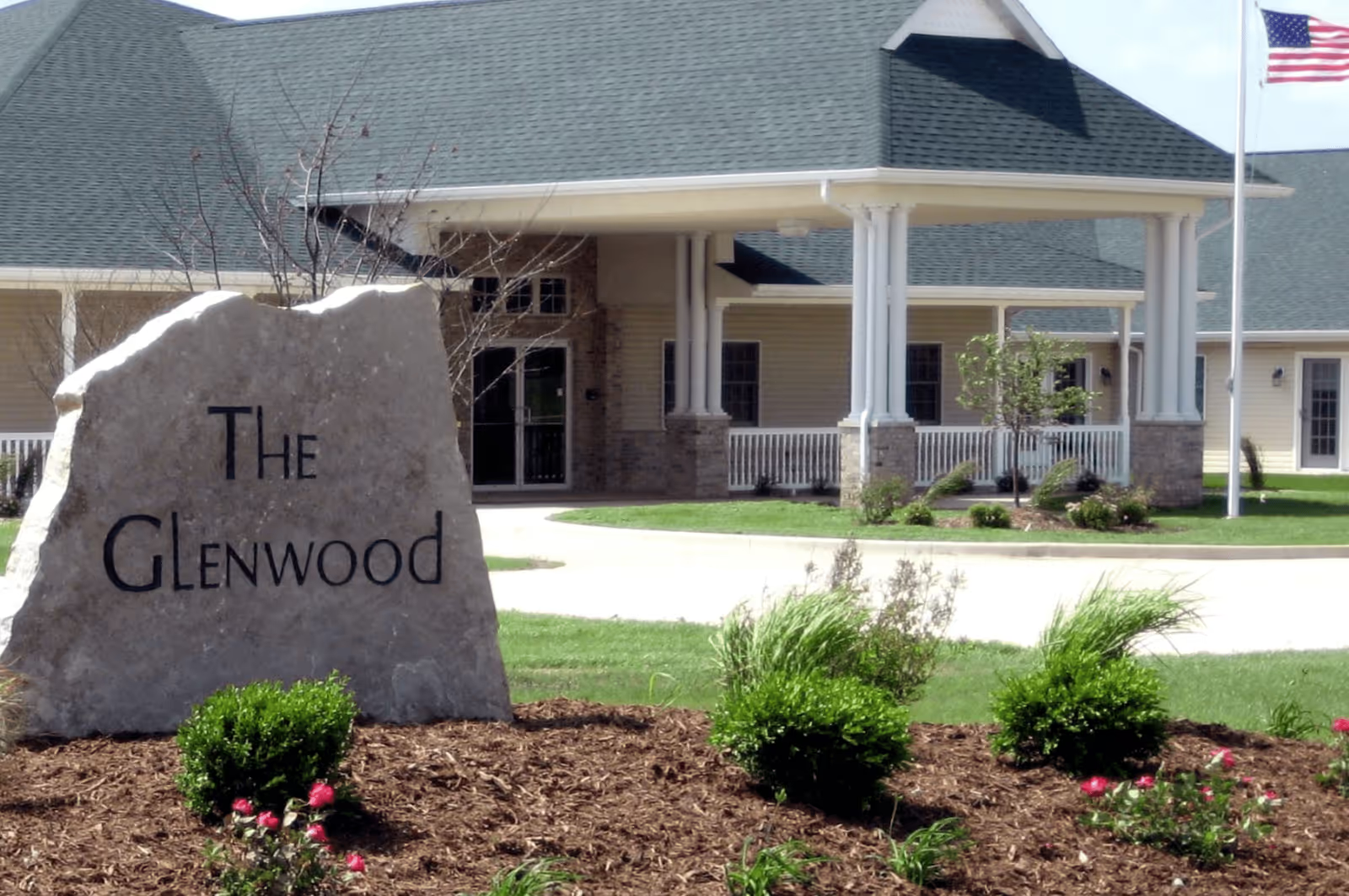
The collected feedback for Bickford of Champaign is markedly mixed, with a clear polarization between strong praise and substantive operational concerns. Many families and visitors describe a warm, home-like environment: a small, well‑maintained campus with a lively activities program, an engaged activities director, on-site salon services, and home-cooked meals. Multiple comments highlight long-tenured staff, friendly interpersonal interactions between staff and residents, and examples where residents acclimated well or showed clinical improvement after admission.
Care quality descriptions vary. Positive accounts emphasize compassionate nursing leadership, helpful admission staff, effective family-advocate support, and individualized attention in the small memory-care unit. Conversely, other accounts identify recurring operational problems: inconsistent staffing (especially evenings/weekends and night shifts), delays in responding to call buttons, and gaps in personal‑care and hygiene management. There are also several accounts implying medication-administration or documentation problems and instances where clinical issues were perceived as not addressed promptly. These suggest variability in day-to-day clinical reliability rather than a uniform standard of care.
Staff performance is likewise mixed. Many reviewers praise caregiving staff as friendly, social, and attentive, and they credit specific leaders for responsiveness and knowledge. At the same time, some comments point to caregiver distraction, insufficient supervision or training, and reduced responsiveness during certain shifts. The combination of positive long-tenure feedback and reports of training/supervision gaps suggests that staff strengths may be concentrated in specific teams or shifts while other times present vulnerabilities.
Dining and activities are notable strengths. The facility is frequently described as offering three meals daily with scratch-style preparation, pleasant dining areas, and a robust calendar of social, spiritual, and recreational offerings. The activities director receives frequent commendations for creativity and resident engagement. That said, reviewers mention variability in meal quality and occasional mismatches between dietary restrictions and on-plate offerings or beverages, indicating room for tighter meal-communication and coordination with care plans.
Facilities and amenities receive consistent praise: clean common areas, well-kept grounds, a patio/garden area, whirlpool access, and cozy common rooms. Room sizes and privacy expectations are an area of occasional disappointment; some prospective residents expected larger apartments than were available. Pet-policy enforcement and related communication also appear inconsistent in practice.
Management and communication show a split pattern. Several families describe responsive directors who resolved admission questions and refund issues after escalation. Others describe difficulty reaching leadership by phone, inconsistent family notification for medical issues, and uneven transparency around contracts or refunds. Notably, there are references to after-hours coordination weaknesses and isolated allegations of serious misconduct or emergency incidents; those accounts merit direct inquiry during touring and assessment and — where appropriate — follow-up with regulatory/oversight channels.
Notable patterns: the facility's small, communal model offers strengths in personalization and social programming, but that model also appears vulnerable to staffing variability. Positive experiences often align with consistent leadership, active family advocacy, and daytime staffing, while negative experiences cluster around understaffed shifts, handoff or documentation breakdowns, and communication shortfalls.
Recommendations for prospective families: during a tour, observe multiple shifts if possible (including mealtime and evening periods), ask for recent staffing ratios and turnover data, review how the facility manages medication administration and communicates care-plan changes, and request specifics about incontinence and hygiene protocols as well as emergency-response procedures. Ask to meet the activities director, see the activity calendar, and review contract terms (refunds, deposits, and room-size specifics) in writing. Given the mixed feedback, a focused ask about after-hours supervision, documentation practices, and examples of how management addresses care concerns will help clarify whether the facility’s strengths align with an individual resident’s needs.