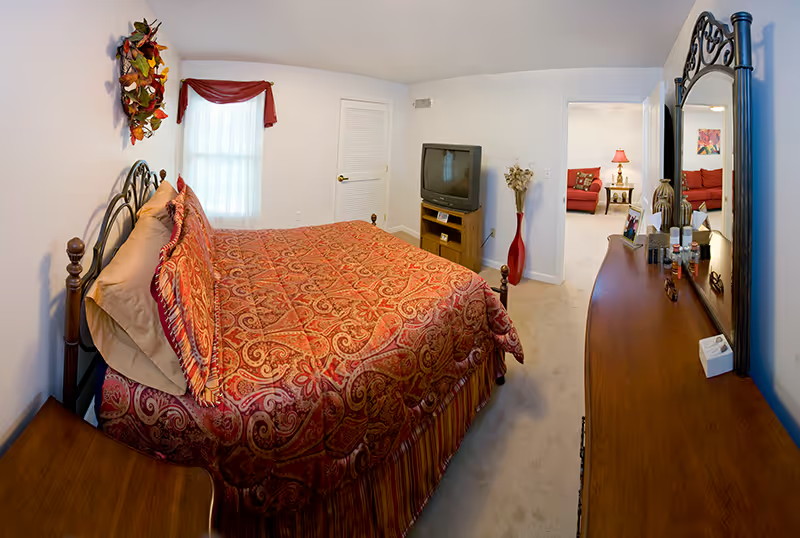
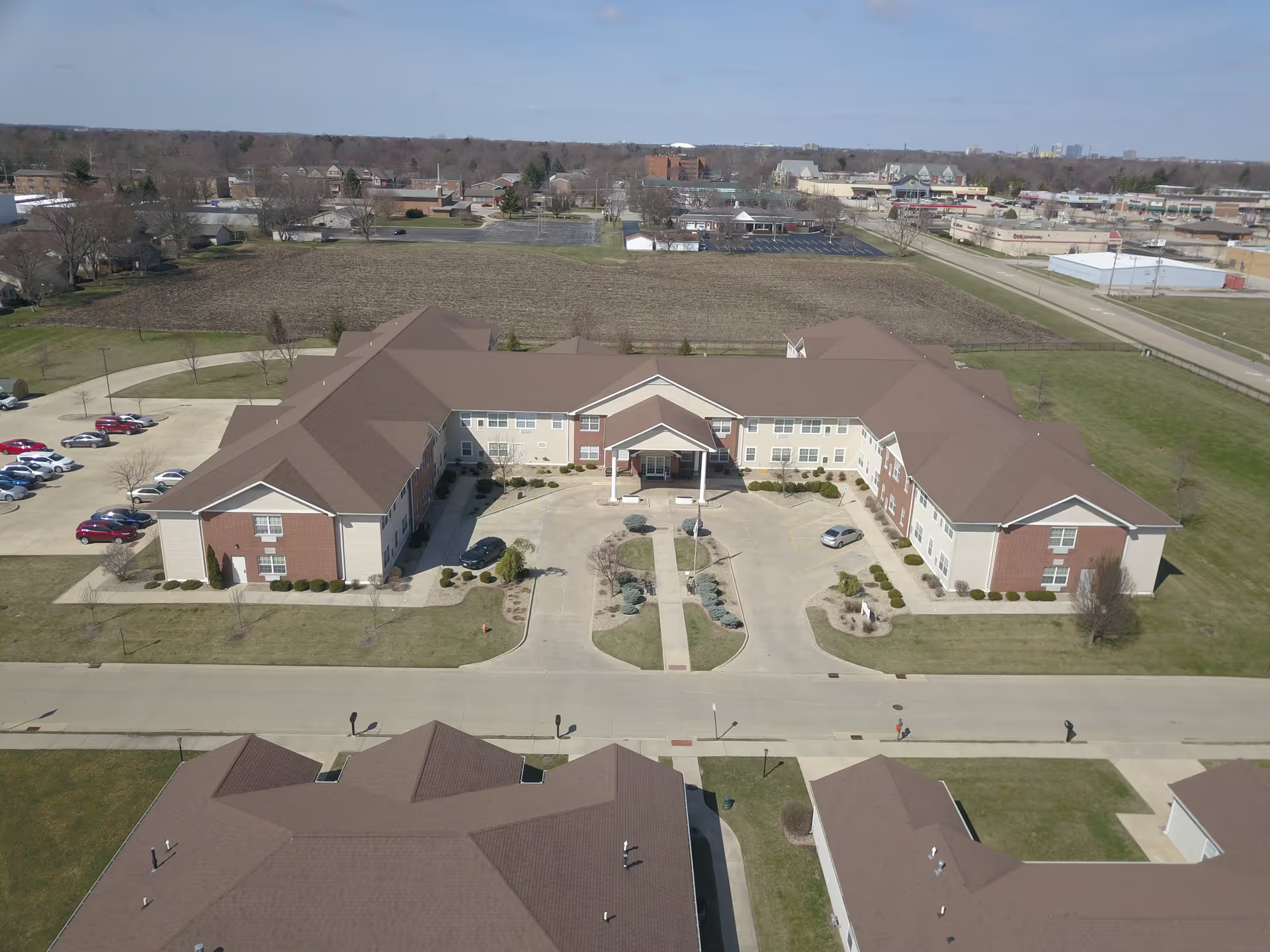
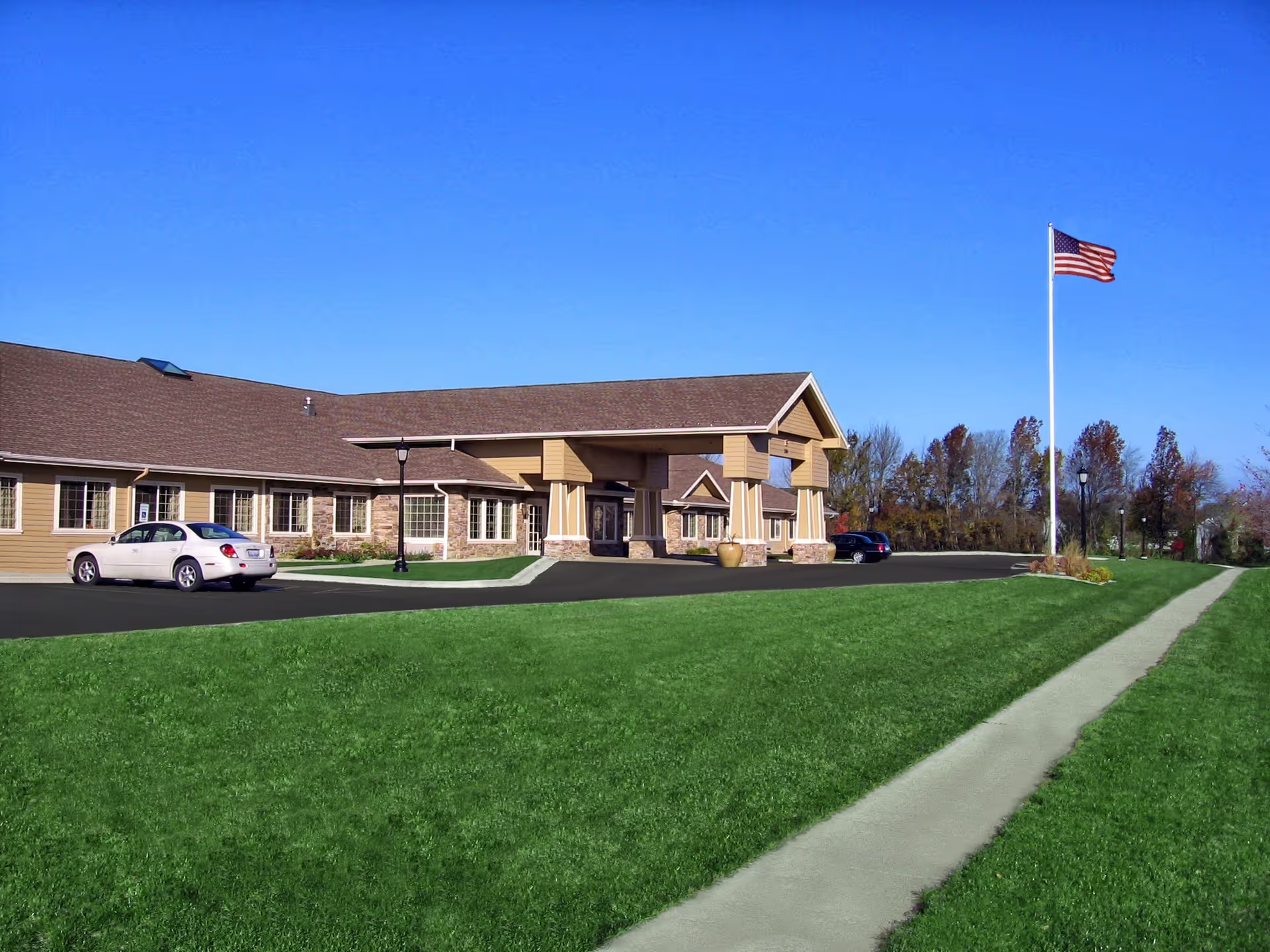
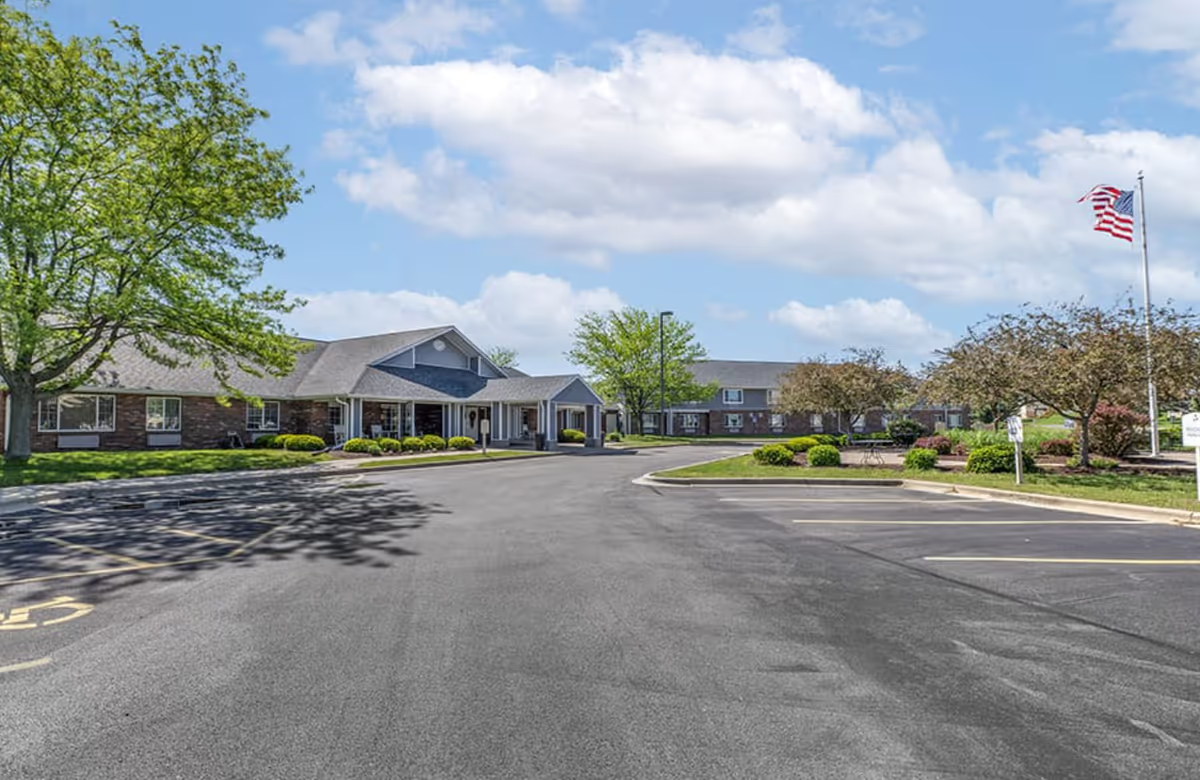
Overall impression Bridle Brook presents as a modern, well-appointed assisted living and memory care community with many features that families value: chef-led meals, a restaurant-style dining program with menu flexibility, a robust activities schedule, and a wide range of on-site amenities (library, salon, ice cream parlor, coffee shop, courtyards). Apartments are described as spacious and comfortable, with conveniences such as kitchenettes and walk-in showers. Weekly housekeeping and optional laundry service are standard, and the campus offers scheduled transportation and therapy services, which many families highlighted as helpful for daily life and medical access.
Care and staff the caregiving staff receive consistent praise for compassion, responsiveness, and personal attention; reviewers frequently noted first-name recognition, helpfulness during transitions, and supportive nursing during end-of-life care. The activities leadership is repeatedly singled out as energetic and effective, contributing strongly to resident engagement. However, reviewers also identified operational weaknesses that affect clinical continuity: elevated staff turnover (notably among nursing assistants), variable nursing oversight, and episodic medication-management issues. These patterns have contributed to continuity-of-care concerns and uneven experiences between shifts and units.
Dining and activities Dining is a clear strength. Multiple reviewers described the food as high quality, varied, and restaurant-like; the kitchen leadership and wait staff are frequently praised. Meal-planning meetings and the ability to order off-menu were noted as positive practices. Activities are extensive and varied—exercise classes, music and dance, arts and crafts, games, themed events and holiday meals—supported by dedicated activity staff. This programming is a major contributor to the community feel and resident satisfaction.
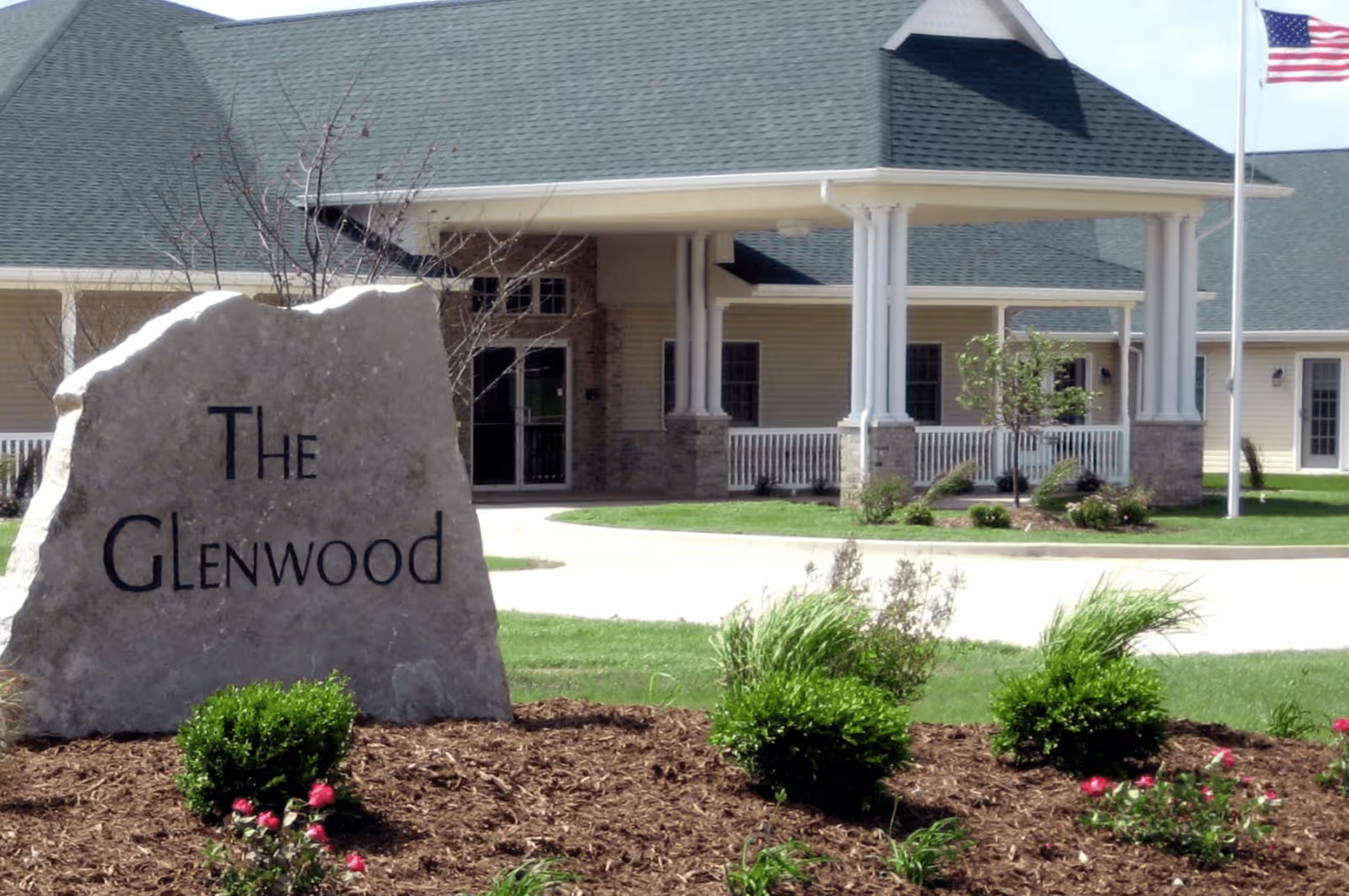
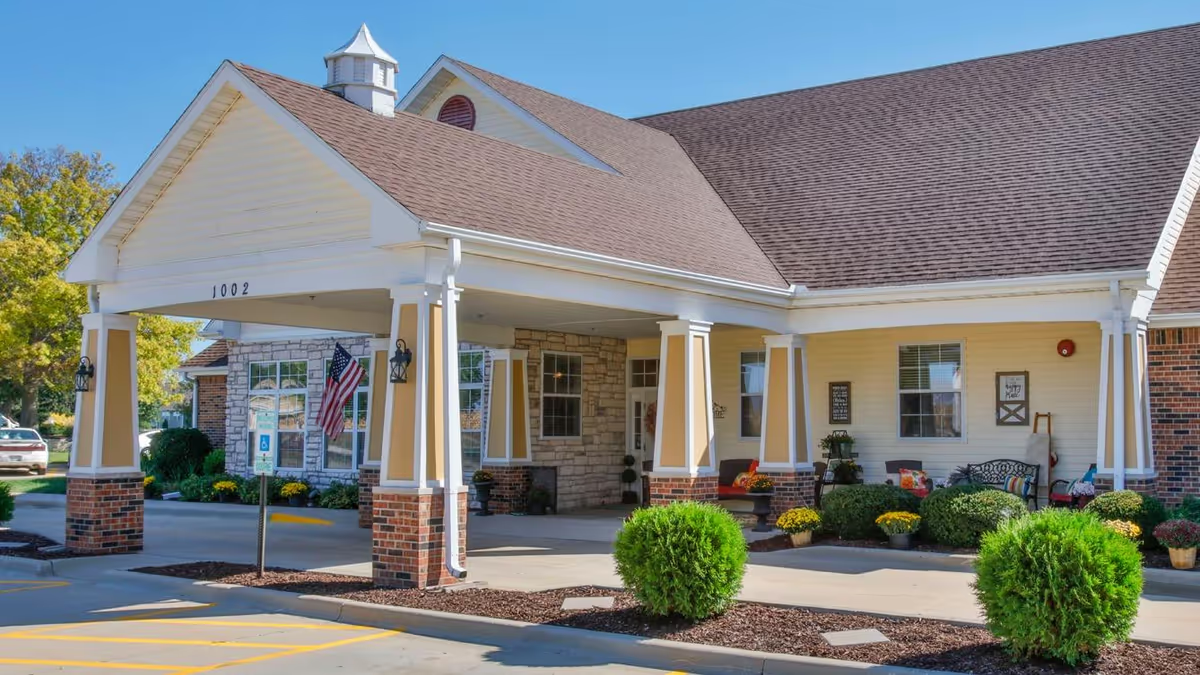
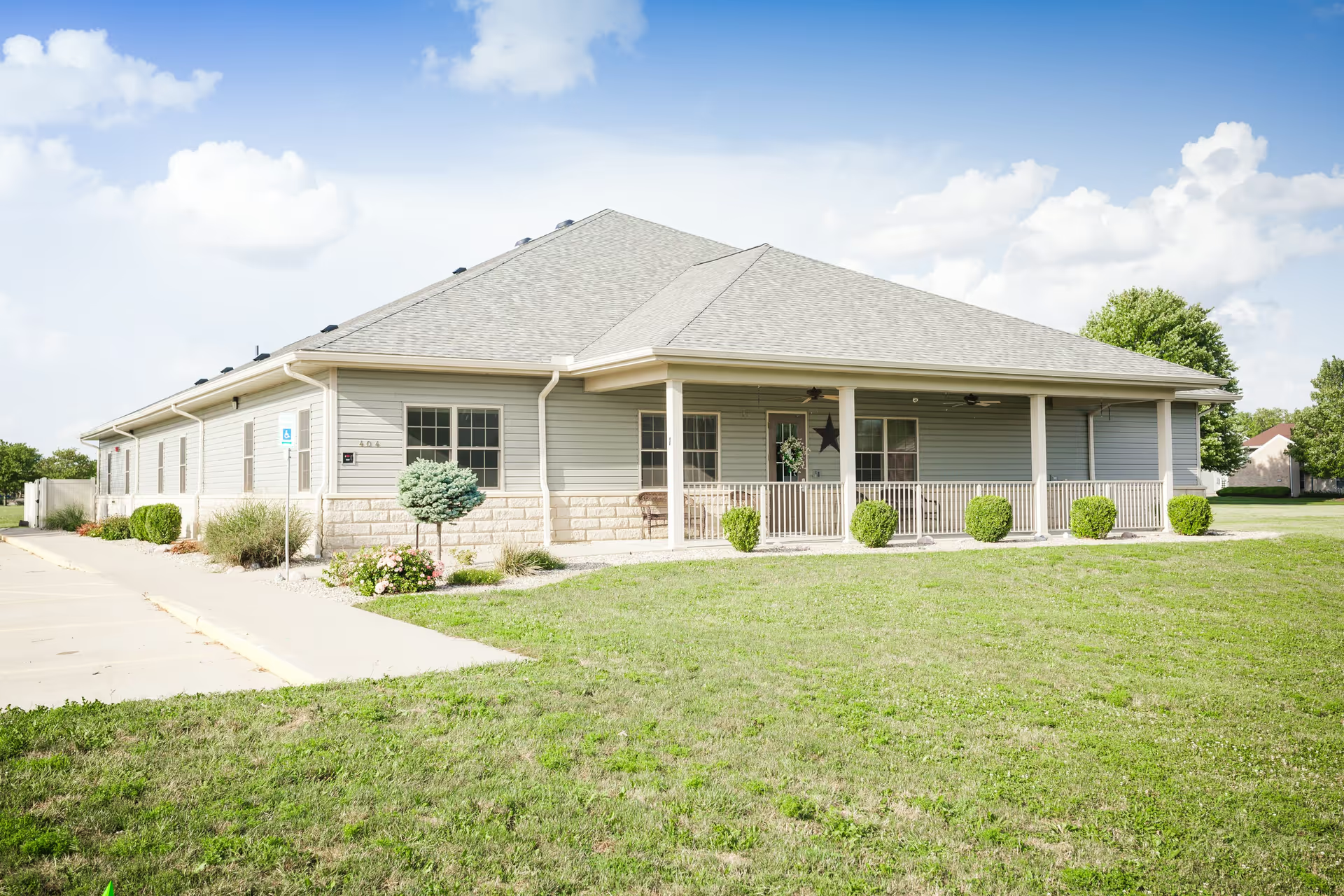
Facilities and environment The physical plant is generally described as clean, bright, and tastefully furnished, with attractive outdoor spaces and recreational areas. Memory-care programming is present and includes music and tailored activities; however, the memory-care wing received mixed feedback about atmosphere and cleanliness compared with assisted living areas. Some reviewers described memory-care rooms as smaller or darker, and others noted sanitation or housekeeping variability in that unit. Prospective families should assess the specific memory-care environment on tour.
Management, safety, and operations Several operational concerns recur across reviews: inconsistent family communication, occasional laundry/property handling errors, intermittent staffing shortages, and service continuity issues tied to turnover. There are also mentions of medication-administration inconsistencies and a perceived need for stronger clinical oversight. On an organizational level, ownership and management have undergone changes (including parent-company financial and legal actions and court-appointed management), which reviewers associated with periods of instability; corporate responsiveness to facility-level issues was described as slow by some families. Security and monitoring systems (for example, cameras and entrance controls) were flagged as areas for clarification.
Notable patterns and guidance for families Strengths cluster around dining, activities, amenities, and a widely appreciated caregiving culture in many units. Weaknesses cluster around operational consistency: staffing stability, family communication, medication and clinical oversight, and unit-level cleanliness variation—especially in memory care. For families considering Bridle Brook, recommended topics to evaluate on a visit include current staffing ratios and turnover statistics, specific plans for clinical oversight and medication management, the condition and staffing of the memory-care unit, the status of ownership/management and plans for ongoing investment, security and monitoring capabilities, and written infection-control and incident-response protocols. These checks will help match the facility’s many programmatic strengths to an individual resident’s care needs and expectations.