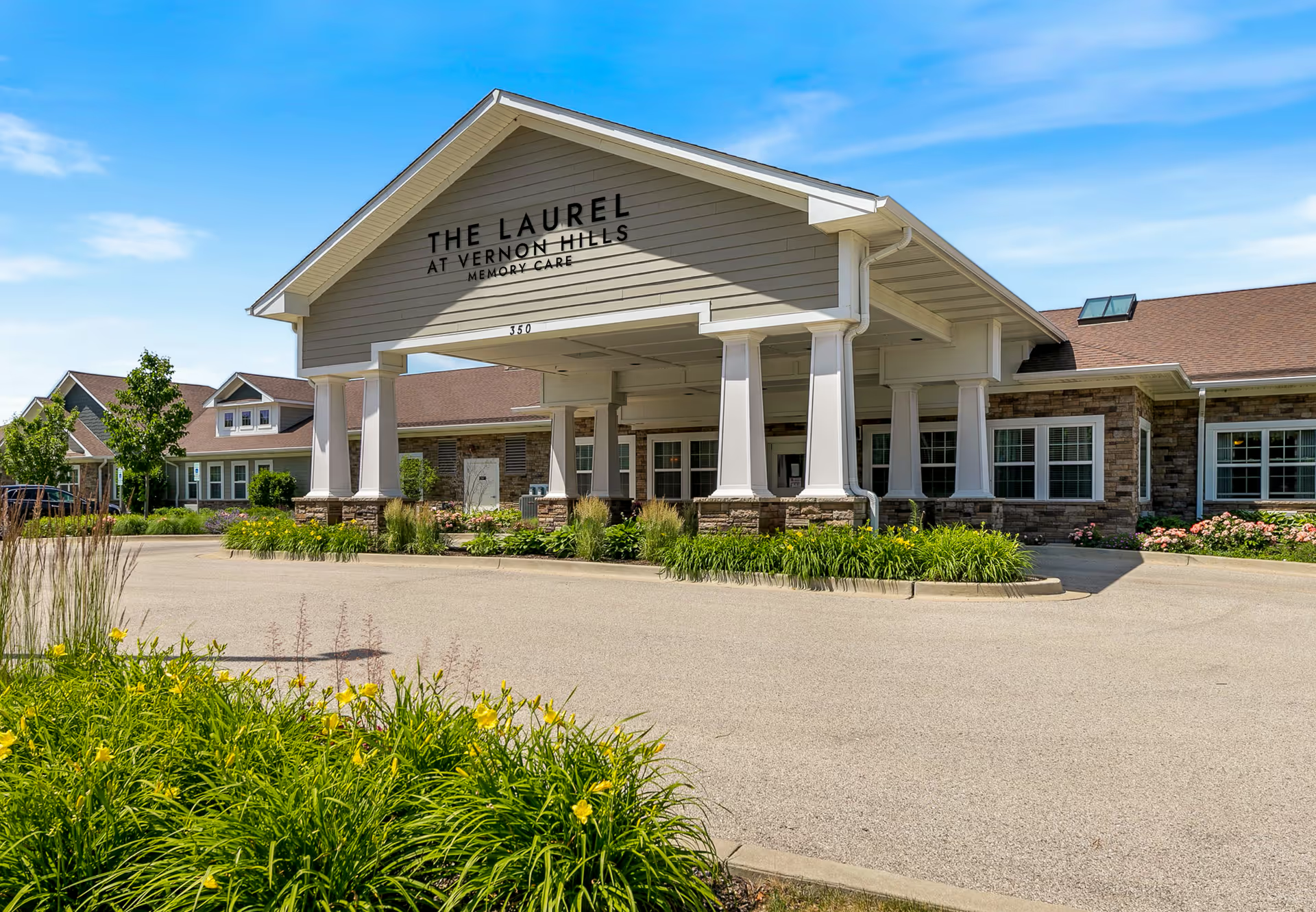
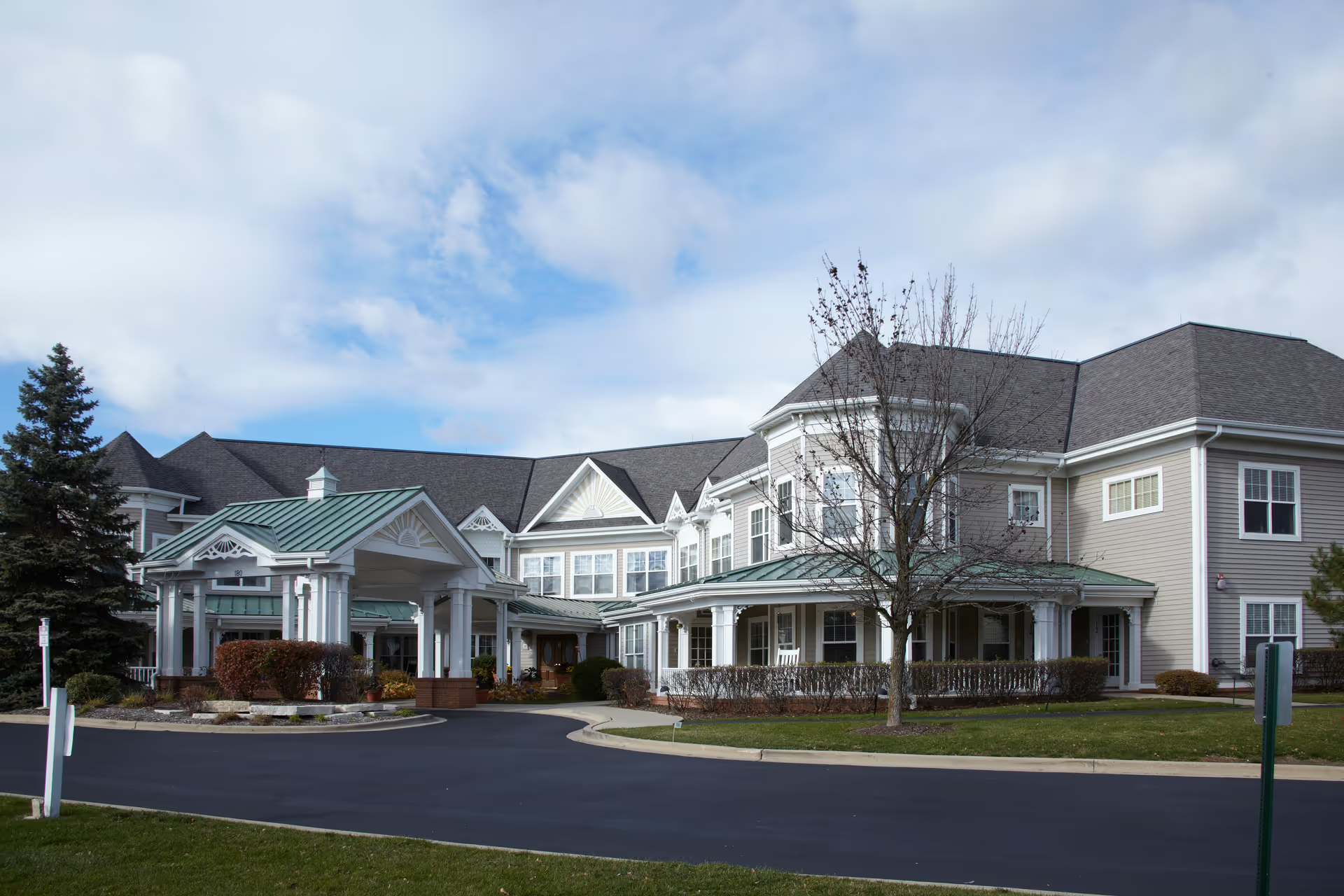
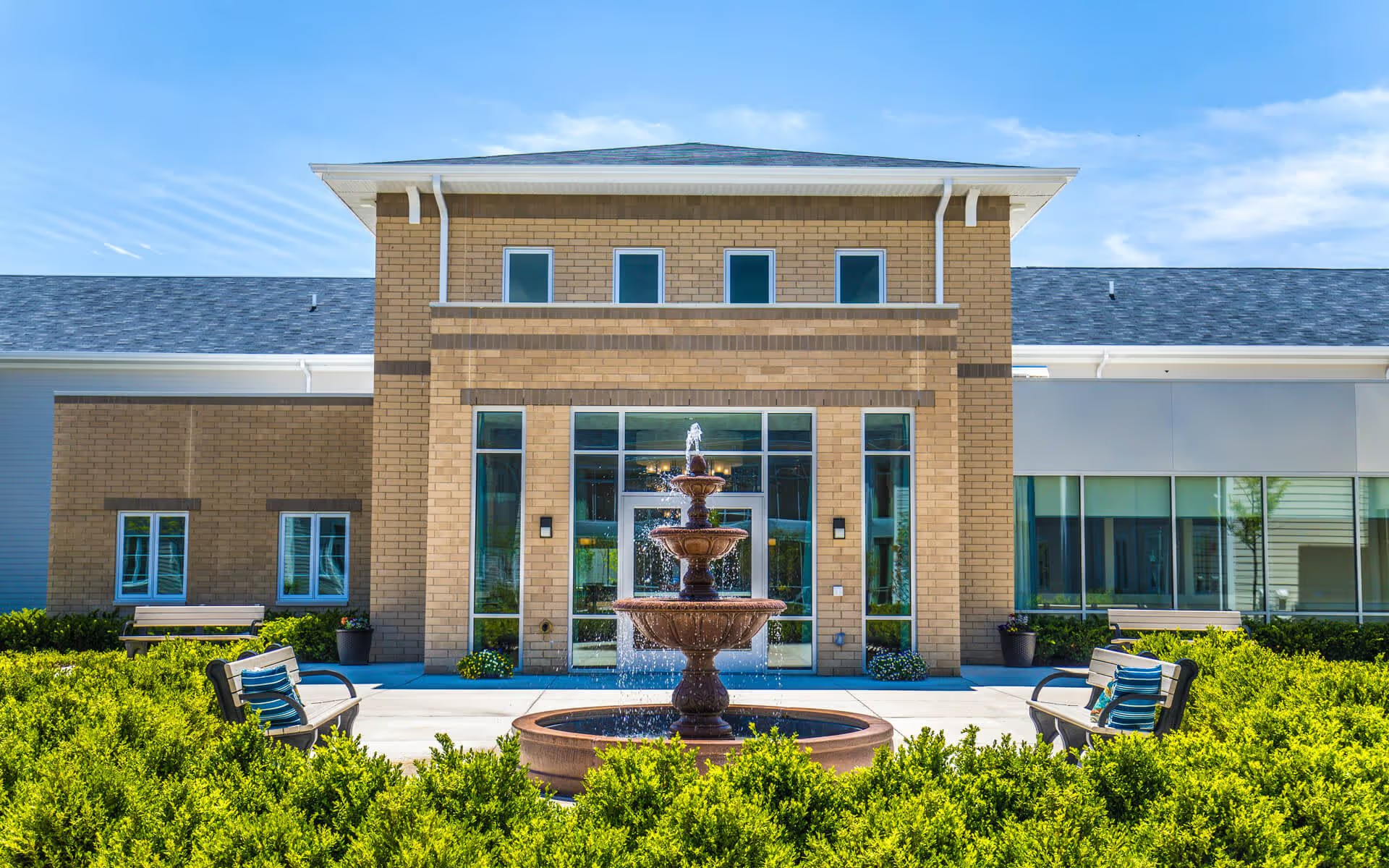
Aspen Woods Memory Care of Vernon Hills draws frequent praise for its dementia-focused caregiving, warm culture, and homelike environment. Many families describe compassionate, dementia-trained staff who provide personalized one-to-one engagement. Reviewers consistently note a strong activities program — led by energetic activity staff — with daily exercises, crafts, trivia, social events and individualized projects that appear to improve resident engagement and mood for many residents. The facility’s small, family-like atmosphere, clean rooms, sunroom and interior courtyards contribute to a hotel-like, comfortable environment that families find restful and reassuring.
Clinical care and monitoring receive mixed feedback. Positive comments highlight capable nurses, proactive clinical coordination (including support during hospital visits and hospice transitions) and attentive follow-up for specific conditions. However, a subset of families raised concerns about inconsistent clinical responsiveness, delays in addressing medical needs, and gaps in monitoring—issues that in some cases affected management of agitation and incontinence-care. Several reviewers specifically flagged difficulty in handling highly agitated residents and noted situations that suggest opportunities to strengthen clinical incident response and monitoring protocols.
Staffing and management present a mixed picture. Multiple reviewers praised accessible, personable managers and admissions staff who provide strong transition support and ongoing communication; named leaders were credited with improving satisfaction. At the same time, there are recurring comments about staffing variability, turnover among caregivers and some management churn. These staffing fluctuations are described as producing uneven day-to-day experiences and occasional lapses in continuity of care. Prospective families should ask about current staffing levels, turnover rates, and contingency staffing plans.
Dining and housekeeping impressions vary. Some families describe from-scratch, delicious meals and thoughtful accommodations, while others found meals less impressive or experienced delays and service issues. Housekeeping and laundry are frequently commended for maintaining clean, tidy rooms and routine laundry service; nonetheless, there are isolated observations about aging furnishings, worn carpeting and areas in need of cosmetic upkeep.
Safety and facility infrastructure also show mixed signals. Many reviewers appreciate the dementia-specific unit layout and monitored entry systems that support secure living. Conversely, there are concerns about inconsistent door controls and broader safety oversight that suggest the need for clearer monitoring procedures and staff training around elopement risk and door security. These are operational issues rather than universal deficiencies, but they merit direct questions during a tour.
Overall, Aspen Woods offers a strong, compassionate memory-care option with notable strengths in activities programming, personalized engagement, and a homelike physical environment. The chief operational cautions are variability in staffing and clinical responsiveness, mixed dining experiences, and some uneven facility maintenance. Families considering Aspen Woods should undertake an in-person tour, review current staffing models and clinical protocols, ask for sample activity schedules and menus, and discuss specific safety and monitoring measures to ensure the facility’s strengths align with the prospective resident’s care needs.