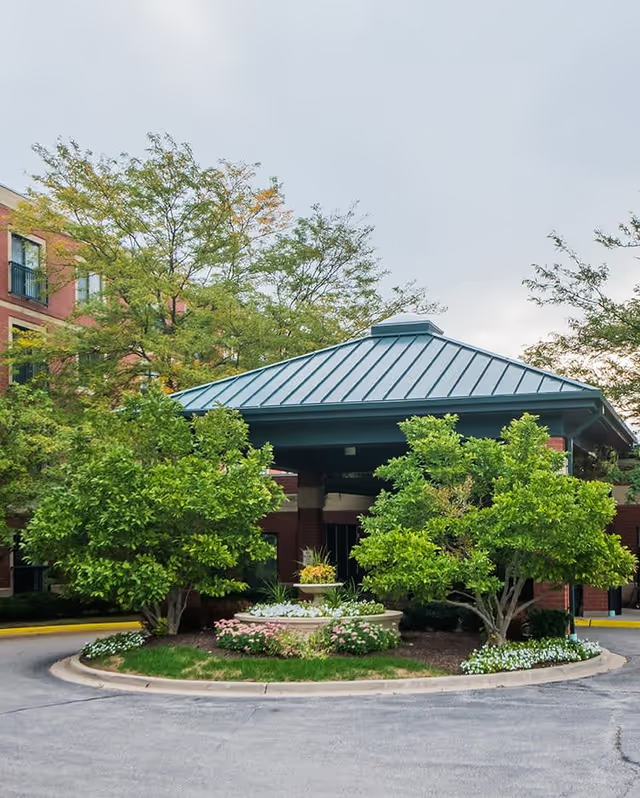
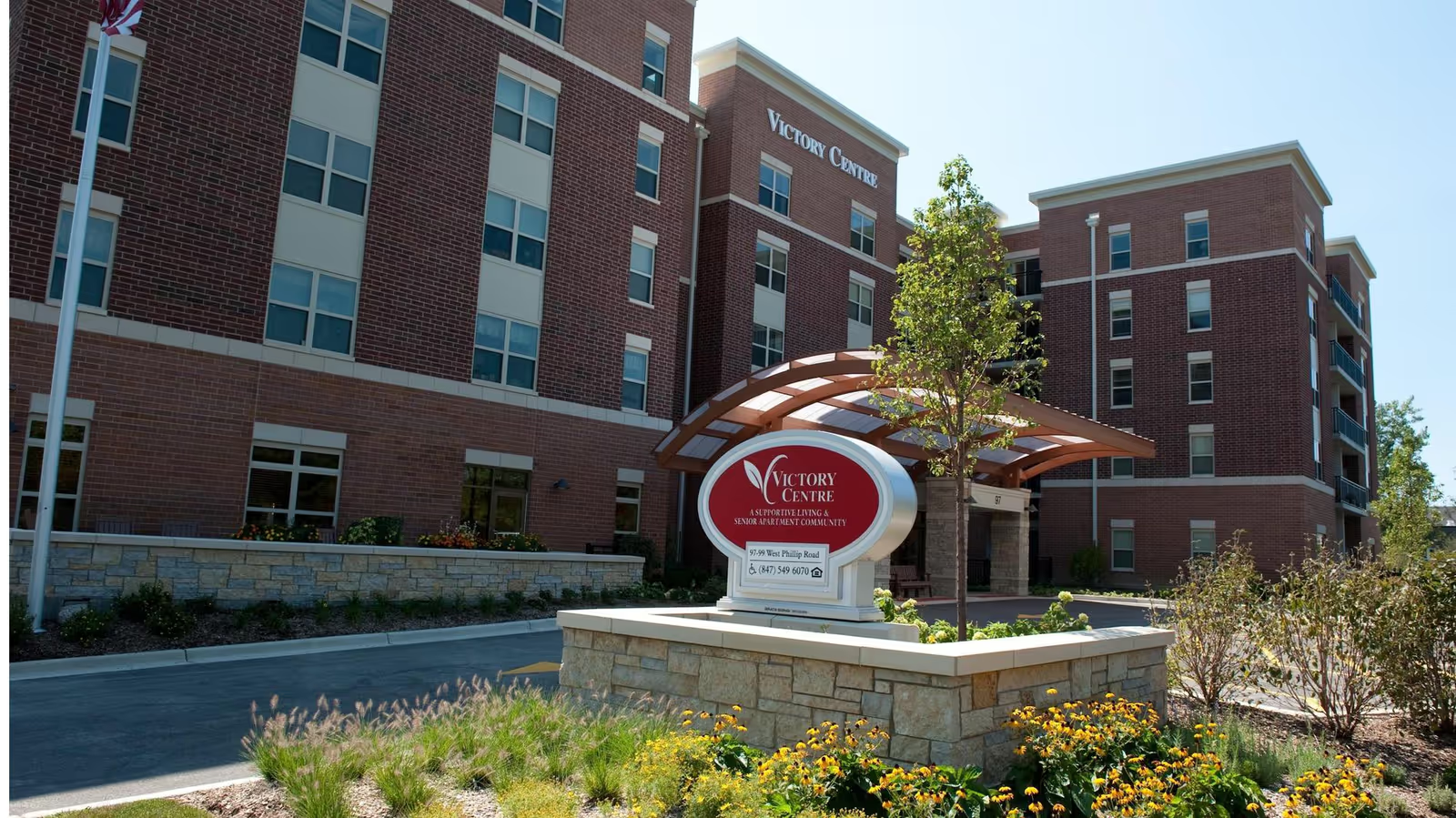
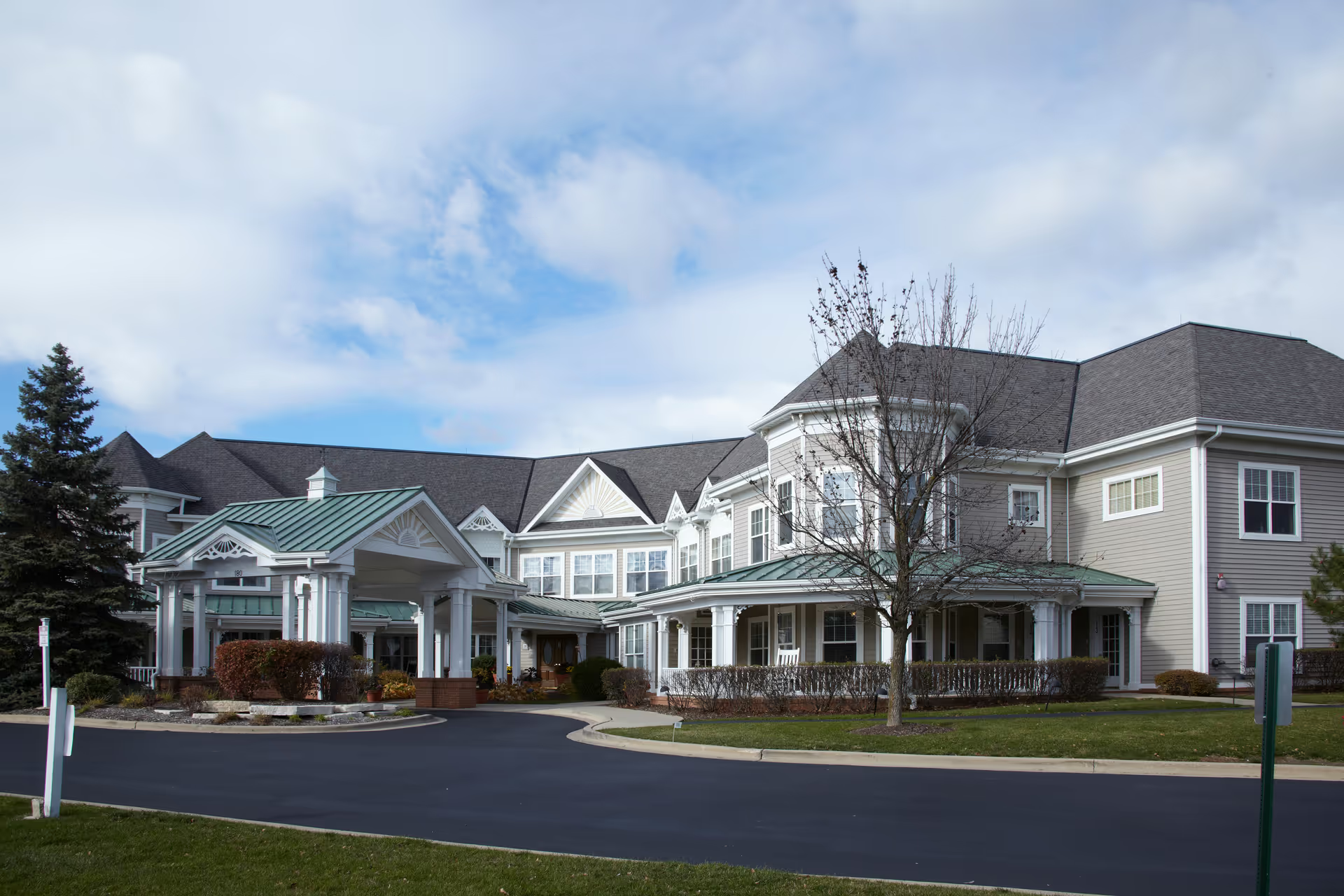
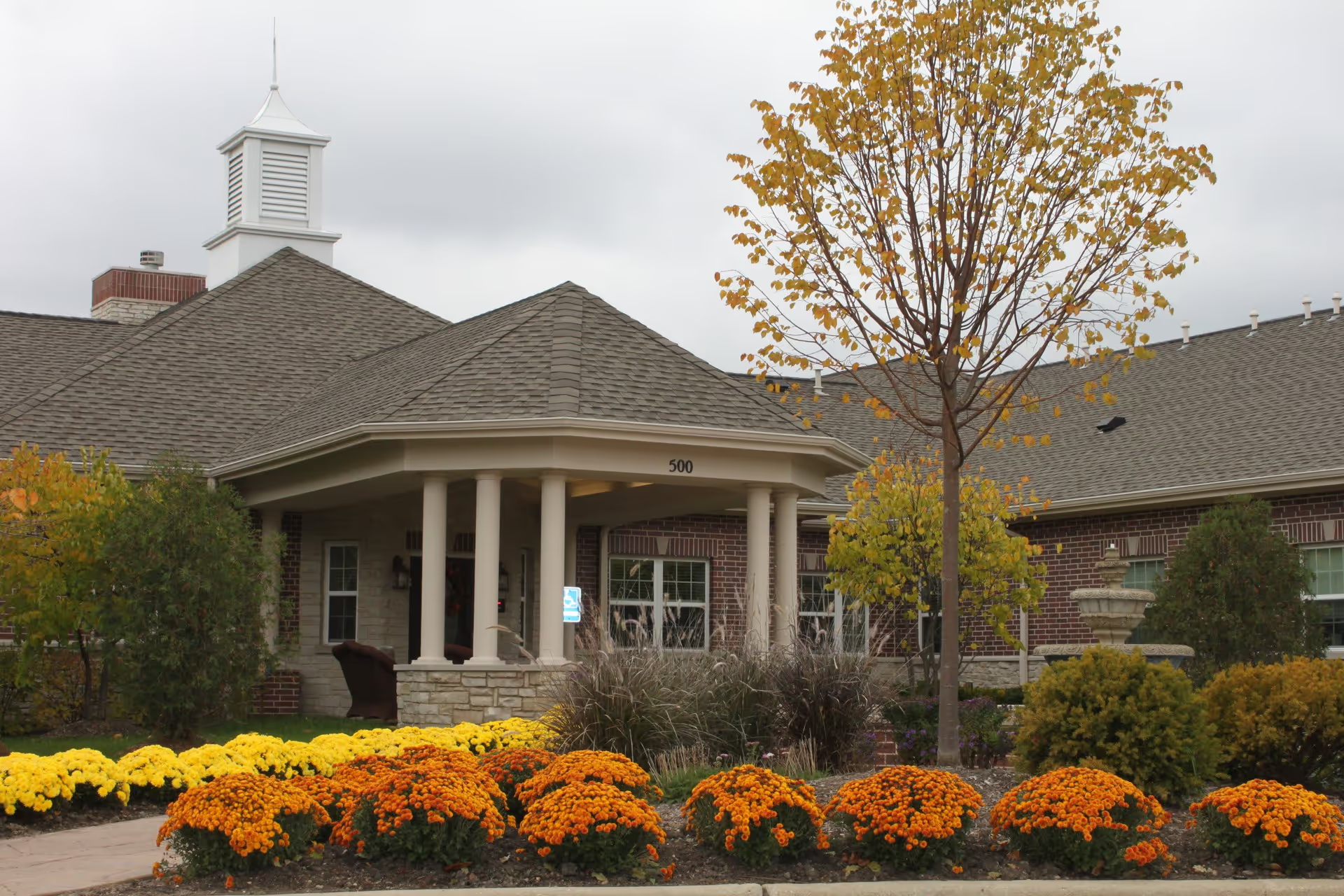
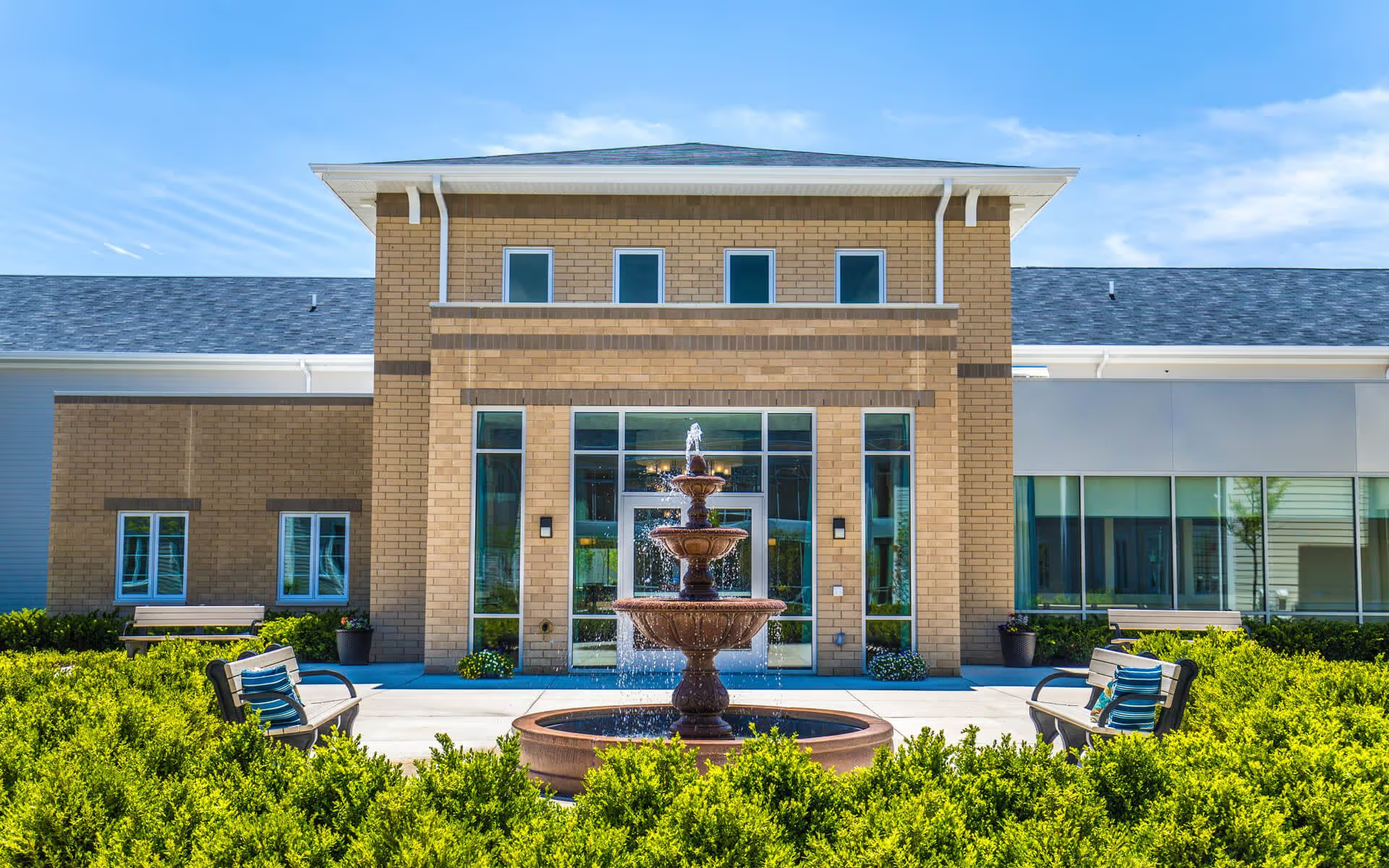
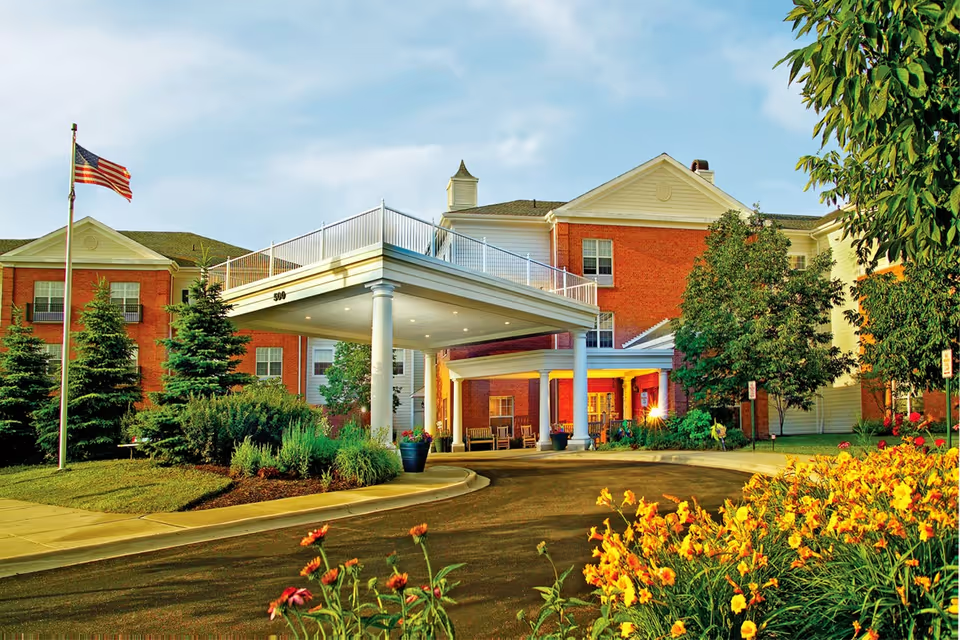
The Laurel at Vernon Hills Memory Care elicits strongly mixed but thematically consistent impressions. Many families and visitors emphasize the staff as the facility’s primary strength: caregivers are frequently described as compassionate, attentive, and personally engaged with residents. Reviewers highlight a family-like culture, regular clinical oversight (RNs and geriatric visits), coordinated hospice support, and successful infection-control efforts during COVID. The secured memory-care unit, dementia-friendly design (wide, well-lit hallways, accessible common areas), and an enclosed outdoor garden are repeatedly noted as appropriate for residents with cognitive impairment.
Activity and dining programs are commonly praised. The community offers a varied activities calendar — music therapy, gardening, exercise, crafts, guest programs, and scheduled outings — and many families reported meaningful increases in social and cognitive engagement. On-site grooming, salon-style services, spa amenities (massage chair, aromatherapy), and customizable three-meal service with snacks are identified as quality-of-life strengths. Several reviewers also appreciated transportation services, organized support groups for families, and individualized attention from activity staff.
At the same time, important operational weaknesses recur in reviews. Staffing consistency is a central concern: turnover and staffing shortages are linked to delays in responding to calls, uneven supervision of residents, and gaps in routine personal care. Communication challenges appear in two forms — intermittent failures of phone/front-desk systems that make family contact difficult, and variable administrative follow-through during management transitions. Housekeeping and room-cleaning standards are described as inconsistent, and some reviewers raised sanitation and laundry-management concerns as part of this pattern.
Clinical-service variability is another theme. Physical- and occupational-therapy offerings are perceived as uneven in quality, and several families felt that rehabilitative care did not meet expectations. Meal quality also appears to vary with kitchen staffing and leadership. Safety supervision concerns include instances of alarm disengagement and delays in caregiver response; coupled with observations about limited separation between residents of differing dementia acuity, this suggests the need for clarified protocols around supervision, alarms, and unit placement.
Cost and value perceptions vary: many families view the community as offering above-average personal attention and programming, while others characterize pricing as high relative to a baseline level of care they expected. Management turnover and occasional billing or intake-center issues have shaped mixed experiences with administrative responsiveness. Prospective families would benefit from focused questions during a tour: ask about current staffing ratios and turnover, phone/communication protocols, housekeeping schedules, therapy-provider credentials, alarm and supervision practices, and how residents are placed by dementia acuity. Overall, The Laurel demonstrates strong interpersonal strengths and robust programming in memory care, but visitors should verify operational consistency and current staffing/management stability before placement.