Overall impression: Reviews describe a facility with many operational strengths alongside several recurring operational weaknesses. Families and residents commonly praise the caregiving and therapy teams, the facility environment, and the range of activities; conversely, there are repeated concerns about staffing consistency, response times, cleanliness in some areas, and administrative processes.
Care quality and staff: The dominant positive theme is compassionate, engaged clinical and caregiving staff — nurses, CNAs, rehab and wound-care clinicians receive frequent praise for hands-on care, professionalism, and therapeutic outcomes. Multiple accounts highlight effective physical therapy and a responsive nursing leadership in many cases. However, reviewers also indicate variability in staff performance and availability: night and weekend staffing is commonly described as thinner or slower to respond, and high staff turnover or morale issues are referenced in some accounts. Those patterns manifest as delays in attending to resident needs and uneven consistency in daily care.
Dining and activities: The facility’s activity programming and social offerings are viewed as a clear strength. Families note abundant activities (arts and crafts, games, movie theater, exercise), an engaged resident community, and positive recreational staff engagement. Dining receives mixed but generally favorable comments — several reviews praise meal variety and specific dishes, while others describe a decline or inconsistency in food quality and periodic meal-service interruptions. Meal-service continuity and menu consistency appear to vary by shift and time period.
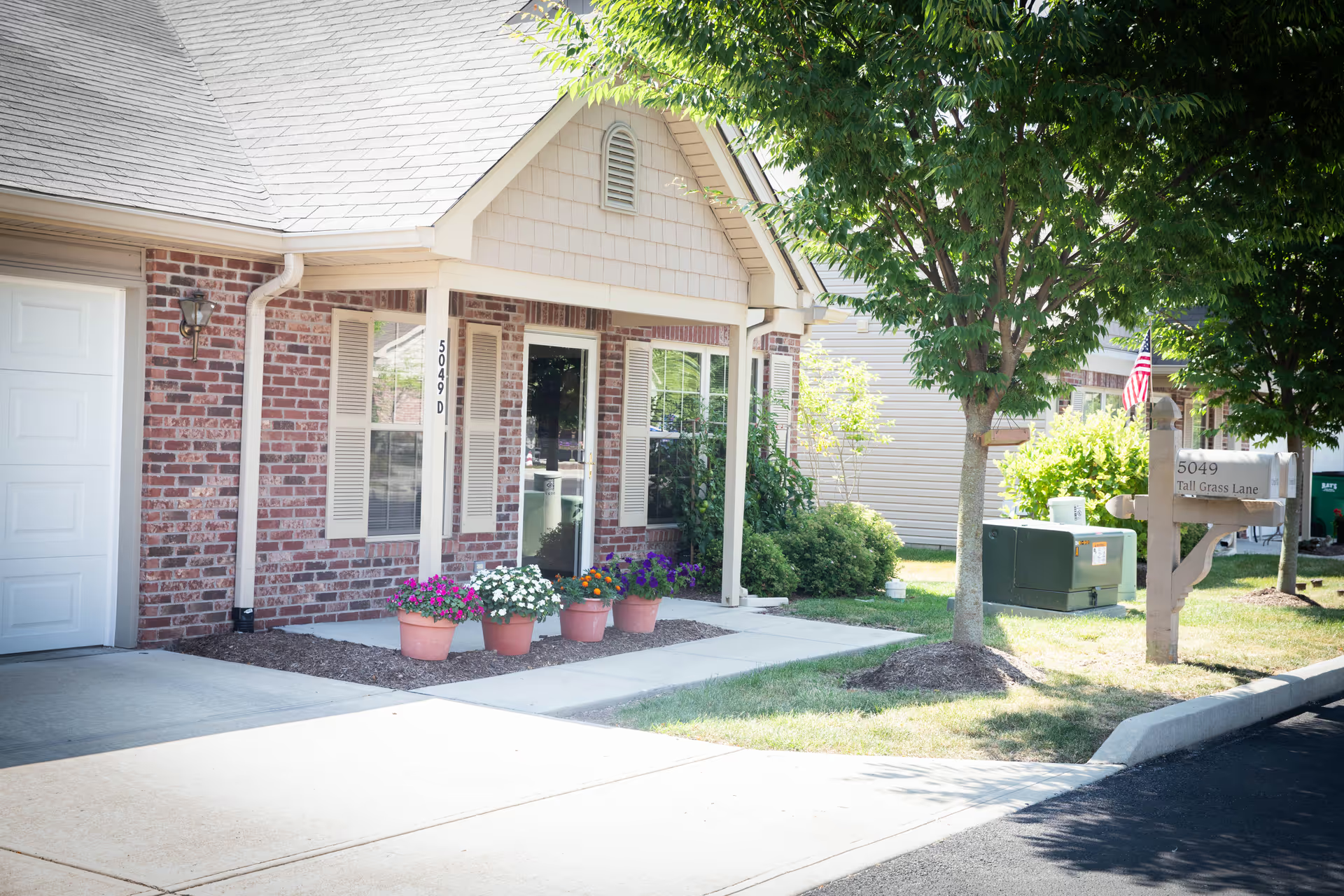
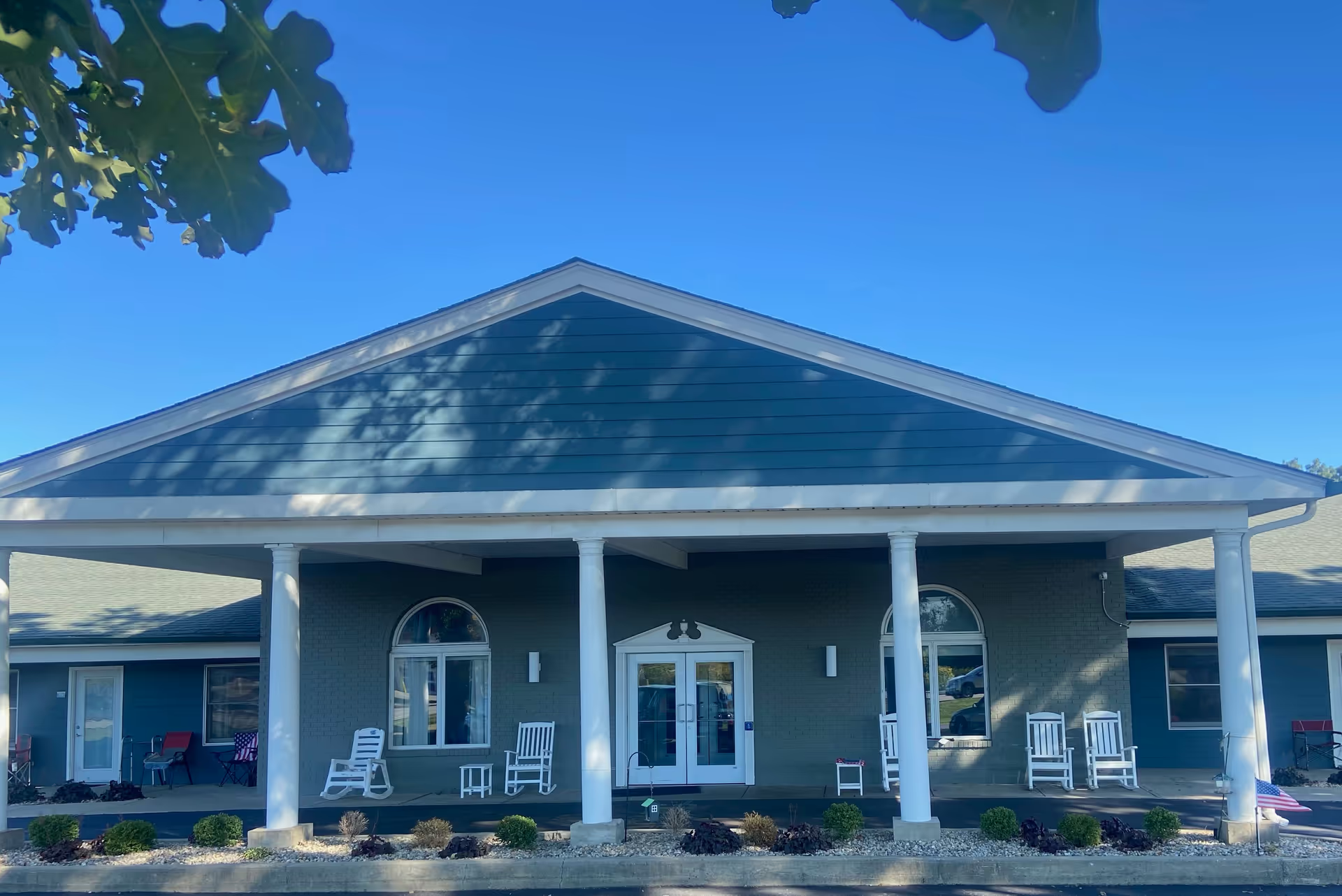
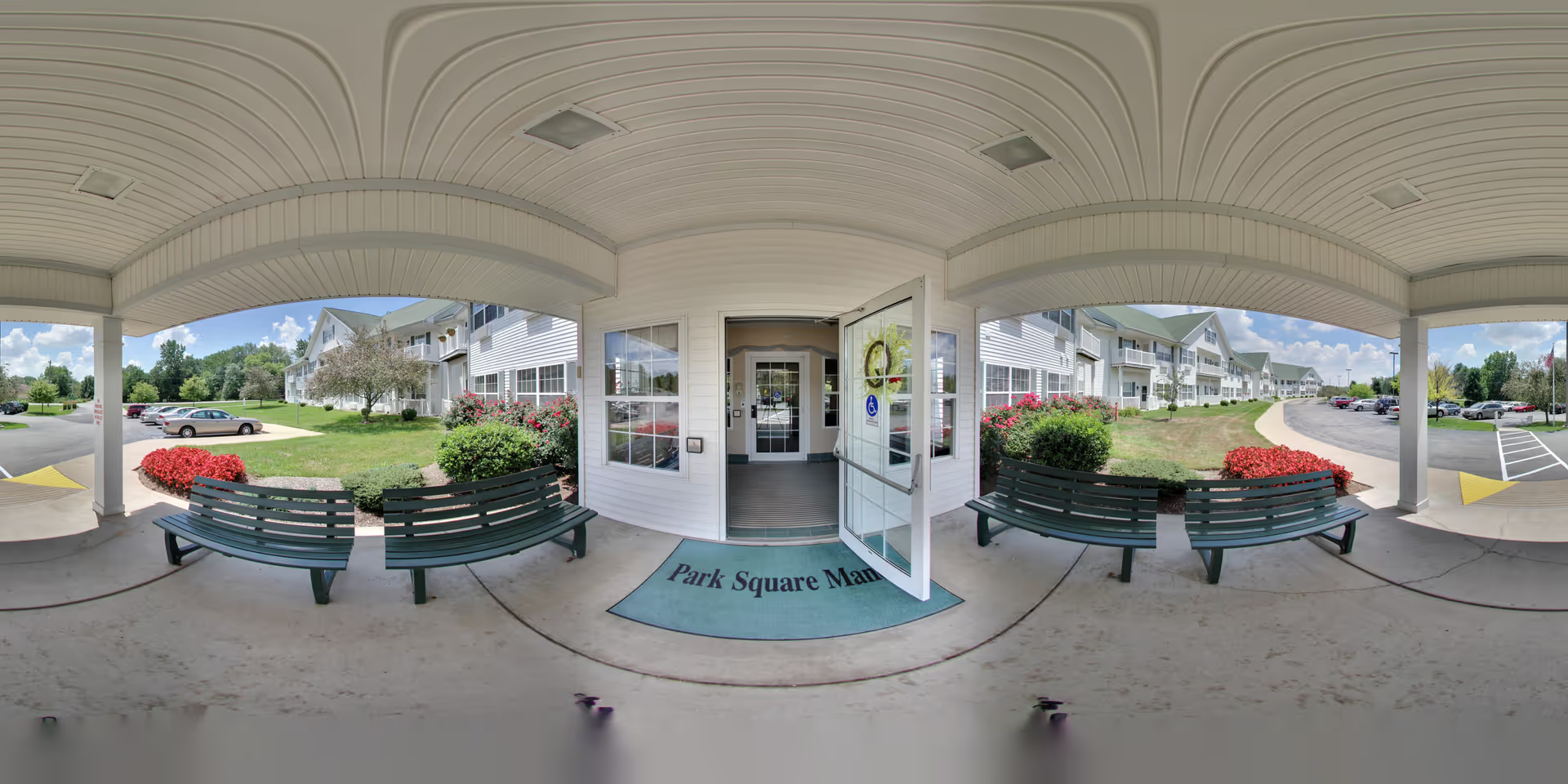
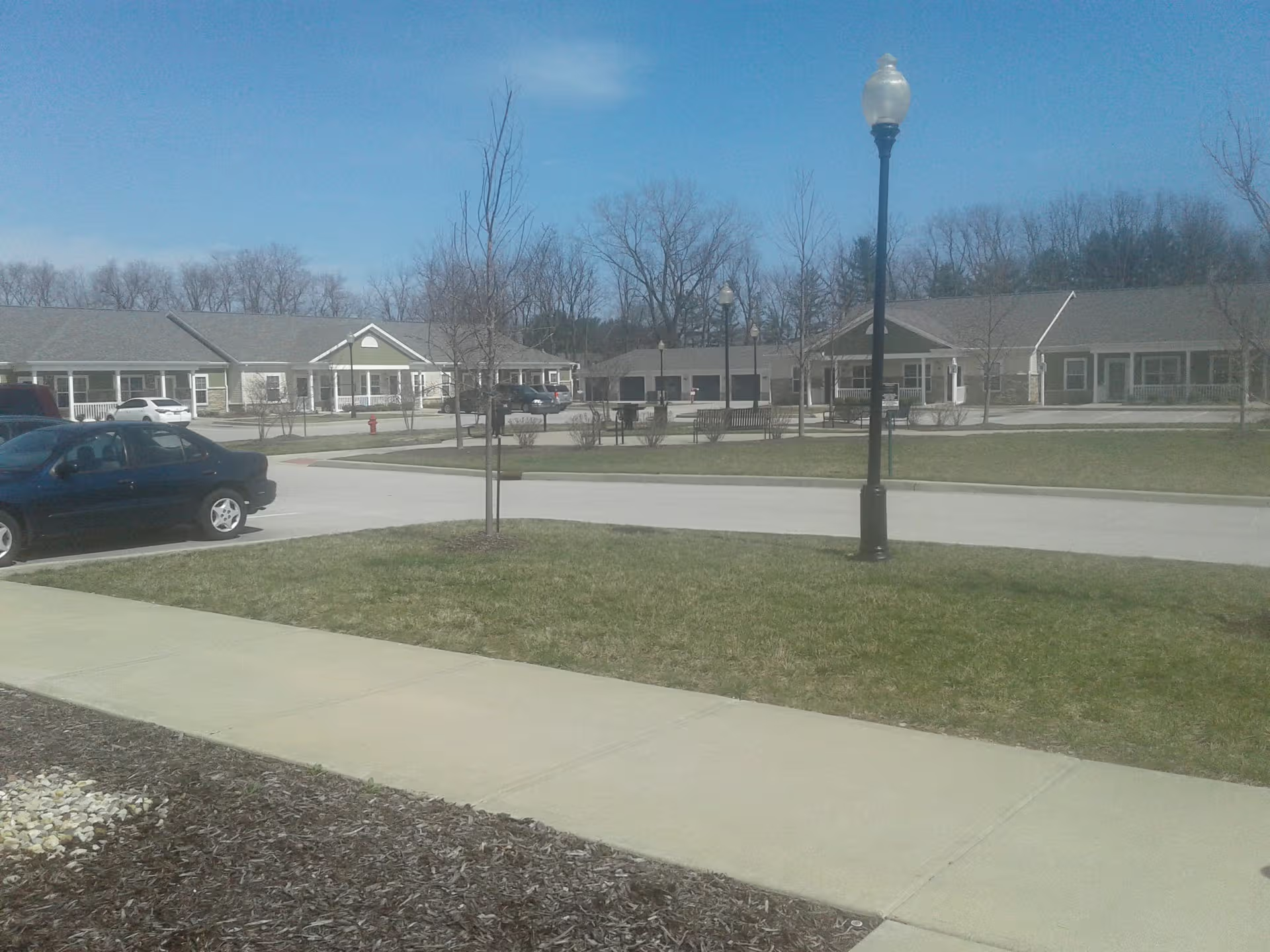
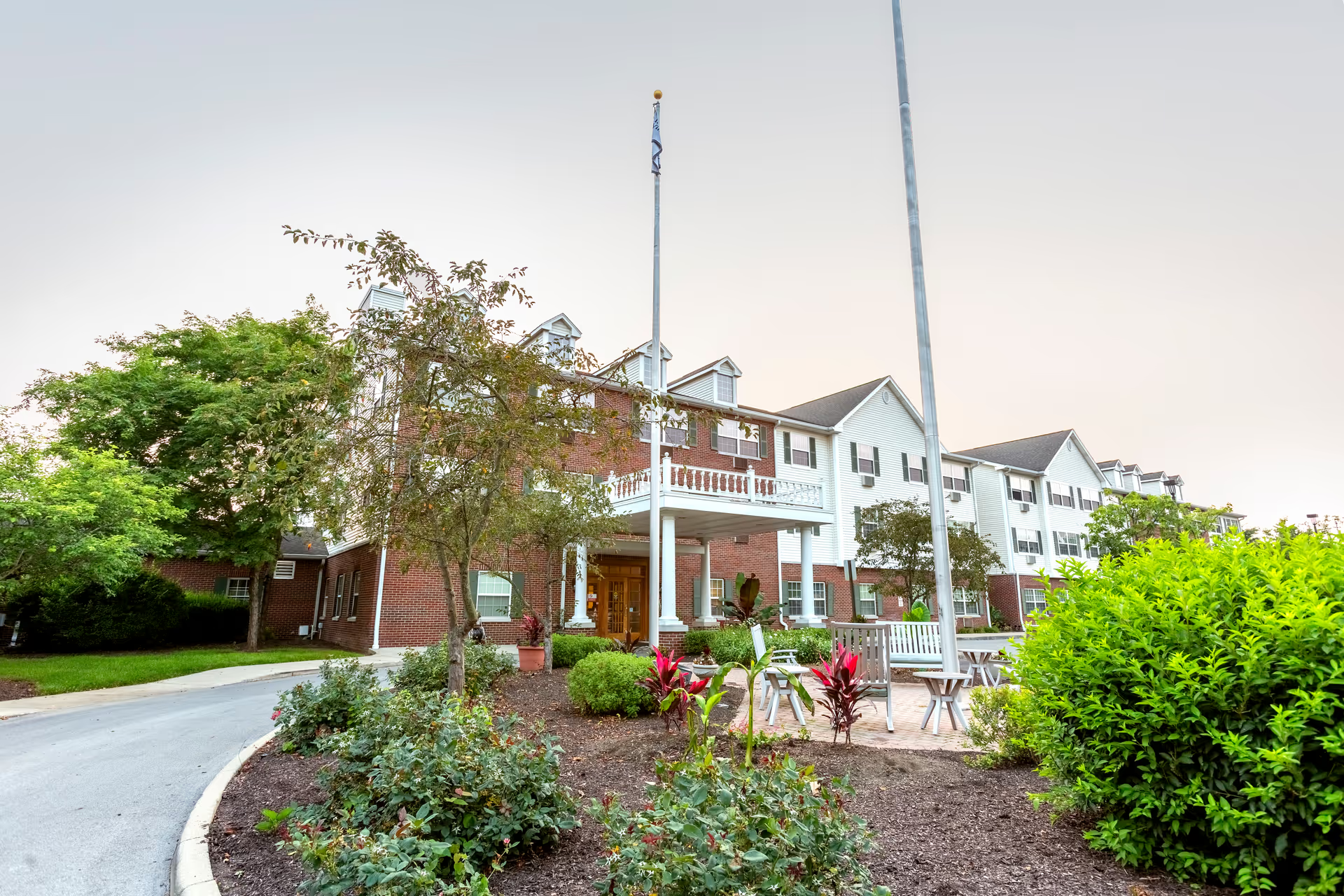
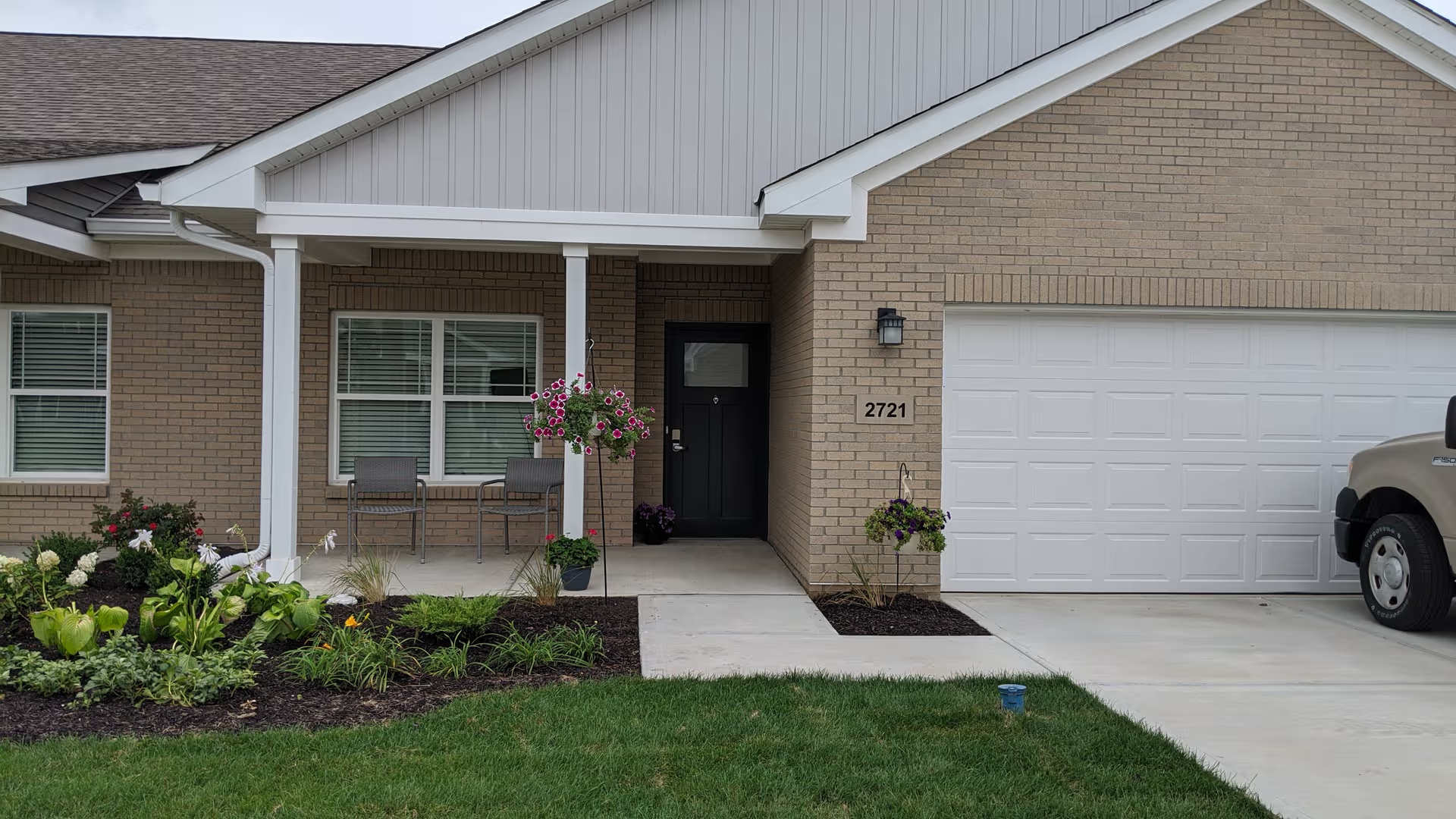
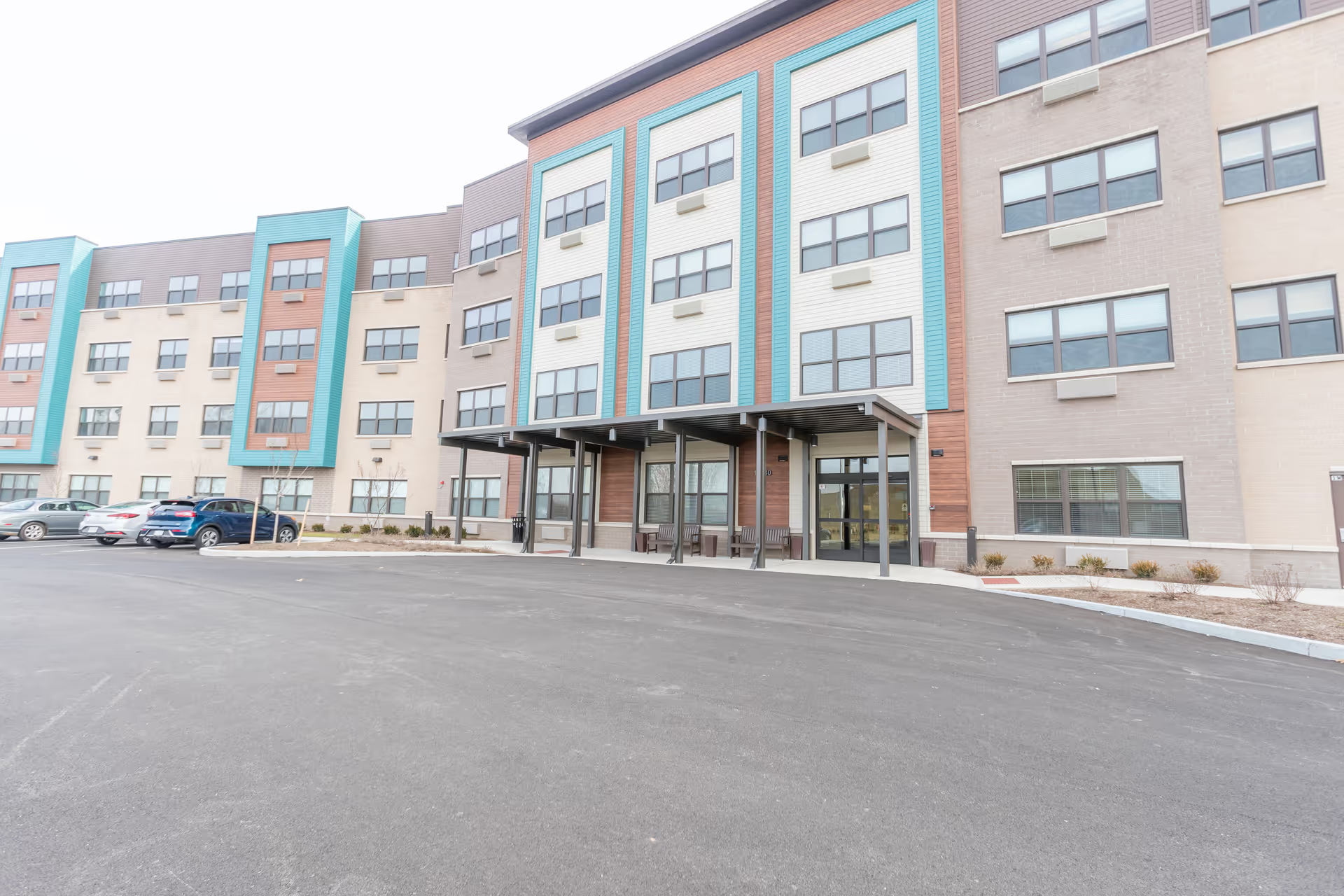
Facilities and environment: The physical plant and amenities are frequently described as modern, clean, and well maintained, with multiple references to pleasant common areas and specialized rooms. At the same time, there are isolated sanitation concerns in particular spaces (housekeeping lapses, dining-area cleanliness) that suggest uneven housekeeping practices rather than a facility-wide failure.
Management and administration: Admissions staff and site leadership earn positive mention for responsiveness and supportive onboarding. Nonetheless, reviewers identify gaps in routine communication and care coordination between clinical teams and families, and several accounts cite problems with clinical documentation or testing-results handling. Administrative issues include billing or payment-process friction and at least one description of aggressive collections behavior. These administrative and communication gaps can amplify family dissatisfaction when clinical or safety concerns arise.
Safety and serious concerns: A number of reviewers describe events implying weaknesses in resident-safety protocols (falls, delayed assistance, use of bed rails, and other safety-related outcomes). There are also accounts that raise concerns about medication management and clinical documentation accuracy. An isolated allegation of serious staff misconduct is present in the feedback; while this appears to be a single, severe claim, it underscores the importance of clear professional-boundary policies and incident-response procedures.
Notable patterns and guidance: The overall pattern is one of strong clinical and therapy capability combined with operational inconsistencies — especially around staffing levels during off shifts, housekeeping consistency, communication, and administrative processes. Prospective residents and families should assess the facility by asking specific questions about night and weekend staffing ratios, call-response times, housekeeping routines, medication-administration and incident-reporting protocols, and billing practices. When possible, request recent references, review the facility’s staffing schedules and clinical oversight structure, and observe mealtime and activity periods during a visit to evaluate consistency firsthand.