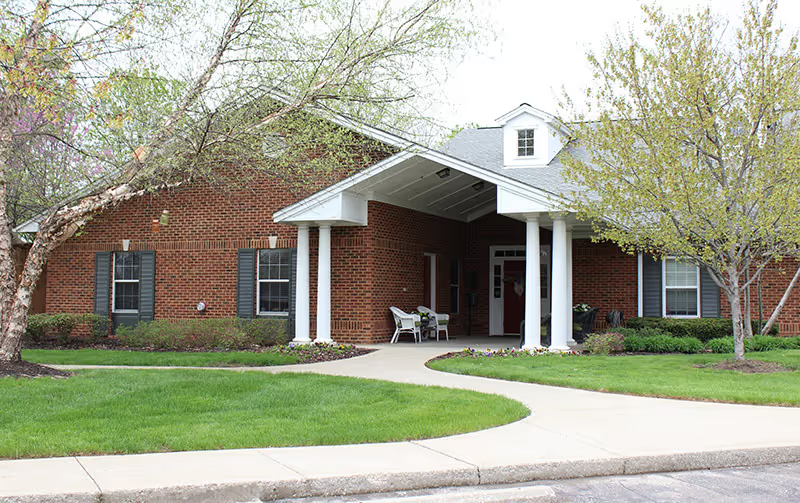
Reviews describe a community with clear strengths but also recurring operational weaknesses. Strengths frequently cited include competent clinical staff and caregivers, an active and varied activities program (trips, concerts, games, and on-site performers), and a pleasant campus with walking paths, pond views, libraries, and both assisted- and independent-living options. Families and residents also note helpful therapy services, dependable laundry operations, and available dining amenities such as a dining room and café. Several accounts highlight compassionate nursing and social-work support, including accommodations for families during end-of-life care.
Care quality and clinical operations are described unevenly. Positive accounts describe attentive wound care, diabetes management, and accurate medication handling in some units. However, other accounts indicate medication-administration inconsistencies, gaps in clinical documentation, and lapses in monitoring device management. There are also statements about delayed responses to resident requests and inconsistent bathing/housekeeping schedules, which reviewers link to staffing shortages. One recurring pattern is that clinical responsiveness and medication processes appear to vary by shift and unit.
Staff and management impressions are mixed. Many reviewers praise individual caregivers, activity staff, and therapy teams as caring and engaged. At the same time, there are frequent observations of high staff turnover, difficulty finding CNAs and nurses, and front-desk and administrative communication issues. Multiple reviewers connected a decline in service quality to an ownership and leadership change; complaints include broken promises after transition, reduced oversight, and frequent administrator turnover. There is mention of regulatory involvement and allegations of serious clinical incidents, which prospective families should inquire about directly.
Dining and housekeeping show a split pattern. Early or long-standing reviewers describe high-quality, well-presented meals and excellent dining service; other reviewers describe a marked decline following management changes — smaller portions, lower food quality, more self-service or restricted meal times, and inconsistent availability. Sanitation and pest-control concerns in food-preparation and some living areas appear in multiple accounts and are described alongside specific cleanliness and housekeeping shortfalls (carpet cleanliness, monthly housekeeping schedules perceived as insufficient).
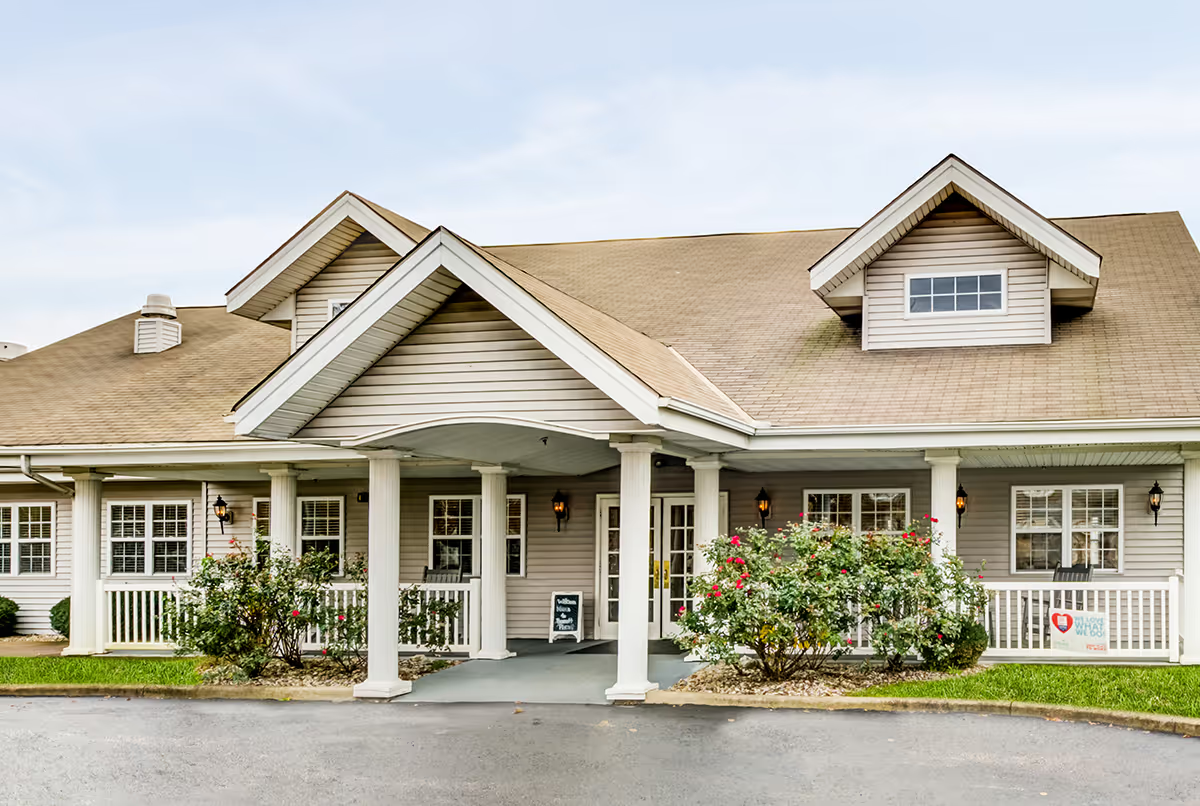
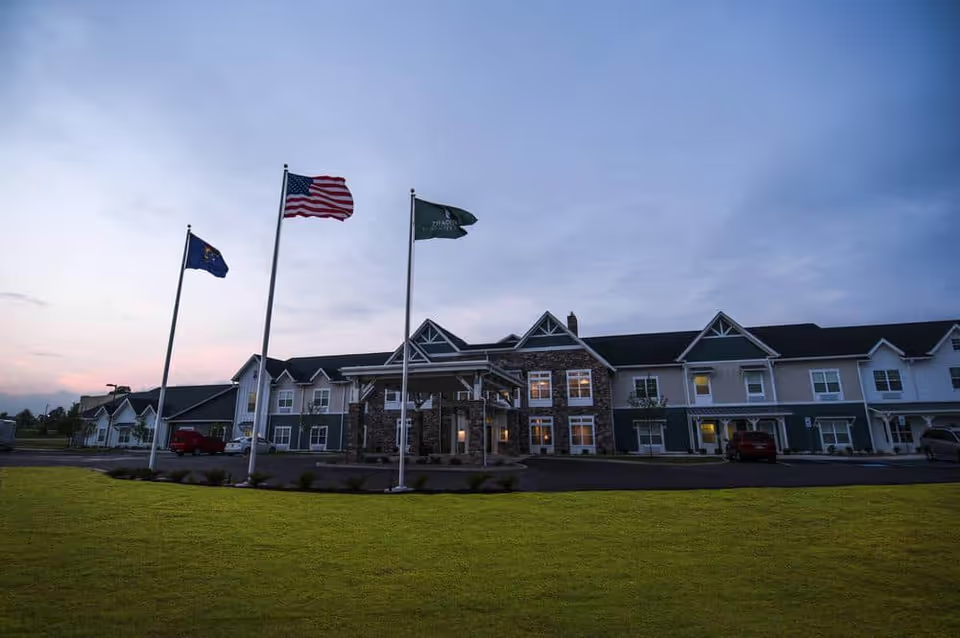
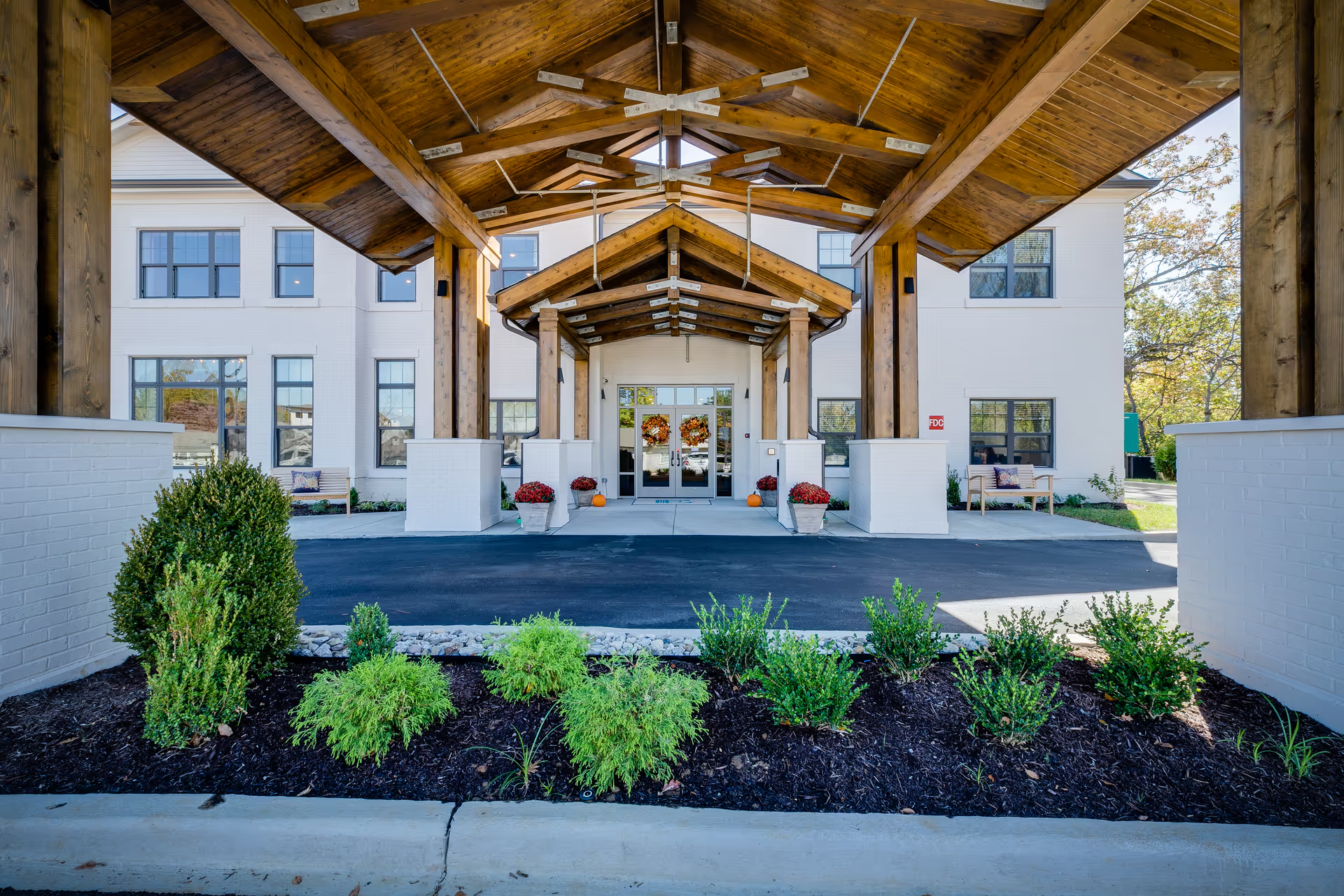
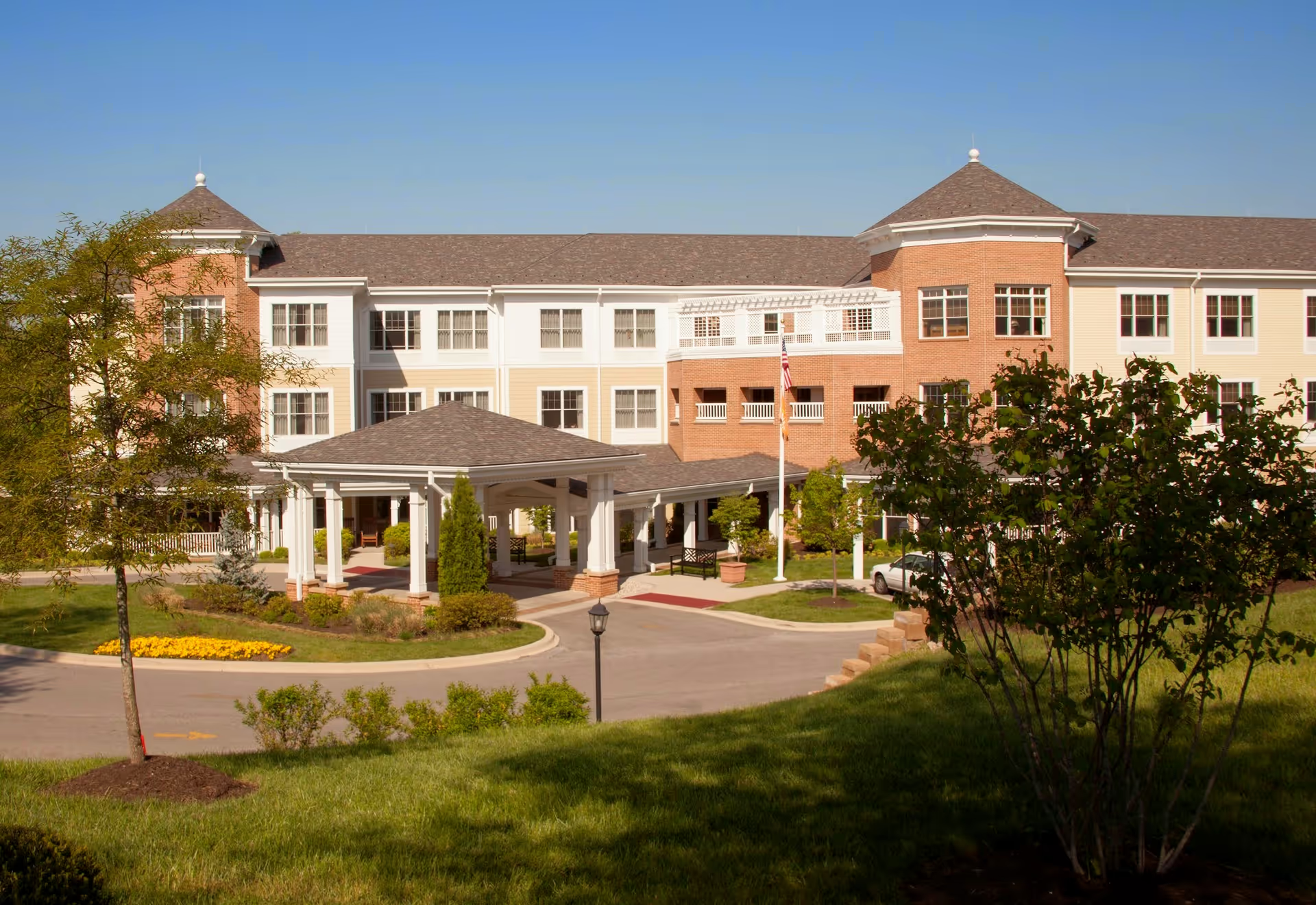
Facility condition and maintenance have both positive and negative notes. The physical layout, larger rooms in some units, outdoor amenities, and common areas receive praise for comfort and community feel. Conversely, there are repeated mentions of maintenance backlogs: water intrusion/flooding in basements, HVAC or air-conditioning gaps in common spaces, ongoing leaks, and other deferred repairs. There are also reports raising pest-control concerns and occasional apartment relocations that reviewers associate with health risks.
Overall pattern and recommendation: Westminster Village Kentuckiana appears to offer many of the amenities and clinical services families seek — active programming, therapy, on-site dining, and compassionate staff in several units — but consistent operational issues have eroded confidence for some families. Key themes are inconsistent meal service and housekeeping, staffing shortages and turnover that affect responsiveness, medication- and documentation-related gaps, and maintenance/pest-control problems that require attention. Prospective residents and families should tour the community, observe mealtimes and activity programming, ask about current staffing levels and recent regulatory findings, and request documentation on pest-control, infection-prevention, and medication-safety protocols before making a decision.