Overall impression: Reviews indicate a facility with many strengths in direct care and customer service alongside some operational inconsistencies. Staff and leadership receive frequent praise for compassion, professionalism, and hands-on attention; several accounts describe positive rehabilitation outcomes, effective medication transitions, clean renovated rooms, and a homelike atmosphere. At the same time, other accounts describe substantive concerns about dining quality, clinical escalation, and variability in responsiveness and documentation.
Care and staff: The facility is frequently characterized as having caring, engaged nursing and support personnel and accessible administrators. Families and residents mention warm greetings, staff who treat residents like family, specific administrators and RNs noted for helpfulness, and a cohesive community feel. Rehabilitation and physical-therapy services are highlighted as effective by multiple reviewers. However, there is variability in care experience: some reviews describe delays in clinical escalation, inconsistent vital-signs reporting, and gaps in family communication during acute events. These accounts point to the need for clarity around emergency-response protocols, shift handoffs, and documentation practices.
Dining: A repeated theme is inconsistency in food preparation and menu variety. Concerns include overcooked produce with poor texture, dry proteins, bland starches, and limited bread options; conversely, a number of reviewers said meals were acceptable or good. This suggests kitchen performance may vary by meal period or staffing. Prospective families should sample menus and ask about menu cycles, special-diet accommodations, and kitchen staffing during tours.
Activities: Activity programming is generally presented as a positive feature, with an identified activities coordinator, accessible events such as bingo, and staff who encourage participation. At the same time, reviewers describe variability in the breadth and frequency of offerings; activity engagement may depend on individual staff members and scheduling. Confirm the current activity calendar and availability of transportation or one-on-one options when assessing fit for a specific resident.
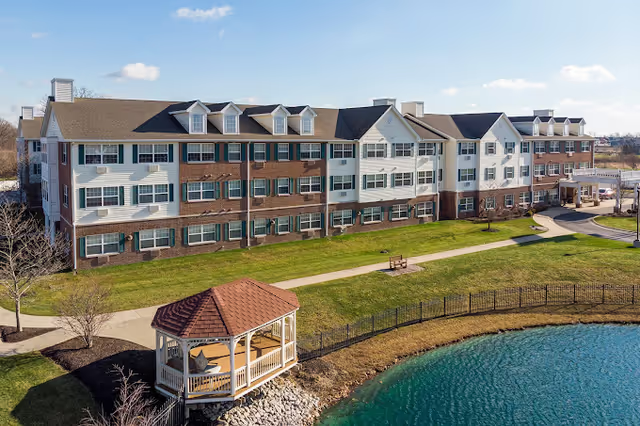
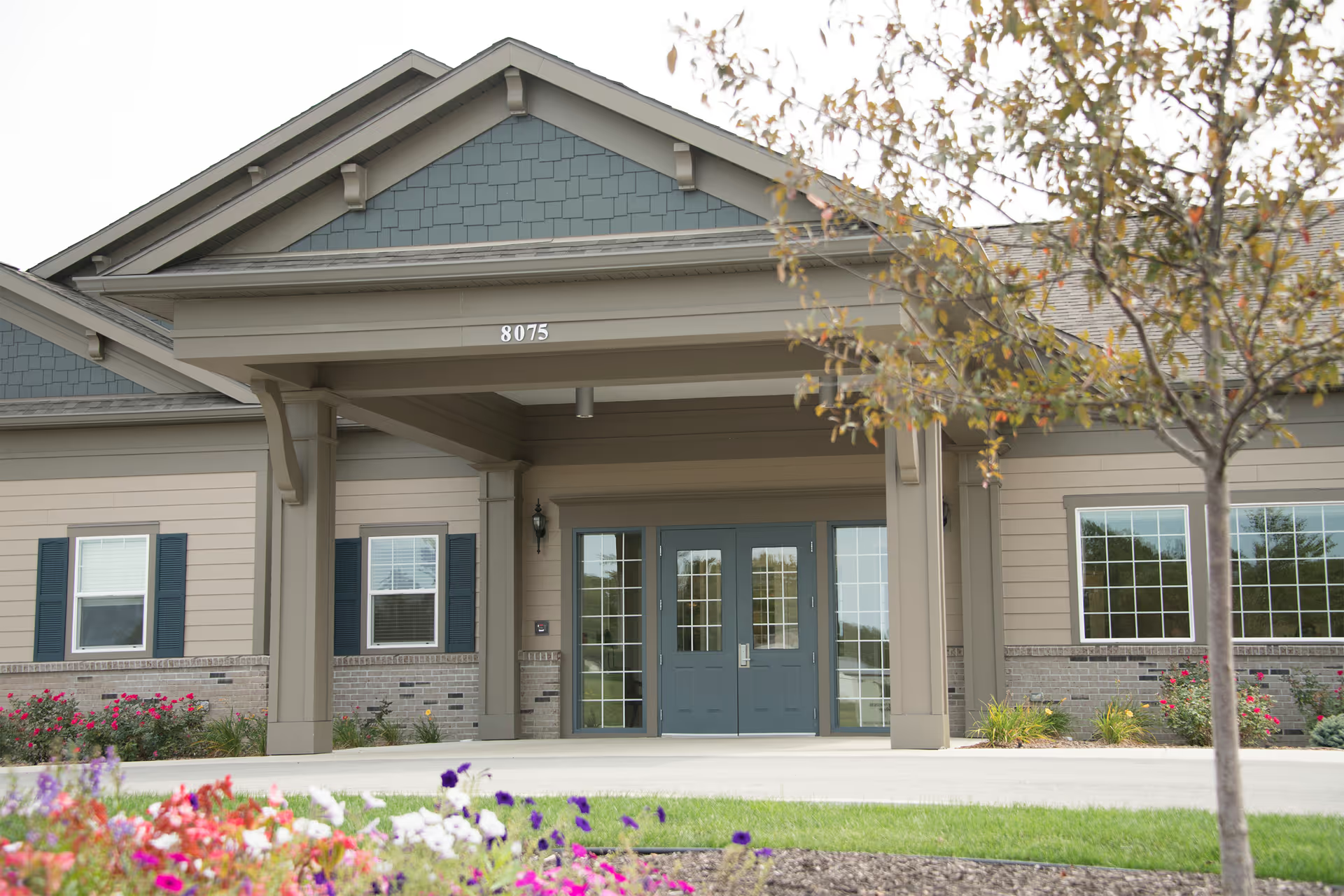
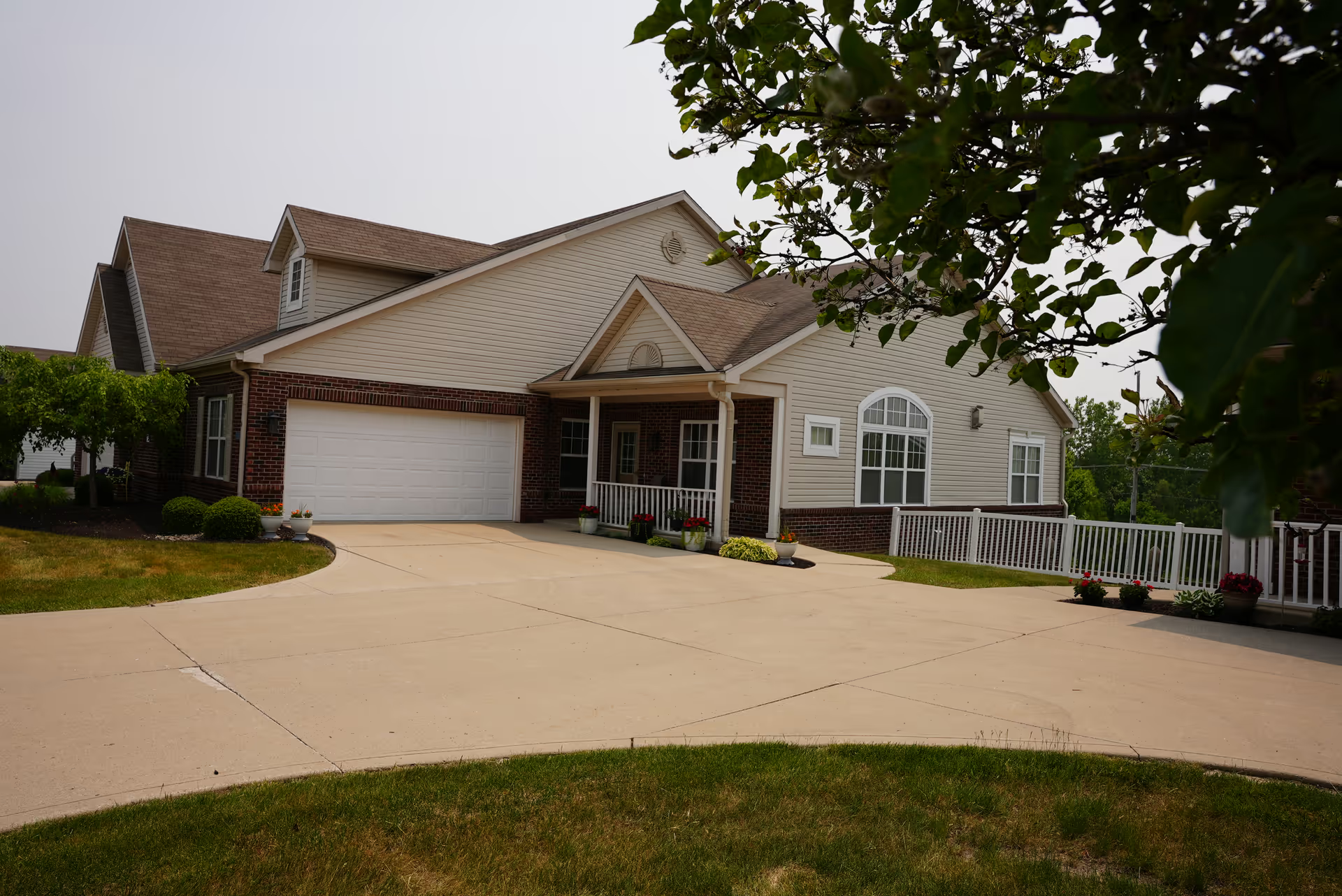
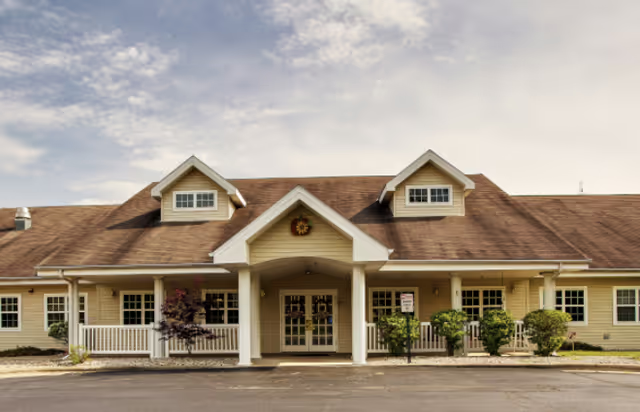
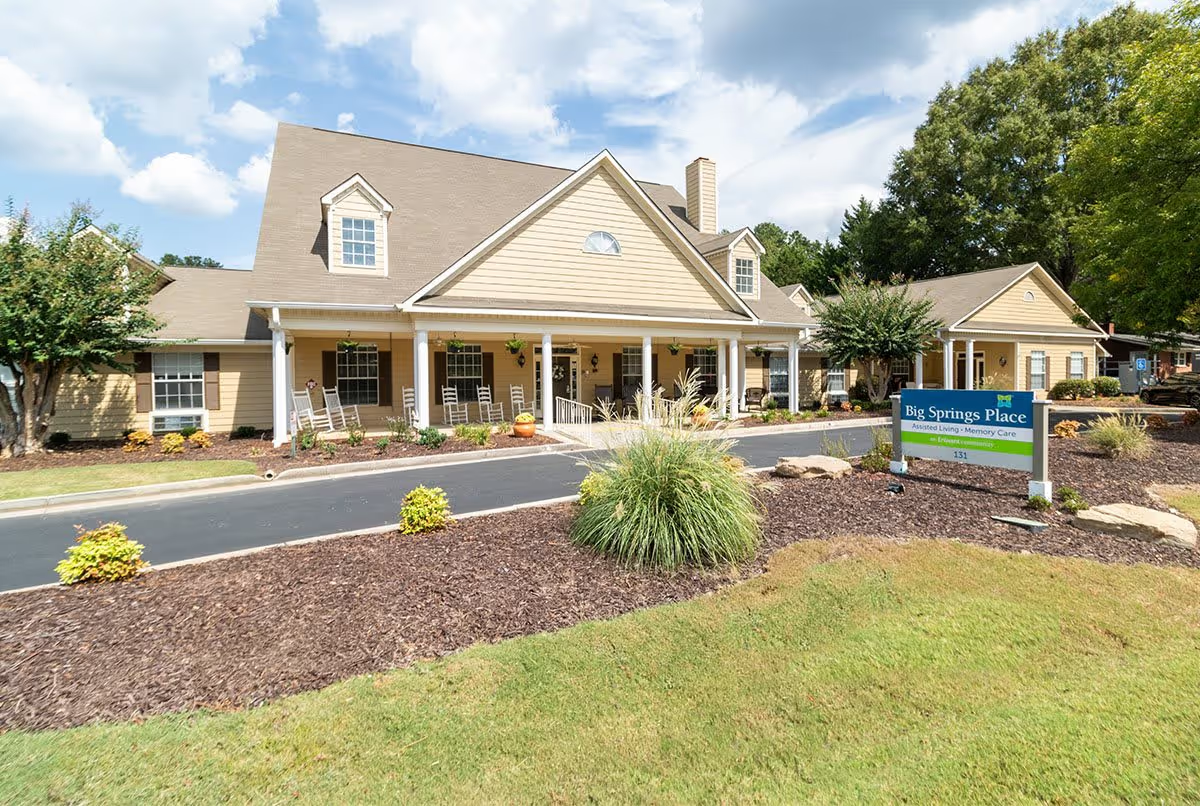
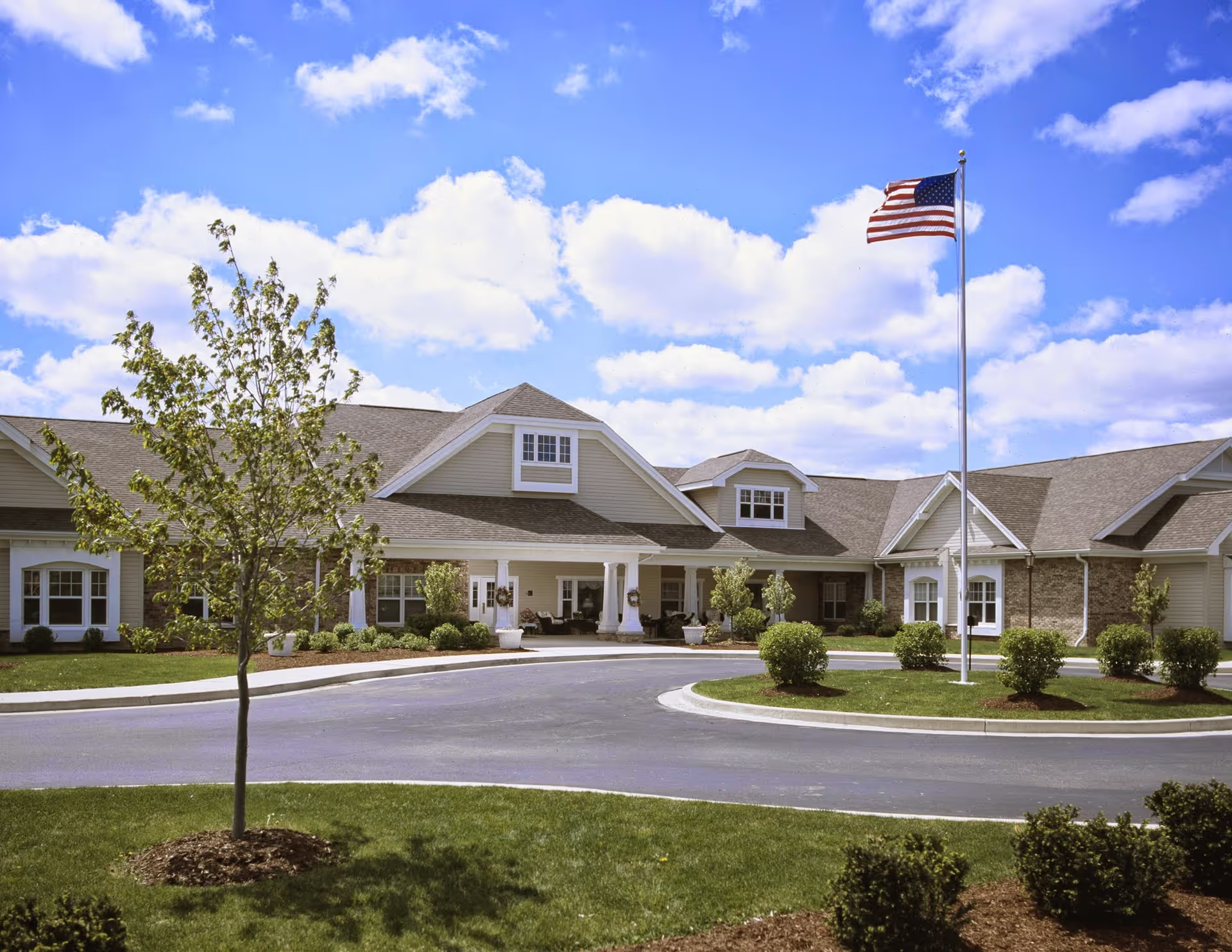
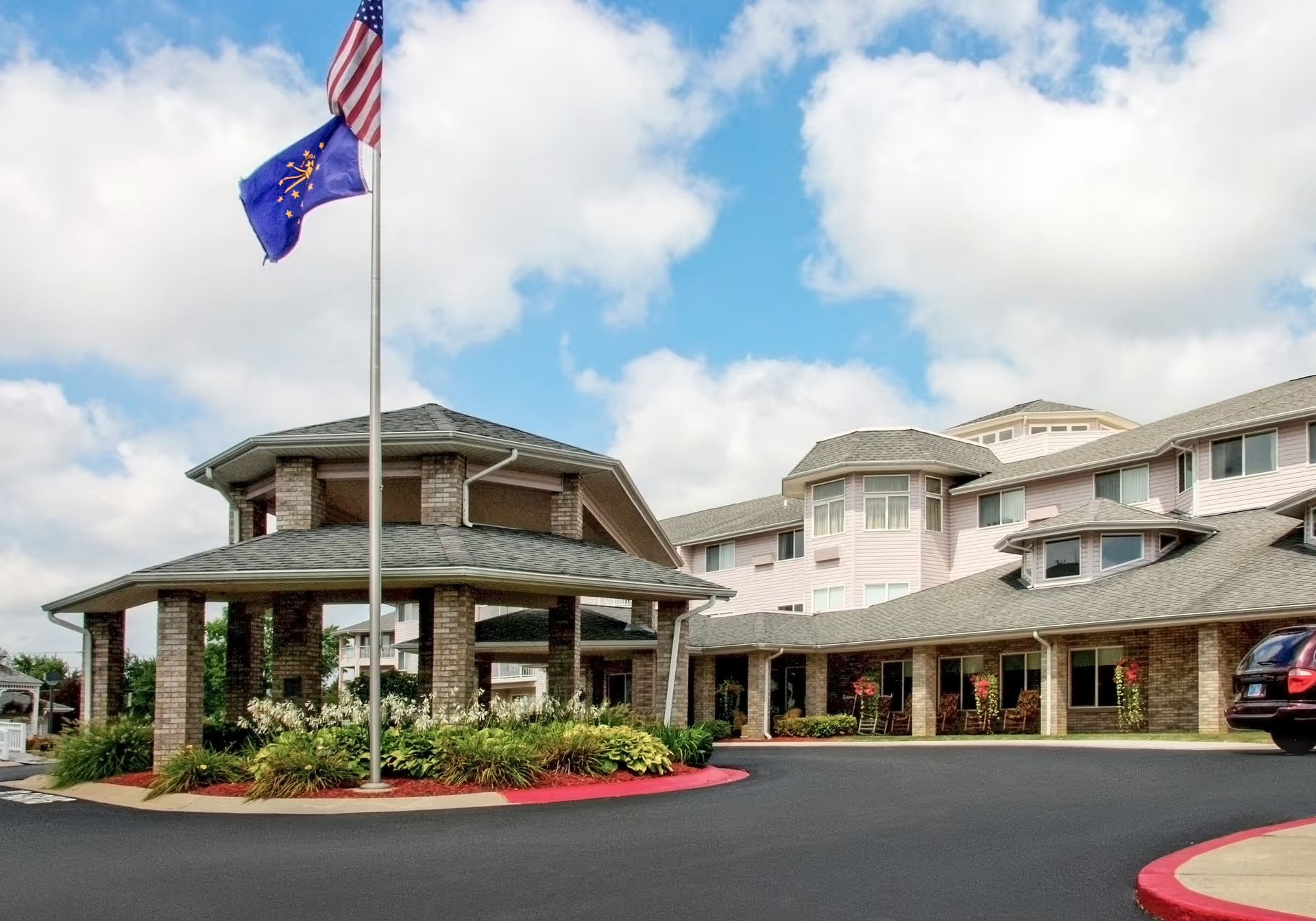
Facilities and management: The building is described as older but undergoing updates; reviewers commonly note clean, newly refurbished rooms and odor-free common areas alongside layout limitations typical of an older structure. Management and front-desk/customer-service interactions are frequently praised for professionalism and responsiveness, and the facility has demonstrated the capacity to coordinate administrative tasks such as medication transitions during insurance changes. Still, ongoing renovation and the building layout may present mobility or convenience issues for some residents.
Notable patterns and recommendations: The dominant positive pattern is consistent interpersonal warmth and strong rehabilitative services; the dominant concerns are operational — primarily dining quality, inconsistent responsiveness, and occasional lapses in clinical escalation and documentation. When considering this facility, families should tour multiple times, observe mealtimes, review recent clinical-incident protocols and staffing ratios, request the current activity calendar, and ask management about renovation timelines and how they manage shift-to-shift consistency. Those steps will help clarify whether the facility's strengths align with a prospective resident's priorities and whether identified operational gaps have been addressed.