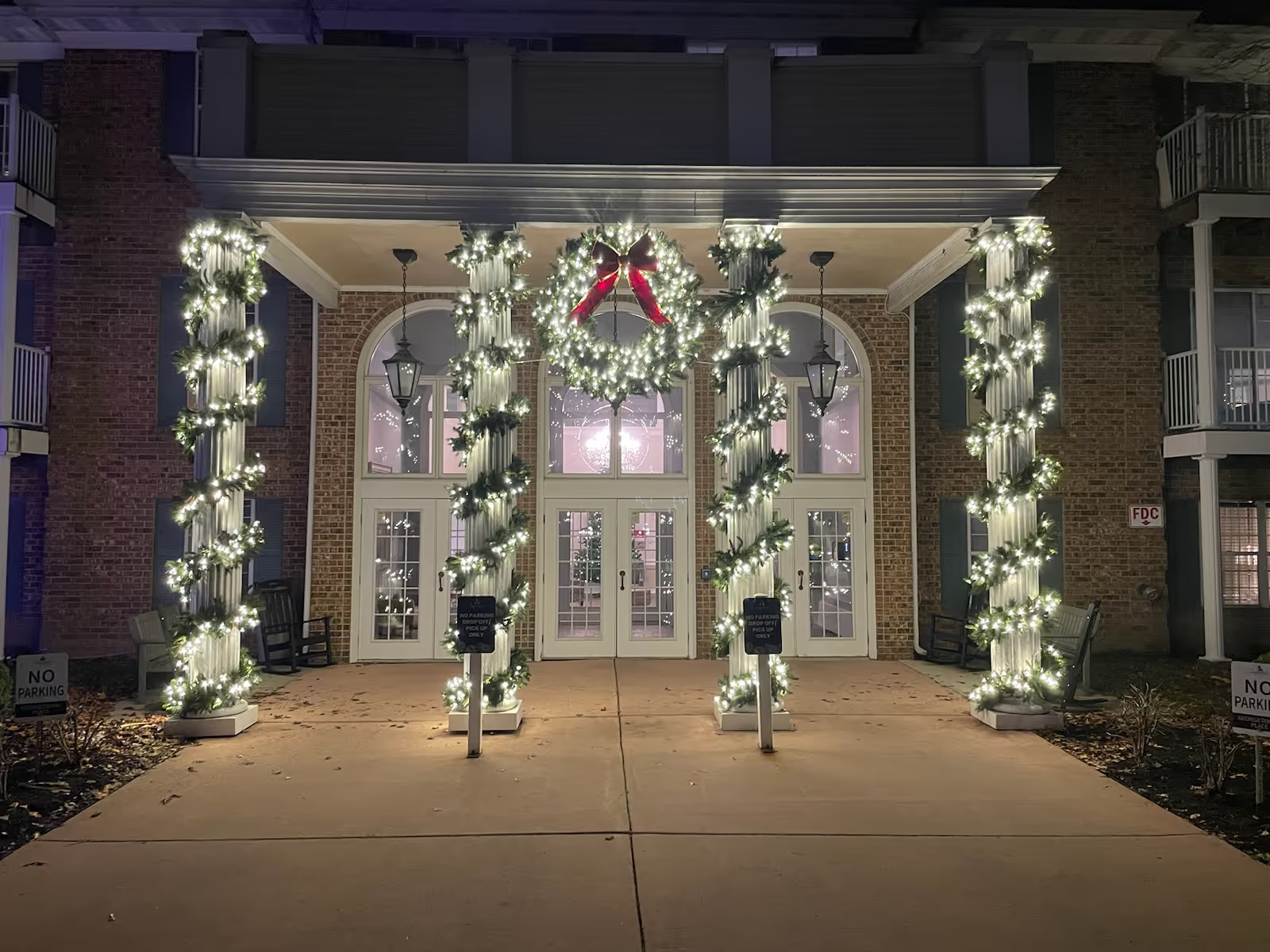
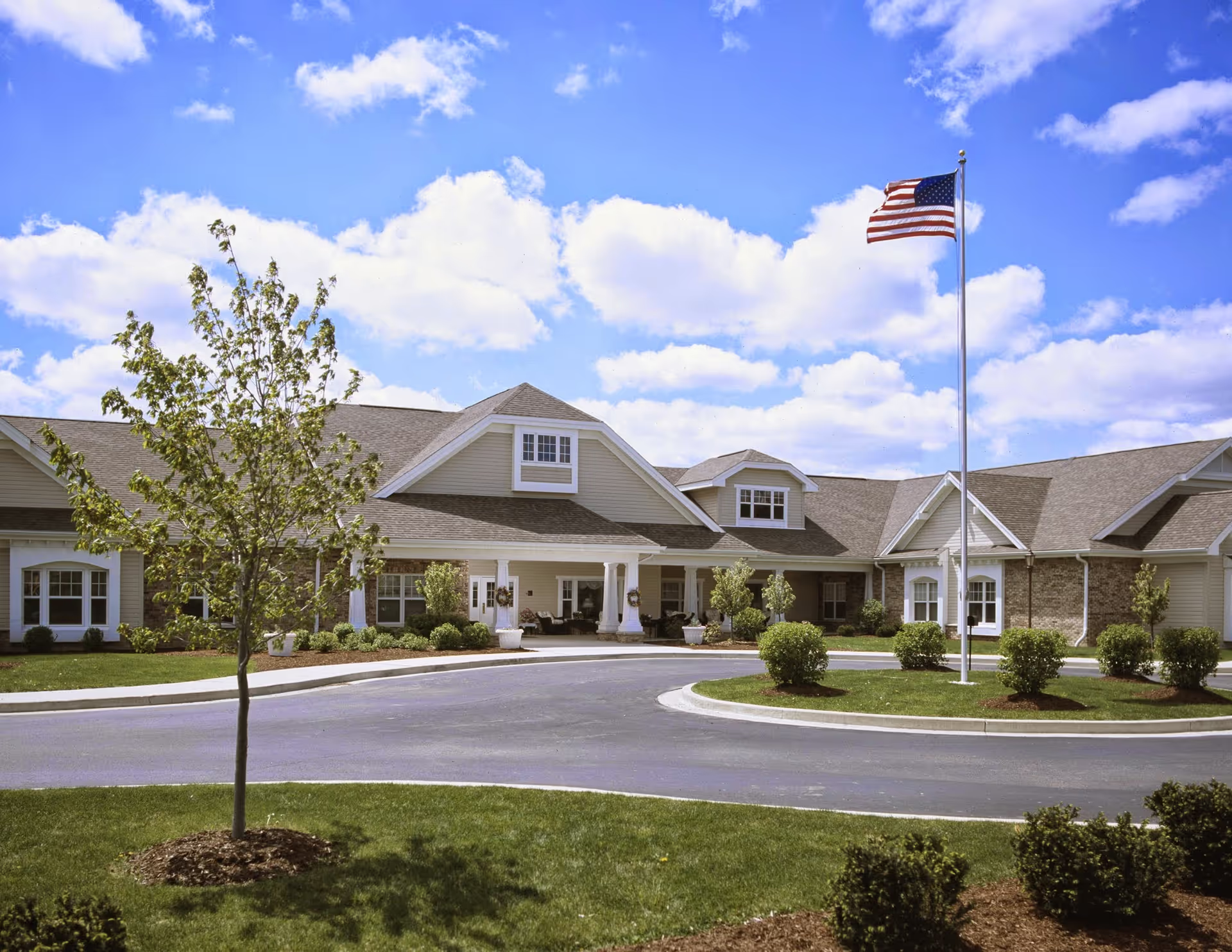
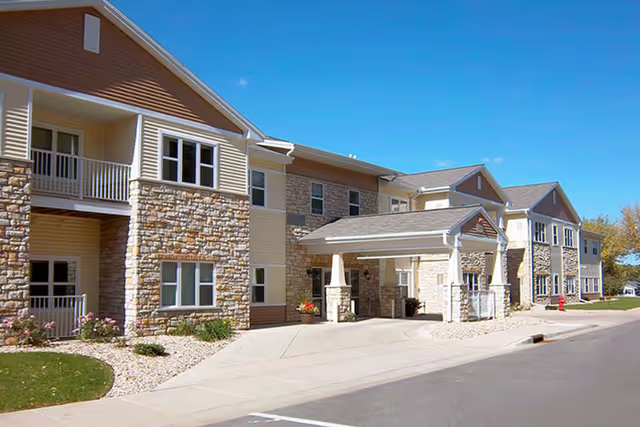
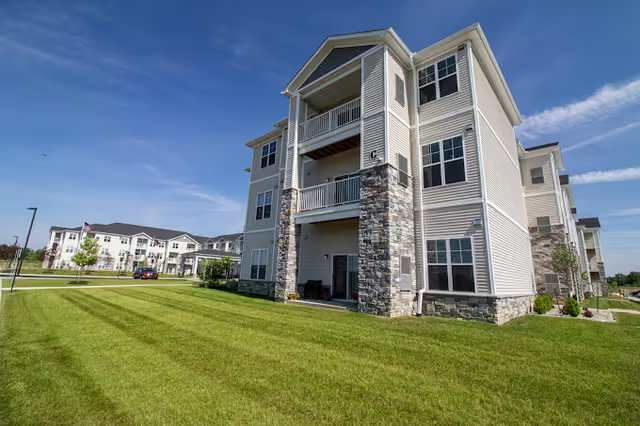
Overall impression: Reviews describe The Village at Inverness as a well-appointed, dementia-focused community with many strengths in everyday resident life. Families consistently praise the facility’s clean, attractive environment, secure outdoor spaces, and a programmatic emphasis on memory-care expertise. Many note strong leadership, ongoing staff training, and high visibility of caregivers on the floor, which contributes to a general sense of safety and continuity of clinical oversight.
Care and staff: The caregiving staff receive frequent positive mention for compassion, patience, and personalized attention. Reviewers highlight attentive nurses and aides, effective coordination with hospice providers, and staff who get to know residents’ preferences and names. At the same time, several operational concerns surface around staffing consistency: reviewers describe variability between day and night shifts, and a higher turnover rate among CNAs and kitchen personnel. Those patterns appear to affect continuity of care and responsiveness at certain times, particularly in the evenings and overnight.
Dining and nutrition: The culinary program is frequently praised—commentary includes nutritious meals, an appreciated chef, and overall positive dining experiences. However, there are recurring operational notes about meal-service timing and kitchen-staff turnover that can affect individual intake. A few families linked meal schedules and timing to weight or intake concerns, suggesting prospective residents should inquire about meal routines and how special dietary or timed-feed needs are accommodated.
Activities and social programming: Activity offerings are broad and well-staffed, including music programs, entertainment, parades, one-on-one engagement, and daily chapel services. These contribute to a lively community atmosphere and are often cited as a major positive. Participation can be uneven, however—some residents engage frequently while others do not—so activity fit should be discussed relative to each resident’s interests and mobility.
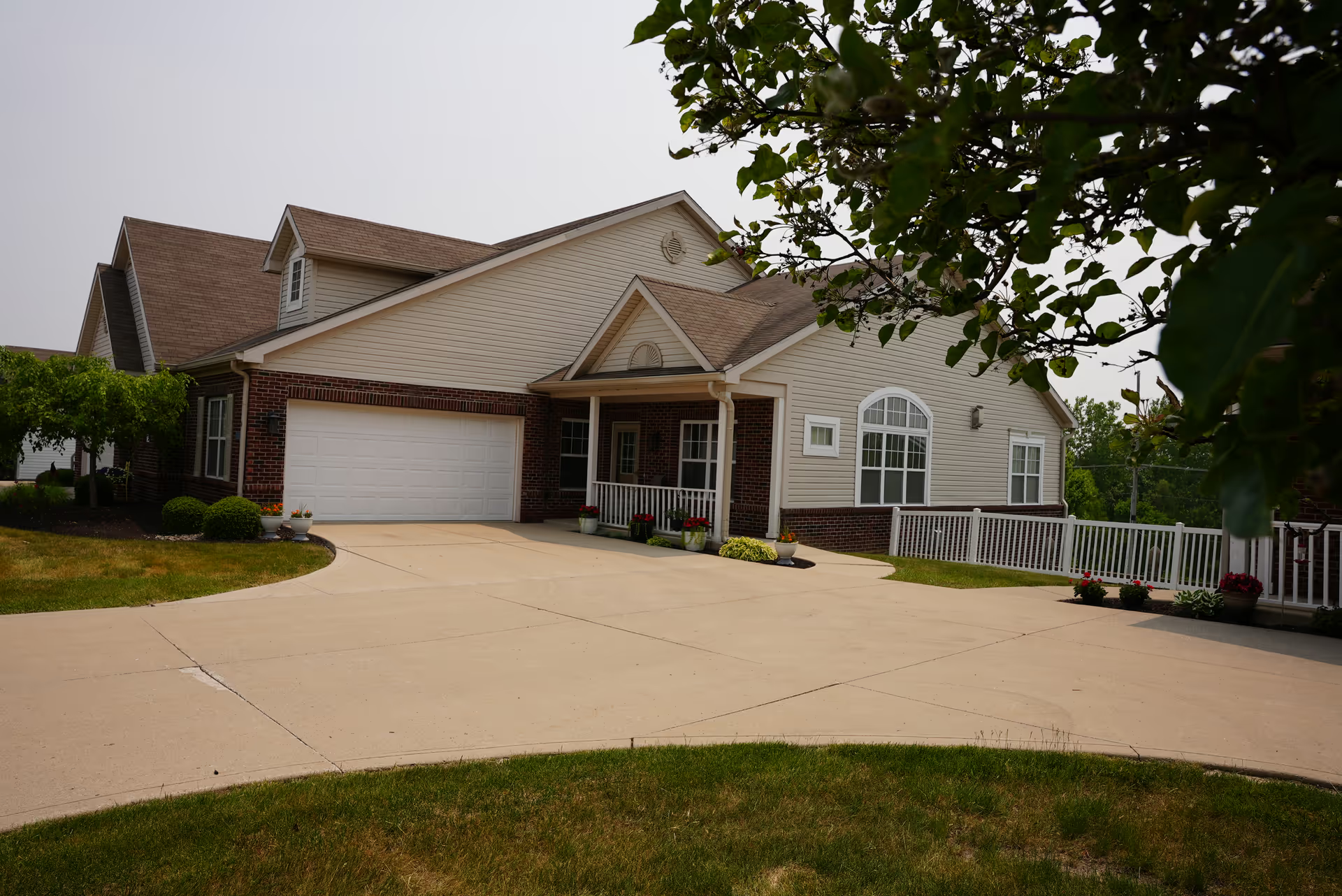
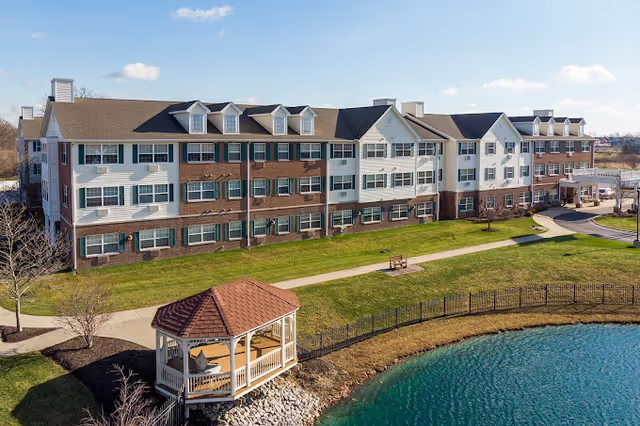
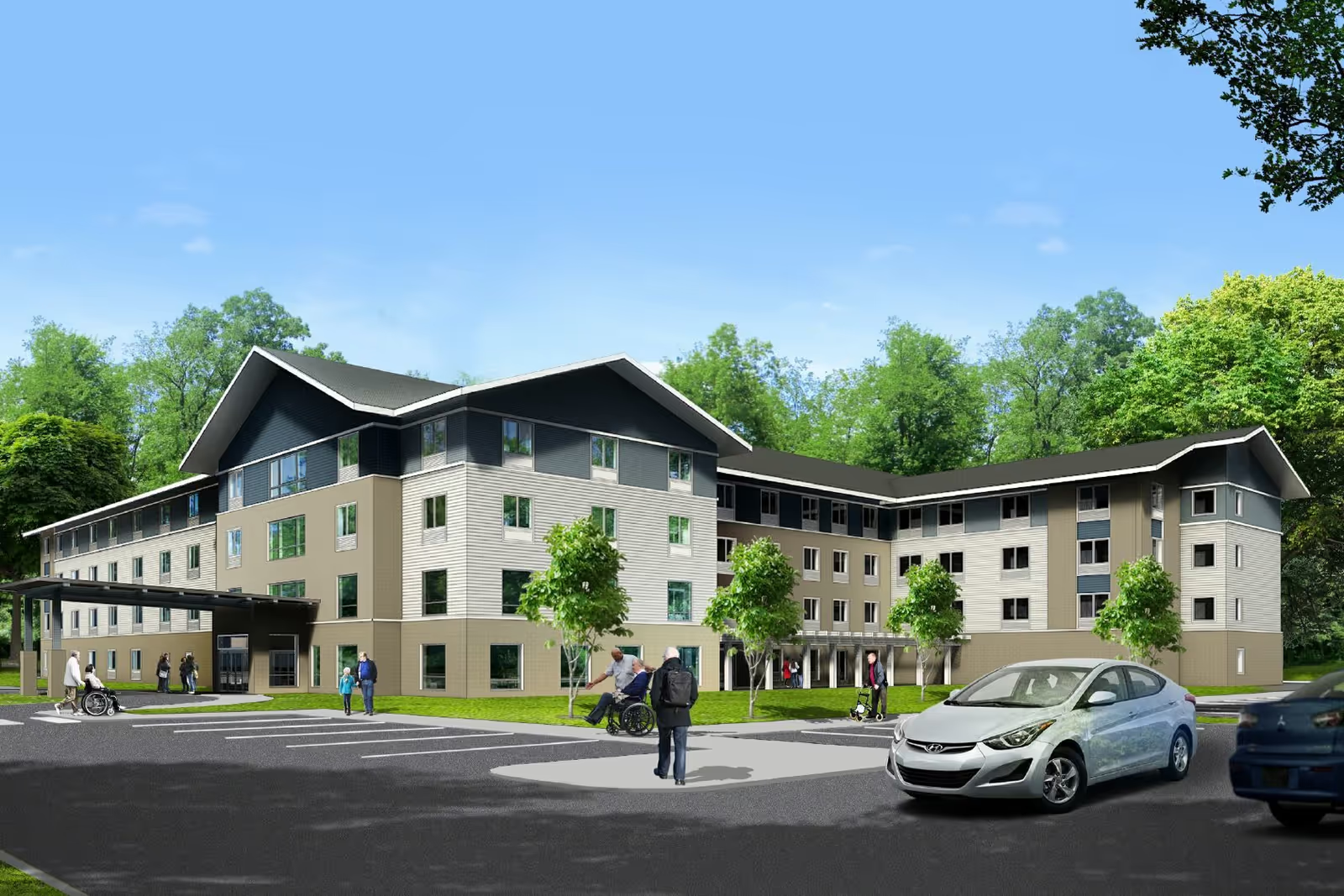
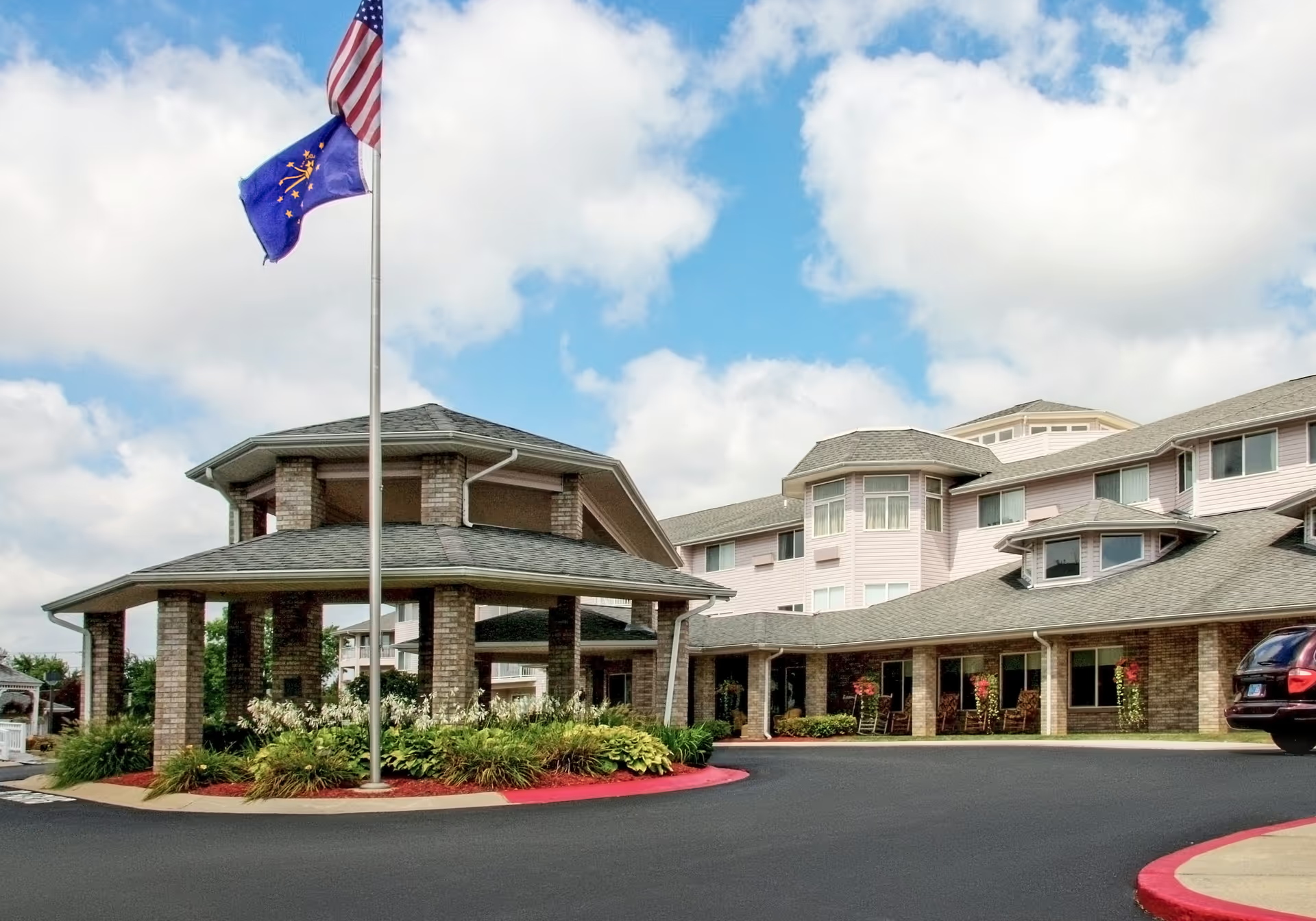
Facilities and administration: The building and grounds earn strong marks for cleanliness, aesthetics, and a secure layout. Families report thoughtful housekeeping and attention to detail. Leadership and administrative staff receive praise for responsiveness and community involvement, though reviews also indicate some friction following an ownership/management transition, with a perception of operational inconsistency during and after that change.
Operational and policy patterns to note: Several logistical issues recur across reviews. These include inconsistent staffing coverage outside daytime hours, communication gaps about running low on personal supplies, charges for additional assistance beyond base fees, and unclear policies around cameras or monitoring in rooms. Some families reported distress during personal-care assistance and delays in toileting help; framed as operational traits, this points to potential gaps in timeliness and approach to intimate-care needs for certain residents. Prospective families may wish to ask about night-shift staffing levels, turnover rates, the facility’s privacy/camera policies, how meal timing is handled for residents with specific nutritional needs, and the structure of additional fees.
Bottom line: The Village at Inverness appears to provide strong, dementia-focused programming, compassionate staff, engaging activities, and a well-maintained environment that many families find reassuring. Operationally, the most consistent cautions relate to staffing consistency (especially nights), frontline turnover, meal-service timing, billing transparency, and privacy policies. Those trade-offs suggest the community is a good fit for many residents seeking memory-care specialty services, while families with heightened concerns about overnight responsiveness, strict meal schedules, or room-monitoring practices should clarify those areas during a visit.