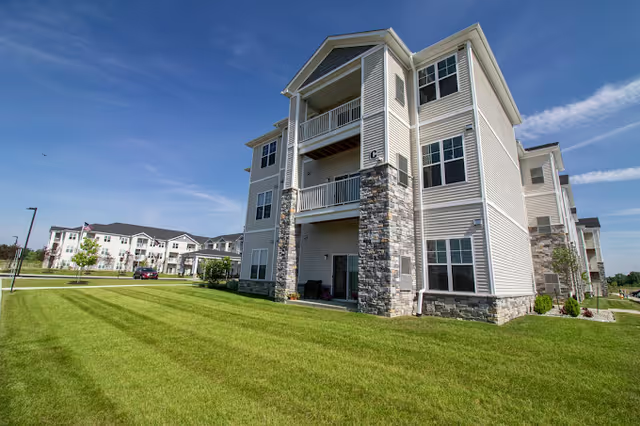
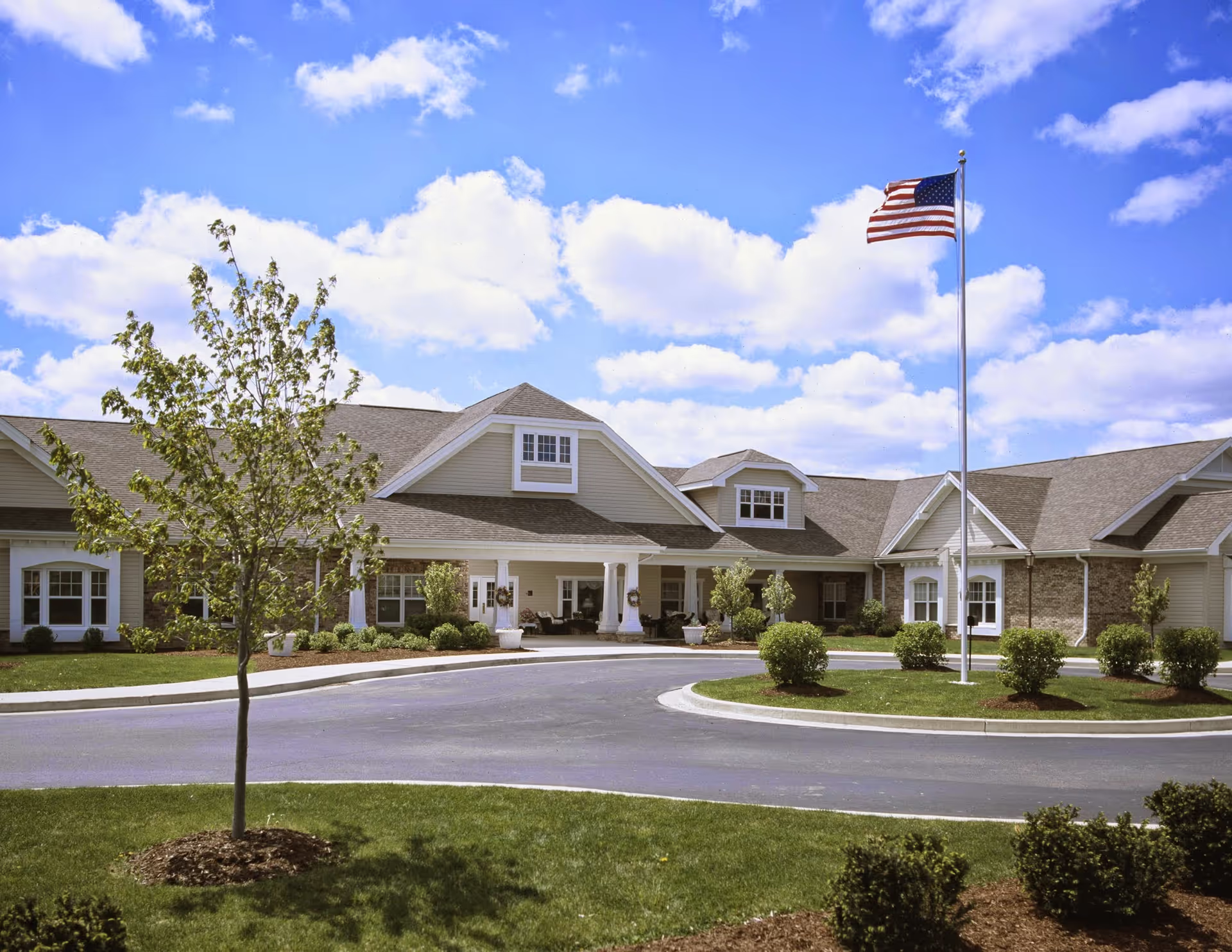
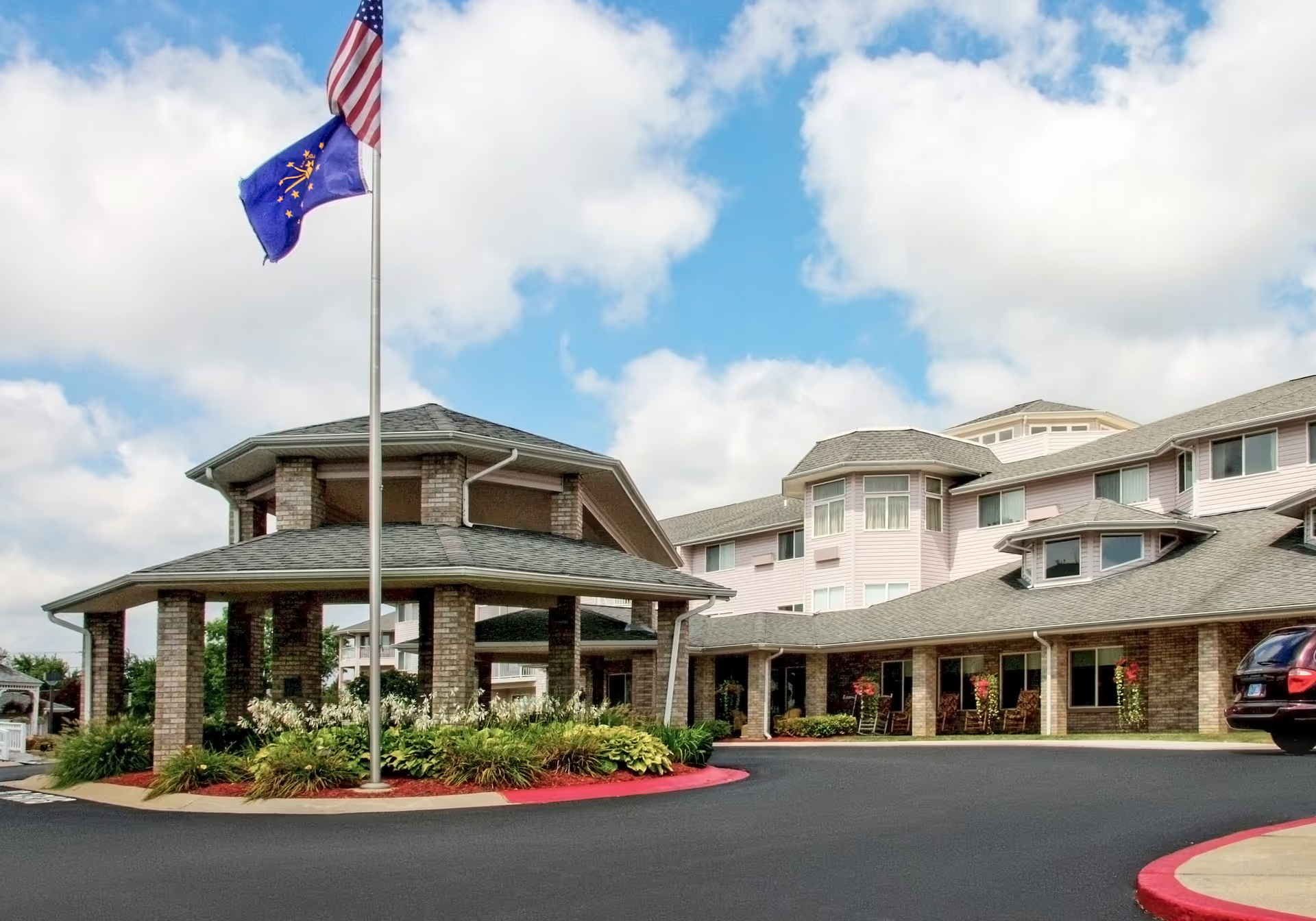
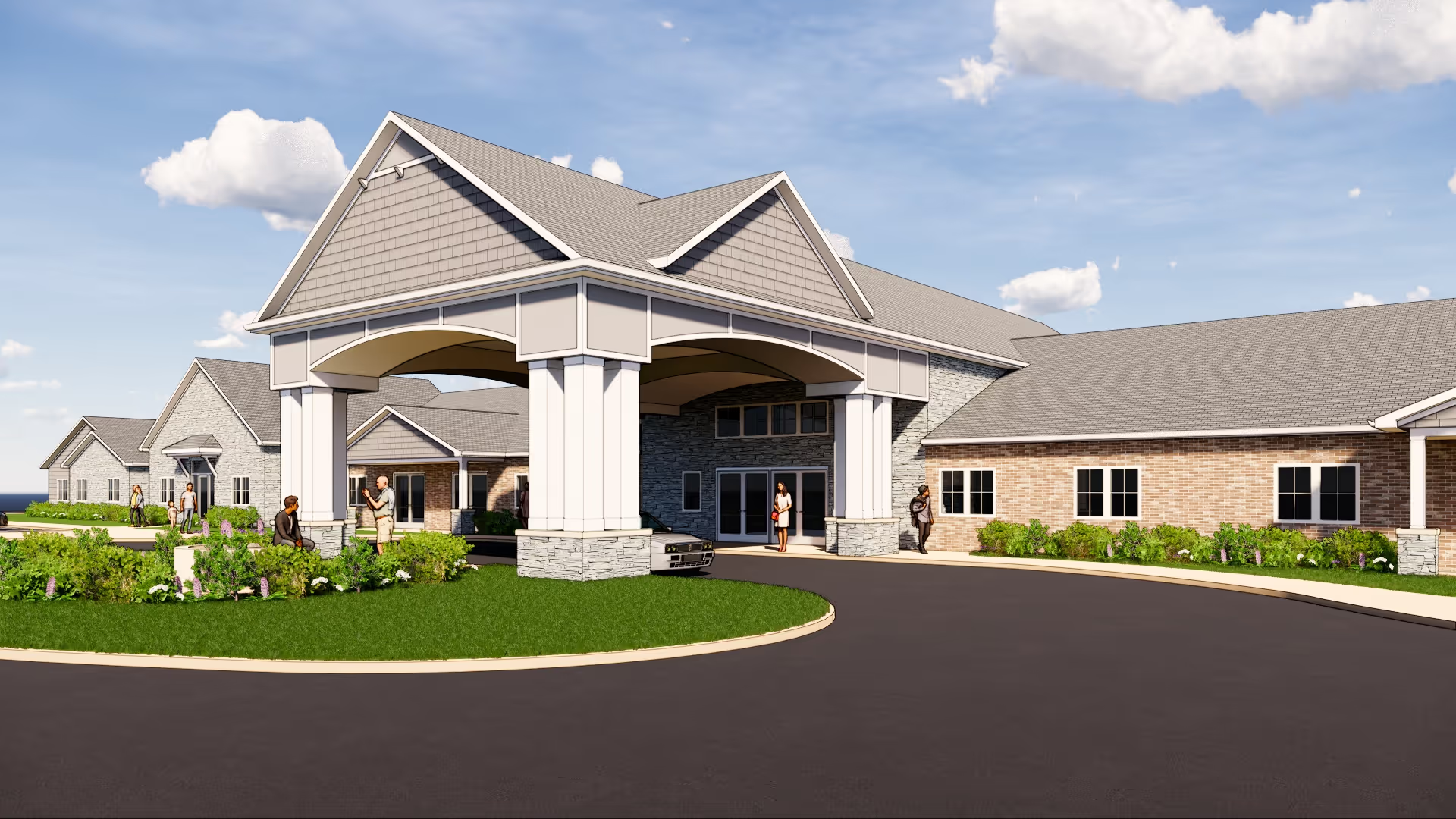
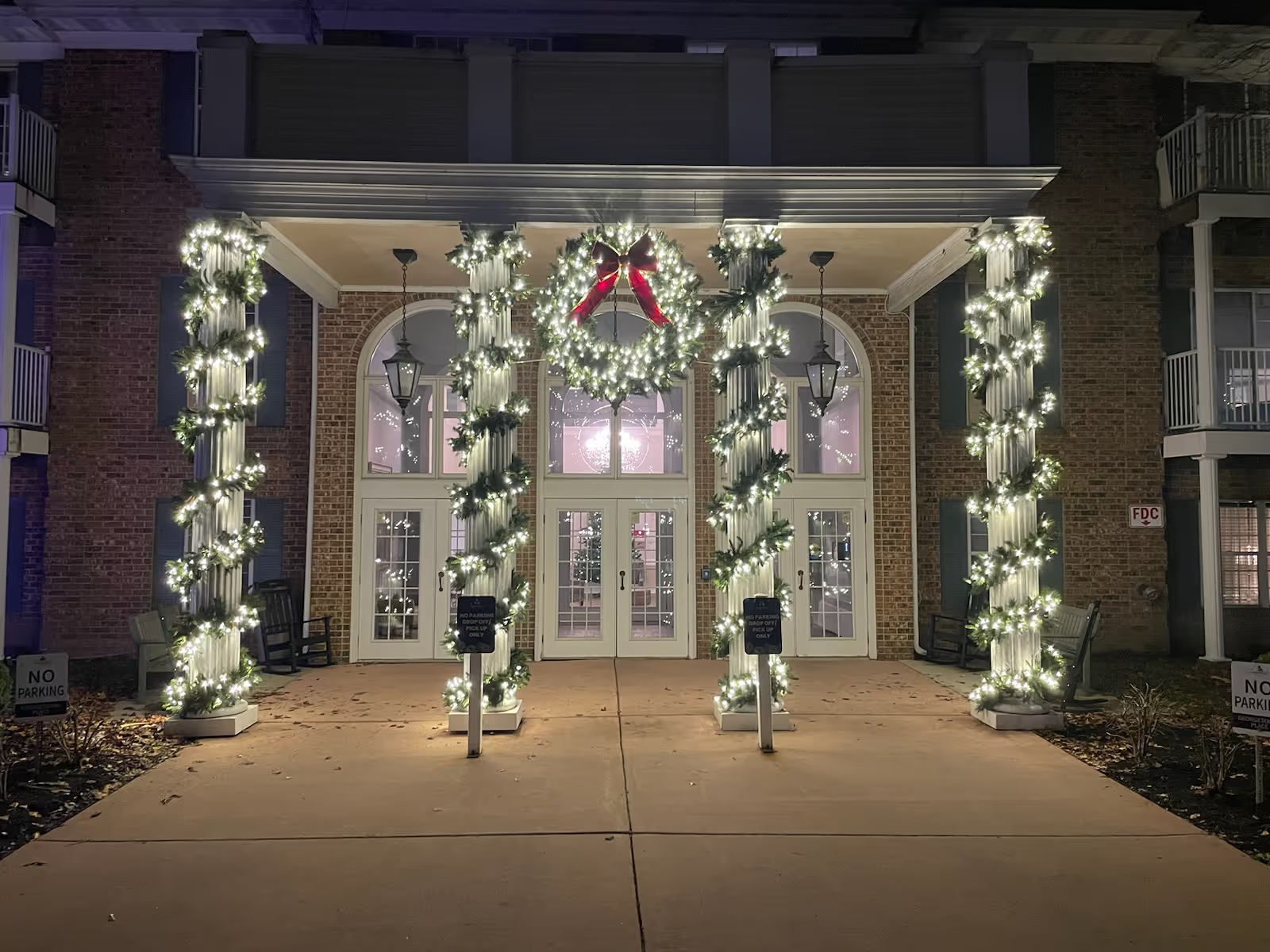
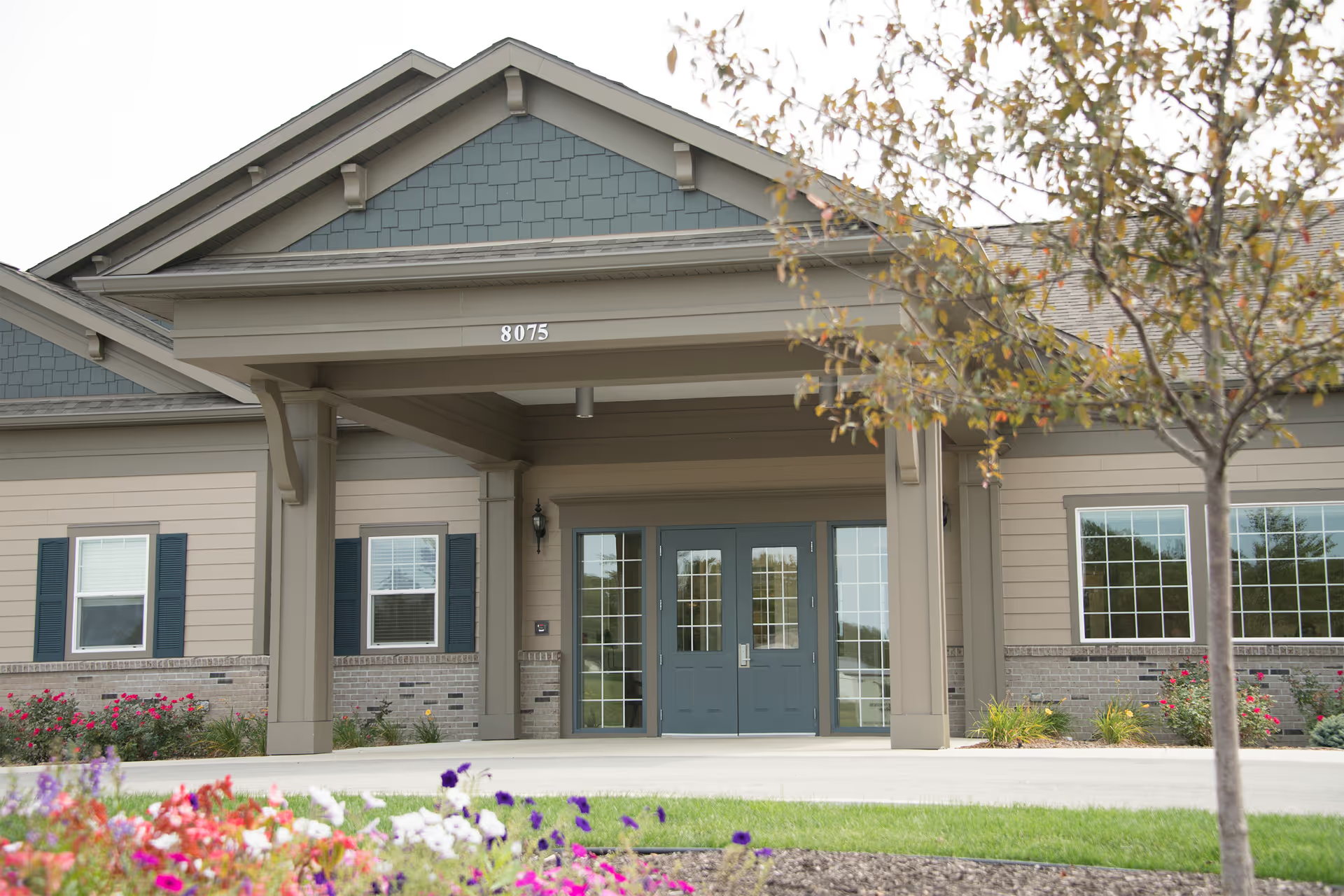
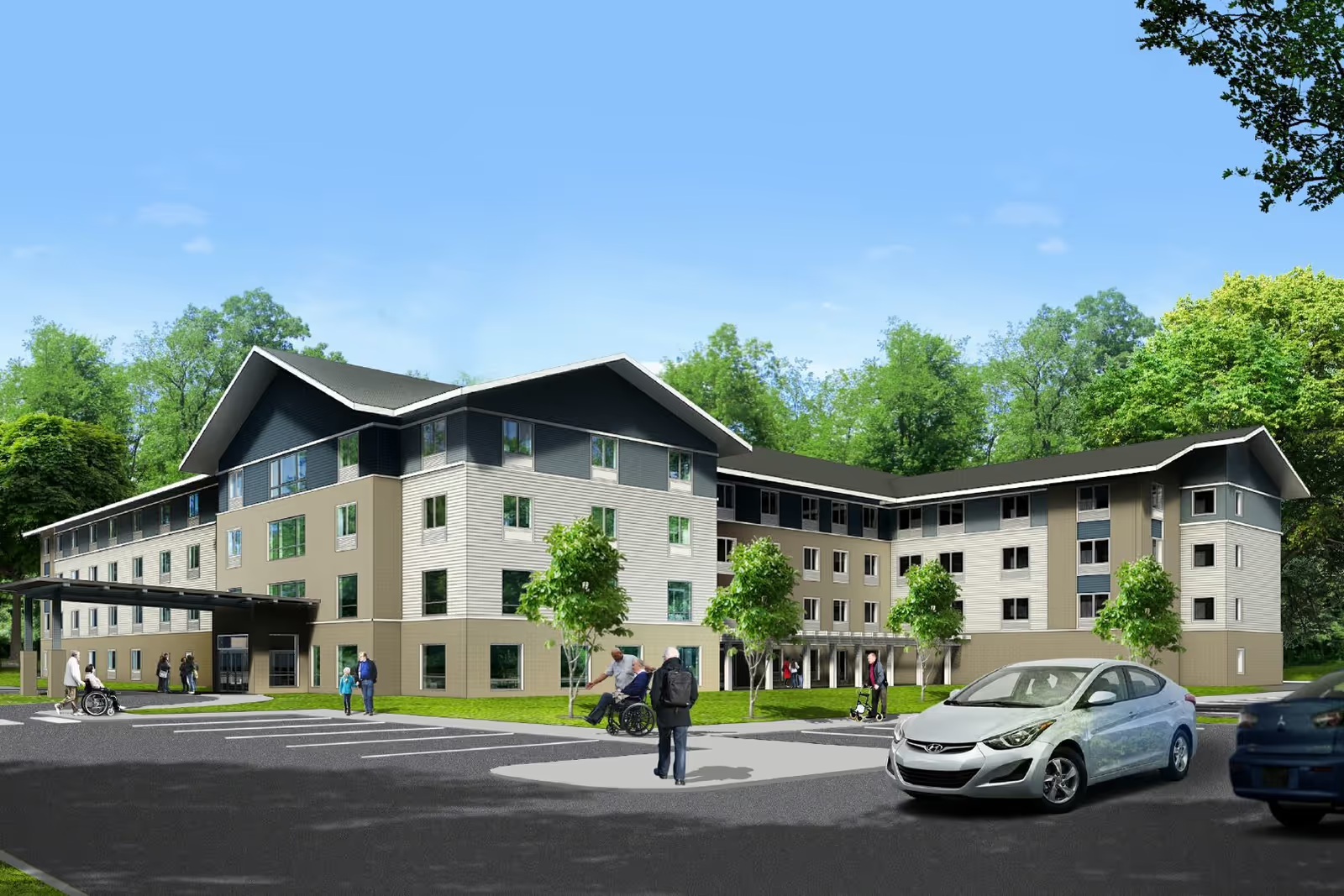
Park Place Senior Living presents as a modern, well-appointed senior community with many strengths and several recurring operational concerns. The facility's physical plant, grounds and apartments receive consistently positive comments: newer construction, bright dining areas, private-apartment amenities (including in-unit laundry and kitchenettes), and thoughtfully arranged common spaces. Many families described the environment as clean, orderly and hotel-like, with attractive outdoor walking spaces and social areas that support resident engagement.
Staffing is a standout for a large portion of families: reviewers frequently described compassionate, attentive caregivers who know residents by name, provide personalized attention, and offer strong move-in support. On-site clinical resources and therapy/PT services are available and were cited as reassuring by families seeking medical oversight. At the same time, there is a clear pattern of variability in clinical performance and responsiveness: several families described slow responses to call buttons or delays in urgent situations, and there are concerns about medication management and clinical oversight in a subset of accounts. Memory-care programming also drew mixed feedback — the continuum-of-care model is a selling point, but memory-care capacity and engagement levels appear uneven.
Dining and activities are generally positive features. Many residents and families praised restaurant-style dining, a varied menu, social meals, and an active activities calendar that includes outings, entertainment, church services and classes. Rehabilitation, salon services and routine transportation for appointments are additional conveniences that support resident quality of life. Conversely, meal service consistency and temperature control have been sources of dissatisfaction for some, and a few reviewers noted sanitation inconsistencies in dining areas (for example, unwashed dishes left in serving areas). Weekend activity coverage and program continuity were also raised as areas for improvement.
Administrative experiences vary considerably. Numerous families commended the admissions team, concierge-level support, proactive family communication, and assistance with benefits/Medicaid. Others described admissions delays, poor communication, and perceived lack of empathy from specific administrative staff. Cost was frequently mentioned as higher than alternatives, with some commenters citing move-in fees and pricing for preferred units as barriers. Placement of independent living apartments relatively far from dining and common areas was flagged by some as a practical inconvenience for residents who prefer close access to activities and meals.
Notable patterns for prospective residents and families: the strongest consensus centers on the quality of interpersonal care and the breadth of programming — staff attentiveness, social activities, and facility amenities are major strengths. The most significant operational risks to probe during a visit are response times for call buttons and urgent events, medication-management and clinical oversight practices, the facility's memory-care staffing and programming, consistency of meal service and dining sanitation practices, and administrative processes around admissions and fee disclosure. When touring, ask for demonstration data or policies on call response times, medication administration and monitoring, memory-care staffing ratios and recent sanitation or kitchen-inspection practices; also clarify fee structure and the location of available units relative to dining and activity spaces.