Reviews present a mixed but consistent picture: many families and former residents praise the facility's rehabilitation program, individual caregivers, and communal environment, while also describing recurring operational weaknesses that affect day-to-day care.
Care quality and staff: Numerous accounts highlight compassionate, polite, and hardworking individual staff members and an enthusiastic therapy team that supports strong short-term rehab outcomes and successful discharges home. At the same time, a persistent theme is understaffing and heavy workloads, which reviewers link to long wait times for assistance, inconsistent personal-care routines (including bathing), and delays in addressing clinical needs. Several comments raise concerns about medication administration practices and missed or delayed discharge prescriptions; other comments describe gaps in follow-up after clinical incidents. A small number of reviews describe serious clinical concerns, including issues raised following a resident's serious adverse outcome; these reports suggest families should verify clinical-incident history and regulatory findings when evaluating the facility.
Dining and activities: The facility's communal dining room and organized activities receive positive mentions — residents report social meals, holiday events, outings, and opportunities to form friendships. Meal quality is described variably: some reviewers find the food satisfactory to good, while others note inconsistency and occasional dissatisfaction with meals and meal-service continuity.
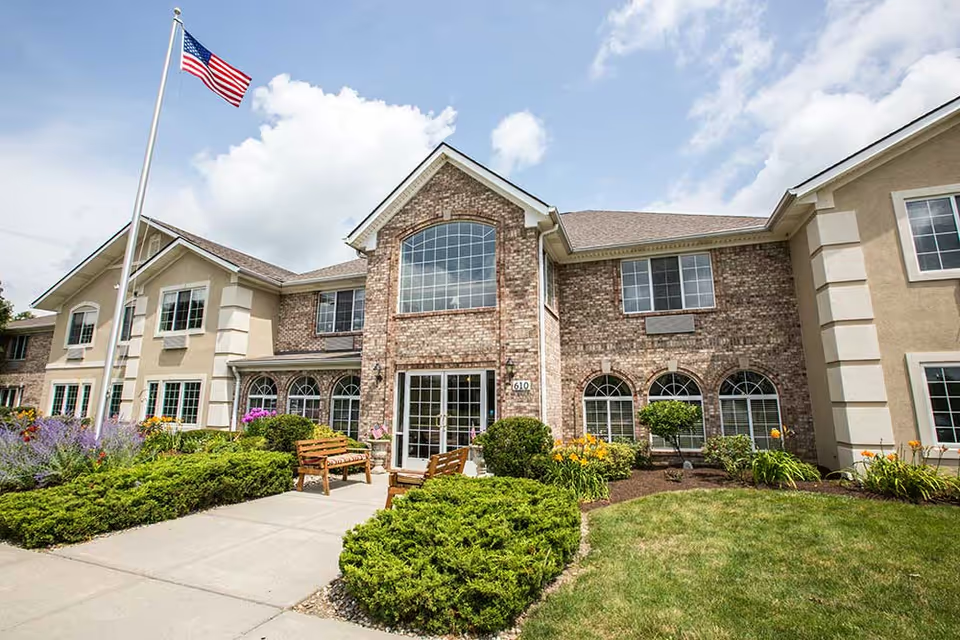
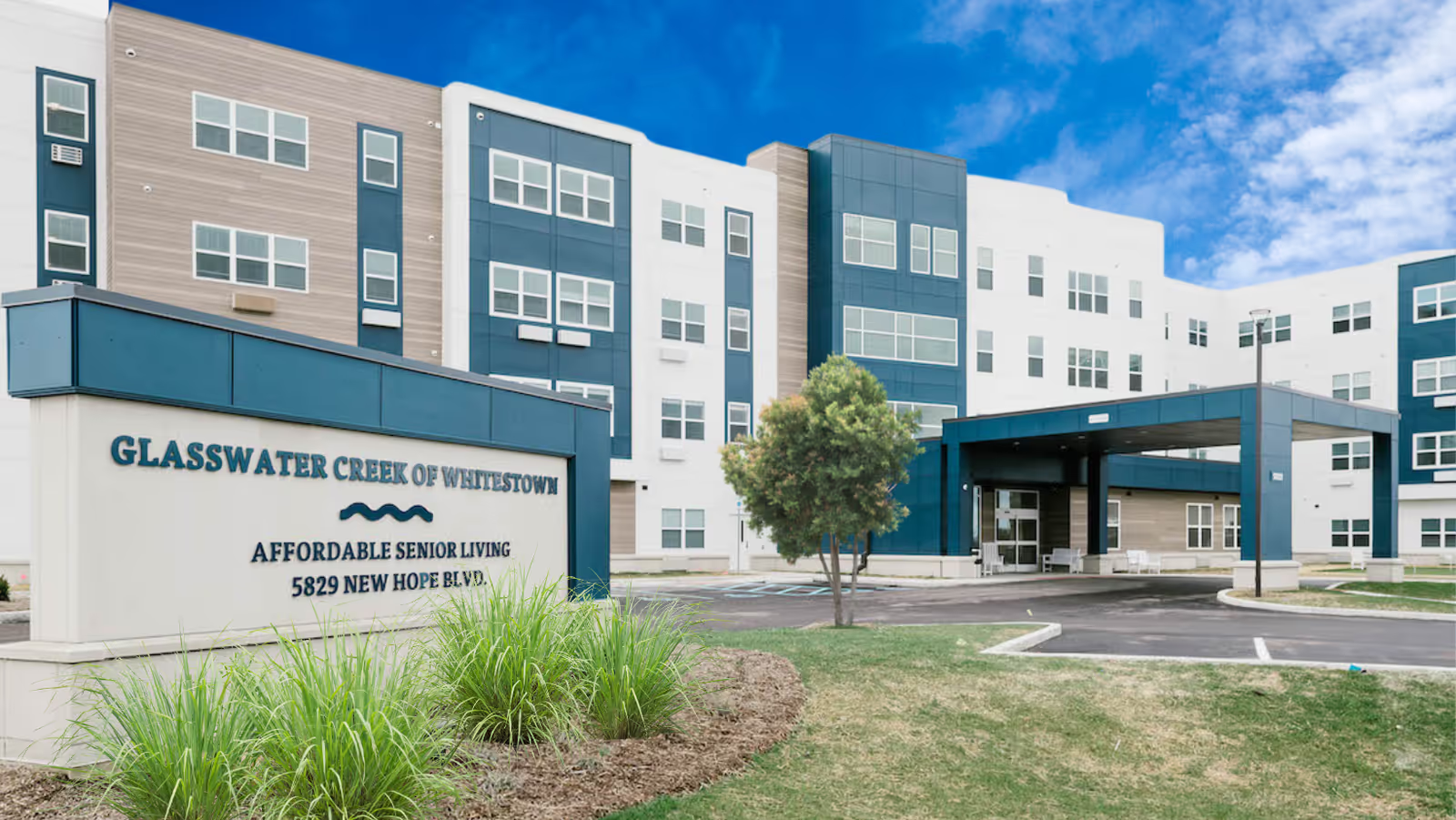
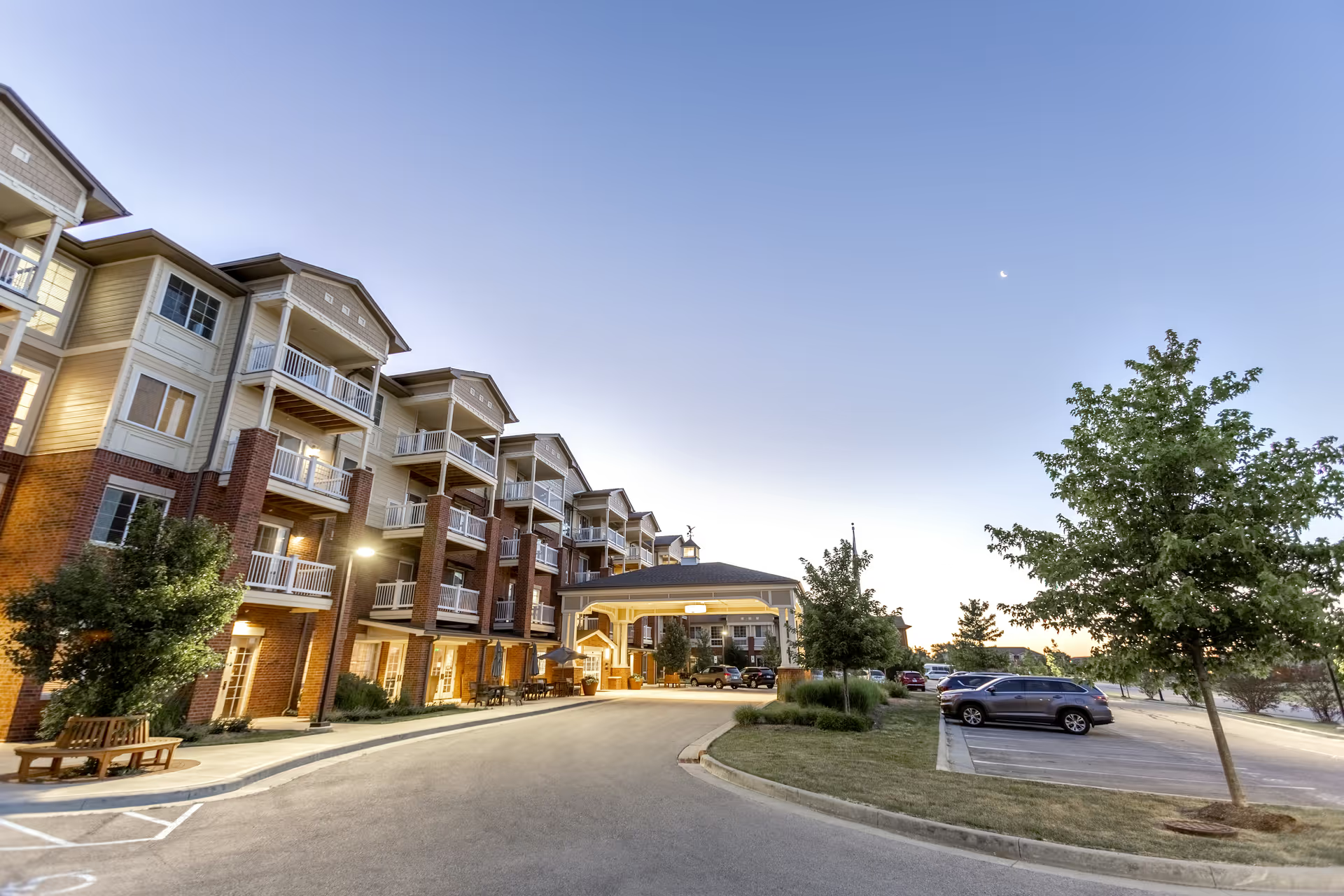
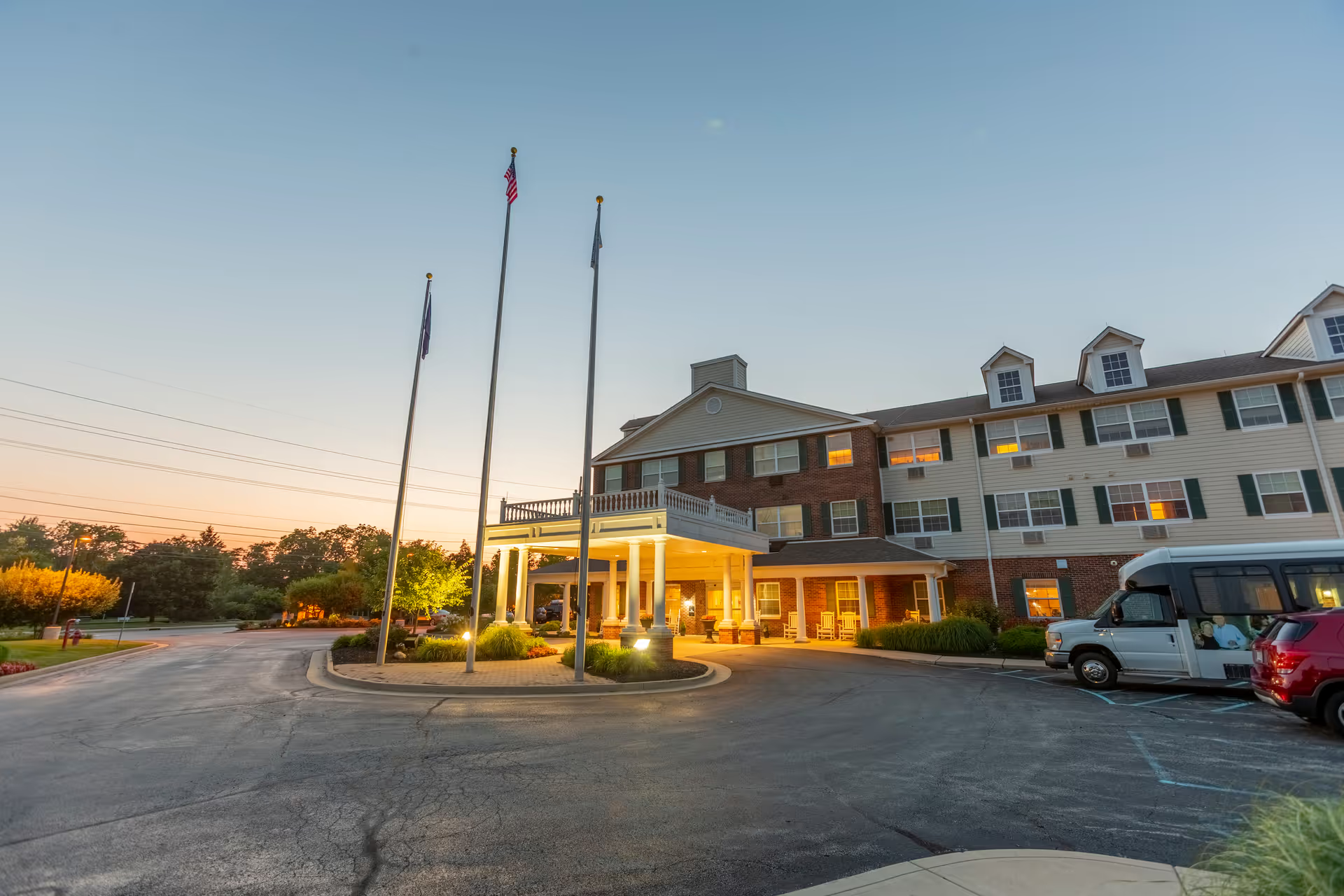
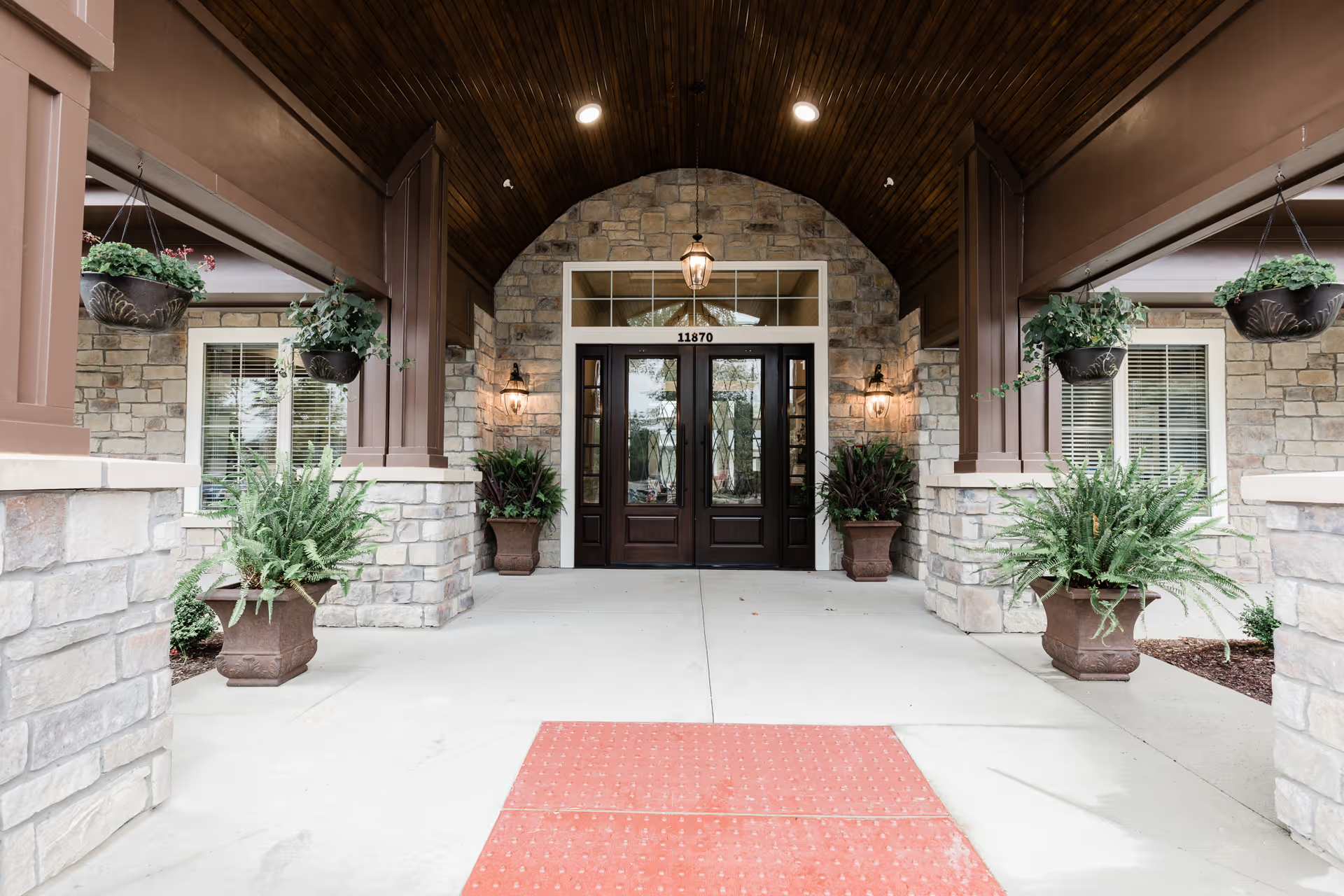
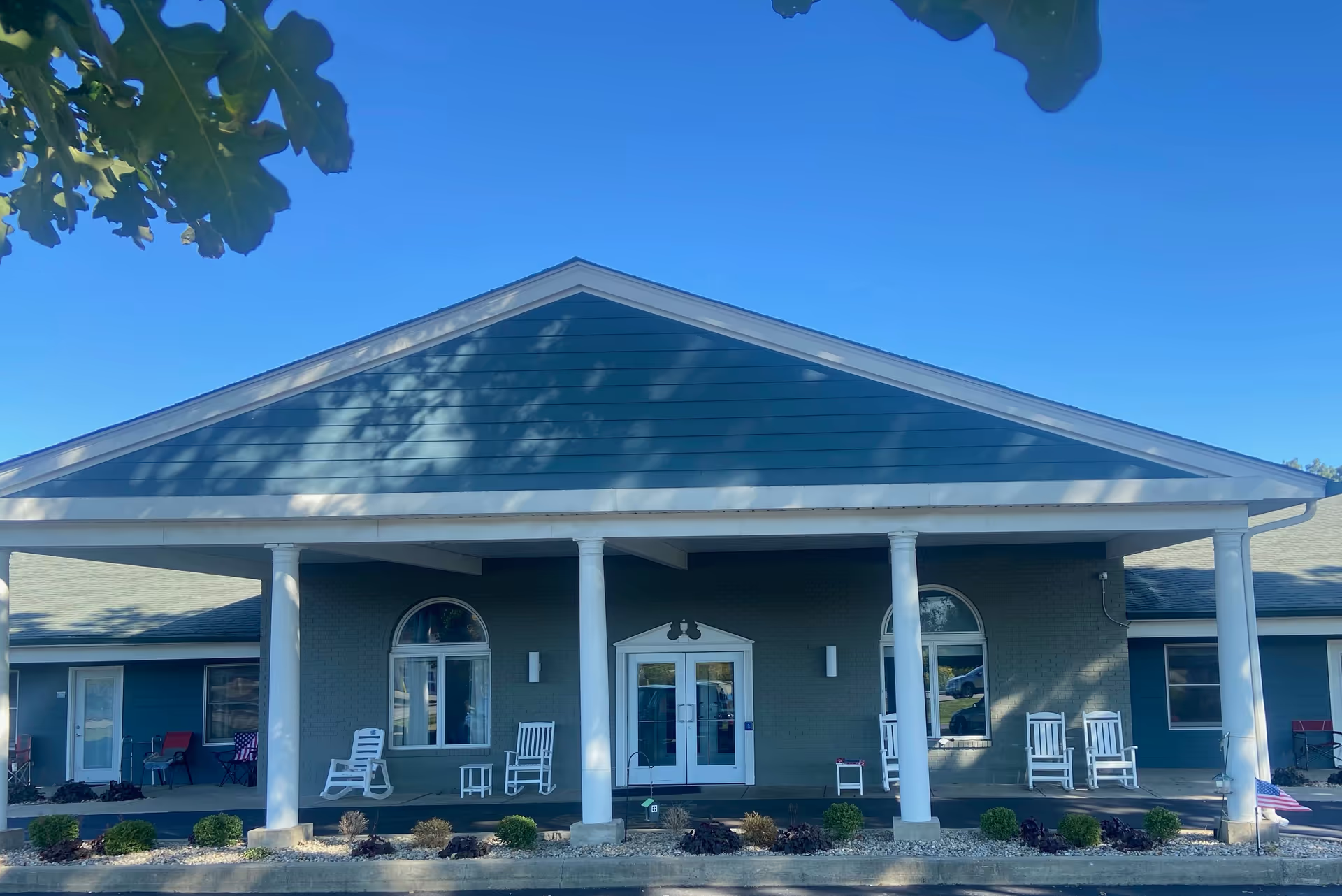
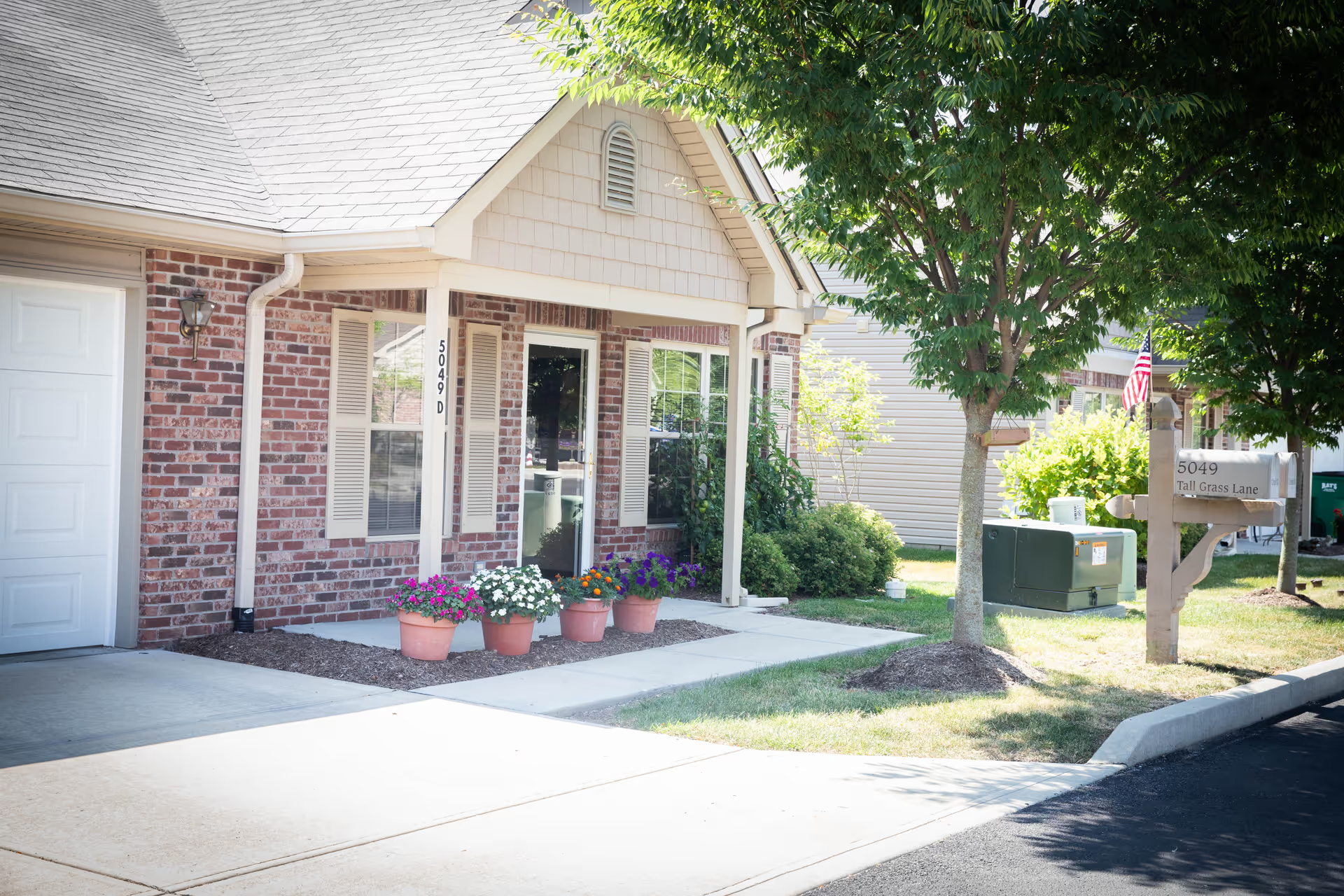
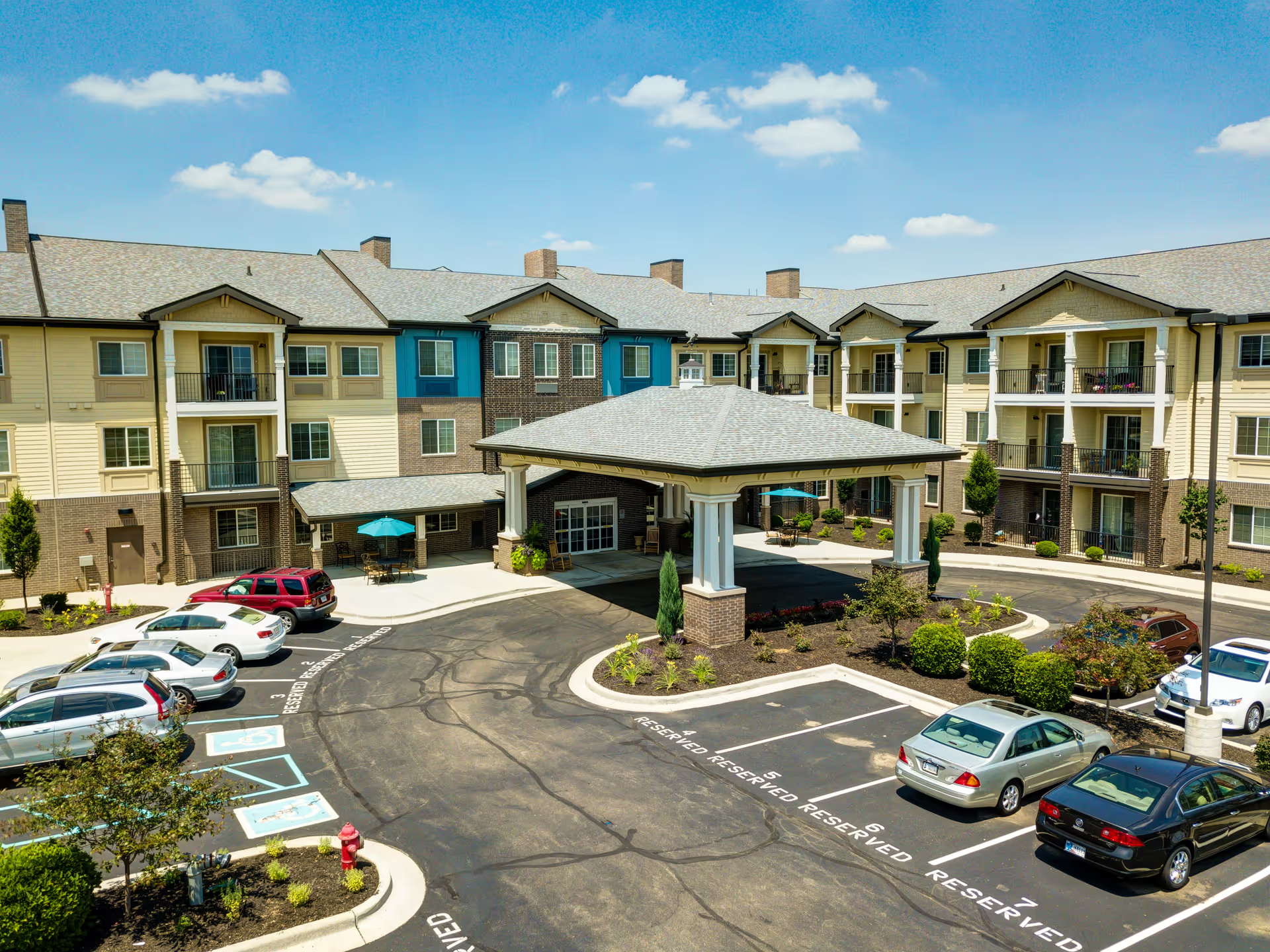
Facilities and environment: Reviewers commonly note a clean, well-kept building with home-like, well-lit common areas and multiple seating options. Physical room layouts are sometimes described as small and hospital-like with limited storage or vanity space in bathrooms. Bathroom cleanliness and odor concerns are raised in several accounts and merit attention during an in-person visit.
Management and operational patterns: Several reviews express frustration with management responsiveness, inconsistent communication from office staff, and staffing decisions. High staff turnover and training gaps are cited as contributors to inconsistent care. There are also comments about perceived mismatch between cost and value, and about marketing or website information that did not align with the on-site experience.
Notable patterns and considerations: The overall pattern is one of strong therapy and many caring individual staff members, coupled with systemic staffing and operational shortfalls that can affect reliability of basic care and safety practices. Prospective residents and families should balance the facility's rehabilitation strengths and communal environment against reported concerns about staffing levels, response times, medication/discharge processes, fall-prevention practices, and bathroom sanitation. When touring or evaluating the community, ask specific questions about current staffing ratios, fall-prevention protocols and transfer training, call-light response metrics, medication reconciliation at discharge, laundering turnaround, infection-control practices, and recent inspection or incident records to clarify whether operational improvements have been implemented.