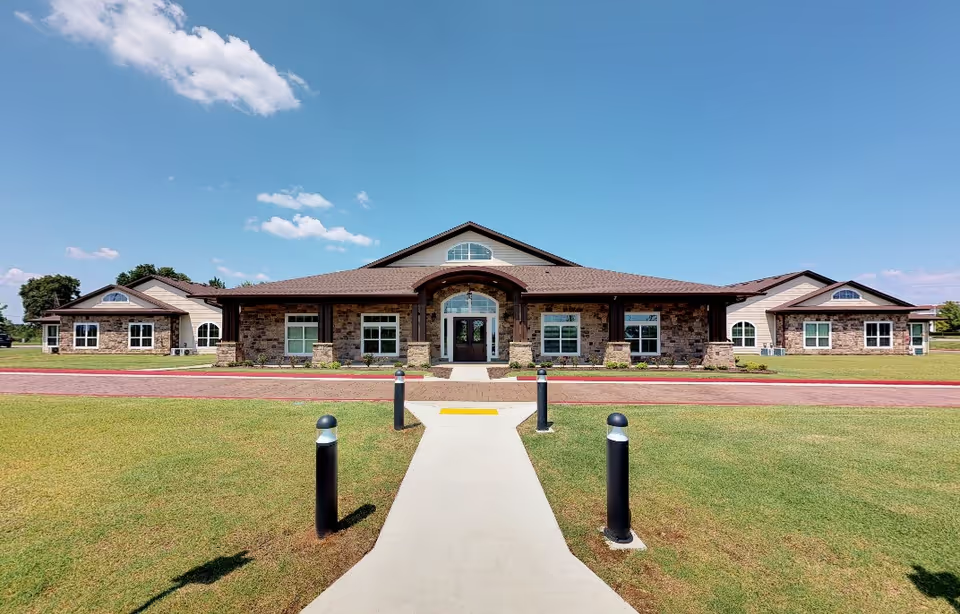
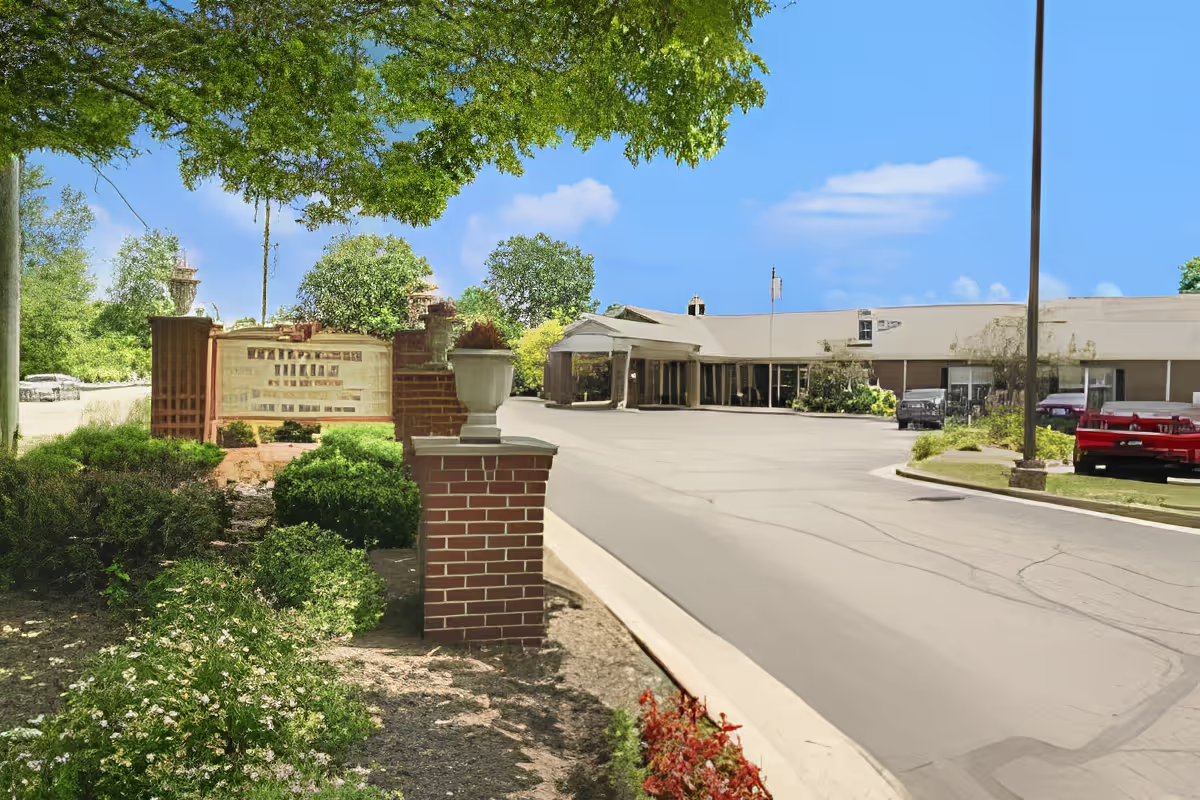
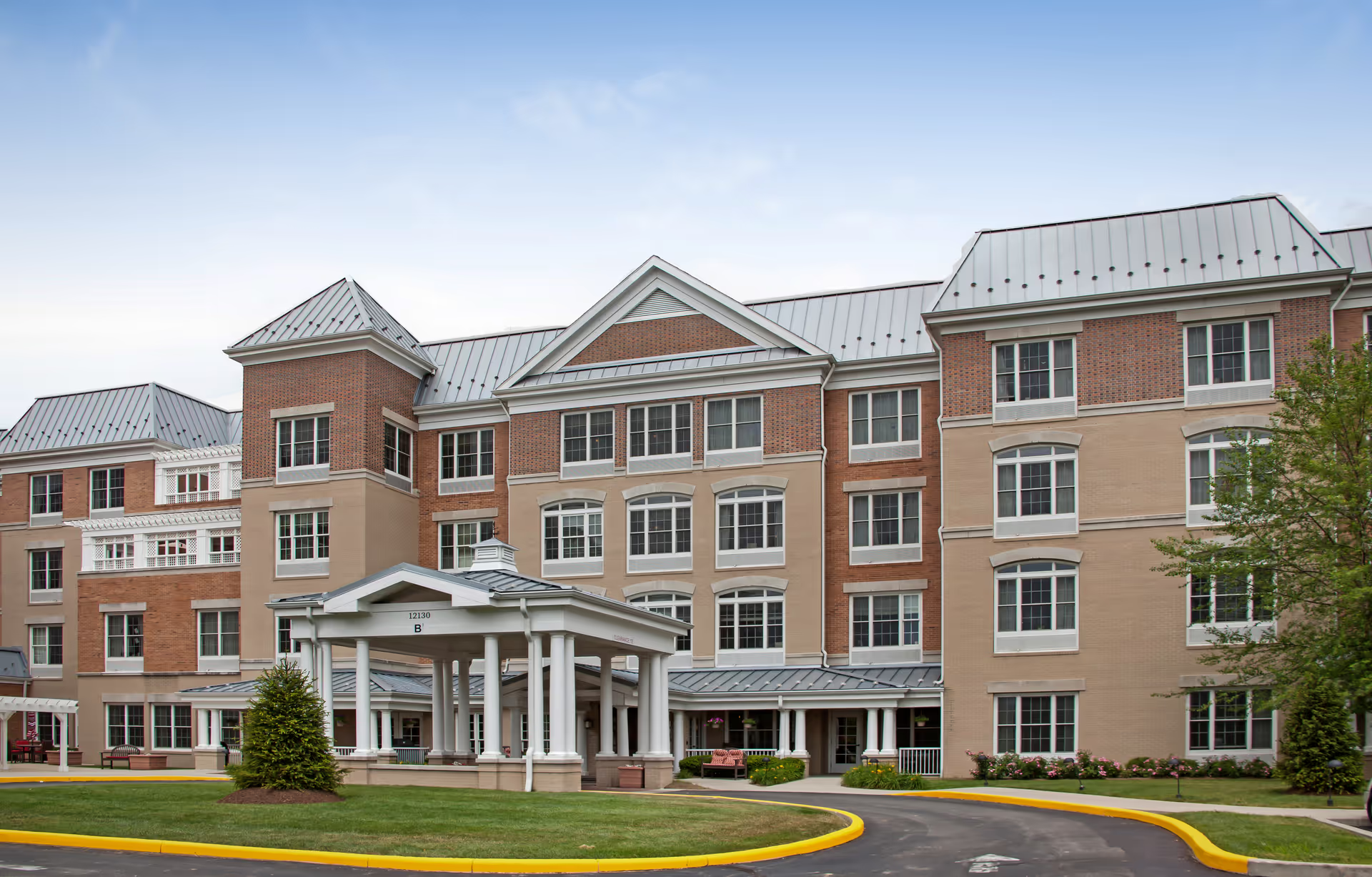
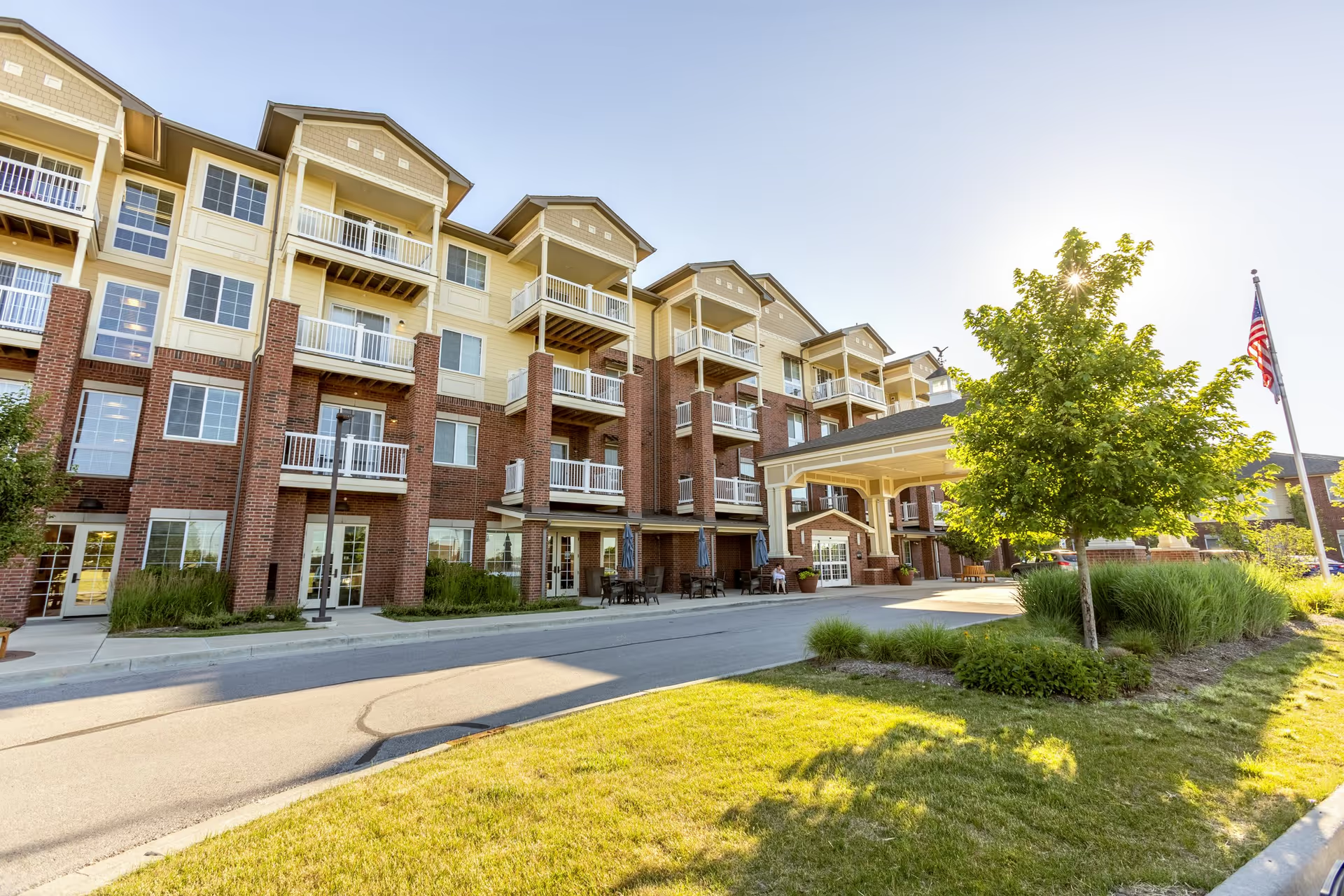
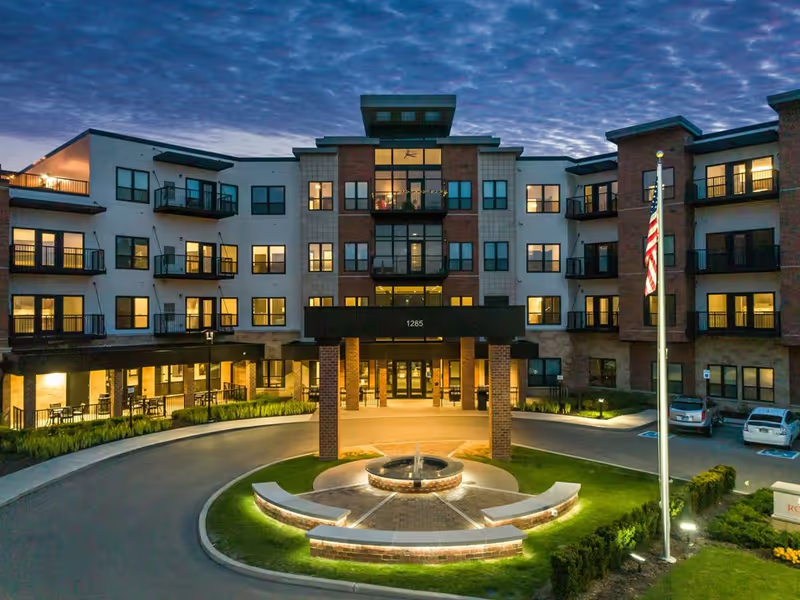
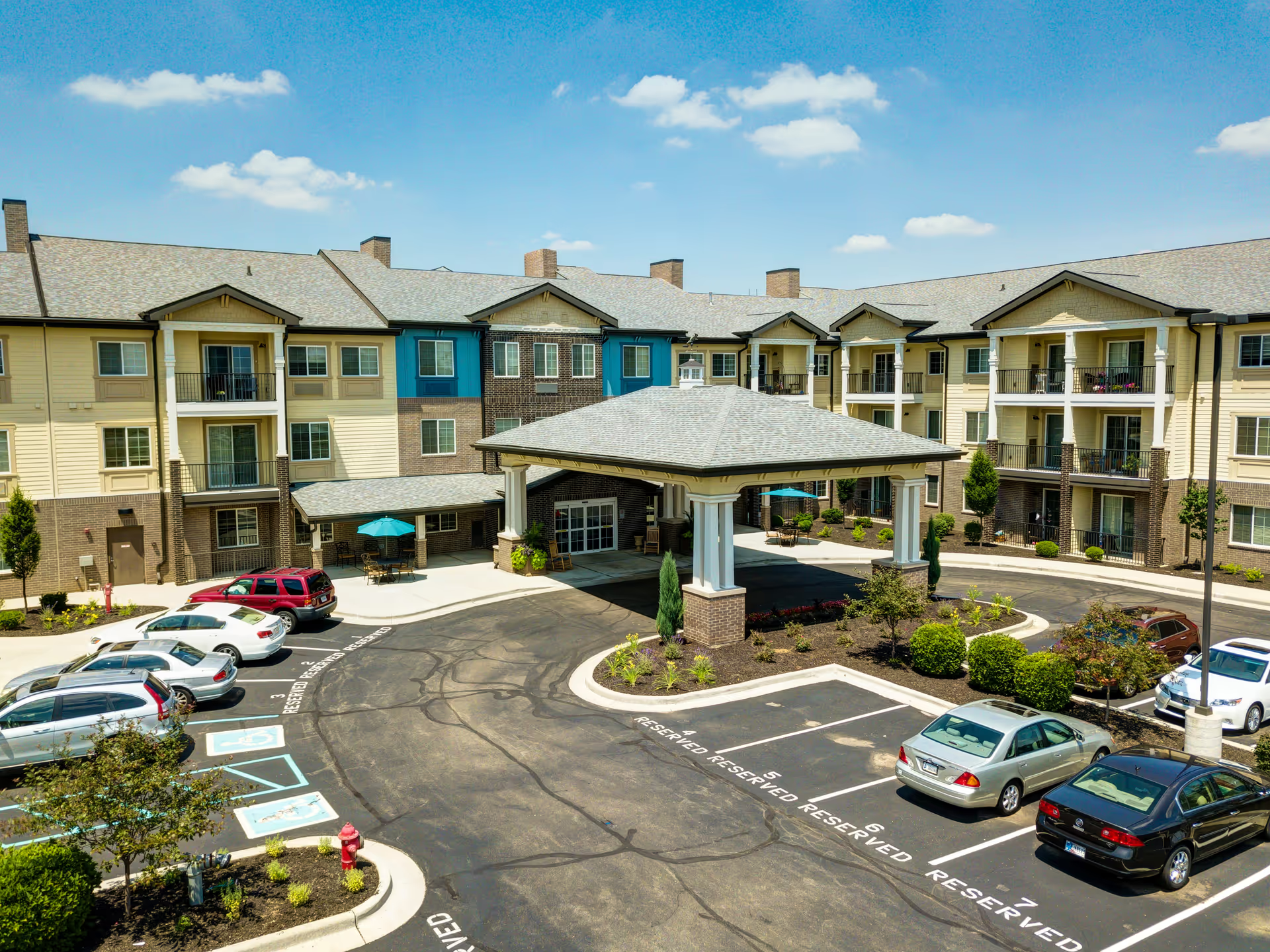
Grand Victorian of Zionsville is described overall as a small, home-like assisted- and memory-care community with many strengths in person-centered staff relationships and activity programming. Many families highlight compassionate, experienced nursing and therapy staff, an engaged executive team, and individualized attention; residents are frequently recognized by name and staff participation in social events is common. The building and apartments are repeatedly described as spacious and pleasant, with safety features in place and an attractive courtyard and common areas that support socialization. Admissions and move-in experiences are often handled promptly and with helpful coordination.
Care quality is a mixed picture. Positive comments emphasize strong physical- and occupational-therapy offerings, attentive nursing in many cases, and a memory-care unit with an involved director. Conversely, reviewers also identify operational gaps that affect care continuity: inconsistent personal-care scheduling (including long waits for shower assistance), intermittent medication- and documentation issues, and occasional delays in responding to resident needs. There are also expressed concerns about incontinence-care consistency. These issues appear linked in several accounts to staffing levels and turnover rather than to uniformly poor clinical skill.
Staff and leadership receive both strong praise and criticism. Numerous reviews identify specific staff members and leaders as exemplary, noting hands-on executive leadership, prompt family communication, and staff who go above and beyond. At the same time, there are persistent notes about high turnover, weekend and thin-staffing periods, and periods of less-engaged management following ownership or leadership changes. Communication problems include routed questions to corporate without timely follow-up and unreturned family calls; isolated allegations of deceptive staff communication were also raised by at least one family.
Dining and daily operations show variability. Several reviewers praise the chef, accommodate special diets, and describe good meals and social dining; others describe a noticeable decline in food quality, bland or overly salty meals for some residents, supply shortages, and slower service at times. Housekeeping and laundry are similarly inconsistent in accounts—many describe a clean, well-kept environment, while others report lapses that affect the perceived upkeep of common areas and rooms.
Activities are a strong feature for many residents: a broad calendar includes exercise classes, trivia, yoga, outings, religious services, and social events like happy hours and holiday programs. These offerings are credited with improving socialization and well-being. However, occasional gaps occur when activity staff are temporarily absent or when programming depends heavily on individual staff initiative.
Notable operational patterns for prospective residents and families to consider are the facility’s small, intimate scale (which many find beneficial), the absence of on-site skilled nursing or Medicaid billing in some cases, variability in dining and housekeeping consistency, and recurring staffing/leadership turnover that can affect service continuity. Families who prioritize warm personal relationships, active programming, and accessible location will likely find many strengths here; those who require consistently stable clinical staffing, on-site physician coverage, or guaranteed continuity of meal and housekeeping services should discuss those needs explicitly with management and verify current staffing, billing, and care protocols during a tour.