Colonial Oaks presents a mixed but largely positive profile: many families and residents praise the facility's compassionate, family-oriented staff and the strength of its rehabilitation program. The physical and occupational therapy departments receive repeated commendation for effective short-term outcomes, and reviewers highlight several named therapists and clinicians as particularly effective. On-site full nursing care and rehabilitation availability are clear strengths, making the campus a common choice for post-orthopedic surgery recovery as well as longer-term care.
Clinical care quality is uneven in the aggregate. While many reviewers describe attentive nurses and a high standard of long-term care, there are recurring operational concerns around medication-management protocols and shift-to-shift communication. These communication and medication-instruction gaps have been tied to adverse clinical events in individual accounts, and they point to a need for clearer handoff procedures and monitoring. Staffing levels are perceived as adequate at times but inconsistent at others, producing variability in responsiveness to call bells and clinical needs.
Dining and nutrition are another area of mixed feedback. Some families find the dining room pleasant and meals acceptable, while others report inconsistent food quality, cold or unavailable items, and elevated meal charges. There are accounts of weight loss associated with poor meal experiences, and mention of recent kitchen updates that have not fully resolved service continuity. Prospective residents should inquire specifically about current meal-service procedures, portioning, and how dietary needs are monitored.
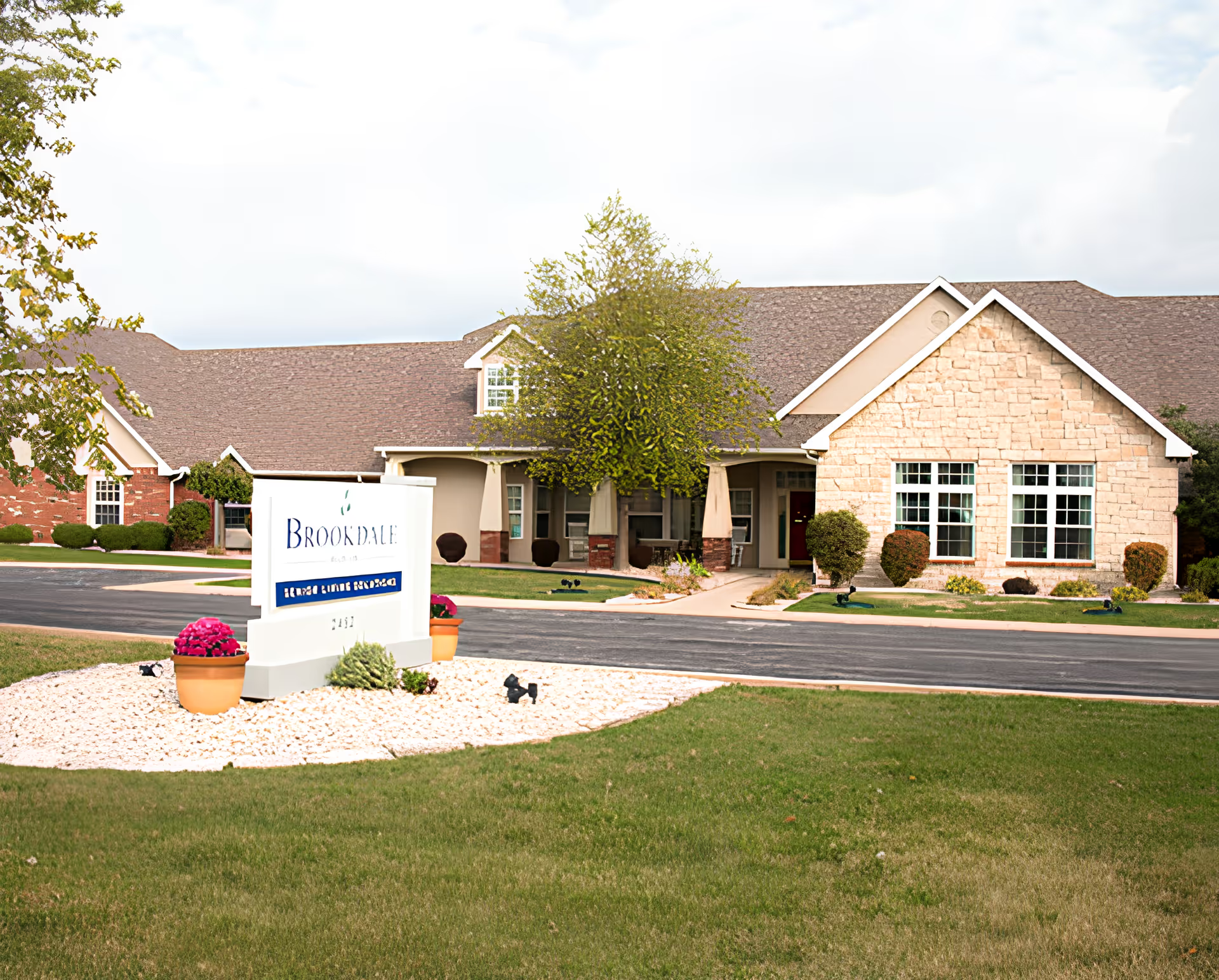
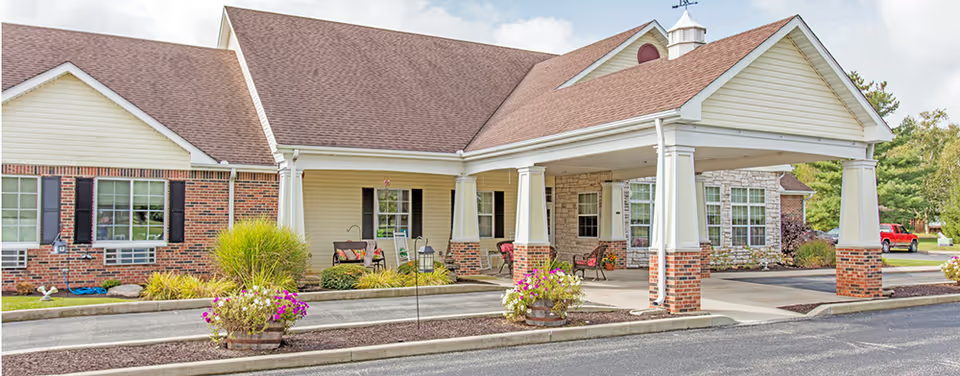
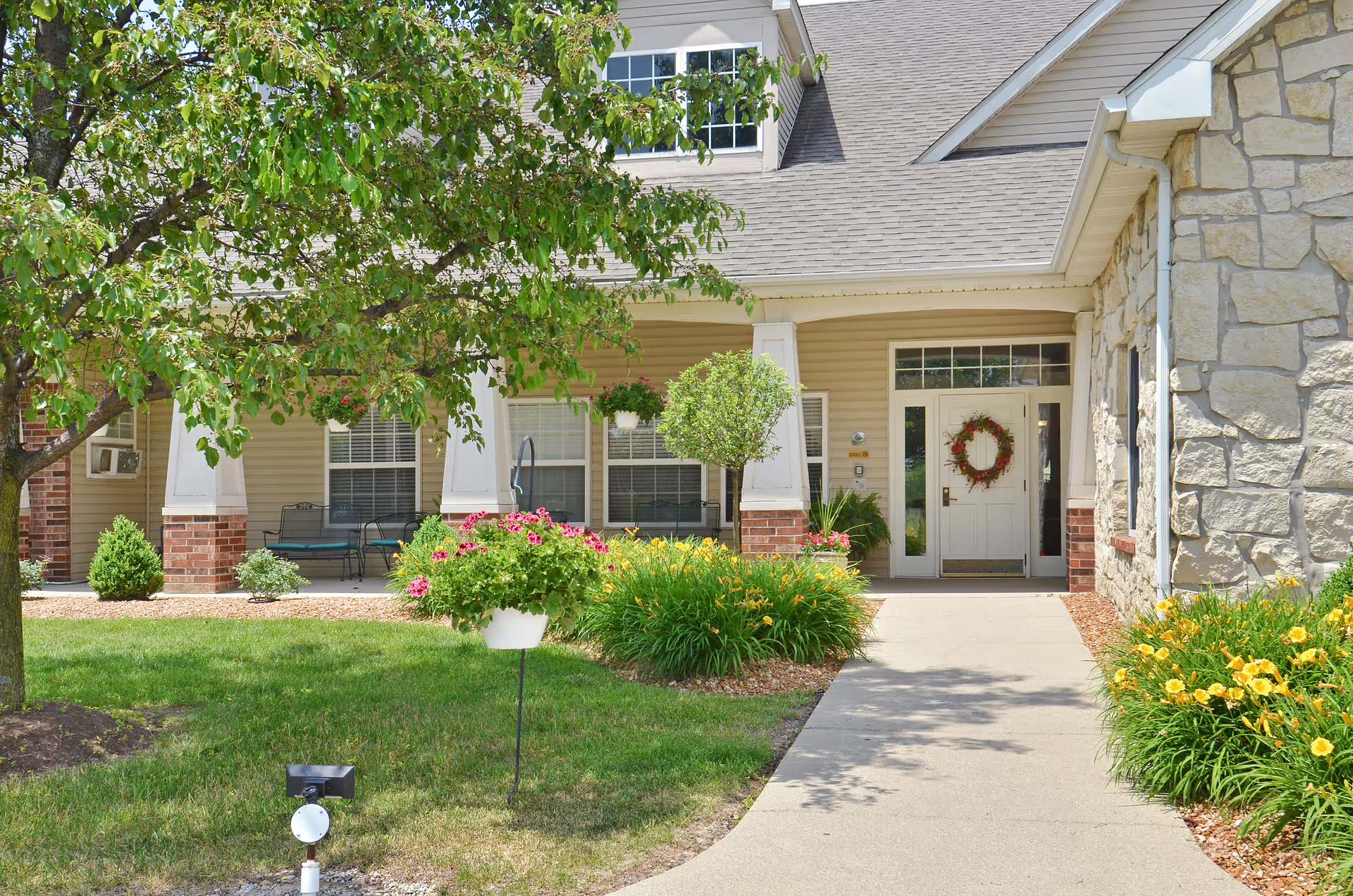
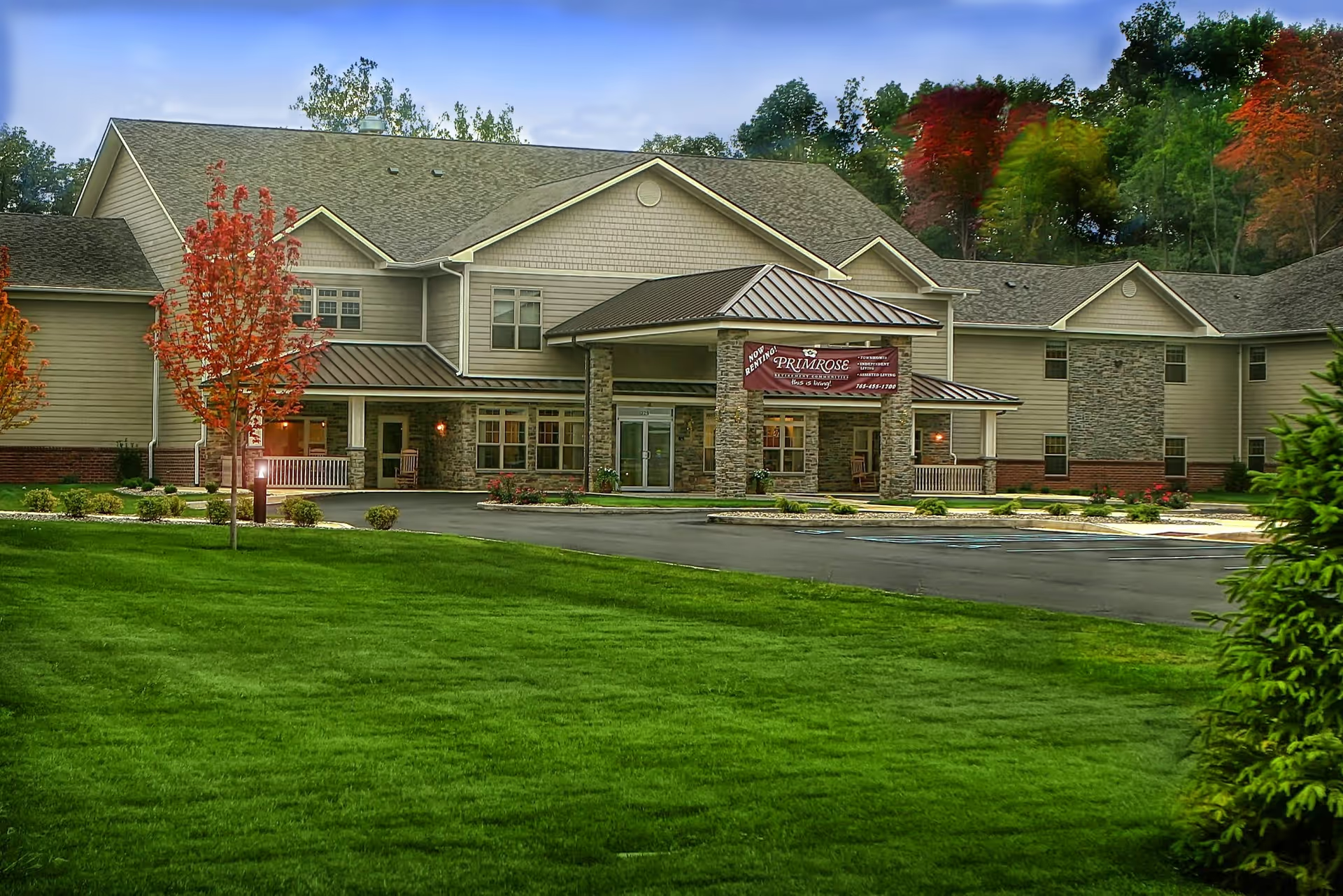
The facility environment and activities program are generally praised. Colonial Oaks occupies attractive, landscaped grounds with a home-like interior aesthetic (notable features cited include a floor-to-ceiling stone fireplace and large indoor tree). Apartments are described as spacious and furnished, with private-room options and flexible housekeeping. An active calendar of social and recreational offerings — card games, crafts, musical programs, bingo, library access, and monthly outings — contributes to a non-isolating atmosphere for many residents. Transportation for shopping and medical appointments is available via facility vans.
Management and administrative areas show strengths and pain points. The assisted-living fee structure that covers core services and the acceptance of Medicaid are positives; however, some reviewers raise concerns about billing transparency and aggressive collections practices. There are also mentions of administrative friction with Medicare/insurance authorizations affecting rehabilitation stays and discharge timing. The building is described as well cared for but older in parts and may benefit from further modernization.
Overall, Colonial Oaks has substantial strengths in rehabilitation, infection-control practices, campus upkeep, and staff culture that many families characterize as loving and professional. At the same time, recurrent operational themes — inconsistent meal service, medication and shift-communication gaps, variable staffing levels, and billing/administrative opacity — suggest areas to investigate during an in-person tour. Prospective residents and families would be well served to ask for current staffing ratios, medication-administration procedures and handoff protocols, sample menus and food-service plans, and details on billing and insurance coordination before making a placement decision.