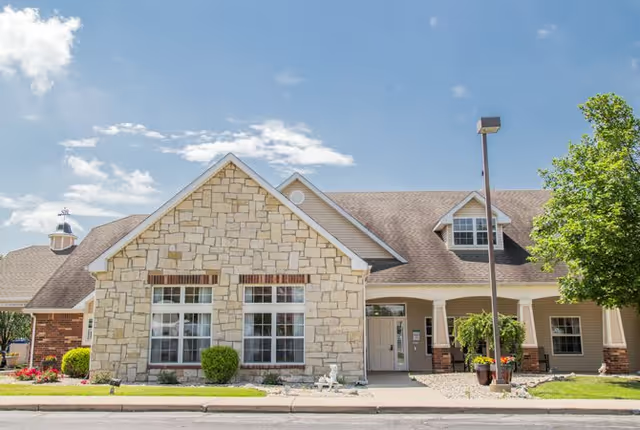
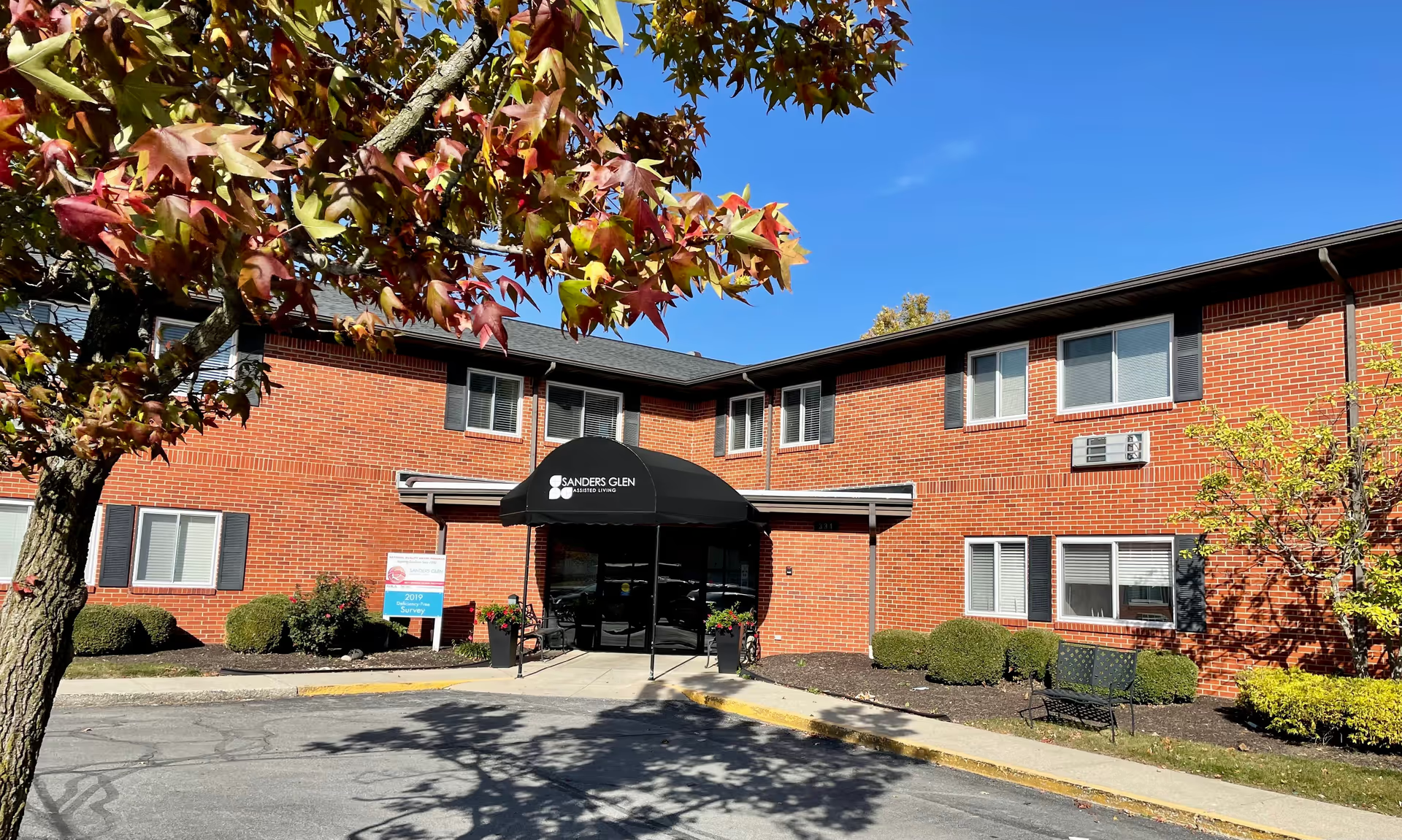
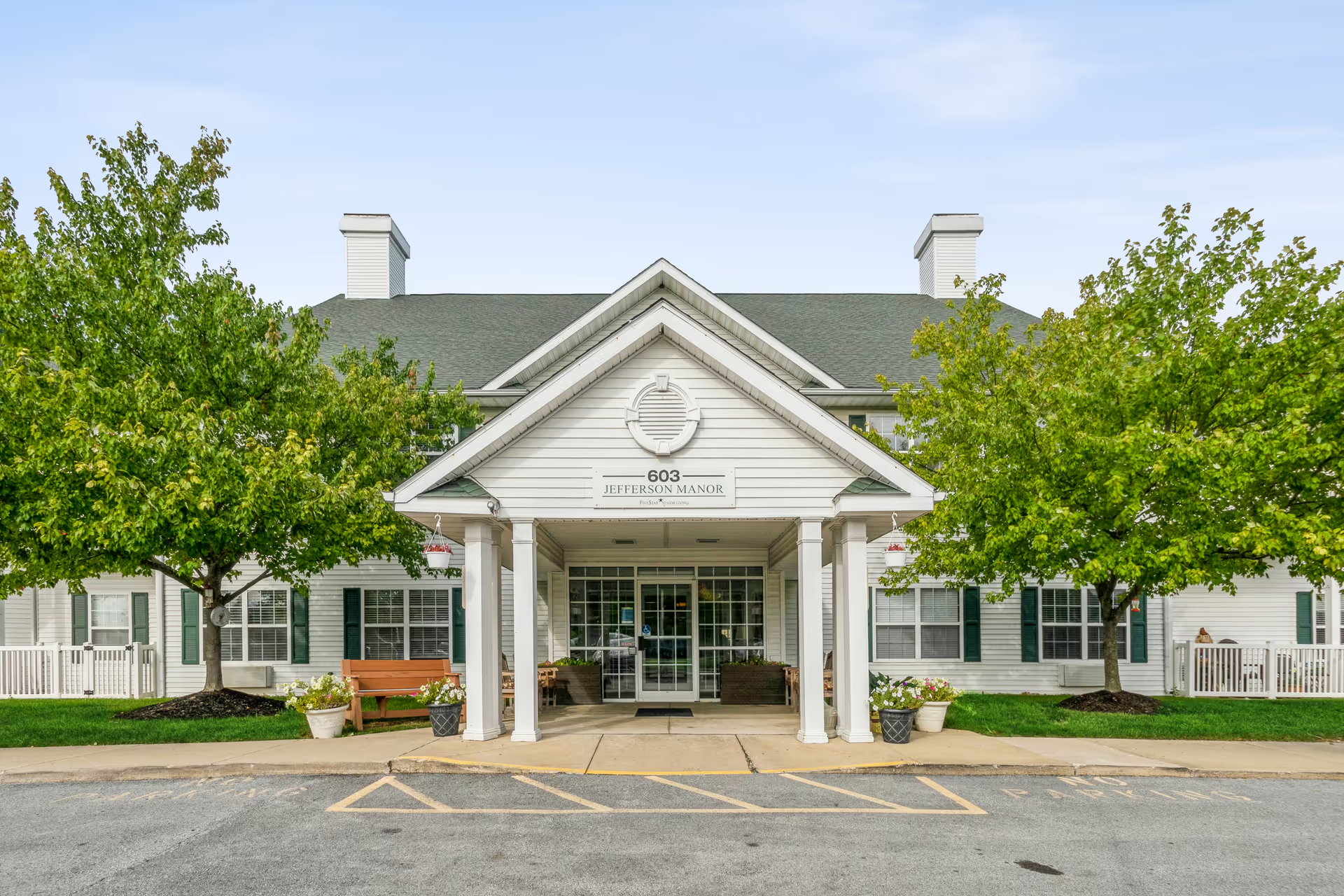
Overview: Reviews describe a polarized set of experiences at this facility. Several families and reviewers praise the direct caregiving team — nurses and CNAs are frequently described as competent, helpful, and warm, and some families characterize the care as personalized and family-like. At the same time, other reviewers report a range of operational concerns that materially affected their perception of care and safety.
Care and staff: Clinical caregiving from nursing staff and CNAs receives consistent positive mention when staff are available; families describe attentive bedside care and supportive interactions in those instances. However, a recurrent pattern is delays in responding to resident needs: extended call-light response times and slow assistance delivery were noted and contributed to family frustration. There are also concerns about coordination of care — reviewers cited inconsistent physician availability, lapses in rehabilitation oversight, and situations that required hospital transfer. These indicate variability in clinical coordination and transfer-safety practices rather than uniformly managed protocols.
Dining and activities: Comments about meals are mixed. Some reviewers found food subpar or inconsistent, and there are explicit concerns about how diabetic diets are managed, specifically around carbohydrate accounting. There is limited commentary about structured activities in the reviews provided; activity programming did not emerge as a clear strength or a dominant weakness in the available summaries.
Facilities and maintenance: Maintenance and in-room amenities emerged as practical issues for families. Examples include malfunctioning televisions and room phones, and occasional equipment failures. Cleanliness-related concerns were raised in the form of odors in certain areas and rooms, which reviewers linked to overall sanitation and comfort. These items suggest uneven upkeep of resident rooms and communal spaces.
Management, communication, and billing: A notable theme is inconsistent communication and administrative handling. Families described instances where promised follow-up or external referrals were not completed, and where staff acknowledged concerns but did not always deliver timely resolution. Billing and insurance interactions were a significant source of dissatisfaction; reviewers used terms that indicate unprofessional or adversarial communications, including mention of aggressive billing practices. Taken together, these patterns point to gaps in administrative responsiveness and financial-communication protocols.
Notable patterns and guidance for families: The aggregate picture is mixed: when caregiving staff are available and attentive, families report very positive, personalized care. Operational weaknesses — delayed responsiveness, maintenance and amenity reliability, dietary-management practices for residents with diabetes, and administrative/billing issues — appear frequently enough to be meaningful when evaluating placement. Prospective residents and families would benefit from direct, specific questions during a tour and intake: ask about average call-light response times, diabetic meal planning and carbohydrate policies, protocols for transfer and rehabilitation oversight, maintenance response processes, and examples of how billing disputes are handled. Verifying staffing levels, physician-coverage arrangements, and written follow-up procedures for referrals may help set expectations and reduce the likelihood that management or operational gaps affect a resident's experience.