Overall impression: Reviews reflect a facility with notable strengths in hands‑on caregiving and therapy services alongside operational issues tied to the physical environment and some aspects of daily maintenance. Families and visitors consistently praised the compassion and dedication of nursing staff, CNAs, therapists and culinary personnel, while also raising concerns about room comfort, sanitation, and inconsistent responsiveness from some staff members.
Care and staff: The facility is described as providing 24/7, dignity‑focused care with a multidisciplinary team (nursing, dietary, housekeeping, therapy). Long‑tenured staff and individual caregivers — including a rehabilitation nurse highlighted by name — receive strong positive feedback for attentiveness and clinical effectiveness. At the same time, reviewers describe variability in staff responsiveness and visitor assistance; interactions with certain staff members were characterized as less helpful, indicating some inconsistency in communication and frontline service practices.
Dining and activities: Dining receives generally favorable comments: meals are described as well prepared and culinary staff are viewed positively. The facility appears to offer regular activities and staff support to help residents participate; reviewers noted staff assistance getting residents to activities and an overall friendly atmosphere around engagement opportunities.
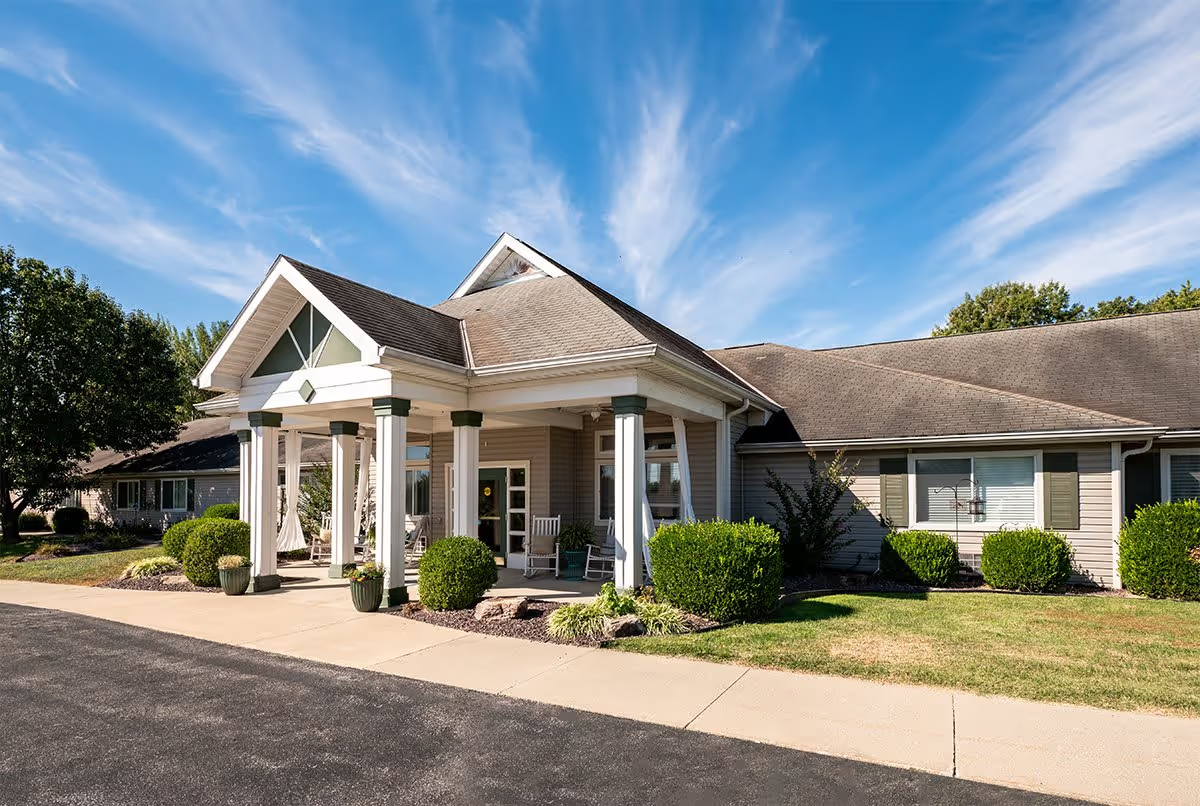
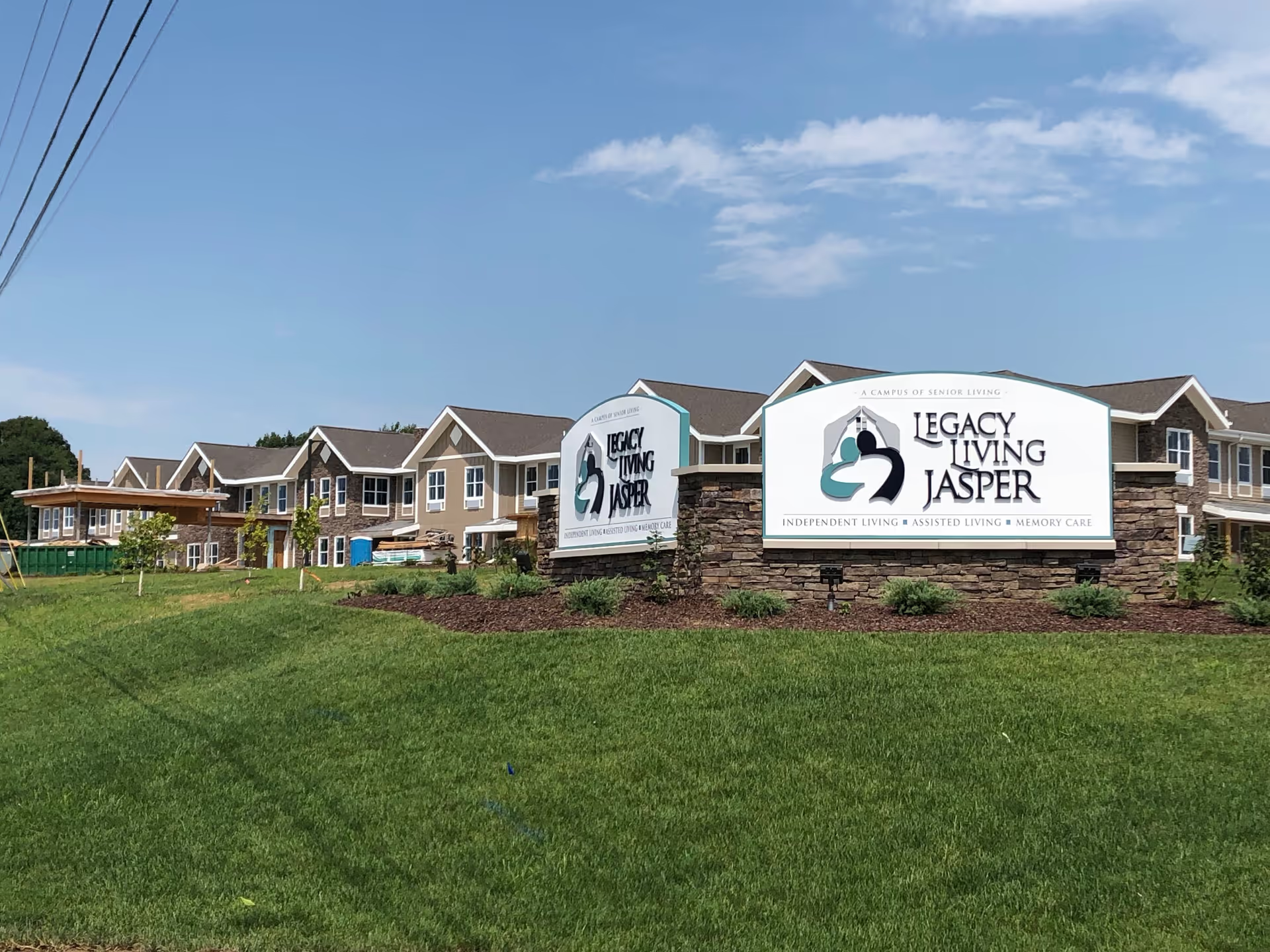
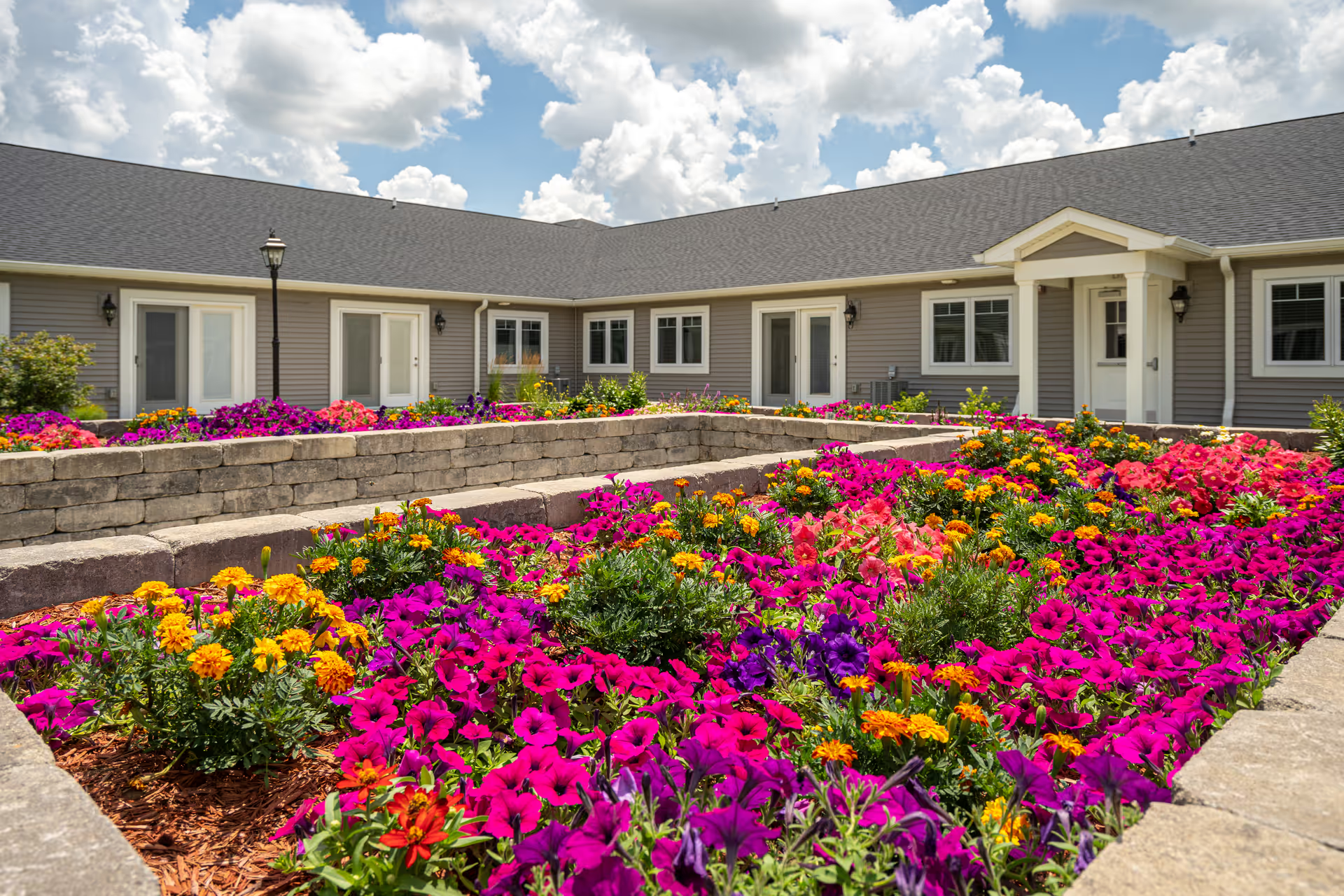
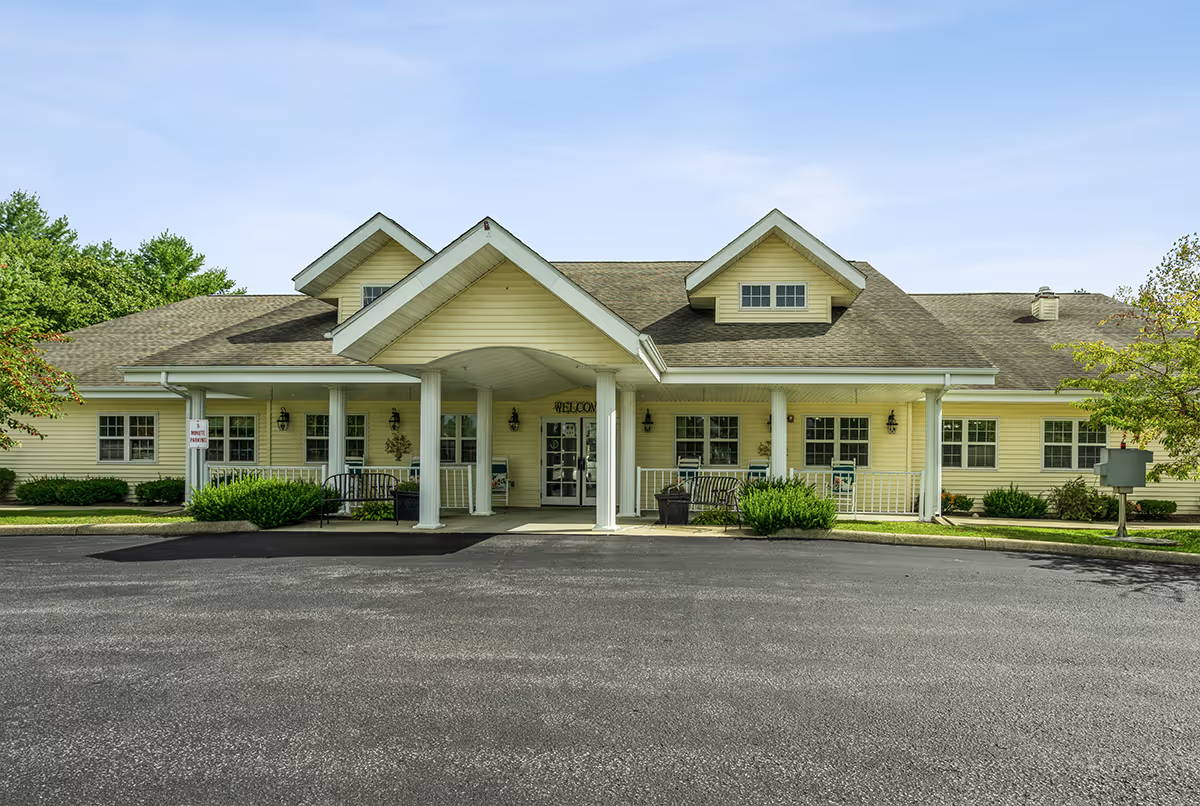
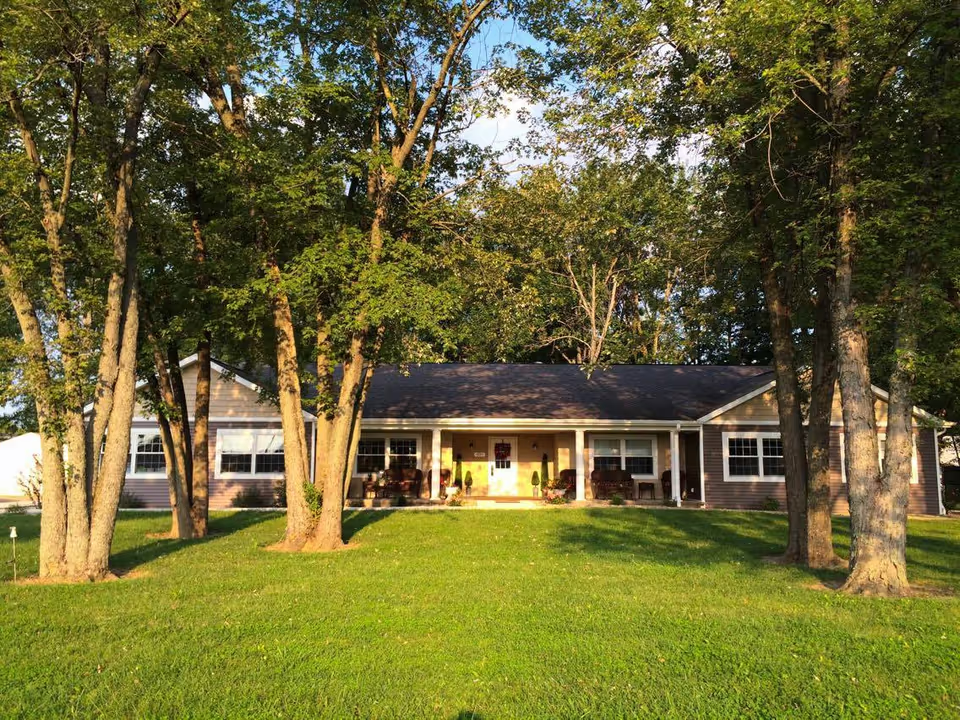
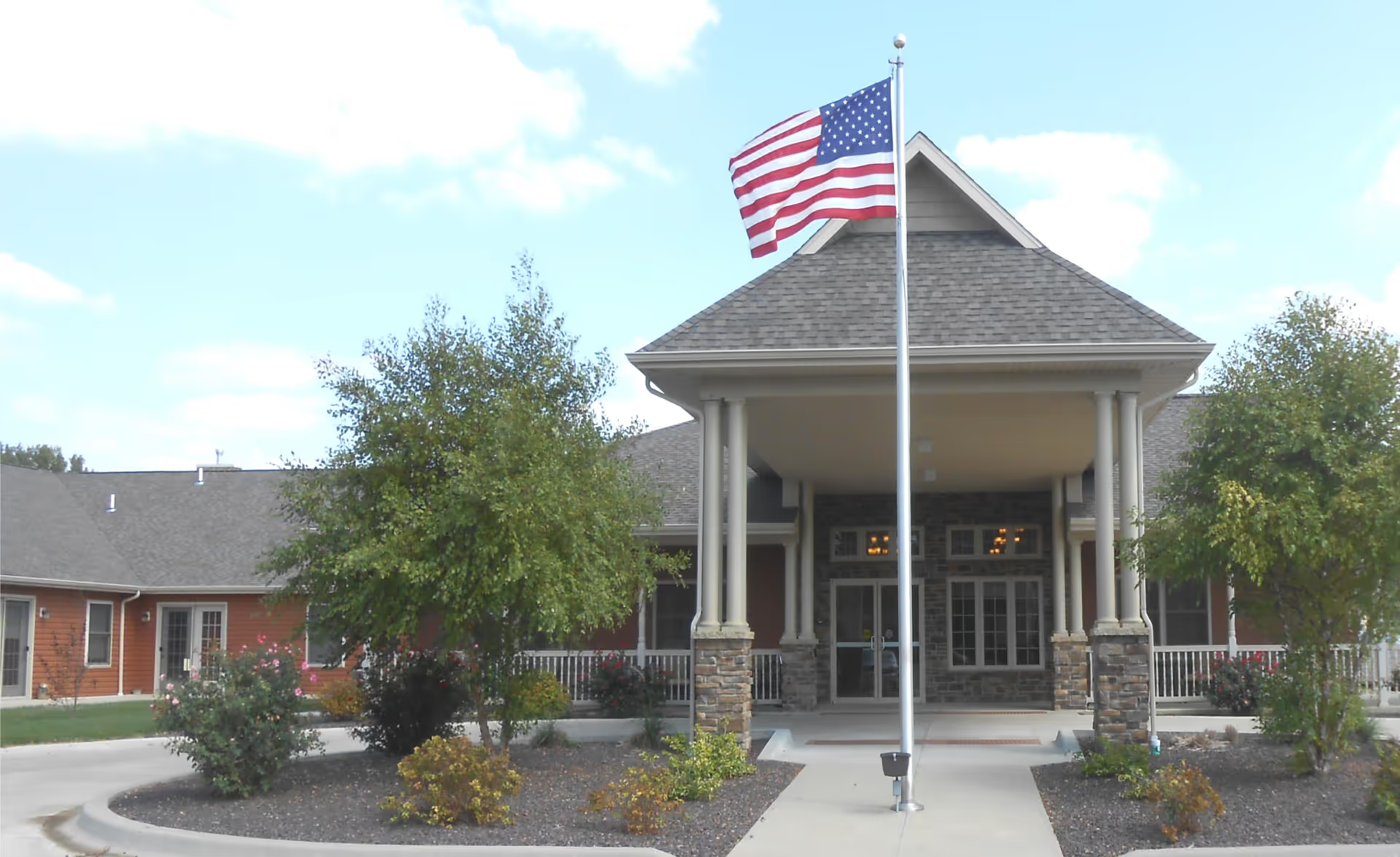
Facilities and maintenance: The property is undergoing renovations and many reviewers praised recent improvements to walls, floors and common areas as well as an attractive courtyard and wooded views. However, older resident rooms and shared two‑person layouts were described as cramped, with limited personal storage and concerns about thermal comfort. Several reviewers raised sanitation and odor concerns in resident rooms and some common areas, and mentioned furniture and bedding maintenance issues, which point to gaps in routine housekeeping and incontinence‑care processes.
Management and patterns: Taken together, the commentary suggests a strong people‑centered culture in clinical and therapy areas but operational weaknesses in environmental upkeep and consistency of frontline service. Renovation activity shows management attention to the physical plant, but persistent comments about cleanliness, room comfort and inconsistent visitor support indicate areas needing continued focus. Prospective residents and families may benefit from touring at different times of day, asking about room configurations and storage options, reviewing current housekeeping and incontinence‑care protocols, and inquiring about staffing patterns and renovation timelines to assess how the facility’s strengths align with their priorities.