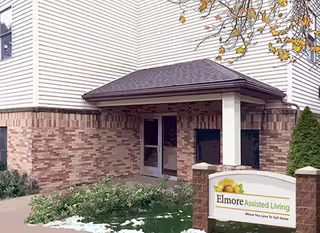
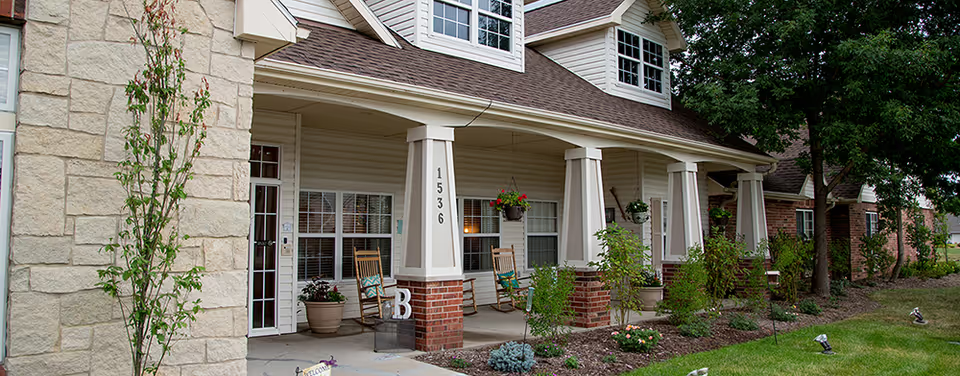
Overall impression: Reviews present a largely positive picture of daily life at the facility, with recurring praise for the staff’s demeanor, individualized care, dining experience, and the physical environment. Many families and residents describe compassionate, knowledgeable caregivers, a clean and comfortable building, and an atmosphere that is peaceful and respectful. At the same time, a minority of accounts raise operational concerns that point to inconsistency rather than a single uniform experience.
Care quality and staff: The dominant theme is that staff are friendly, professional, and attentive, with several reviewers noting improved health and well-being after admission. Person-centered care and respectful interactions are repeatedly emphasized; staff are described as treating residents like guests and providing compassionate daily support. However, other reviewers describe lapses in responsiveness and uneven attention across shifts. These contrasting comments suggest variability in how care is delivered at different times or under different staffing conditions rather than a consistent standard across the facility.
Dining and activities: Dining is a clear strength in the reviews provided. Evening meals are described as enjoyable and servers as attentive, and the dining experience contributes to residents feeling welcomed. Review language around activities is limited, but the facility is described as having a comfortable, uplifting atmosphere, which may reflect adequate social and recreational programming alongside day-to-day care.
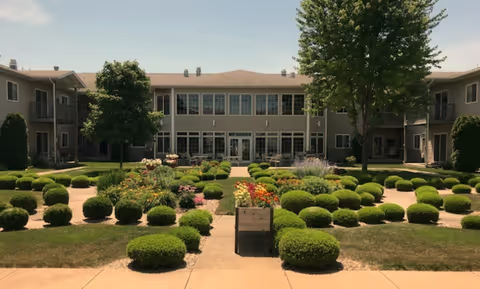
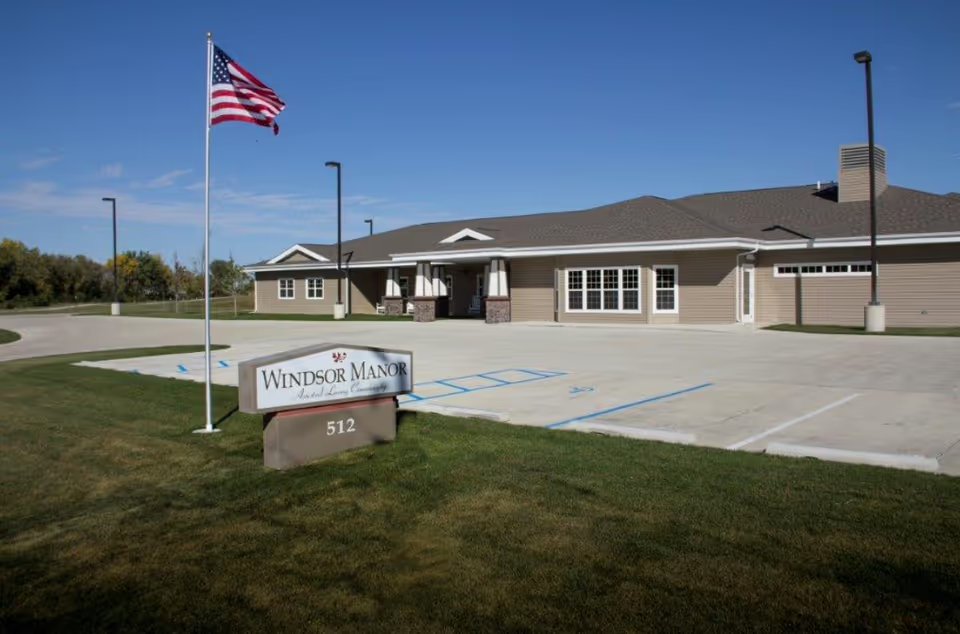
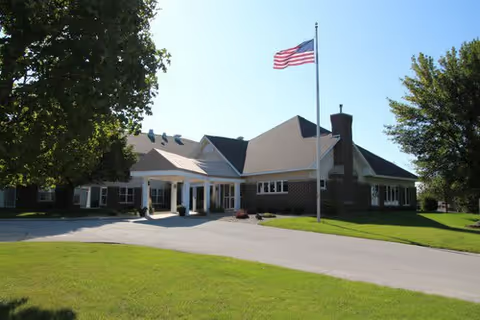
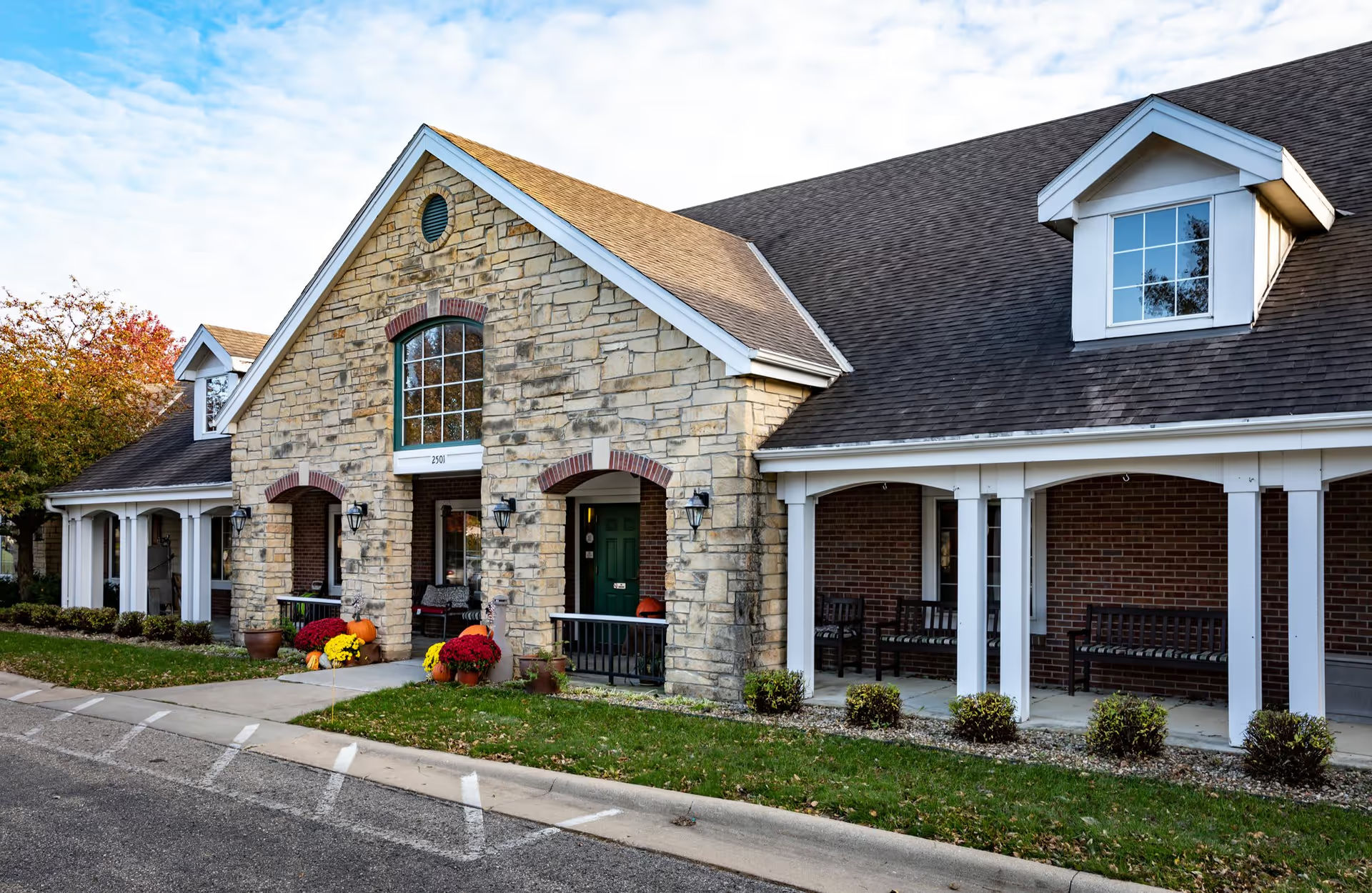
Facilities and cleanliness: Multiple reviewers describe the building as clean and odor-free, and the environment as comfortable and peaceful. A few comments raise housekeeping or sanitation inconsistencies; these appear to be isolated relative to the overall cleanliness praise but nevertheless point to variability in housekeeping standards or execution in some areas or shifts.
Management and policies: Administrative responsiveness elicits mixed feedback. Some families find administration supportive, while others describe delays in management response and communication. There is at least one serious concern about restrictive room-access practices; framed as a facility-level issue, this suggests that policies or their enforcement around resident movement and room access may be unclear or applied inconsistently. Together with mentions of shift differences, these items indicate areas where clearer policies and more consistent communication could reduce family and resident anxiety.
Notable patterns and guidance for prospective families: The overall pattern is one of strong interpersonal care and a well-maintained environment, with intermittent operational inconsistencies—primarily around responsiveness, housekeeping consistency, and room-access policies. Prospective residents and family members may wish to observe multiple shifts, ask about staffing patterns and ratios, request clarification on room-access and supervision policies, and review housekeeping schedules and communication protocols to ensure expectations align with observed practice. These steps can help confirm whether the generally positive experiences described align with an individual’s needs and priorities.