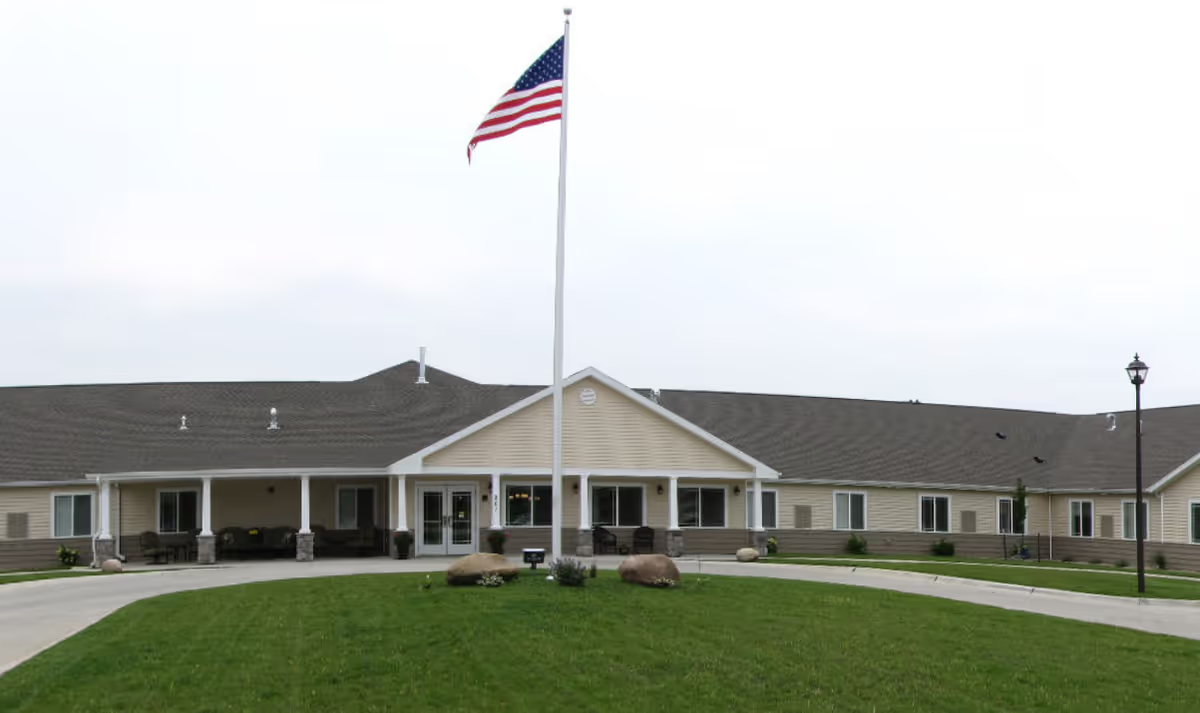
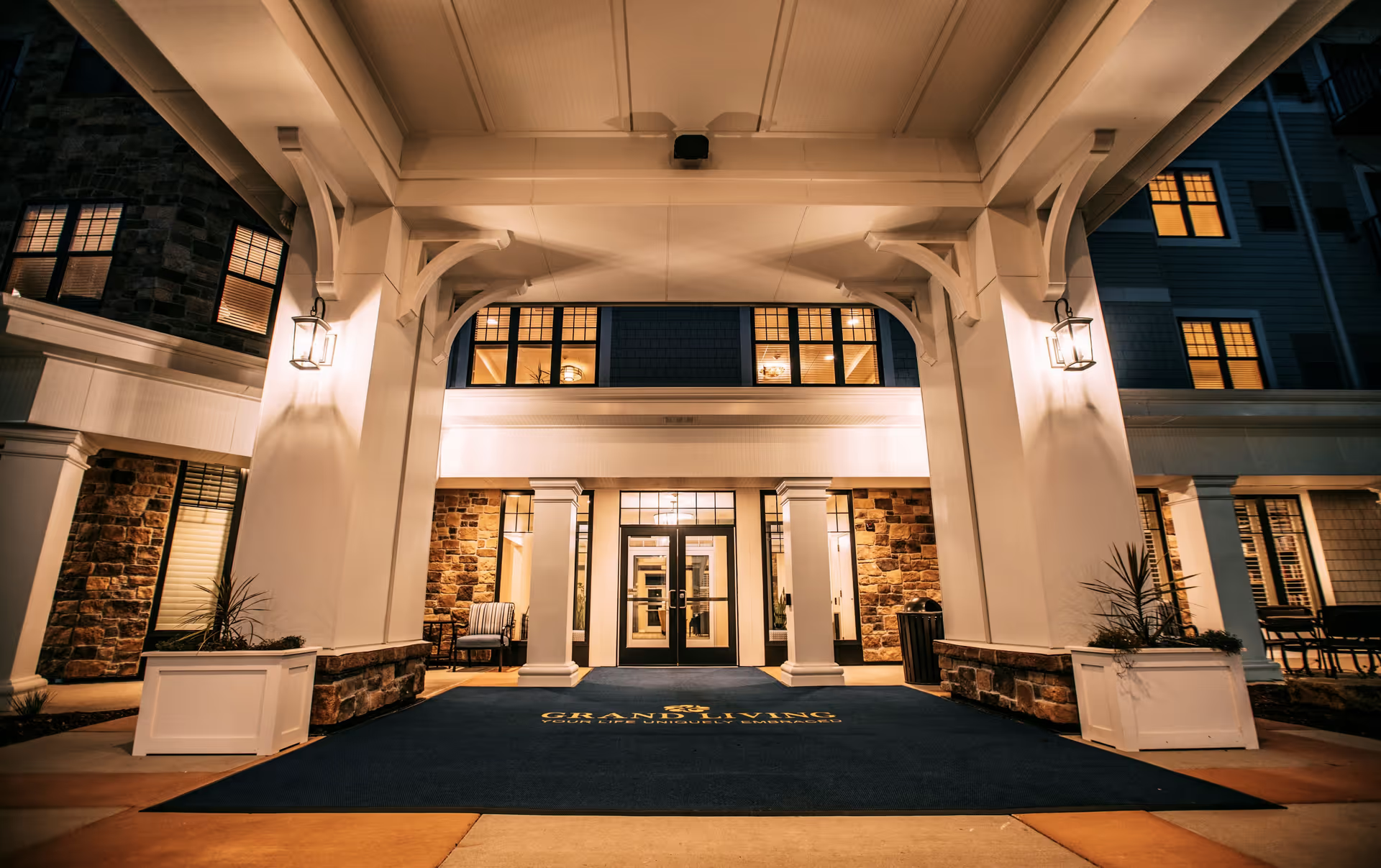
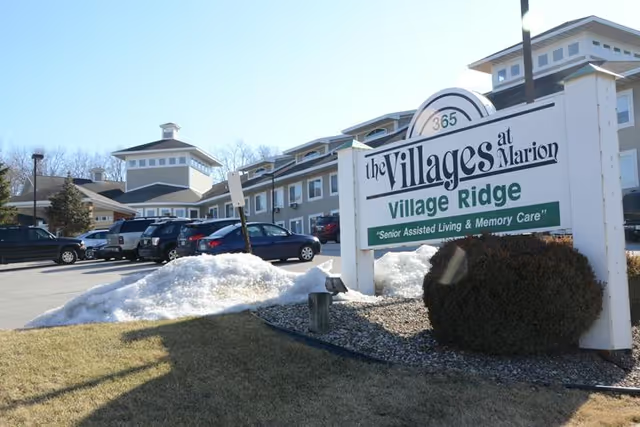
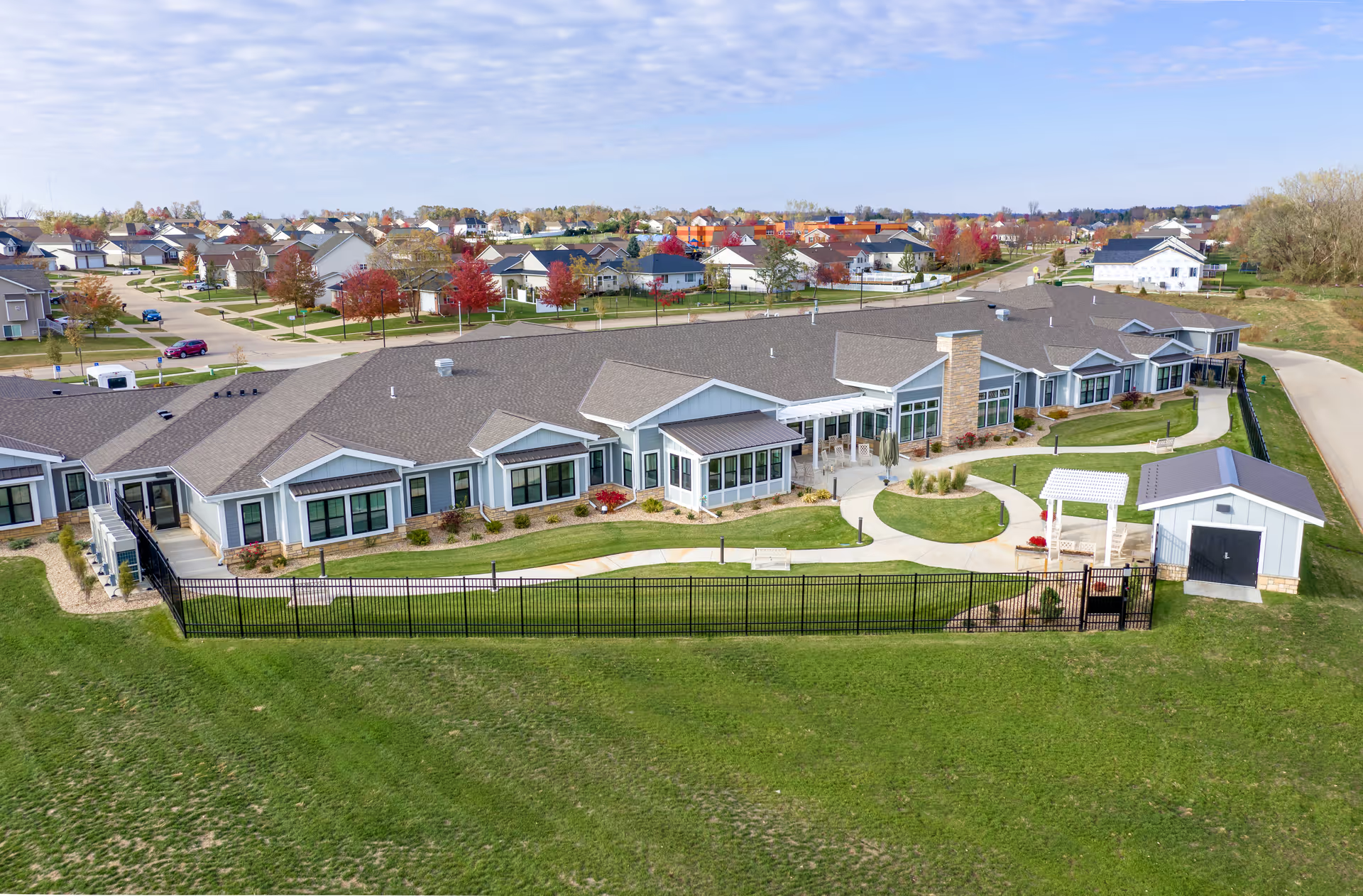
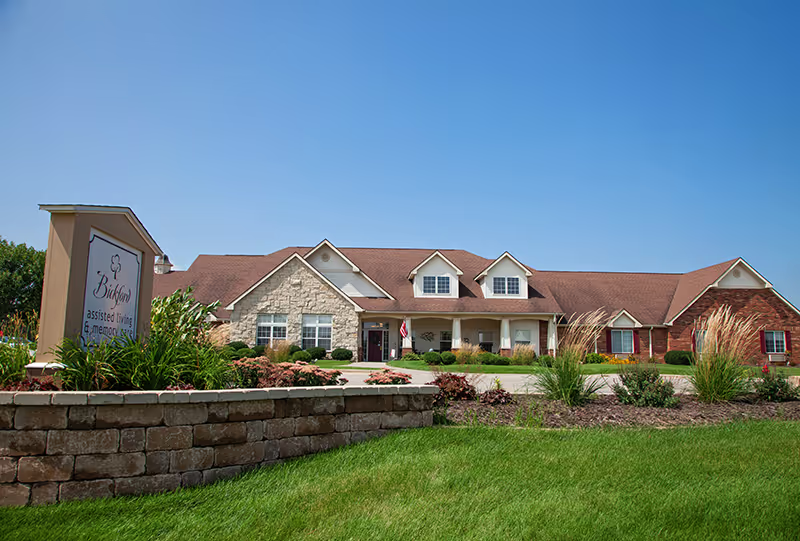
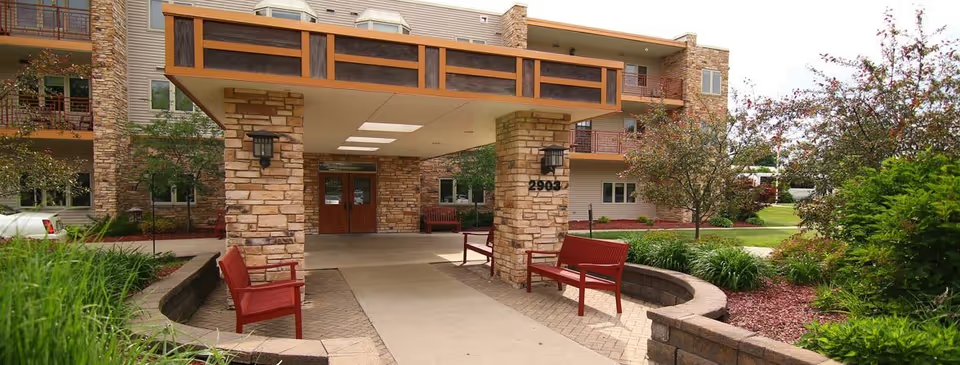
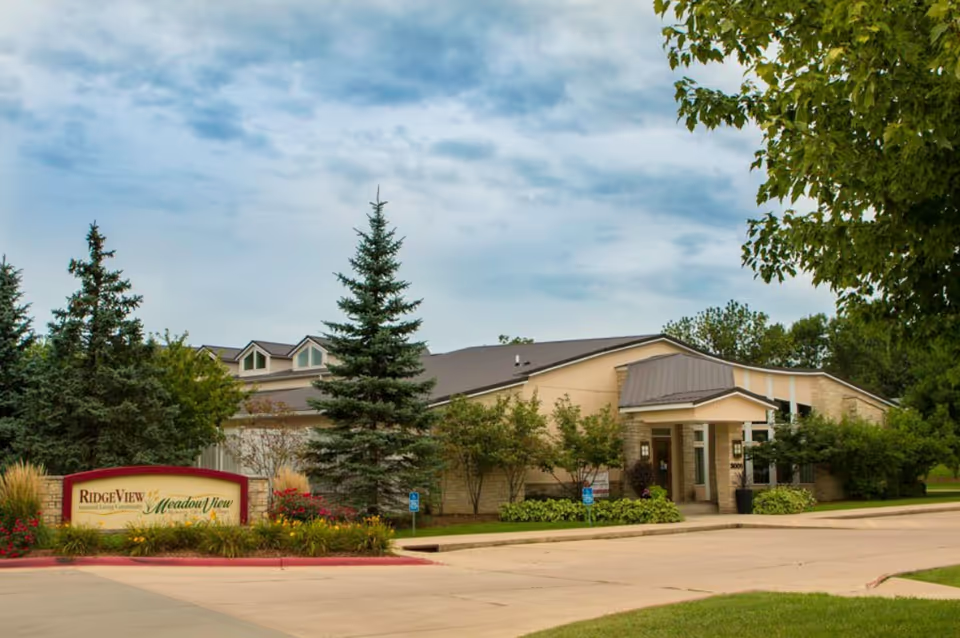
Overall impression: The Keystones of Cedar Rapids presents as an upscale, well‑appointed senior community with broad amenities and a strong emphasis on resident socialization. Across descriptions, the facility is consistently praised for its cleanliness, attractive decor, and variety of common spaces — courtyards, sunrooms, a library, theater, activity rooms, and a pool/whirlpool and fitness area. Many families and residents characterize the community atmosphere as welcoming and family‑oriented, and management and tour staff are often described as responsive and helpful.
Care and staff: Staffing and caregiving receive frequent commendation. Reviewers describe staff and nursing personnel as compassionate, attentive, and capable of providing personalized care, including one‑on‑one attention. At the same time, there are recurrent notes about inconsistencies in coordination and communication — for example, misunderstandings about therapy services and occasional complaints about responsiveness. These point to a pattern where clinical capability is generally strong but communication and follow‑through between clinical teams, ancillary services, and families may need reinforcement.
Dining: Dining is a mixed but generally positive area. The community offers multiple meal choices, private dining spaces, and daily entrée selections; many reviewers praised the quantity and balance of options. However, there are repeated comments about inconsistent food quality and serving temperatures, and some residents would prefer more buffet- or restaurant‑style flexibility. Prospective residents should taste meals during a visit and ask about menu rotation, special‑diet handling, and meal‑service formats.
Activities and social life: Programming is a clear strength. The Keystones provides a varied calendar of activities including arts, outings, religious observances, exercise, movies, and social events. Transportation for errands and appointments is available and well regarded. These offerings contribute to reports of residents being socially engaged and satisfied with opportunities for recreation and community connection.
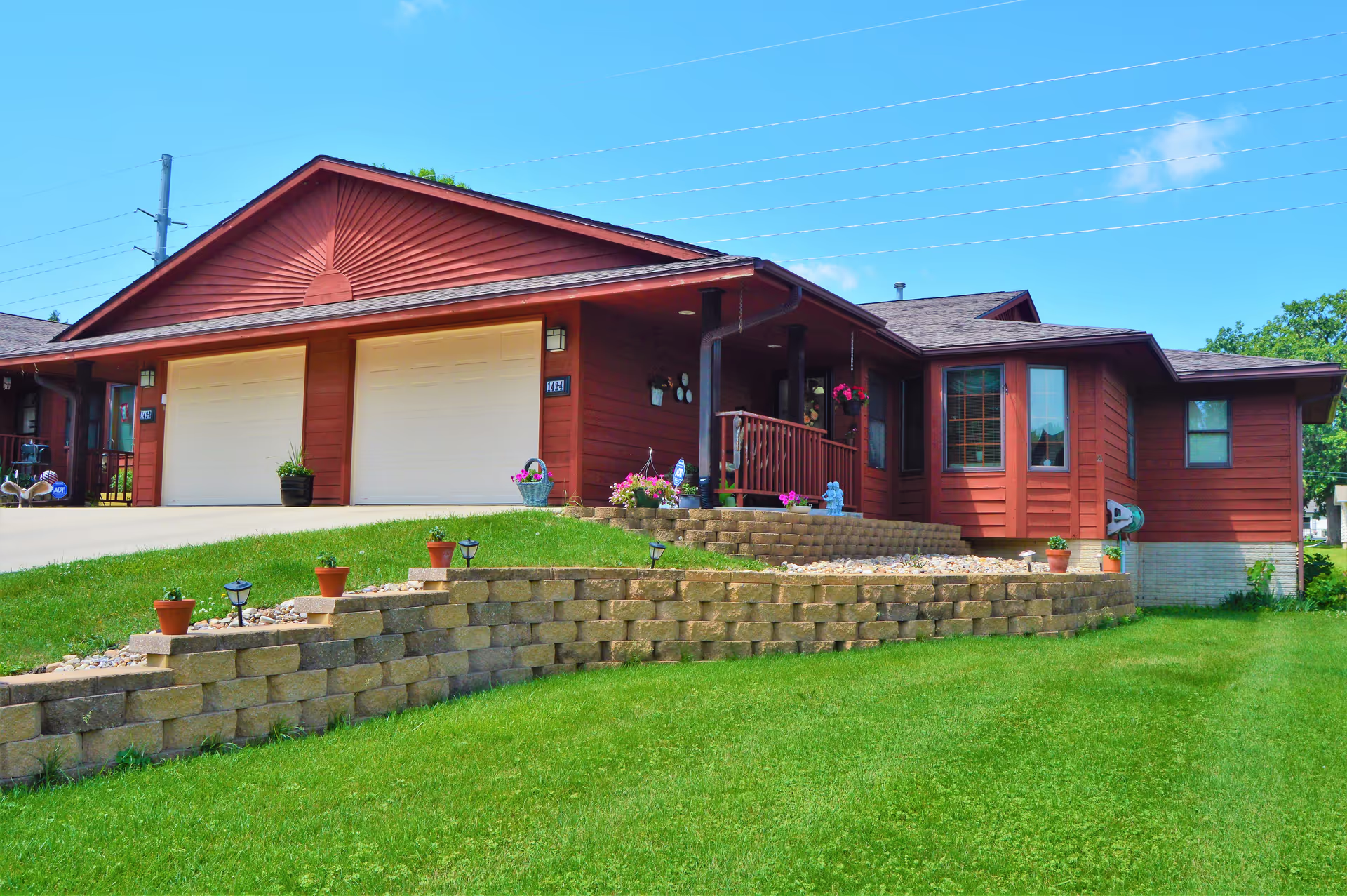
Accommodations and amenities: Apartment types vary considerably. One‑bedroom units with full kitchens, in‑unit washers/dryers, balconies, and generous living space are described positively, while studio units and some memory‑care rooms are noted as noticeably smaller. The grounds and outdoor spaces are well maintained, and guest rooms are available for visitors. Families should verify unit sizes and layouts during tours to match expectations and needs.
Management and operations: Leadership and customer service at move‑in and during tours are frequently noted as strengths; staff often facilitate moves and provide clear materials. Operational weaknesses raised across accounts include billing mistakes, a somewhat complex pricing structure (including point‑based or add‑on charges), and occasional administrative inconsistencies. Noise levels in communal areas are also mentioned as a consideration for residents preferring quieter environments.
Memory care: Memory‑care services are available on site, but impressions vary. Some accounts describe appropriate clinical oversight and good staffing, while others describe the memory‑care wing as smaller or less vibrant. This suggests variability in the physical environment and the perceived ambiance of that unit; families evaluating memory care should request a dedicated tour of that wing and ask about staffing ratios, programming, and unit size.
Bottom line: Keystones of Cedar Rapids appears to offer a high level of amenities, a strong activity program, and a caring staff within a clean, well‑maintained campus. Key tradeoffs to consider are cost and pricing complexity, unit size variability (especially for studios and memory care), and occasional lapses in communication or billing accuracy. Prospective residents and families would benefit from an in‑person meal sampling, confirmation of unit dimensions and finishes, a review of the contract/pricing structure, and specific questions about clinical communication protocols and billing practices prior to move‑in.