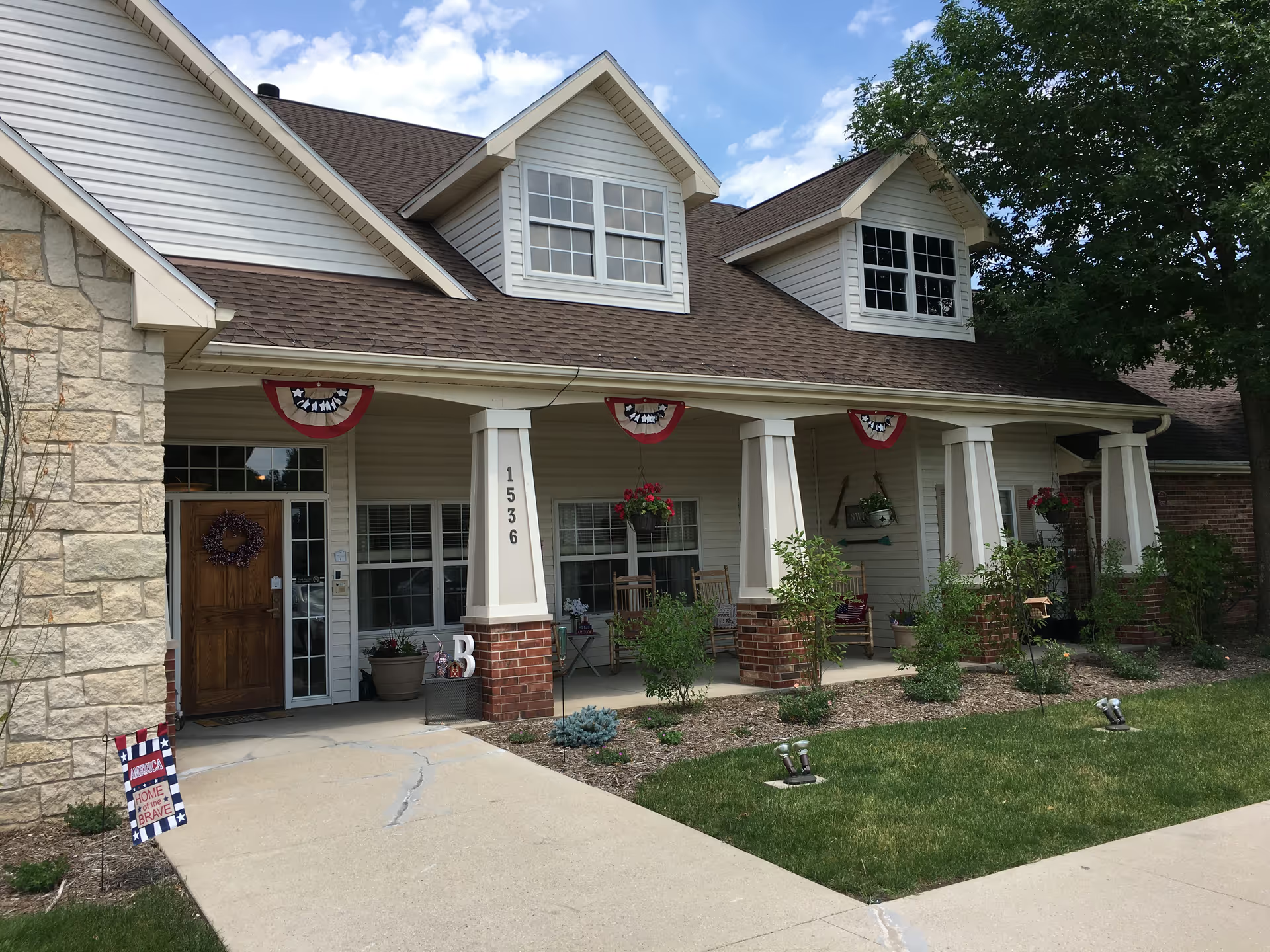
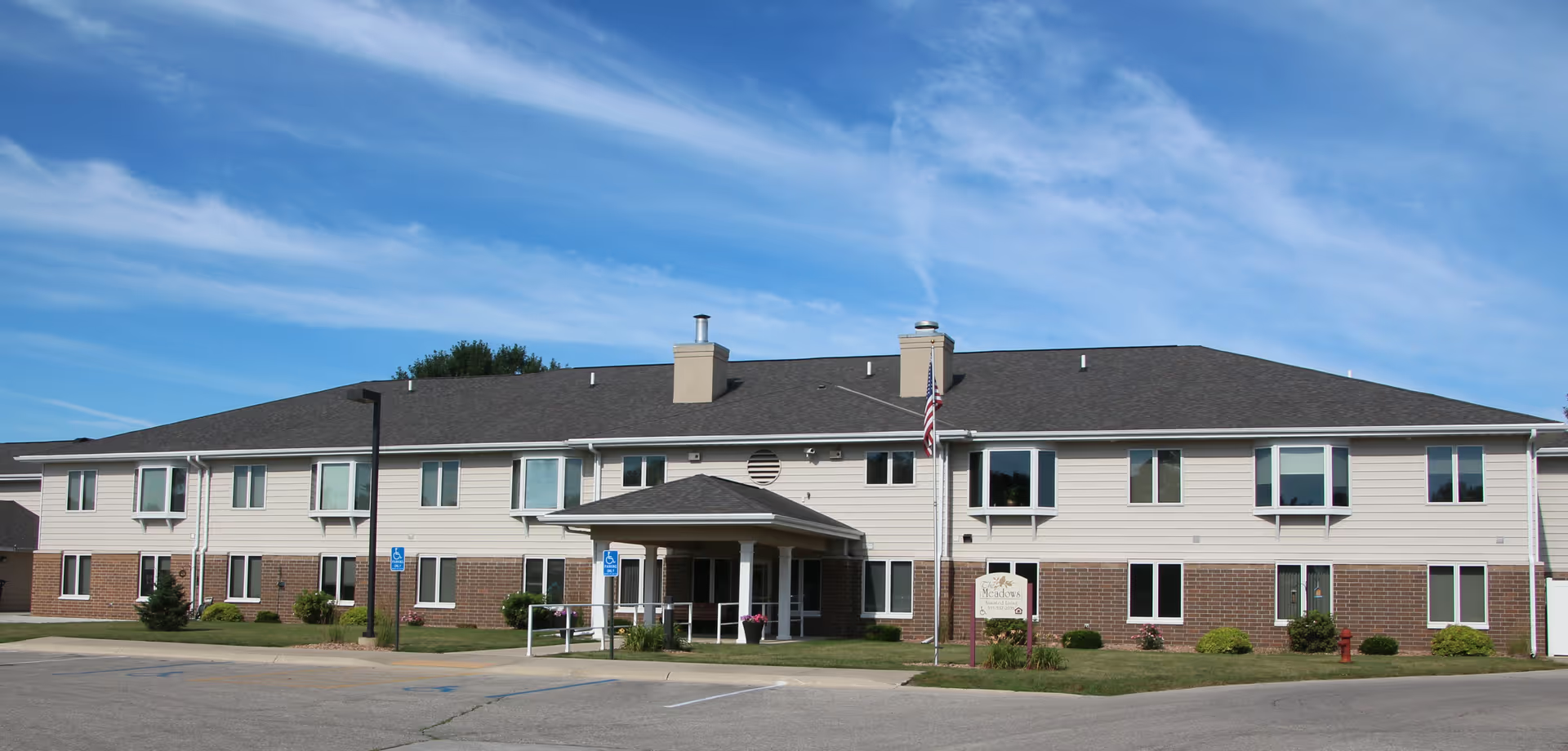
Friendship Haven presents as a large, well-resourced senior living campus with a wide range of housing and care options. The facility offers independent living townhomes, assisted living units, and skilled nursing/end-of-life care, supporting an age-in-place model. The physical environment is frequently described as attractive, spacious, and accessible: apartment-style units with private bathrooms, kitchenettes, large closets, wide doorways, and roomy common areas. The campus features a broad roster of amenities including an indoor pool and whirlpool, gym and spa, rehabilitation and physical therapy rooms, salon, library, coffee shop/gift shop, chapel, party and conference rooms, and outdoor gathering spaces.
Clinical and direct-care strengths are repeatedly emphasized. Many reviewers describe staff as compassionate, well-trained, and resident-centered, and families commonly cite attentive caregiving and good clinical outcomes. The facility is noted for fostering socialization and community engagement through numerous programs — water aerobics, line dancing, balance and brain classes, writing groups, bingo, and other activities — which appear to support resident well-being and social connection. Proximity to local medical services is an additional practical advantage cited by families.
Dining and activity programming are generally highlighted as robust, with many residents enjoying varied menus and accommodated diet preferences. At the same time, dining experiences are not uniformly consistent: while some families praise excellent food and variety, others describe dissatisfaction with specific meals. Financial transparency is an important operational concern; reviewers note a high cost of care, buy-in requirements, and instances of additional charges (for meals, nursing check-ins, or other services) that may not be fully clear at move-in.
Operationally, several recurrent issues emerge. Staffing instability — including turnover and COVID-era staffing pressures — is associated with reports of rushed staff, variability in responsiveness, and intermittent declines in continuity of care. Communication gaps between families and management are also described, with delayed responses and occasional unclear explanations for care delays. Some reviewers note inconsistent follow-through on family care preferences. There are also sanitation and odor concerns cited in certain common areas, which suggests room for improvement in environmental services. More serious allegations around staff theft or financial misconduct are present in a limited number of accounts; these are significant operational risks and would warrant direct inquiry by prospective families.
In summary, Friendship Haven appears to offer a comprehensive, amenity-rich environment and many demonstrable strengths in clinical care, programming, and campus maintenance. Prospective residents and families should weigh the facility’s substantial offerings against its higher cost and seek clear, written explanations of fee structures, ancillary charges, staffing patterns, and communication protocols. Visiting the campus, meeting care staff, reviewing staffing ratios, and asking about how family requests and incident concerns are tracked will help clarify whether the facility’s strengths align with an individual’s priorities and risk tolerance.