Overall impression: Reviews convey a generally positive experience with Accura HealthCare of New Hampton, particularly for short-term rehabilitation and therapy. Several accounts emphasize effective therapy services (including post-stroke rehabilitation), consistent engagement through activities, and a supportive community atmosphere that contributes to residents’ quality of life.
Care quality and clinical services: Reviewers highlighted the facility’s rehabilitative focus and the quality of care during therapy stays. Descriptions of “good and loving care” and specific mentions of rehabilitation after a stroke suggest the facility is able to provide appropriate therapeutic supports and that residents experience meaningful functional attention during stays.
Staff: Staff are consistently described as cordial and accommodating; many comments single out compassionate and helpful caregivers who contribute to a positive day-to-day environment. At the same time, there is evidence of variability in staff conduct: isolated mentions of unhelpful interactions and requests for a more efficient help-response process indicate that staff performance is uneven in some shifts or units. Addressing those inconsistencies through targeted training and clearer escalation protocols could improve family and resident confidence.
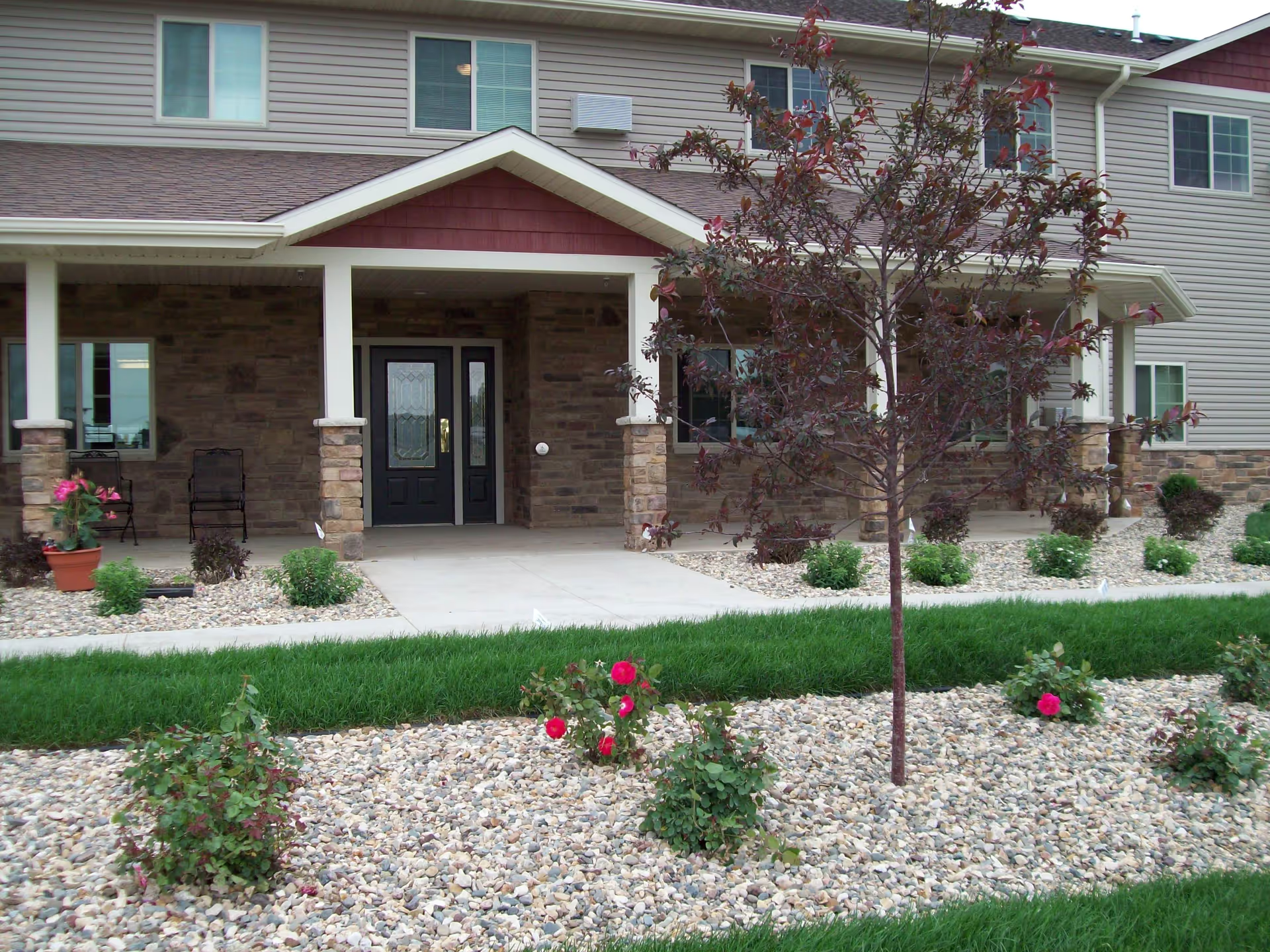
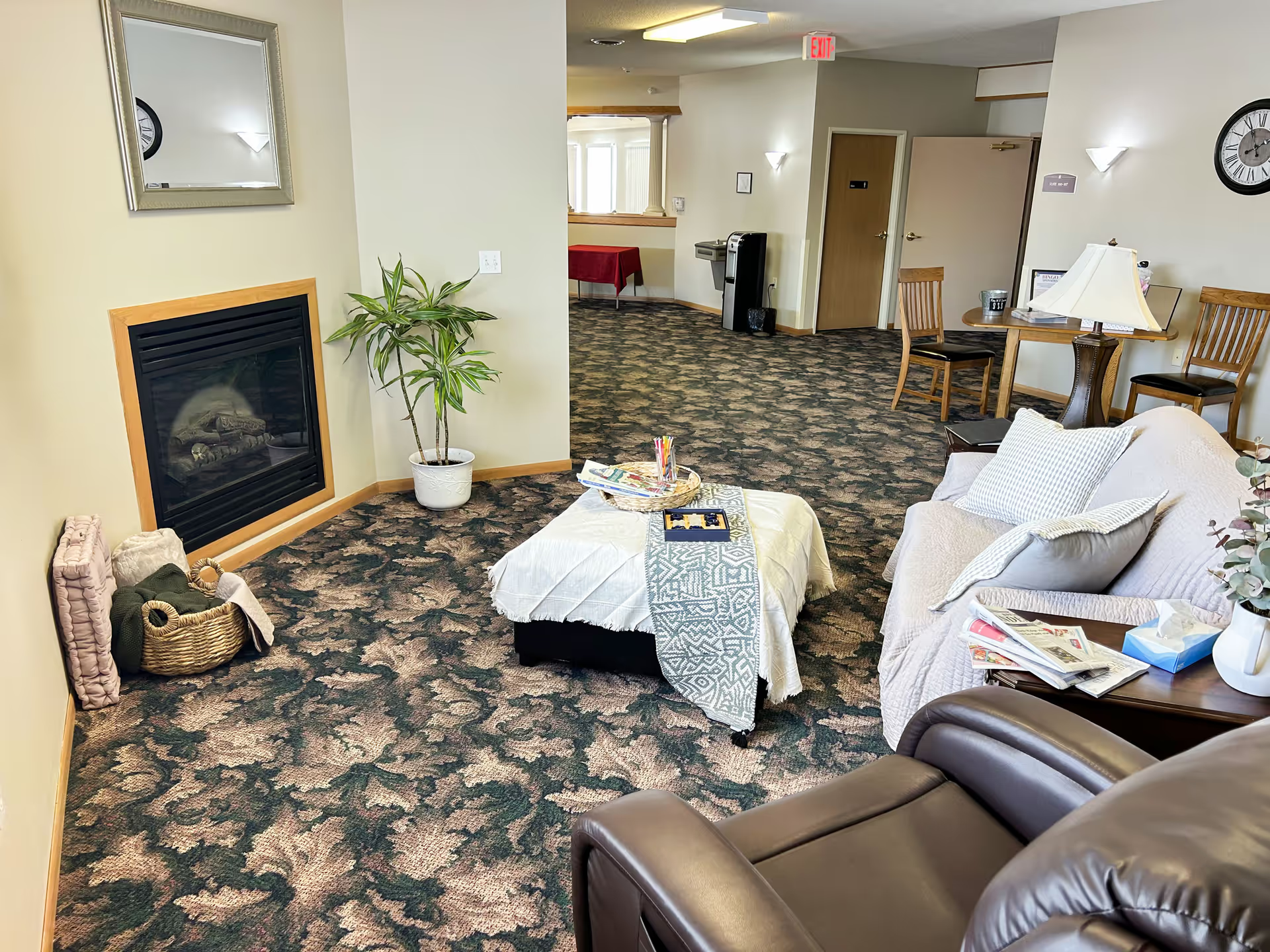
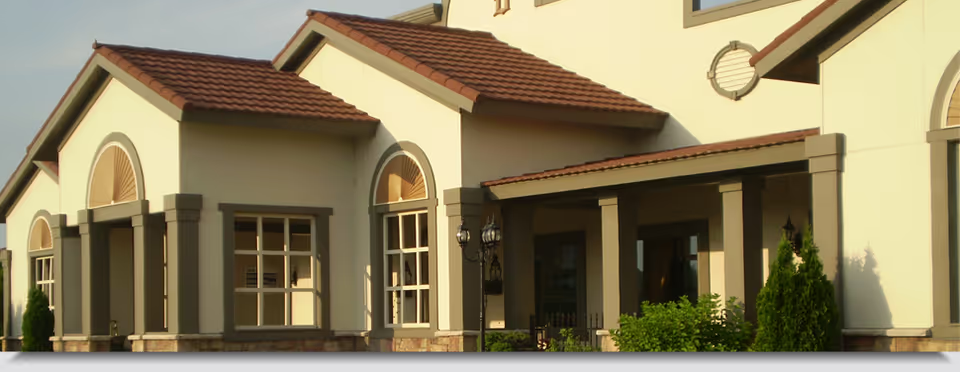
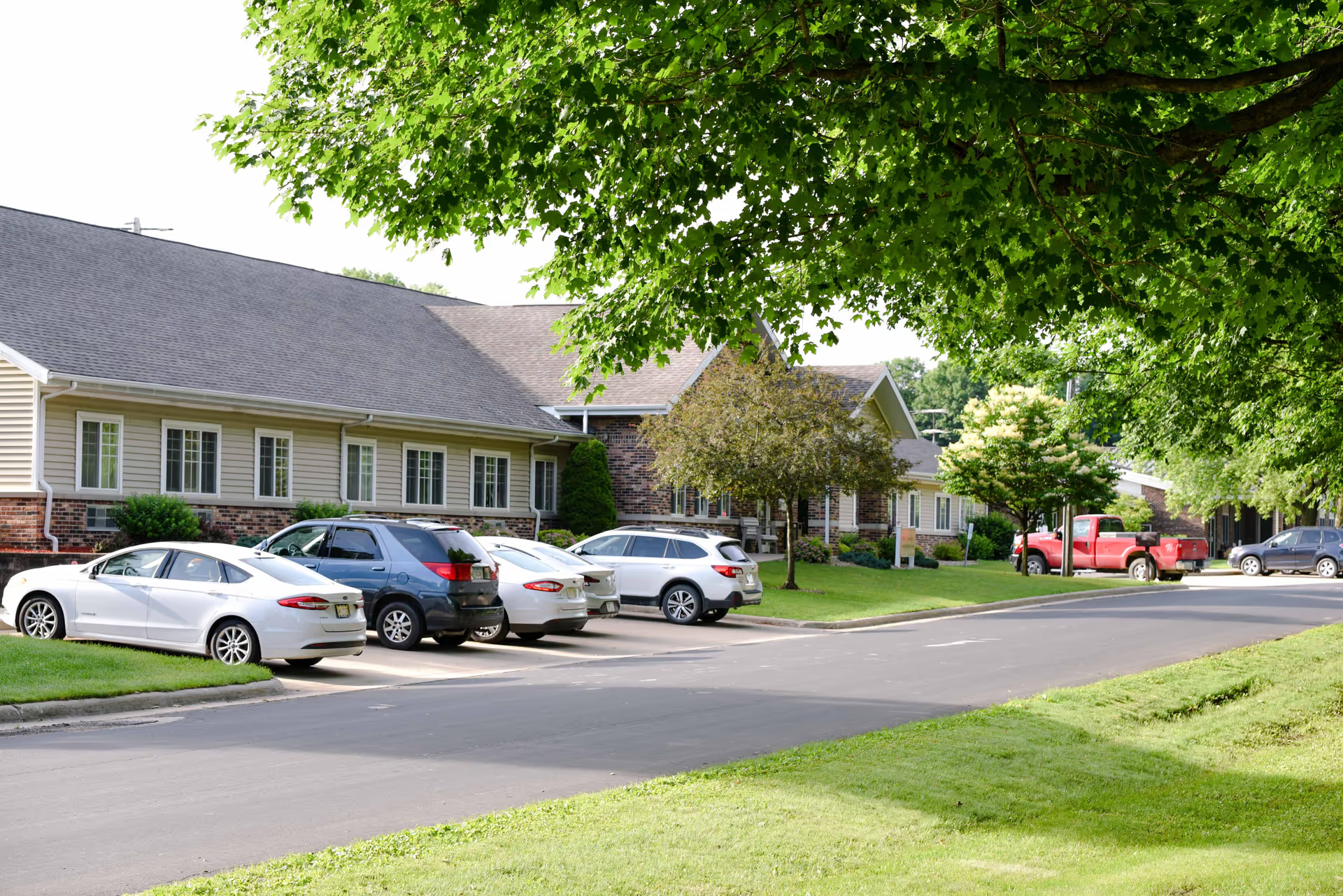
Dining and facilities: Review summaries did not provide substantive detail about dining quality or the condition of physical facilities. The absence of commentary on these areas suggests they were not prominent concerns in the sampled feedback, but prospective families should request current menus and a tour to assess those elements directly.
Activities and community life: Consistent activities programming and a perceived strong community were recurring positives. Reviewers credited regular engagement opportunities with supporting a good quality of life, which is relevant for both short-term rehabilitation stays and longer-term placement.
Management and operational patterns: The primary operational concern is responsiveness to resident requests and the efficiency of help-request systems. This aligns with the reported variability in staff helpfulness and suggests an opportunity for management to standardize call-response procedures, reinforce accountability, and monitor response times. Overall, the pattern in the feedback is one of a well-regarded rehabilitation-oriented facility with strong interpersonal strengths, tempered by periodic operational and responsiveness gaps that leadership could address to create a more uniformly positive experience.