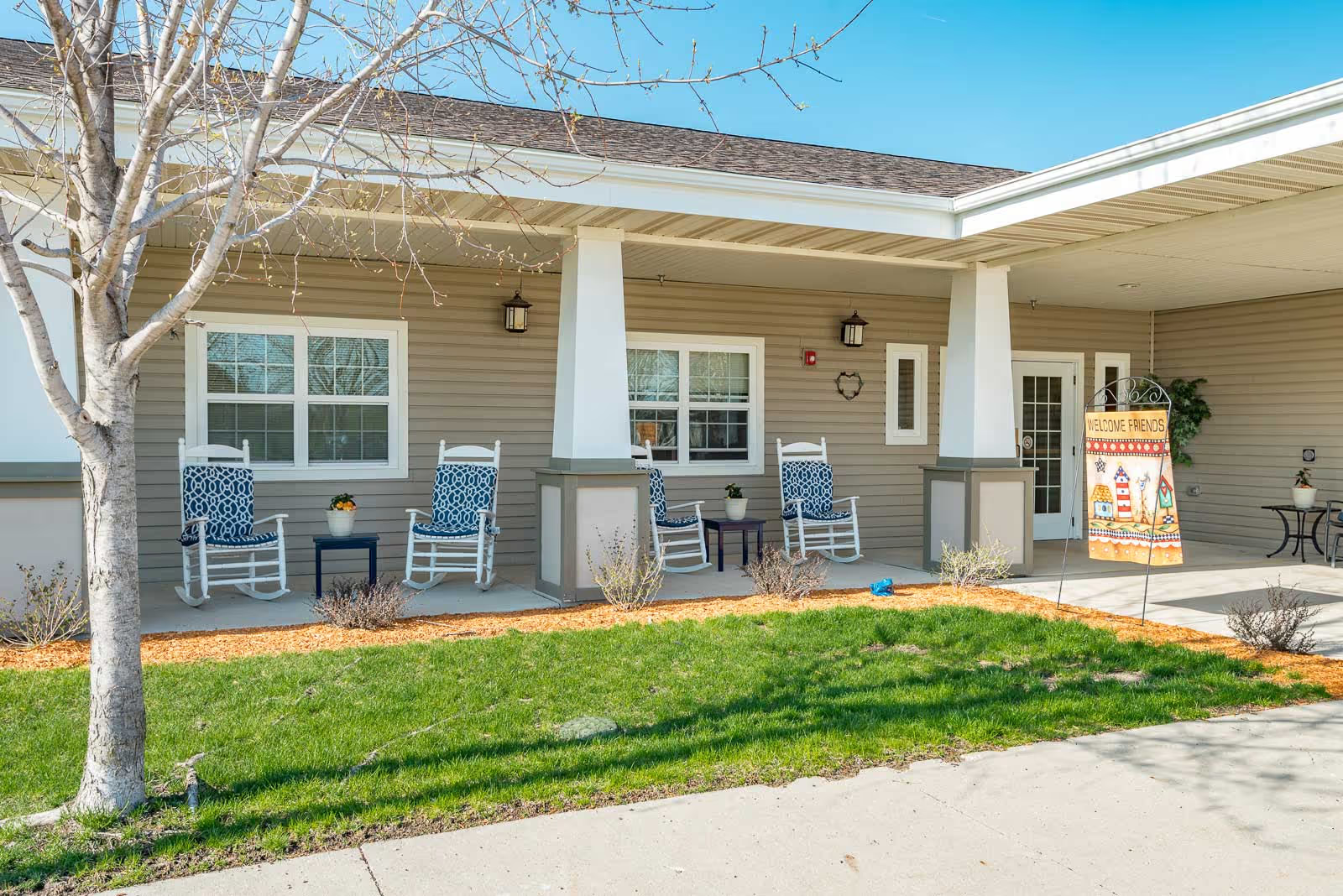
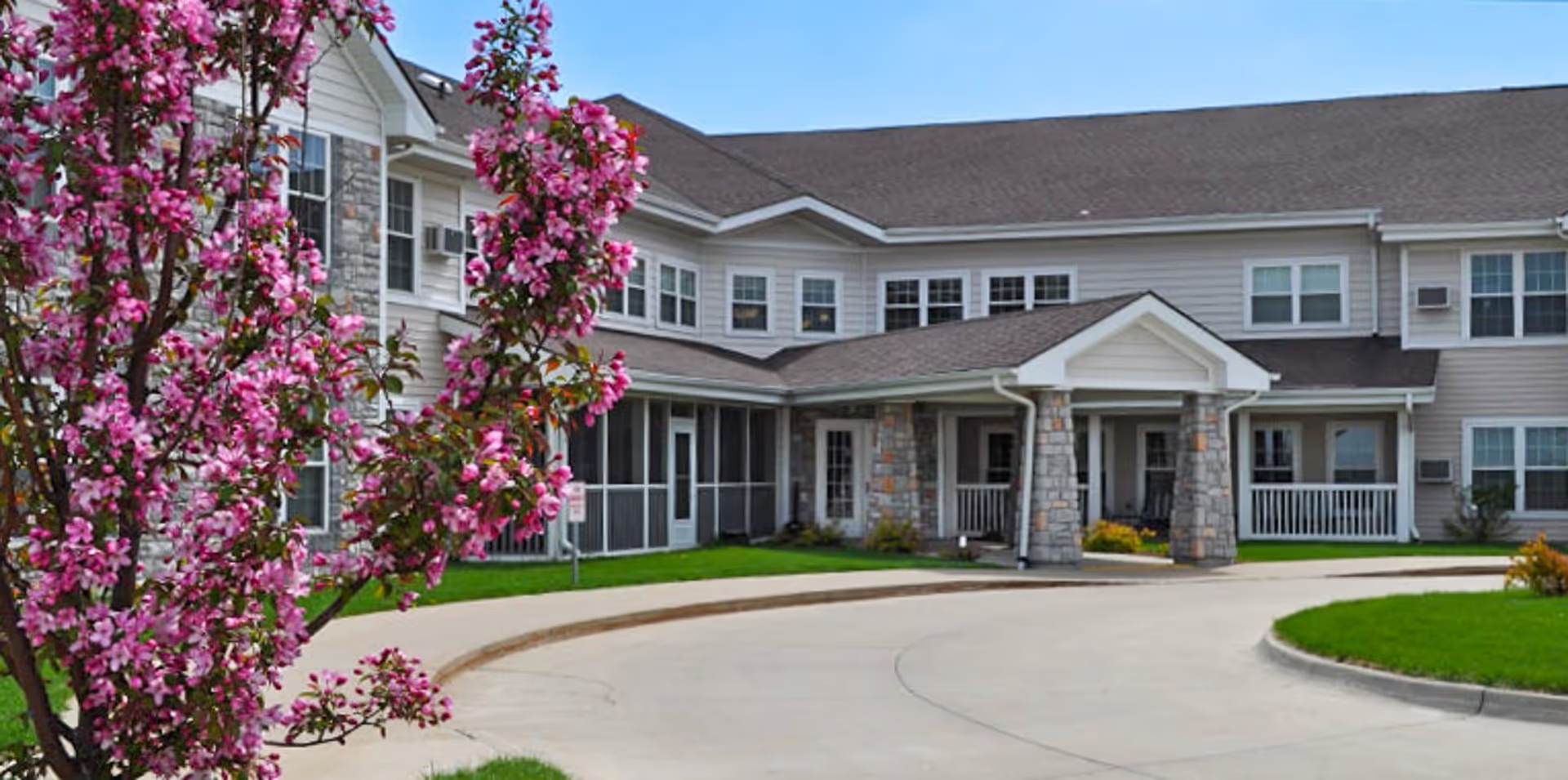
The reviews describe a facility with several clear strengths and persistent operational challenges. Strengths center on person-centered aspects of the community: many families and residents praised caregiving staff for being compassionate, respectful, and attentive, and there are multiple mentions of staff who engage residents by name. The campus is organized into small, apartment-style neighborhoods with home-like common areas, an on-site chapel and regular church services, and a dedicated memory-care unit for dementia needs. Dining is frequently described as made-to-order with intimate, house-level meal service, and the community accepts Medicaid. Clinical supports include an on-site nurse practitioner, lab services (bloodwork), dietitian involvement, and on-site skilled therapy resources and physical-therapy spaces.
However, a consistent pattern across reviews points to operational weaknesses that affect day-to-day care. Staffing instability and a reliance on agency personnel are prominent themes; reviewers cited short staffing and overworked direct-care staff, which corresponded with long response times to call lights and assistance requests. Therapy outcomes were described as mixed — some stays included effective rehabilitation while others did not — suggesting variability in therapy continuity or staffing that influences rehabilitative success. Several families cited difficulty obtaining timely clinical information and limited electronic recordkeeping, which complicates care coordination, handoffs, and access for families with medical power of attorney.
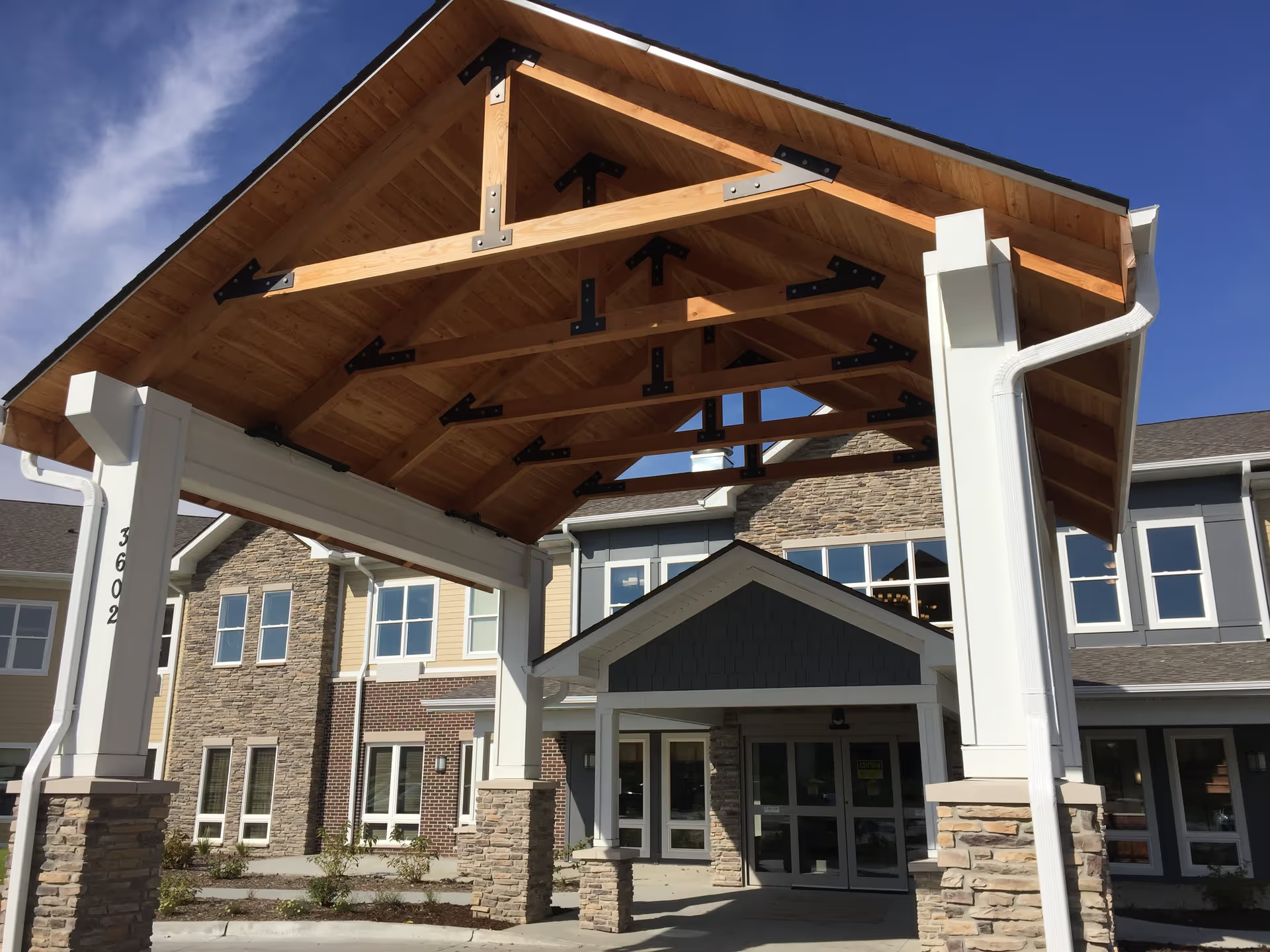
Management and governance issues were also noted. Reviewers described gaps in communication from front-line staff and management, restricted access to board members, and limited transparency about decisions that affect residents. Physical condition and amenities appear uneven across the campus: parts of the property have been recently remodeled or are new and receive positive comments, while older units or ongoing renovations contribute to variability in room size, dining space, and facility condition.
For prospective residents and families, Bethany Life appears to offer a strong, home-like environment with clinical supports on site and particular strengths in dementia care, dining, and an institutional culture that many find welcoming. Important trade-offs include variability in staffing levels and responsiveness, inconsistent therapy results, and administrative limitations around recordkeeping and family communication. Visitors evaluating placement should ask for current staffing ratios, examples of therapy continuity, the facility's plan for electronic clinical documentation, and specific communication protocols for families and legal representatives to assess whether the operational practices meet their expectations for timely, consistent care.