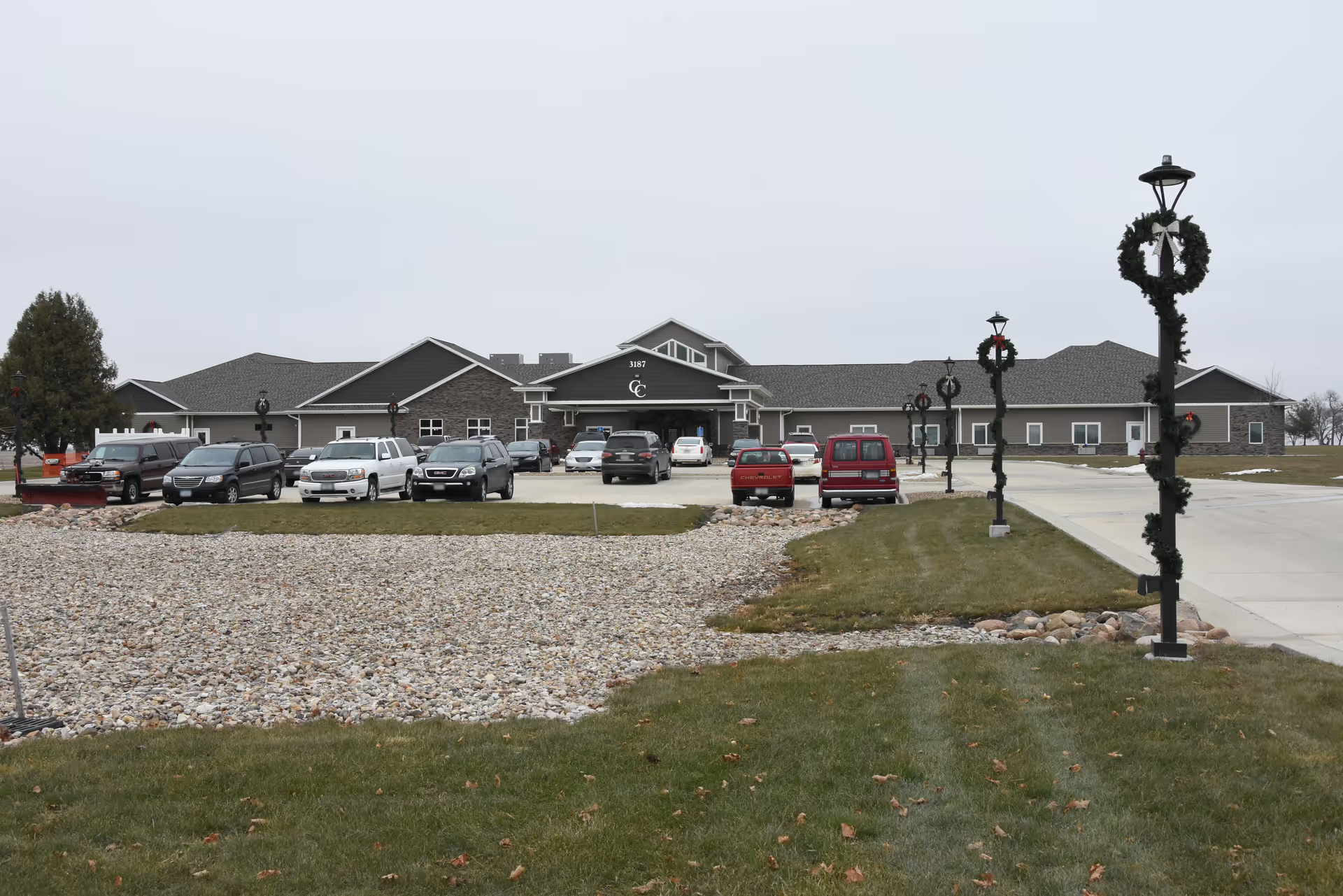
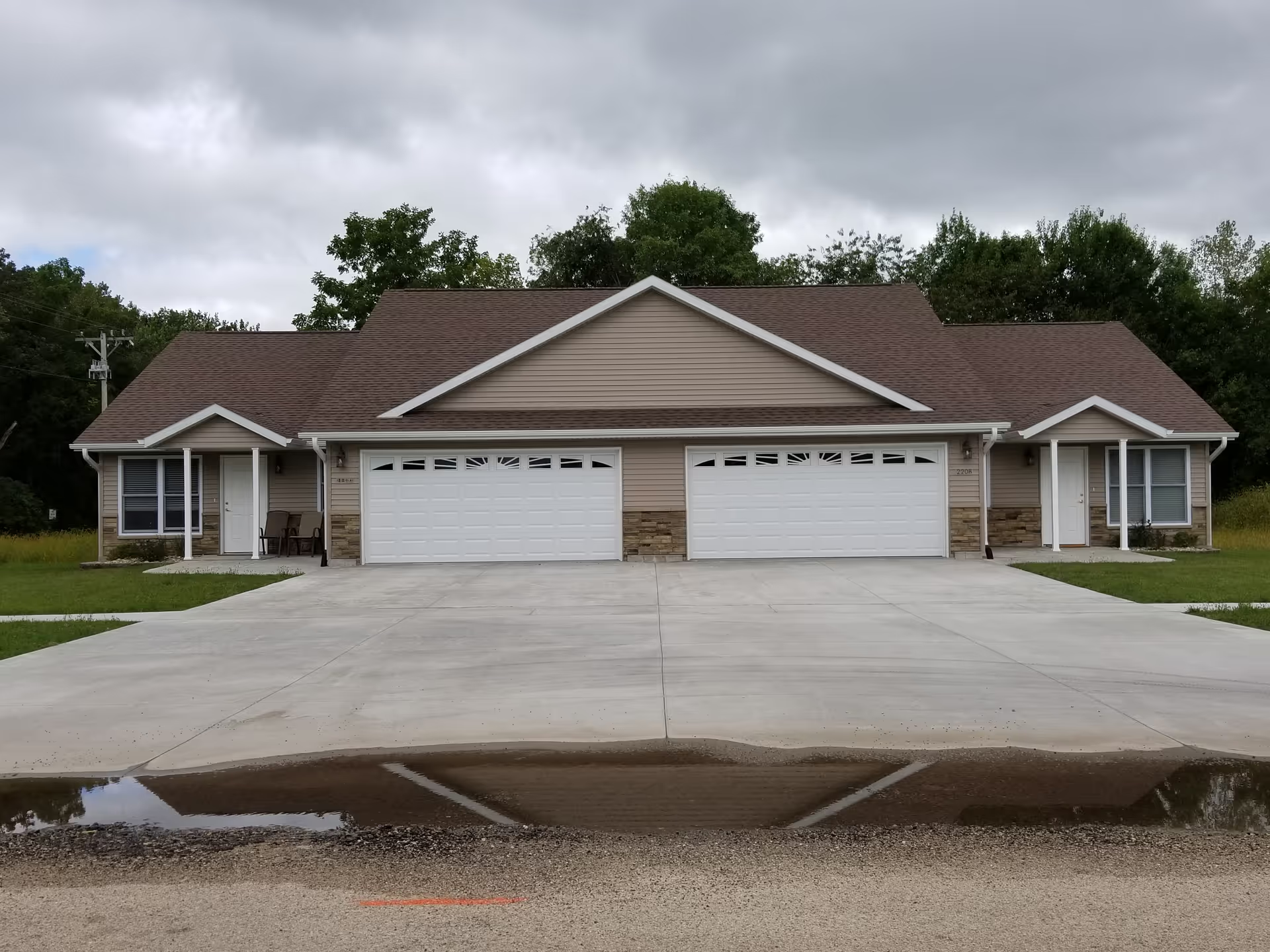
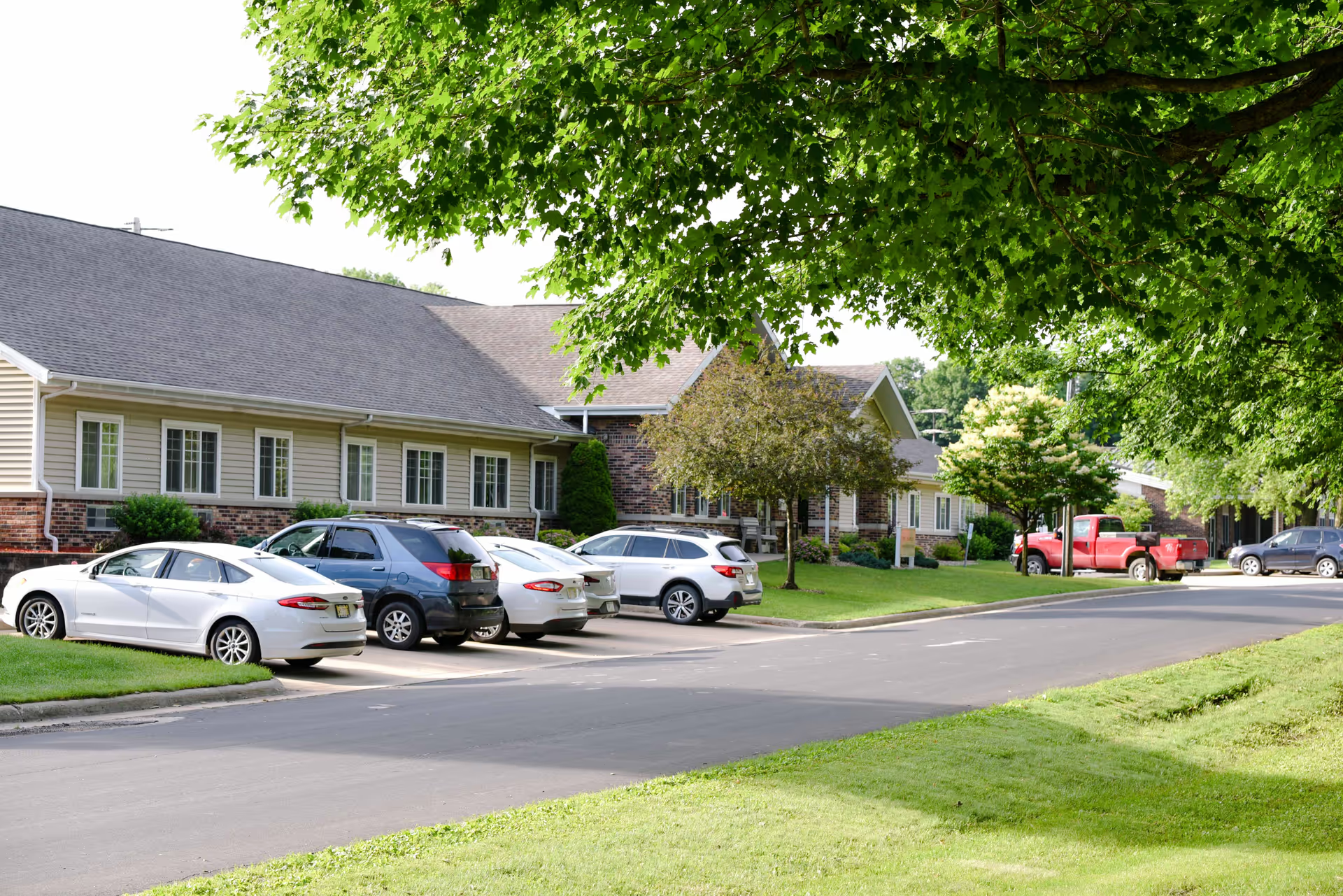
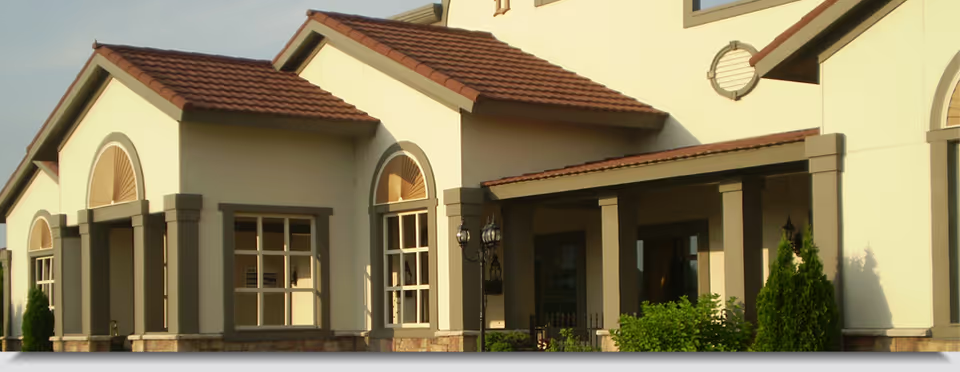
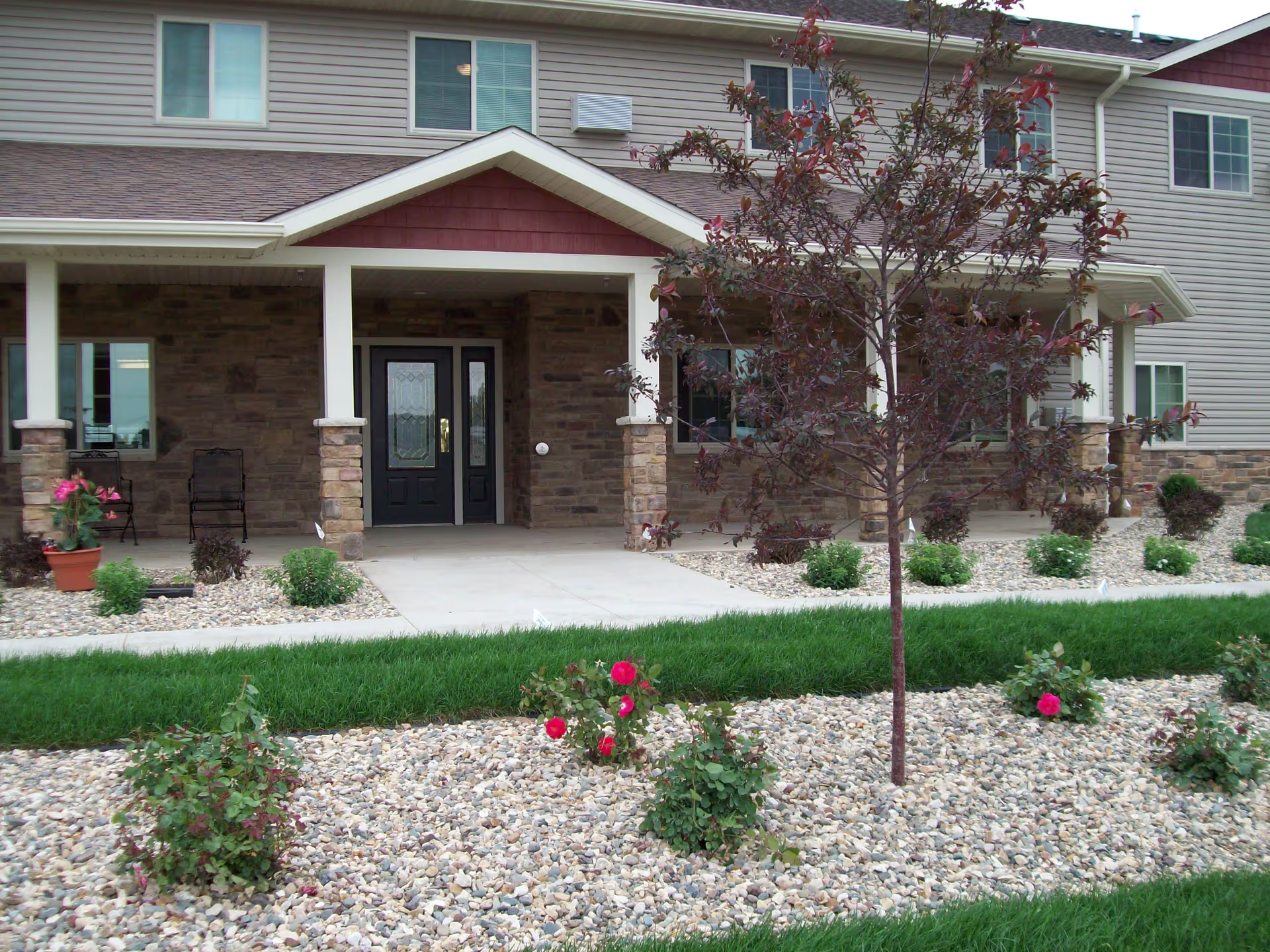
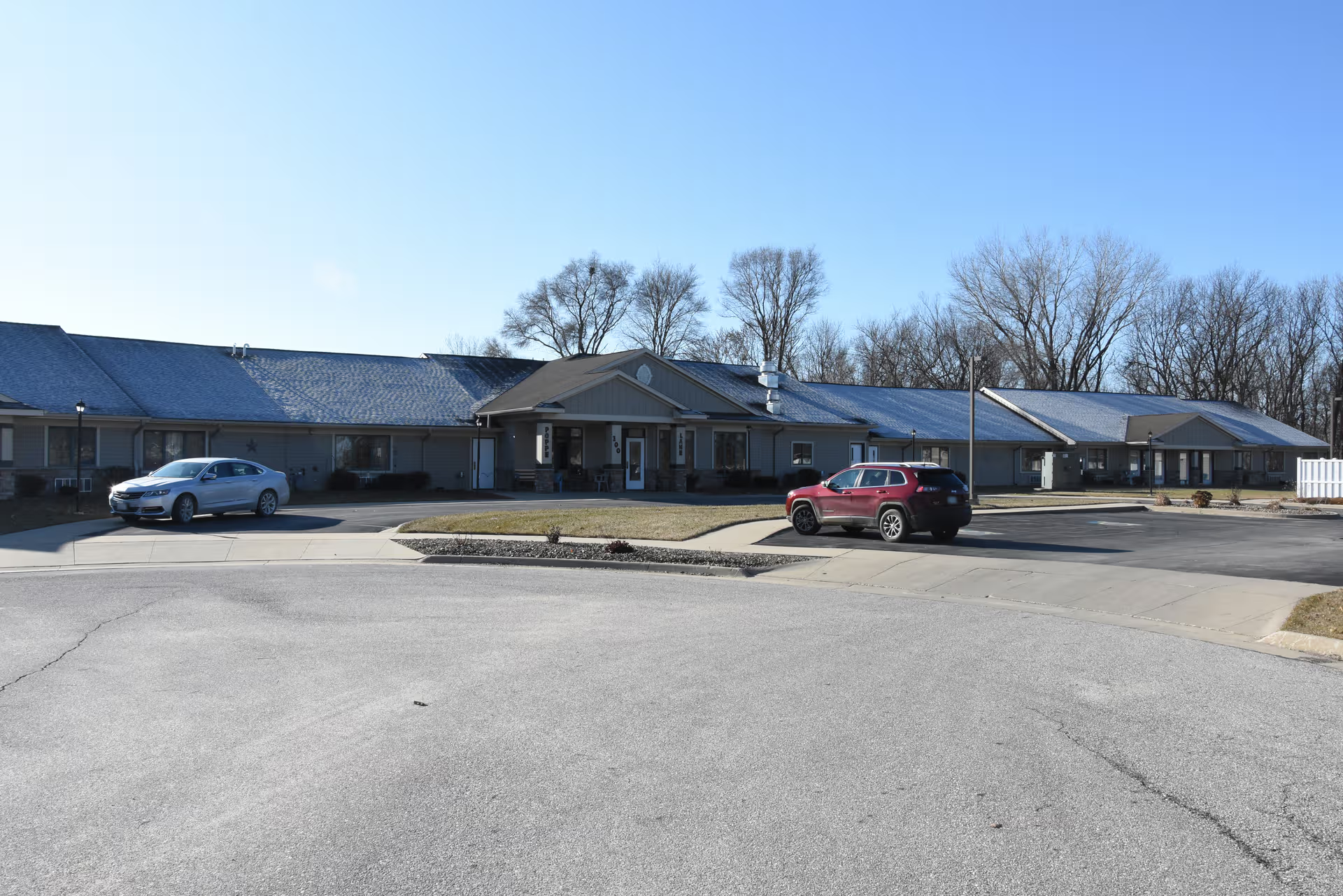
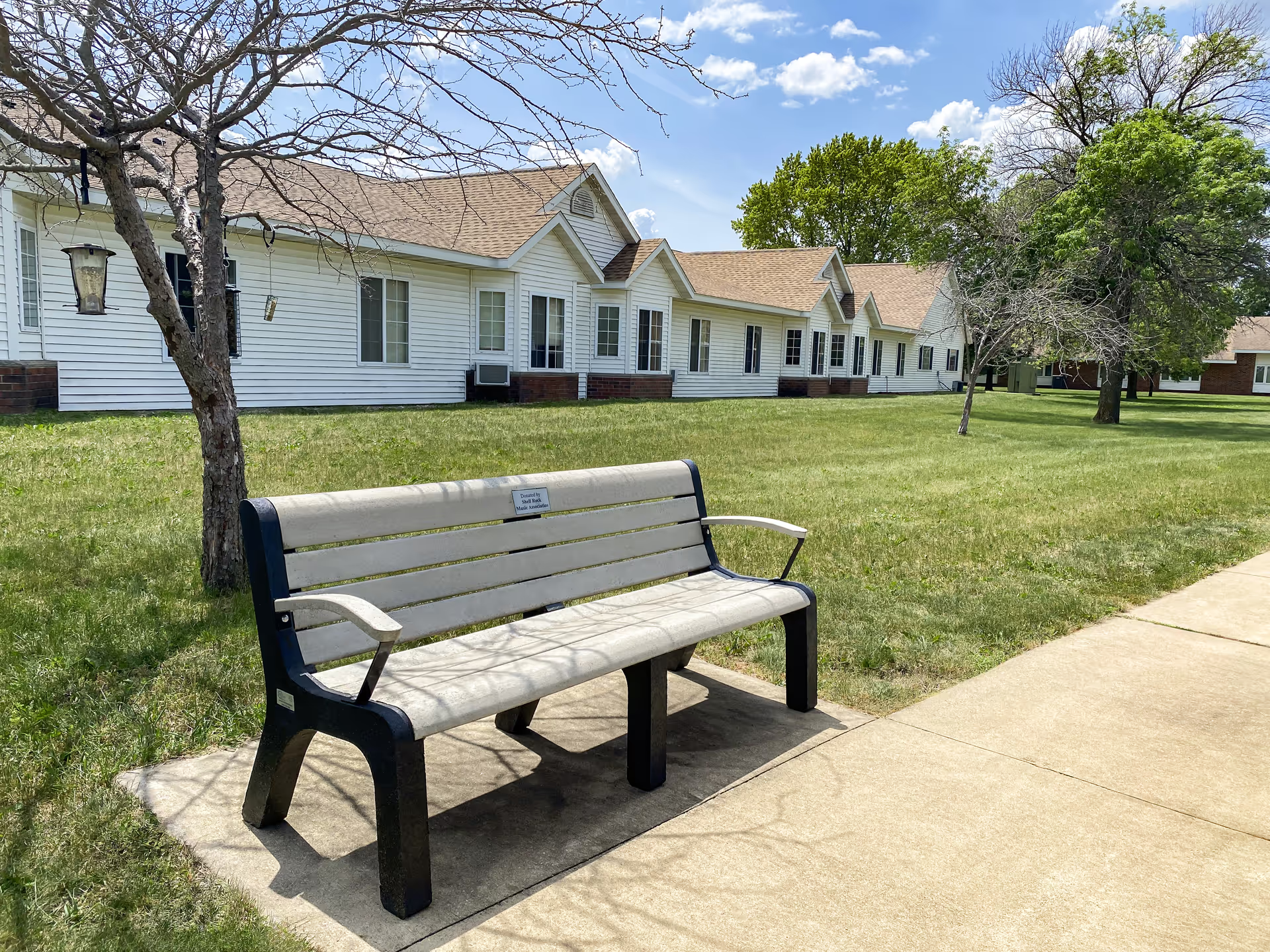
Hillcrest Living Campus elicits strongly mixed impressions. Many reviewers highlight clear strengths: direct-care staff, particularly CNAs, are frequently described as caring, compassionate, and hardworking. Several comments emphasize a clean, well-maintained environment with pleasant ambient scent, spacious tiled rooms, easy circulation for residents, and attractive outdoor space with a gazebo. The campus offers a continuum of care and housing—from skilled nursing to independent apartments—which reviewers viewed as a practical option for families seeking different levels of support in one setting. Social-work support and continuity of staff were singled out positively, and multiple accounts depict a home-like, family-oriented atmosphere.
At the same time, a number of critiques point to operational weaknesses that could affect resident experience and safety. Understaffing and associated delays in responsiveness are recurring themes; reviewers cited slow call-light response times and described staffing patterns that they felt limited timely care. Related to staffing, there are concerns about inconsistent professional conduct and a workplace culture some described as unprofessional or toxic. Several reviewers raised issues about supervisory practices and escalation—indicating instances where front-line concerns were not clearly addressed by leadership.
Dining and clinical safety emerge as areas of variability. Opinions on food range from praise to dissatisfaction, suggesting inconsistent meal quality or differing expectations across units or shifts. More seriously, there are mentions implying medication-management and clinical-safety concerns, including at least one allegation of a medication-related incident; these raise the need for prospective families to ask specific questions about medication protocols, incident reporting, and regulatory history.
Management and communication present a mixed picture. Some reviewers reported no problems with administration and would recommend the campus, while others described poor communication, staff gossip, and a lack of visible intervention from supervisors. This pattern produces polarized experiences: families who interact with supportive staff and responsive social-work services report positive outcomes, whereas others encountering staffing shortages or interpersonal issues report significant dissatisfaction.
For prospective residents and families, the contrasting reports suggest areas to verify during a visit: observe staff–resident interactions during different shifts, ask for current staffing ratios and average call-light response times, sample a meal, tour resident rooms and outdoor spaces, and speak with the social-work team. Request information on supervisory escalation procedures and recent incident or inspection records to better understand clinical-safety practices. Overall, Hillcrest offers several facility-level strengths in environment and direct care, accompanied by operational variability that warrants targeted questions before placement.