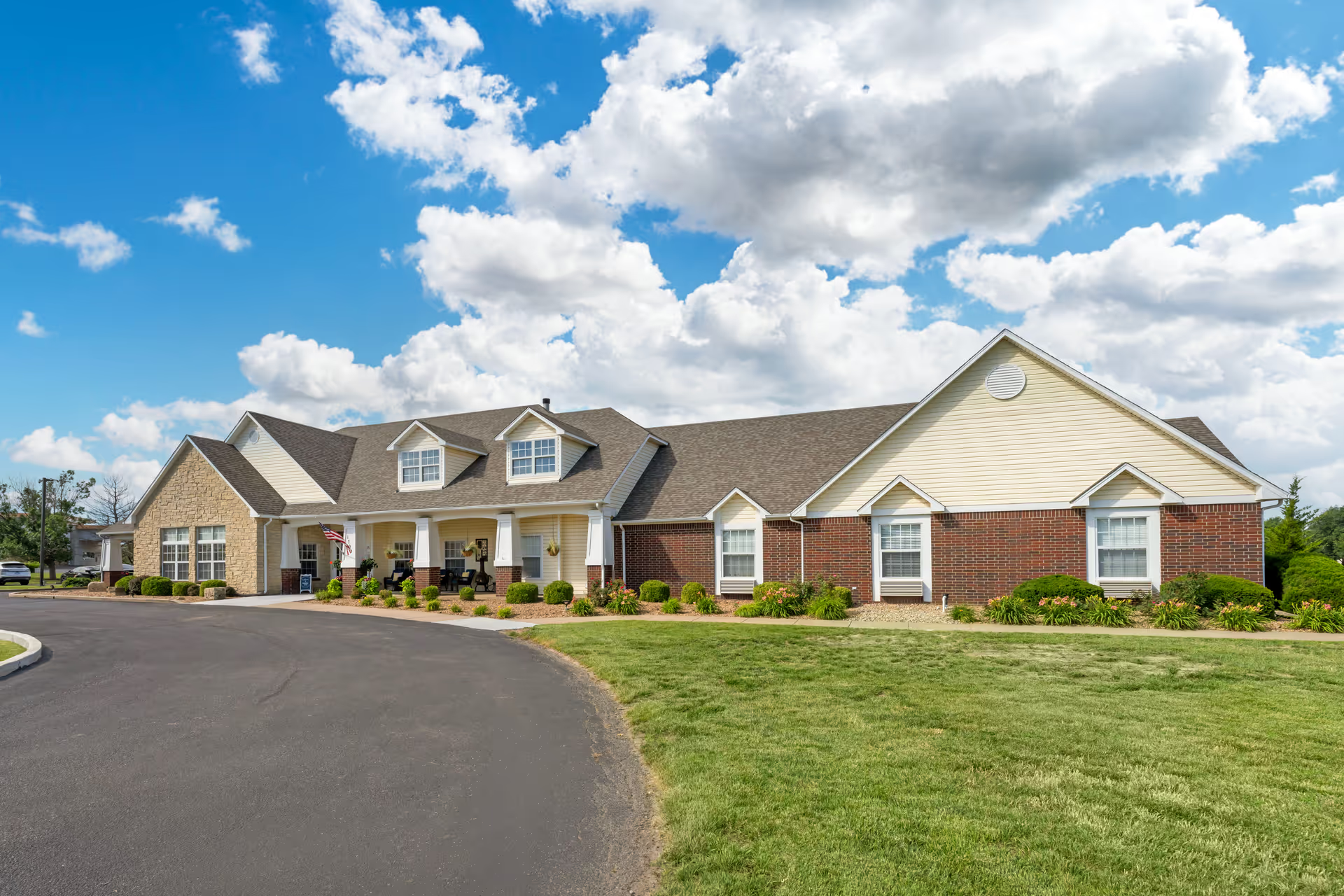
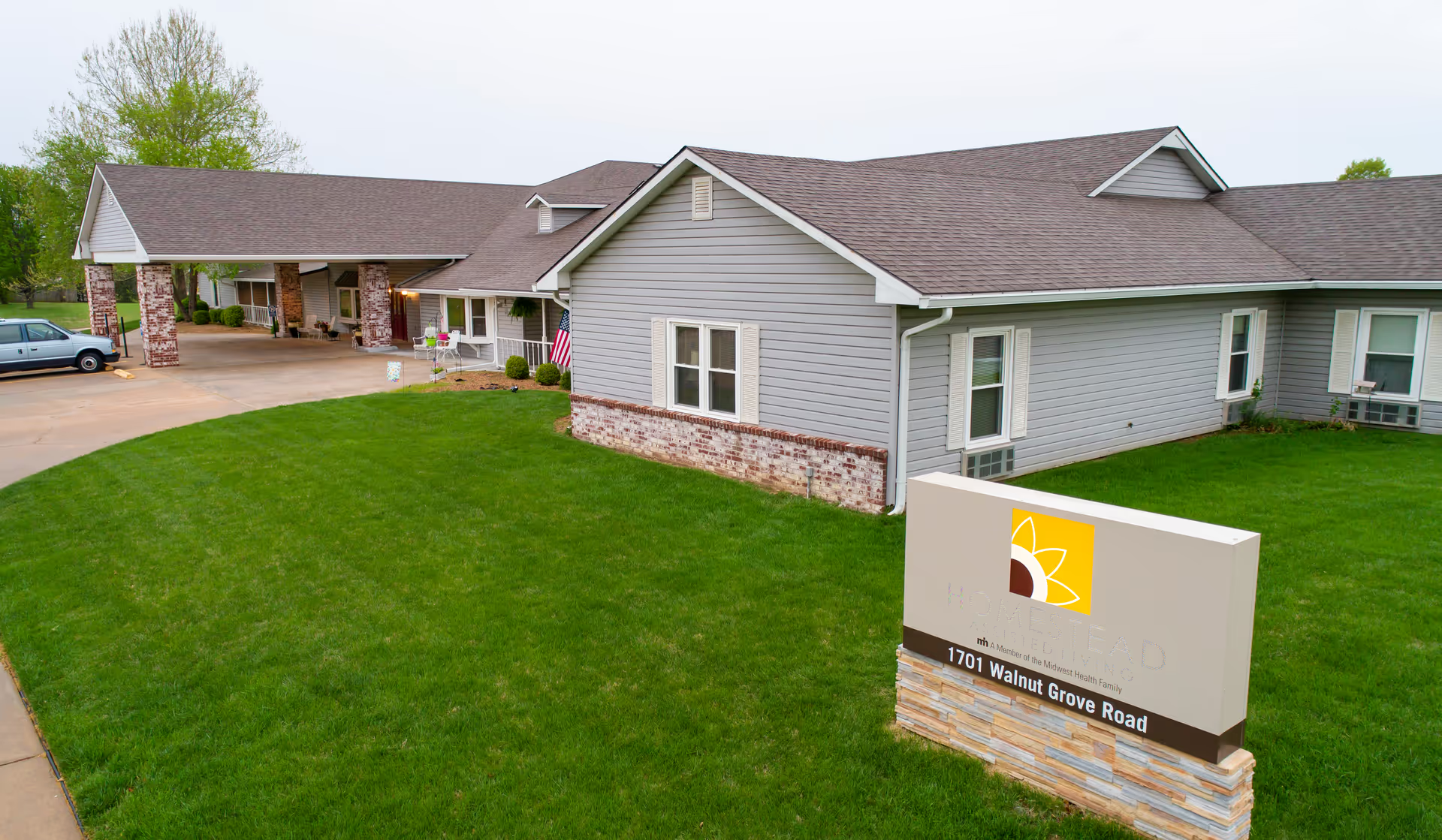
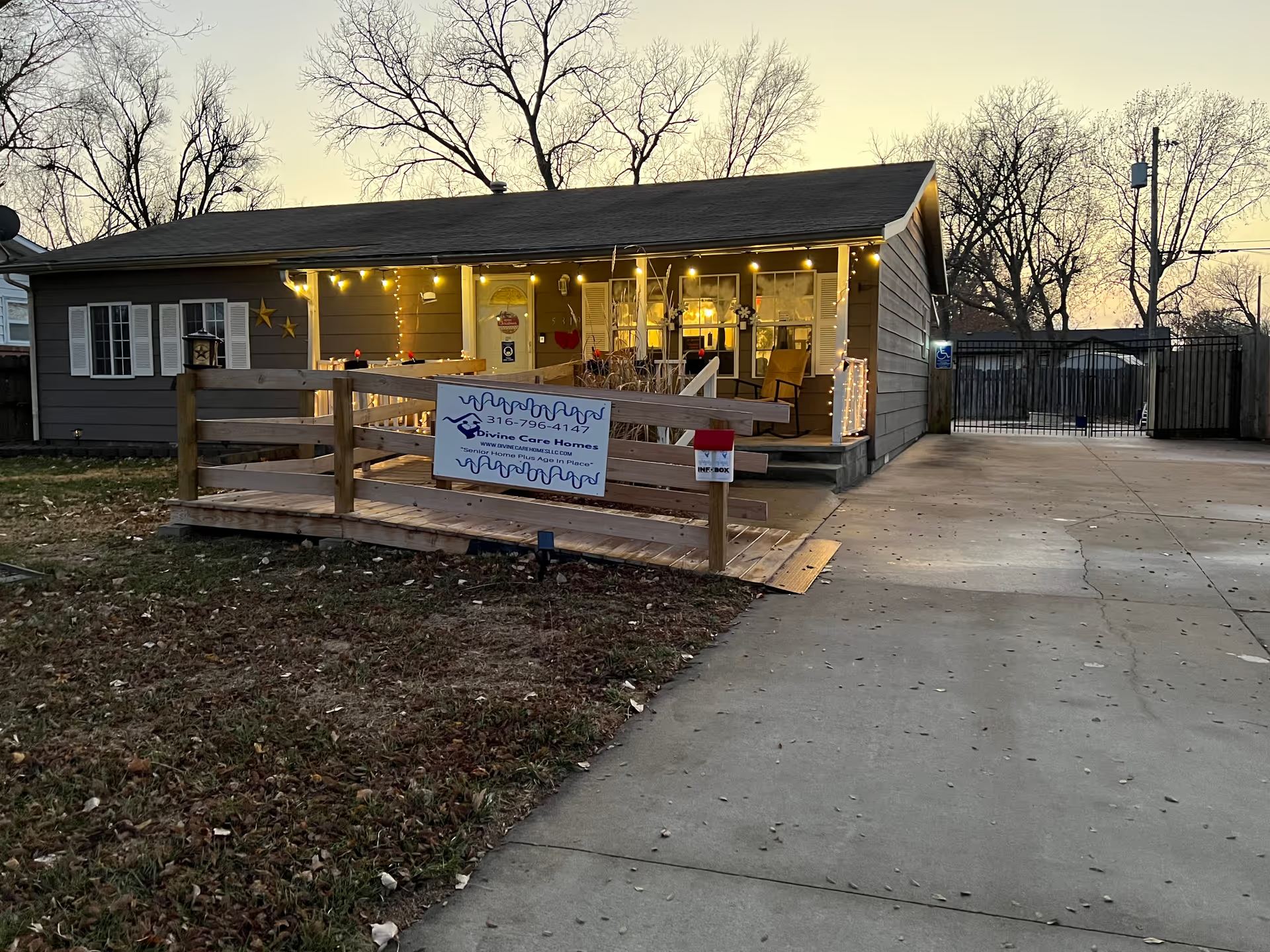
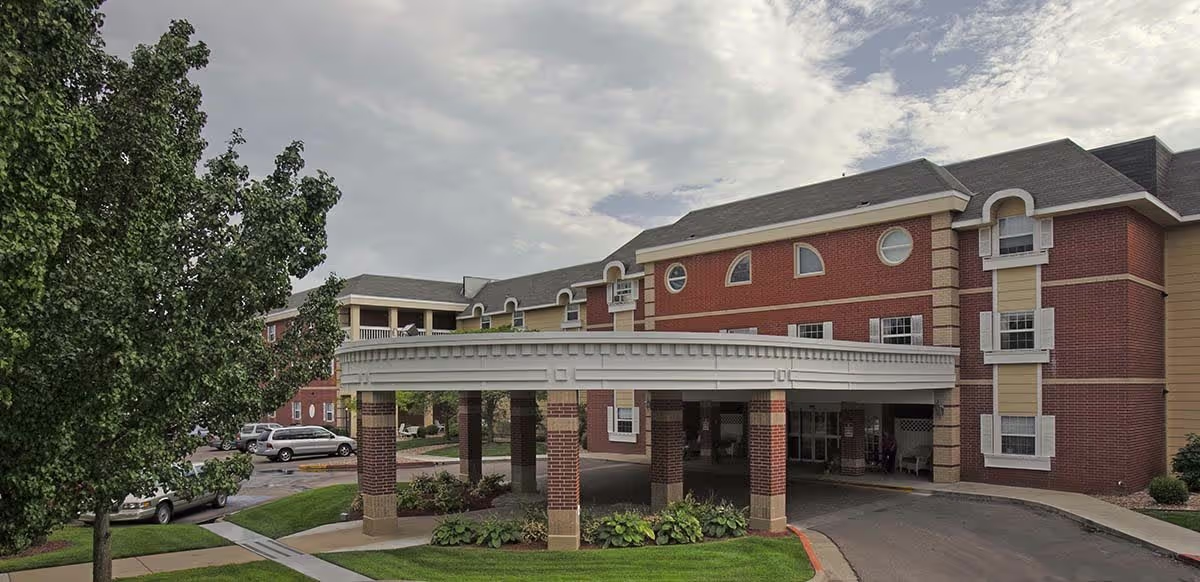
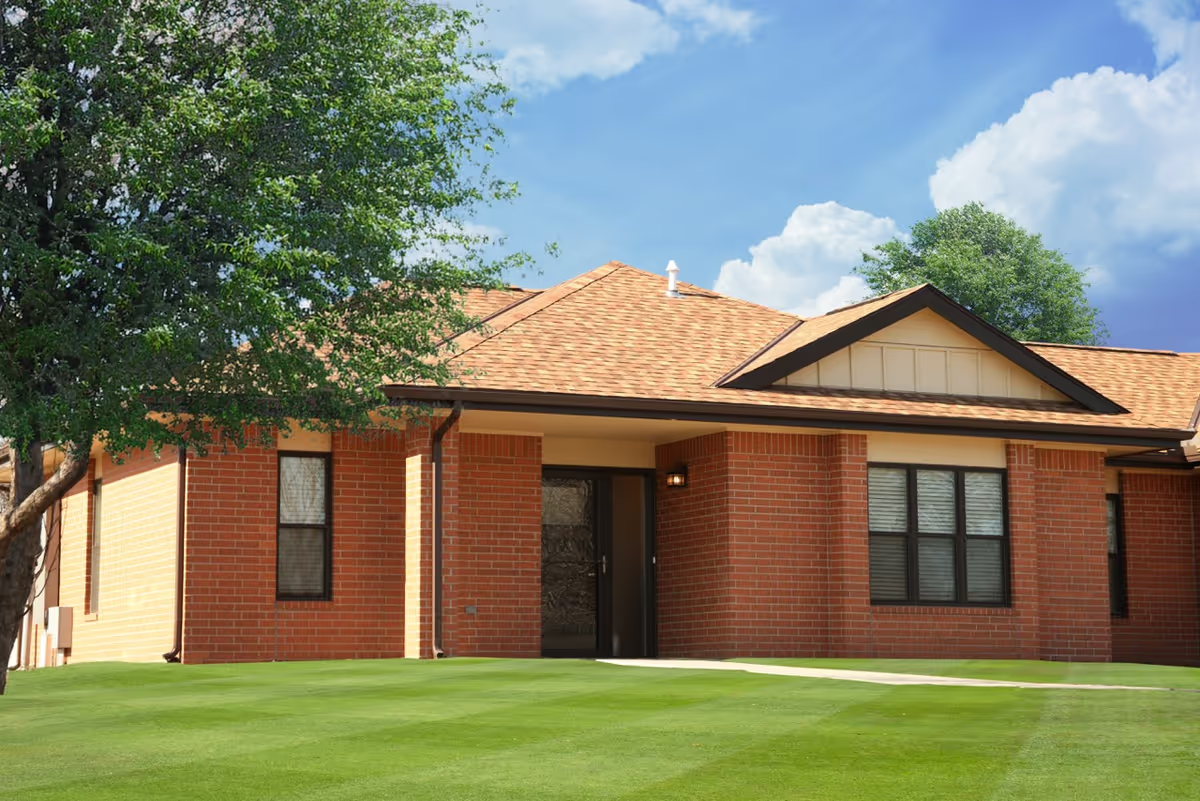
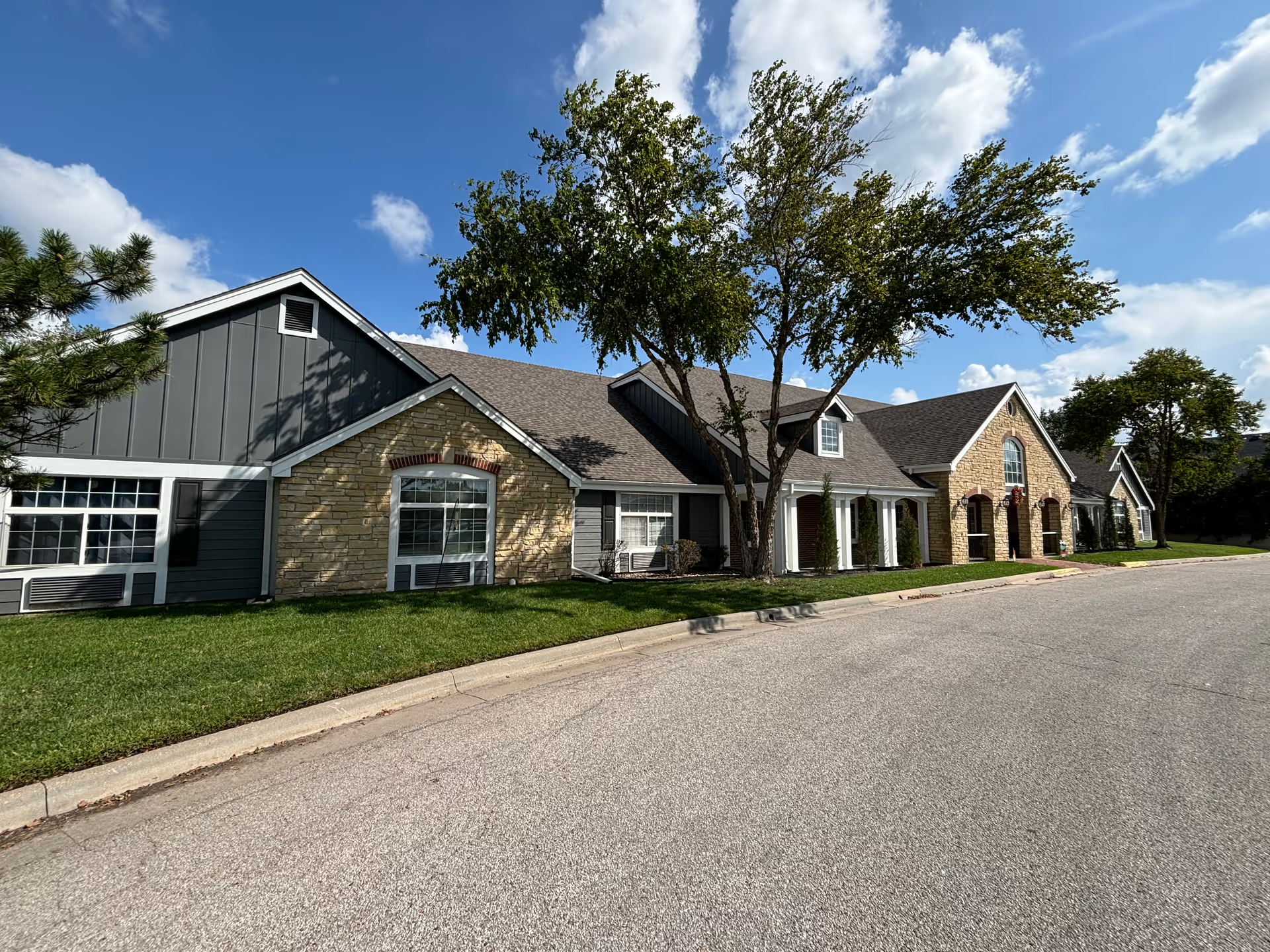
Glen Carr House Memory Care presents as a small, family-style memory-care community with a strong emphasis on individualized, activity-focused daily life. The campus is organized as several small houses, which supports private rooms, easy social grouping, and frequent resident engagement in memory-oriented activities such as games, crafts, outings, and faith-based services. Families commonly describe a home-like atmosphere, frequent social events (barbecues, patio holidays), and opportunities for one-on-one attention that many find beneficial for dementia care.
Direct care quality is a clear strength at the caregiver level: reviewers consistently praise compassionate, attentive CNAs and nurses who keep residents engaged and provide supportive end-of-life and hospice transitions. The facility supports this with a notably low staff-to-resident ratio and on-site clinical oversight (weekly doctor or physician assistant visits), which families cite as reassuring. At the same time, there are operational patterns that create variability in the care experience. Several families raised concerns about medication management and monitoring—specifically side effects such as pronounced drowsiness and mood changes associated with psychotropic medications—which suggests the need for closer clinical oversight and clearer family communication when medication adjustments occur.
Activities and dining are generally well developed, with a structured memory-care program and regular social events that encourage participation. Meal service is mixed: the community offers a breakfast bar and alternative meal options, but some families find menus repetitive or of uneven quality. Pricing was noted as relatively high for advanced care needs, and reviewers mentioned flat-rate disputes or steep cost increases when care needs escalate, indicating families should verify contract terms and rate adjustments.
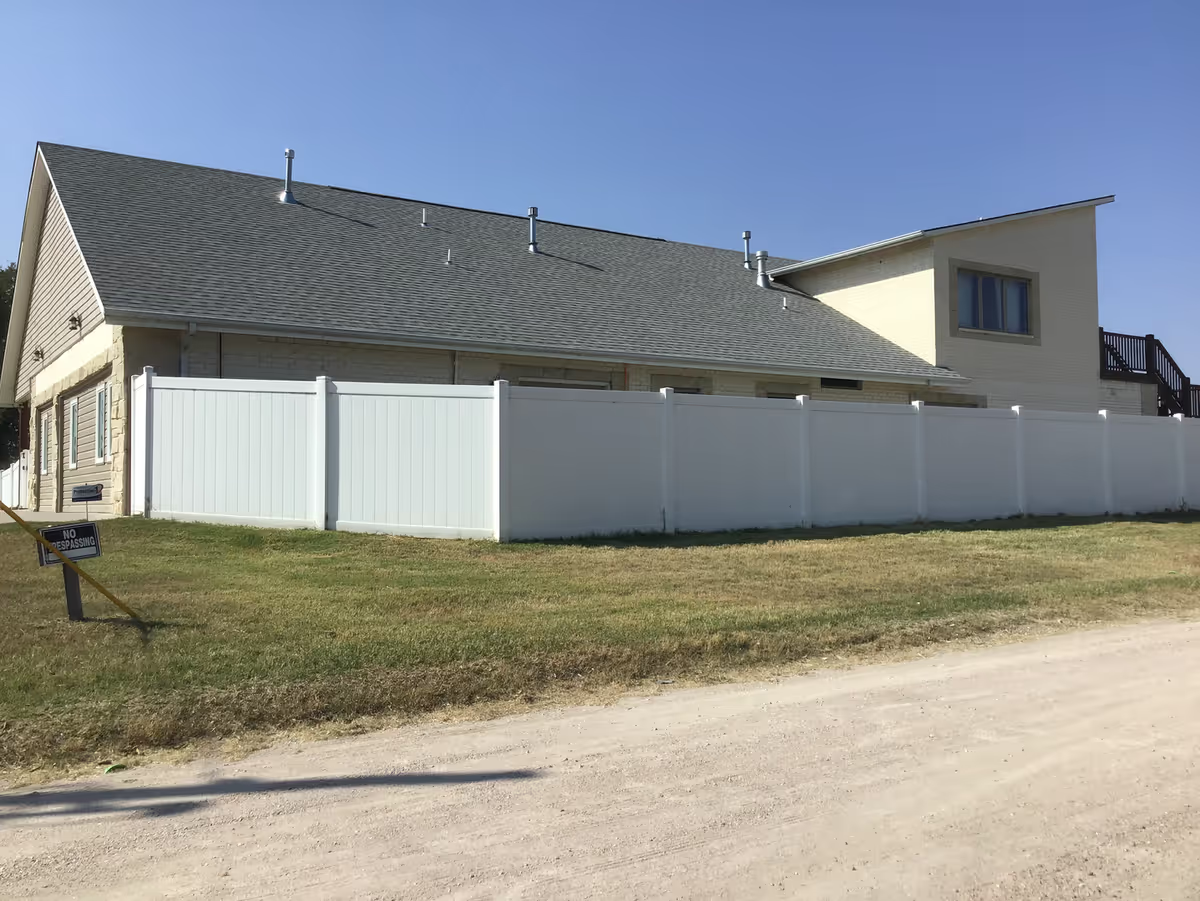
Physical plant and environment have strengths and weaknesses. The small-house layout, accessible bathrooms with step-free showers, and secure key-code entry are practical benefits. However, the facility shows needs for cosmetic updates and maintenance: reviewers noted dull or dark common areas, stained carpeting in places, small windows limiting views and daylight, and patio furnishings and landscaping that require attention. Housekeeping and sanitation standards appear inconsistent across units; some families described strong infection-control practices while others observed lapses in mask use or distancing and inconsistent cleaning routines.
Management and administration receive mixed evaluations. Communication from bedside staff tends to be timely and caring, but administrative responsiveness, billing, and accounting processes are described as inconsistent or delayed. There are also isolated concerns about professional conduct and leadership consistency. Staffing stability has improved in some accounts but was uneven at times, producing periods of higher workload for CNAs and occasional role overlap (for example, caregiving staff assisting with meal prep) that families worry may affect infection-control or service continuity.
In sum, Glen Carr House offers many features attractive for memory-care residents: a small, social, activity-rich environment with hands-on caregivers and on-site clinical support. Prospective families should weigh those direct-care strengths against operational concerns—facility maintenance, variable housekeeping, food consistency, administrative responsiveness, and medication-management oversight—and verify current conditions, staffing levels, and contractual/cost details during an in-person visit and through direct questions to clinical leadership.