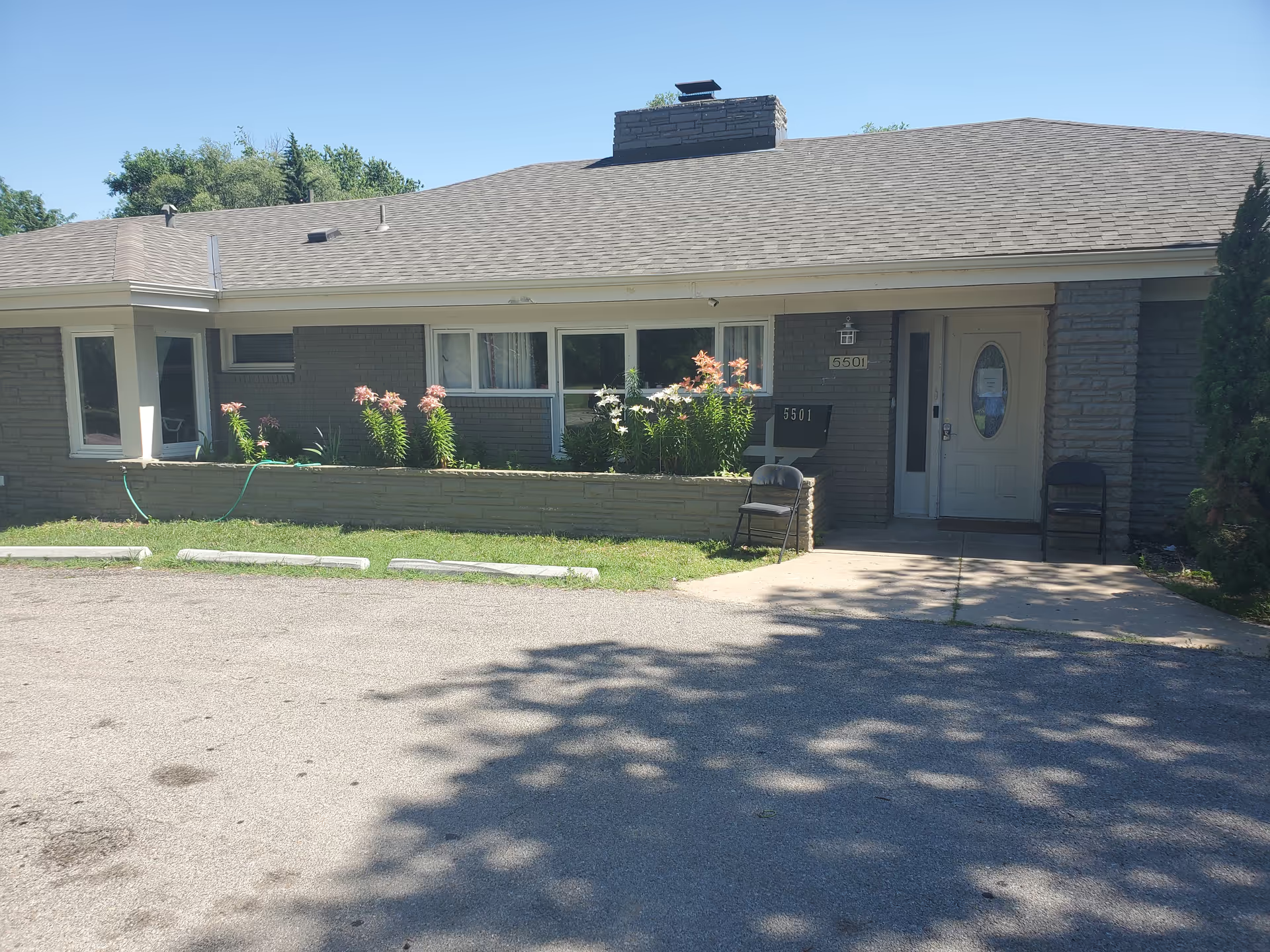
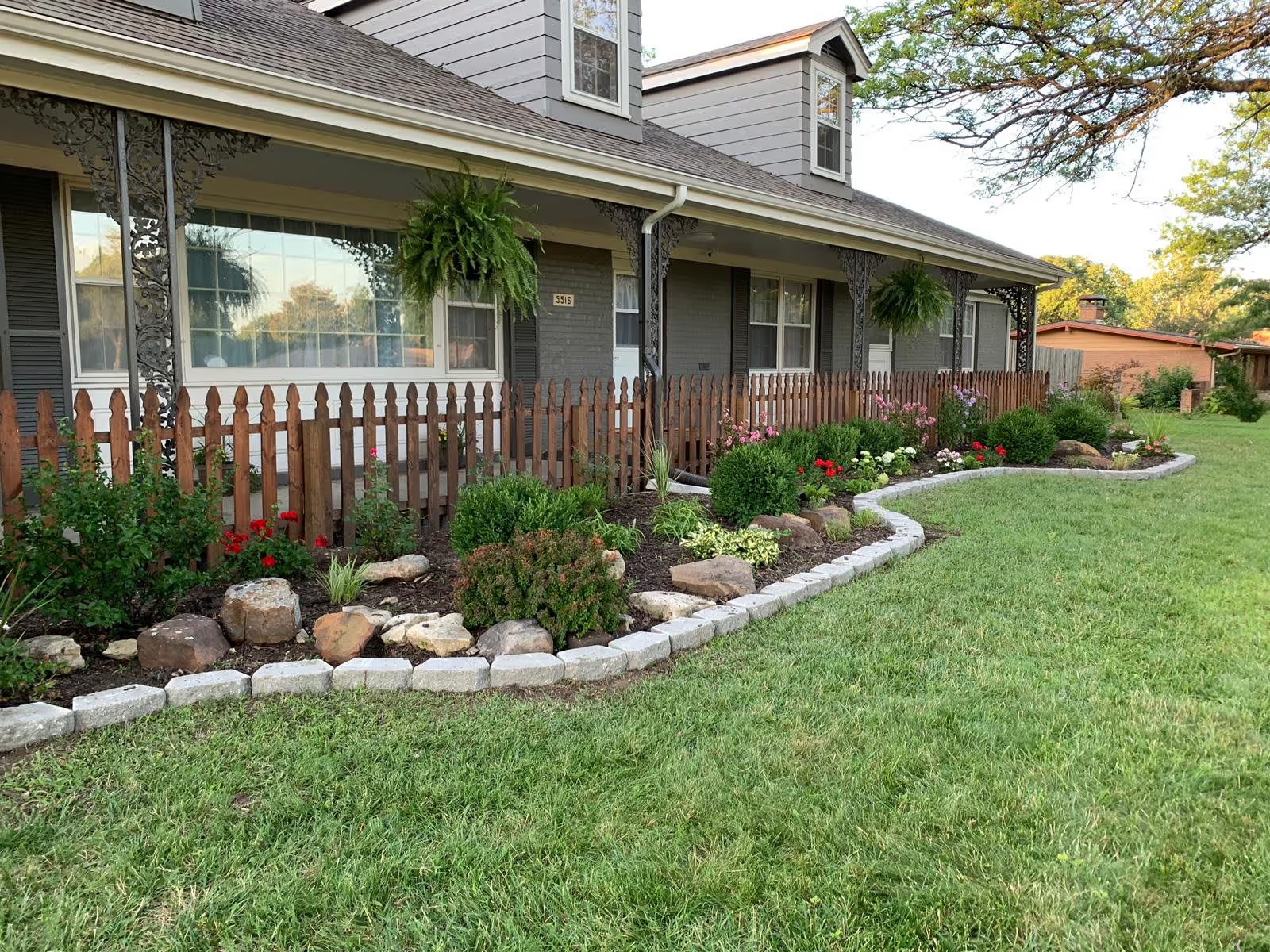
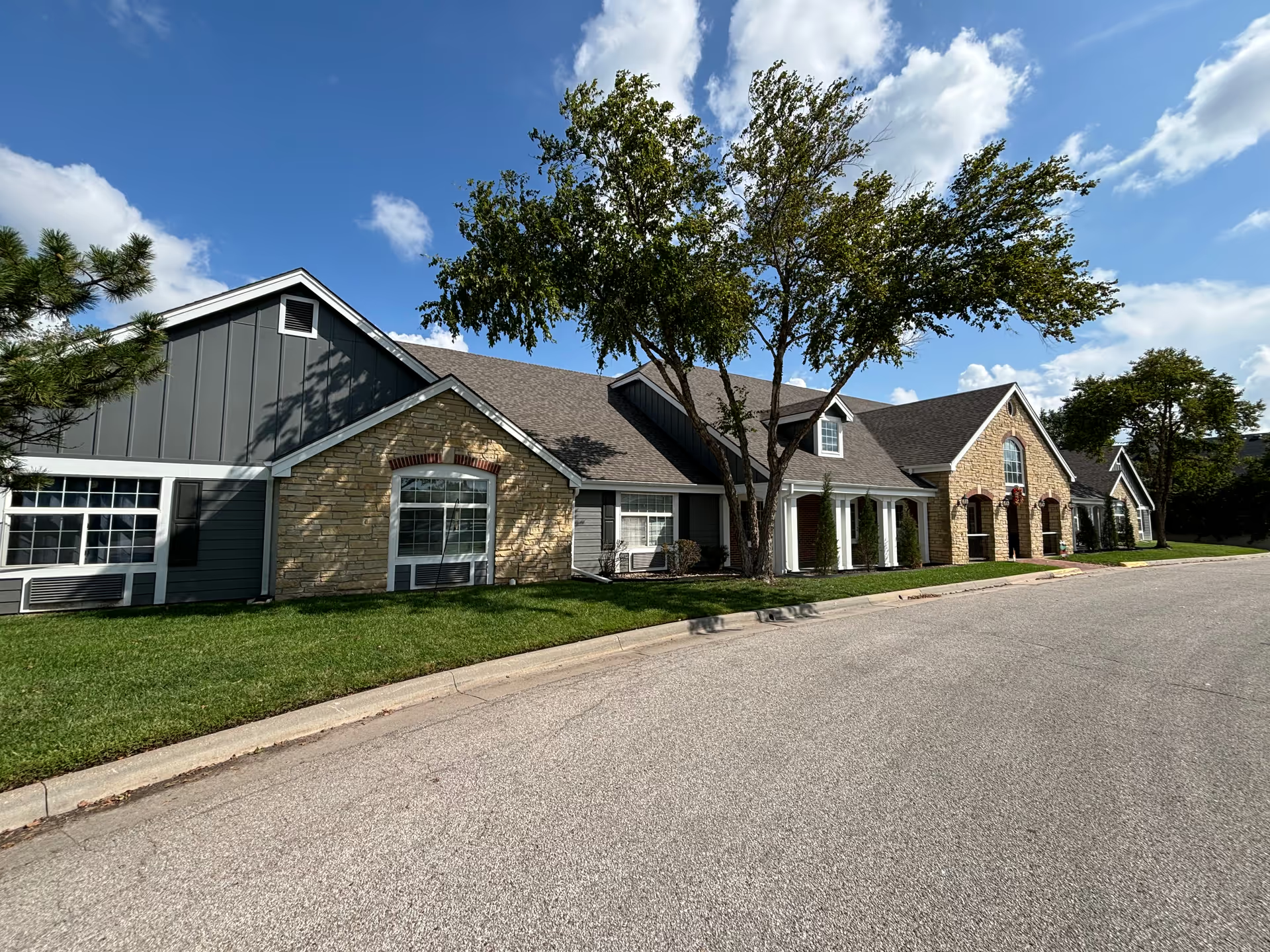
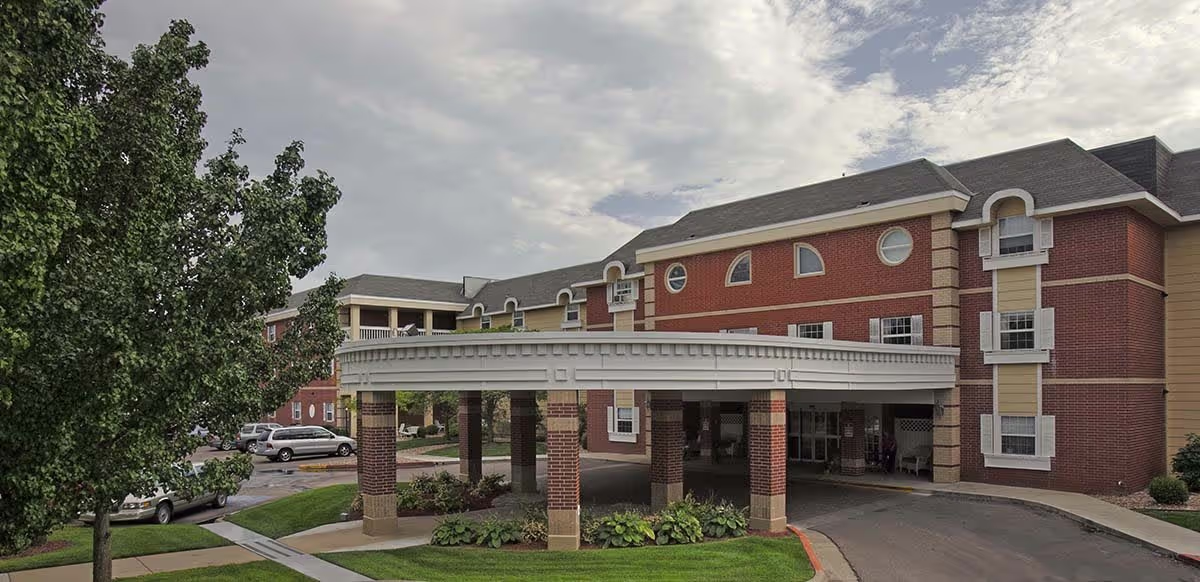
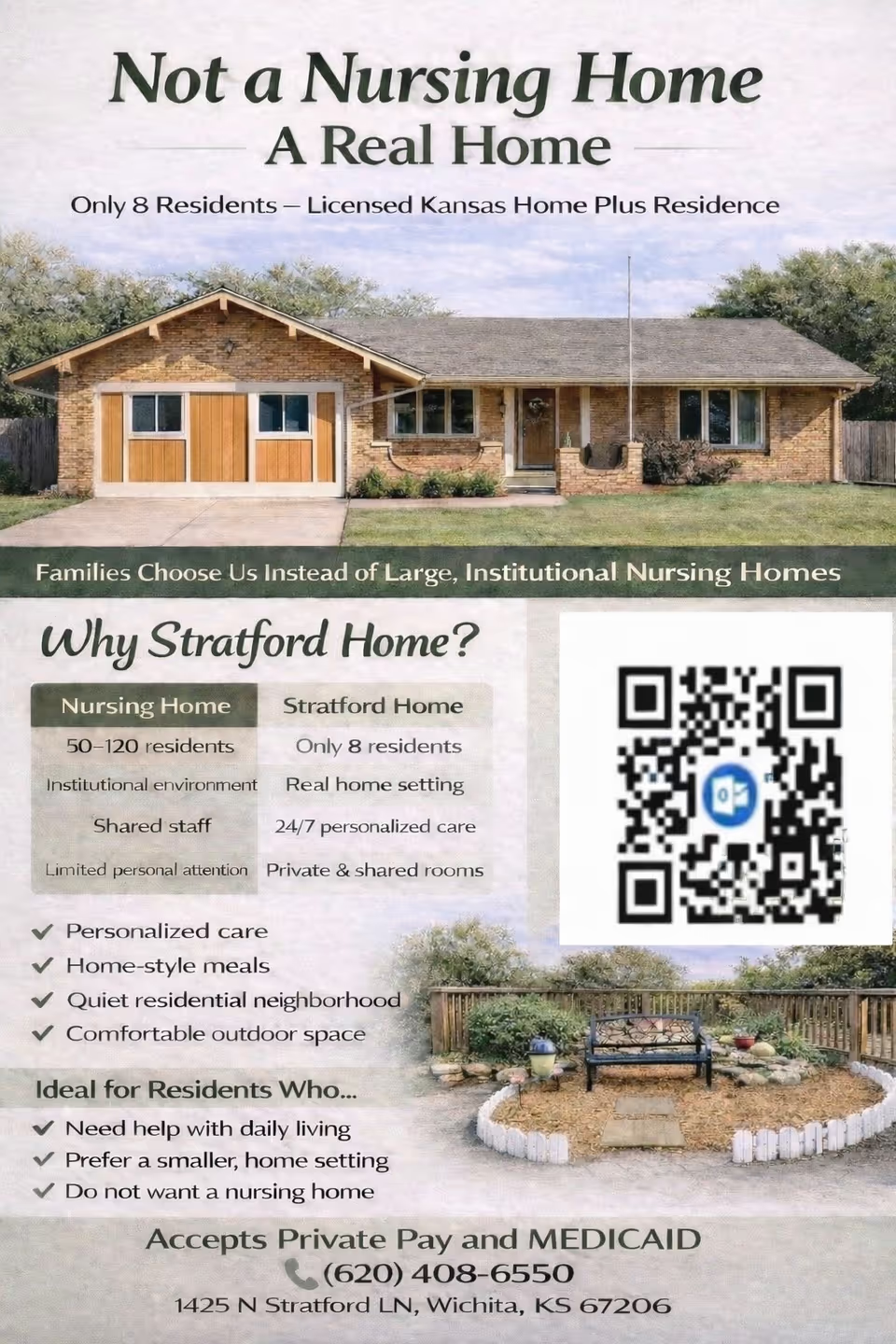
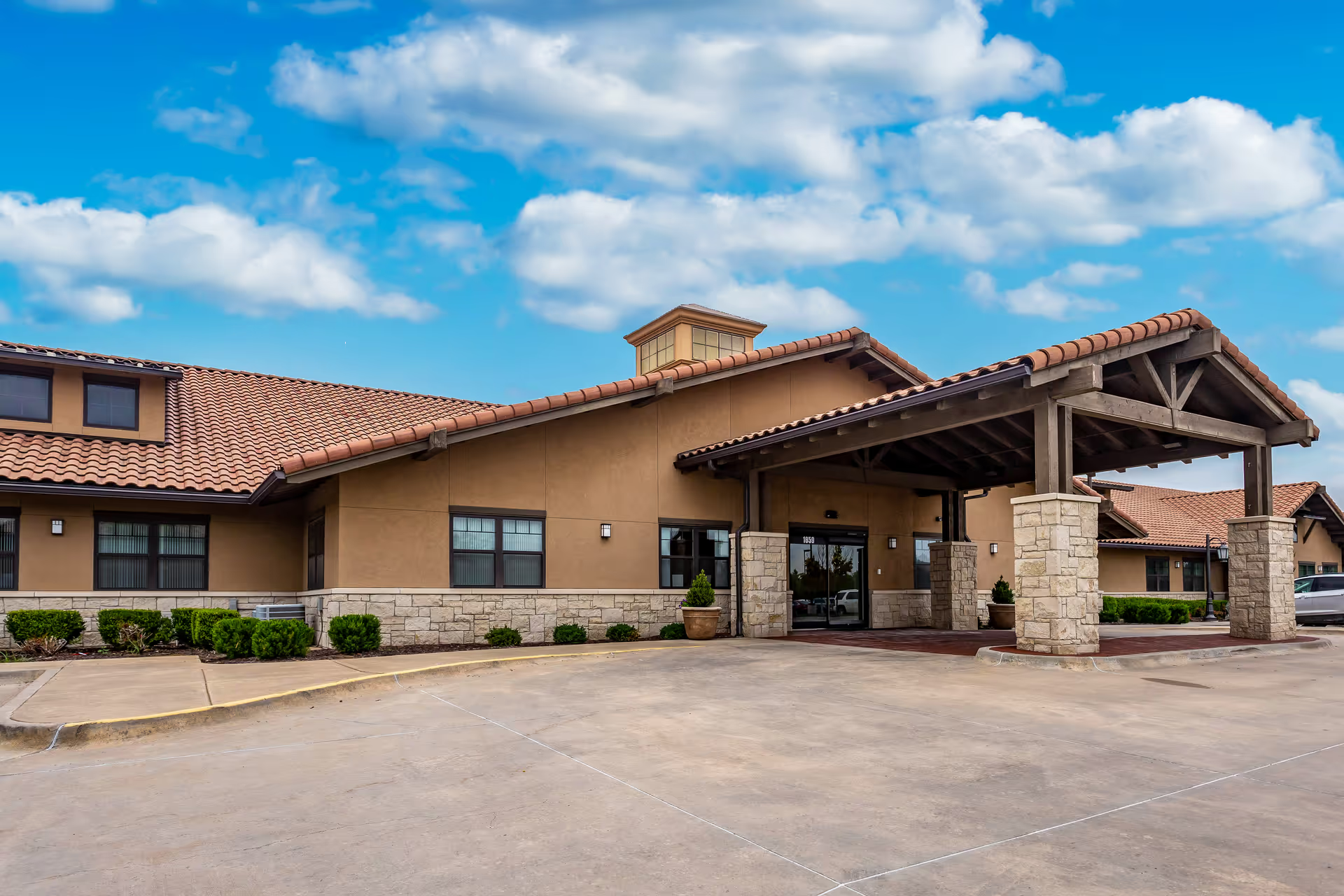
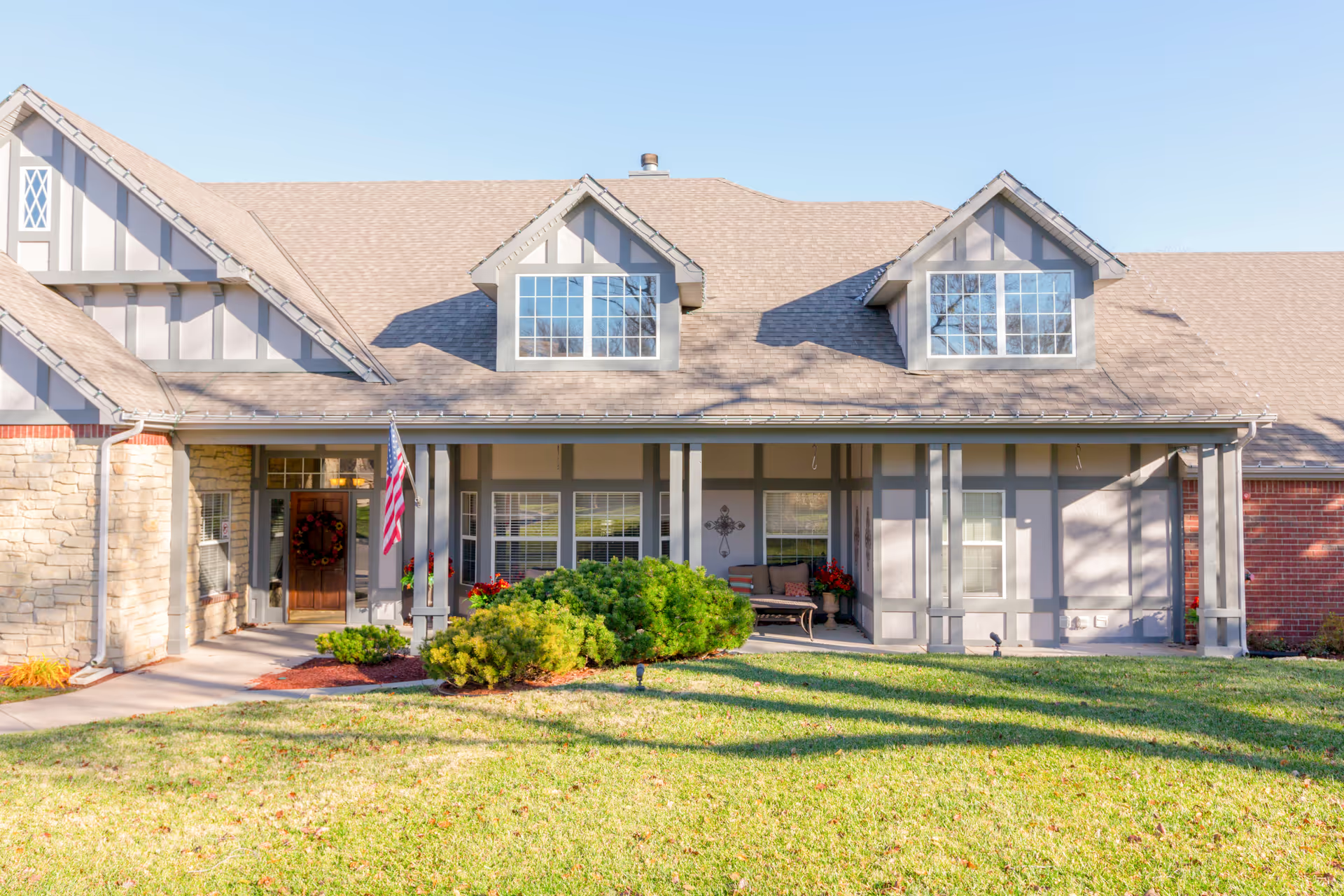
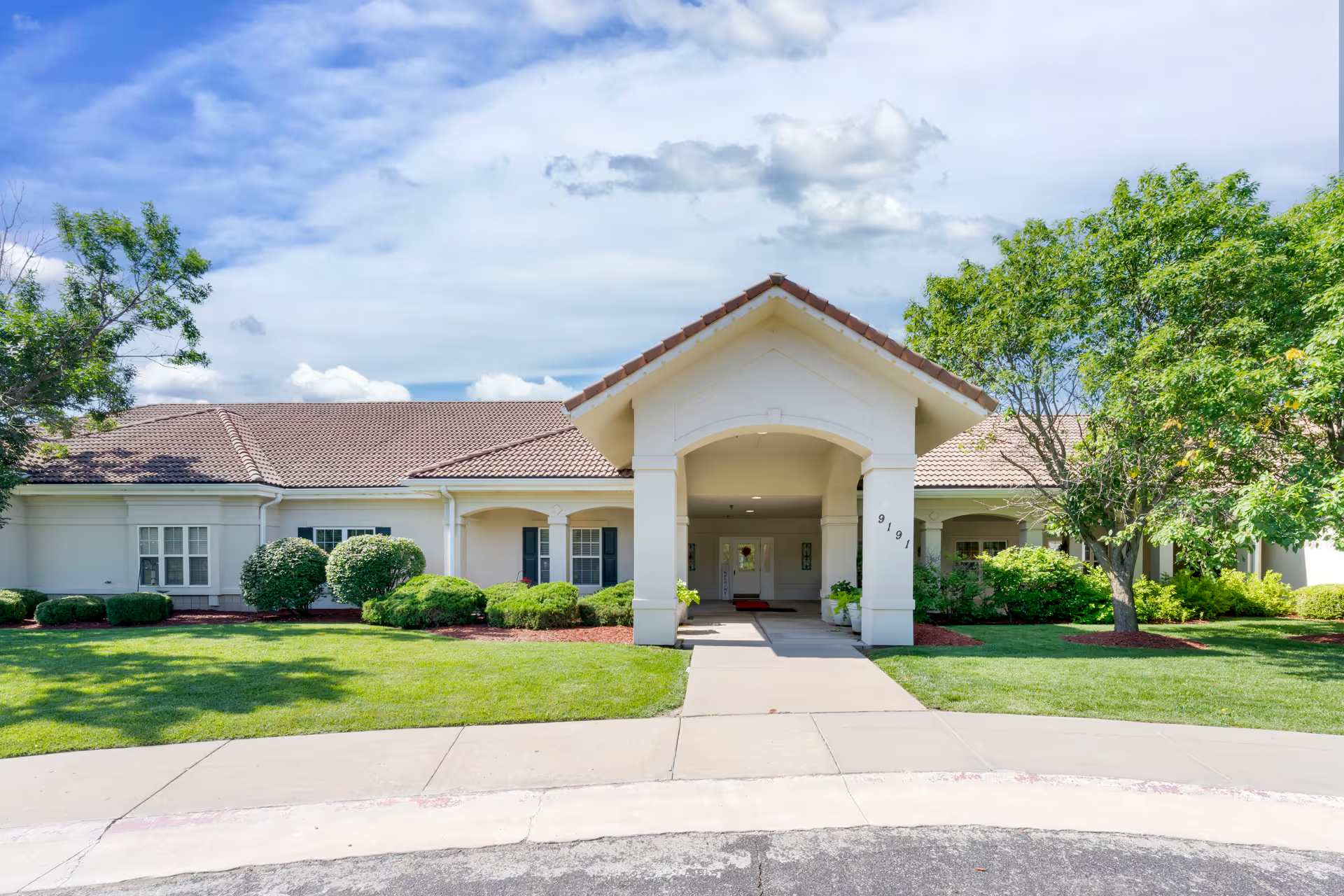
Agape Home Plus is consistently described as a small, home-like assisted living that emphasizes person-centered care. Families highlight a strong clinical presence—with a full‑time registered nurse on site—and a hands‑on owner who communicates directly with families. The facility projects a residential, maintained atmosphere (clean, fresh interior, secure entry) and many reviewers attribute improved mood and stability in residents to the care team.
Care and staffing are central strengths. Reviewers consistently cite attentive, compassionate caregiving, 24‑hour monitoring, and staff who adapt to changing health needs. Onsite therapy services (occupational and physical therapy) and staff support for continued education are also noted. Long tenure among caregivers and a family-oriented culture contribute to a perception of stability and trust. That said, some families described variability in front-line nursing helpfulness and occasional delays in phone or message responsiveness; these comments suggest unevenness in day‑to‑day communication and frontline interactions rather than a broad clinical deficiency.
Dining and activities are repeatedly praised. The facility emphasizes home‑cooked meals that families find palatable, regular social programming, holiday celebrations, outings, and opportunities for residents to personalize rooms. Outdoor features such as a garden and hands‑on activities (for example, animal‑related activities) are noted as beneficial for engagement, including residents with cognitive impairment. Private rooms with half baths and oversized rooms that can accommodate personal furniture are available, supporting resident dignity and personalization.
Facilities and management practices reflect the residential model: a cozy layout, secure entry, and the ability to decorate rooms. Practical supports such as wheelchair‑accessible transportation and flexible visiting policies are highlighted. However, some unit layouts include shared/communal bathrooms, which reviewers indicated may not meet every family’s preference for privacy. Cost impressions vary: some families view the setting as a more premium option compared with shared arrangements, while others see it as cost‑effective relative to private nursing care.
Overall pattern: the dominant narrative is one of compassionate, individualized care delivered in a home-like setting with clinical oversight. Families frequently express peace of mind and recommend the facility. The main operational concerns to watch are intermittent variability in frontline responsiveness and communication delays, plus bathroom configuration and price considerations for those comparing alternatives. Prospective families should verify current staffing patterns, communication protocols, bathroom availability in specific rooms, and pricing structure during a tour and before making placement decisions.